One of the 8 hares on WAnimals
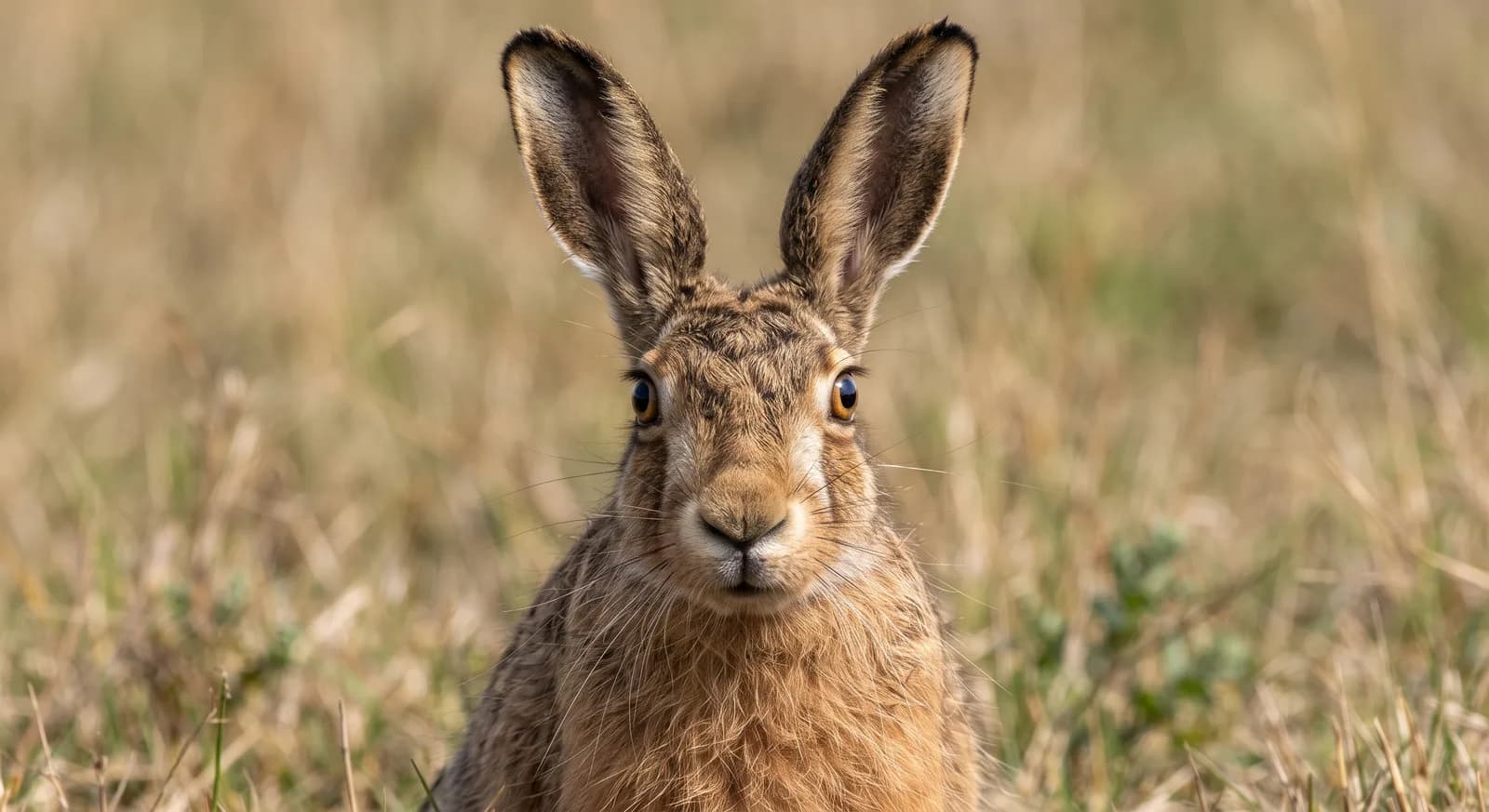
Mammals · Lagomorpha · Leporidae
European Hare
Lepus europaeus
The species is abundant and widely distributed; it faces no significant short-term risk. See full glossary
Unlike the rabbit, it digs no burrow: the young are born in shallow scrapes on the ground and scatter individually during the day, coming back to the mother only at dusk.
Weight
3 kg – 6 kg
Size
48 cm – 70 cm
Lifespan
3 years
Diet
Herbivore
Feeds mainly on plants.
Activity
Nocturnal
Active mainly at night.
Social structure
Solitary
Lives and hunts alone, joining others only to breed.
Sighting difficulty
Easy
Fun facts
- Unlike the rabbit, it digs no burrow: it is born in a shallow scrape on the ground.
- The young scatter individually during the day so as not to draw predators.
- It can have three or four litters a year.
- reproducciónUnlike the rabbit, it digs no burrow: its young are born furred and open-eyed, able to move about shortly after birth, in contrast to a rabbit's helpless kits.
Life cycle & biology
- Skeleton type
- Vertebrate - internal bony skeleton (mammal)
- Habitat & environment
- Open farmland, grassland and fields across much of central Europe and western Asia
- Birth weight
- Born precocial, fully furred and with eyes open
- Size at birth
- Born precocial
- Sexual maturity
- ~8 months
- Gestation / incubation
- 30-42 days
- Litter / clutch size
- 2 to 8 leverets per litter (3-5 on average), with 3-4 litters a year
Sources consulted: AnAge (genomics.senescence.info); EBSCO Research Starters; Springer (European Rabbit chapter, comparative reference)
Where to find it
See its range on the interactive mapWhere to watch it
Parques y spots de buceo donde se ha documentado esta especie — se muestran 10 de 190 documentados.
Related species
Other species in the catalogue with the most in common with European Hare — same habitat, park, country, tags or family.
Iberian Hare
Lepus granatensis
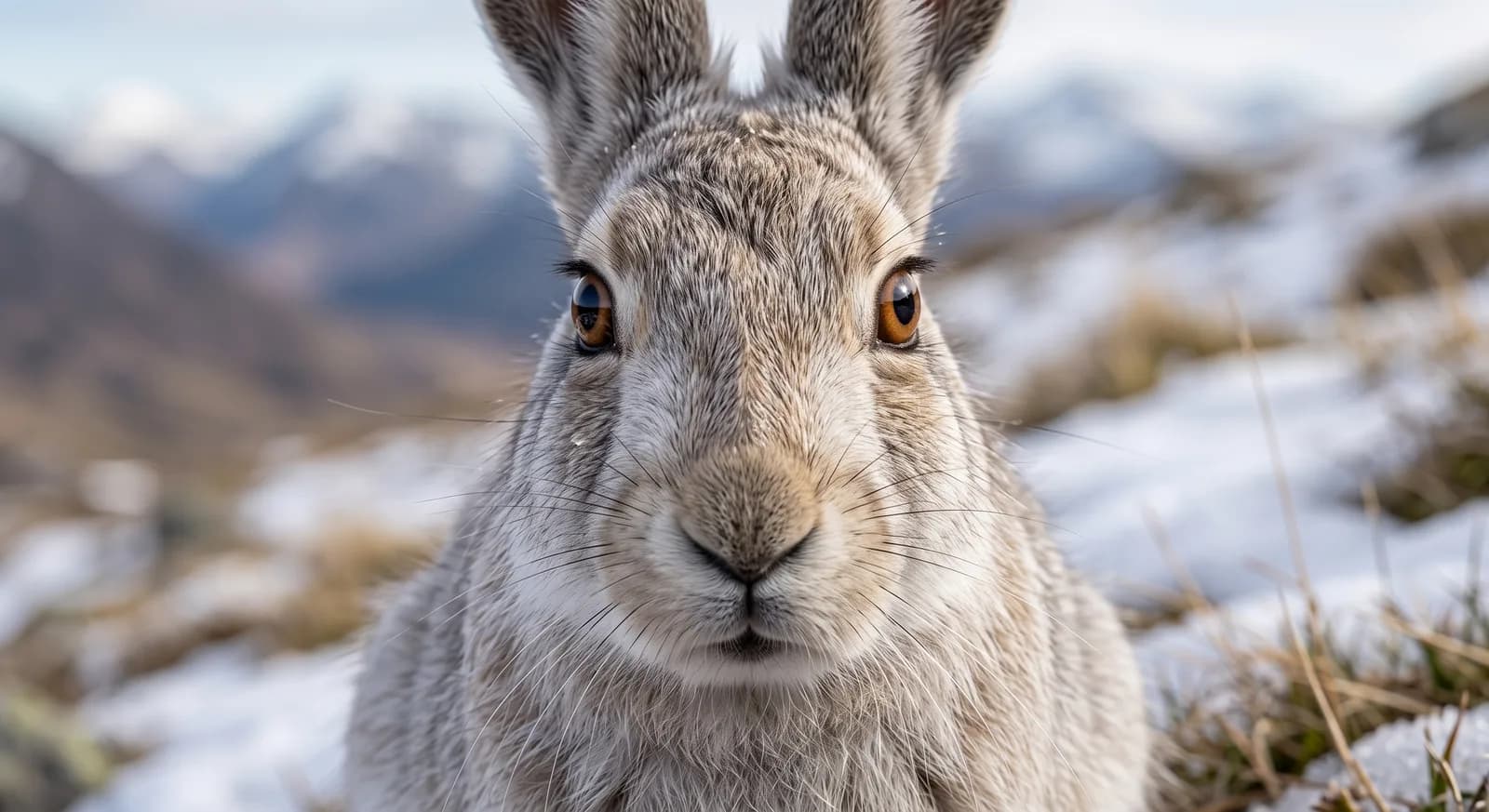 Least Concern
Mountain Hare
Lepus timidus
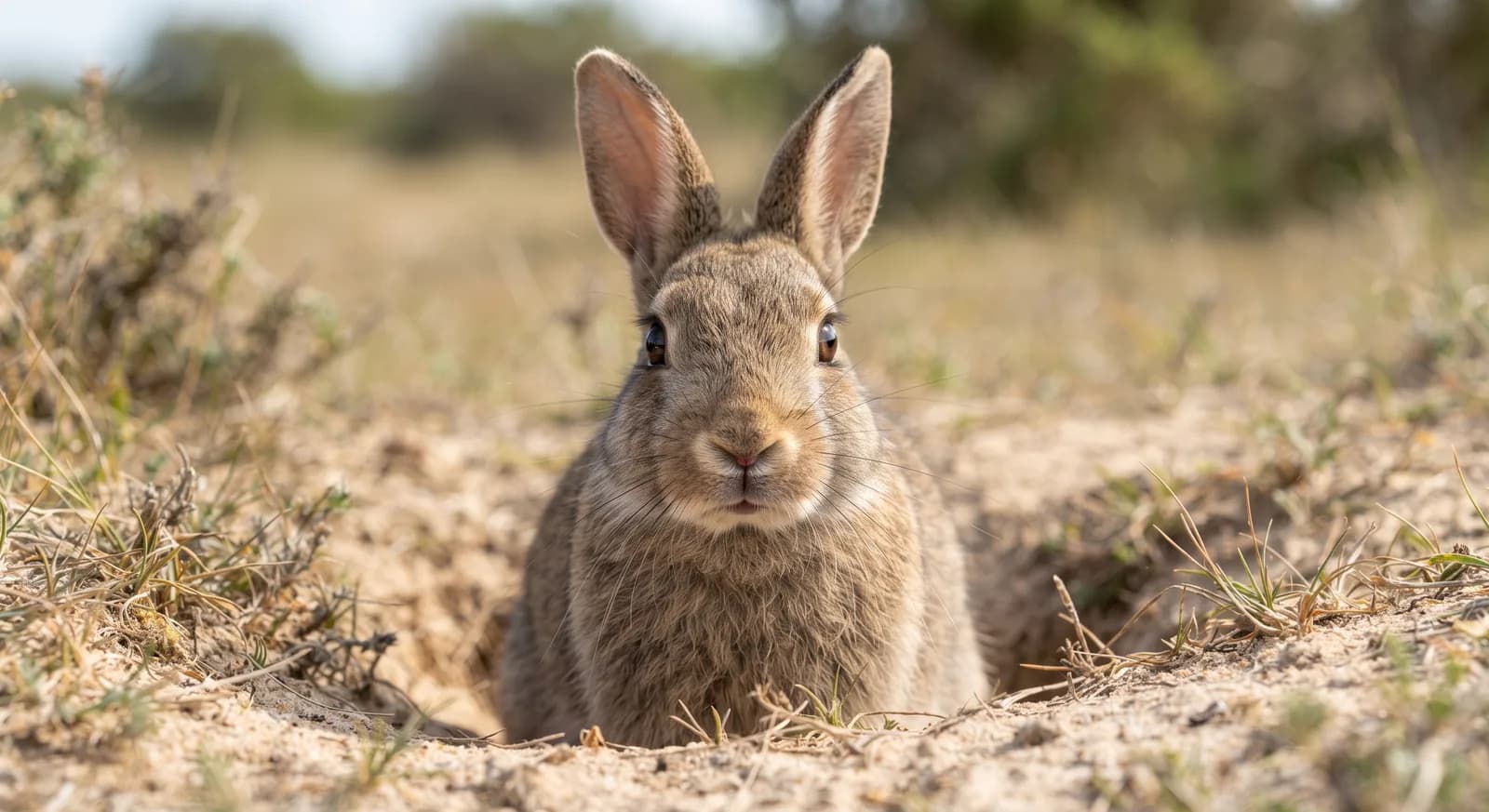 Near Threatened
European Rabbit
Oryctolagus cuniculus
Pygmy White-toothed Shrew
Suncus etruscus
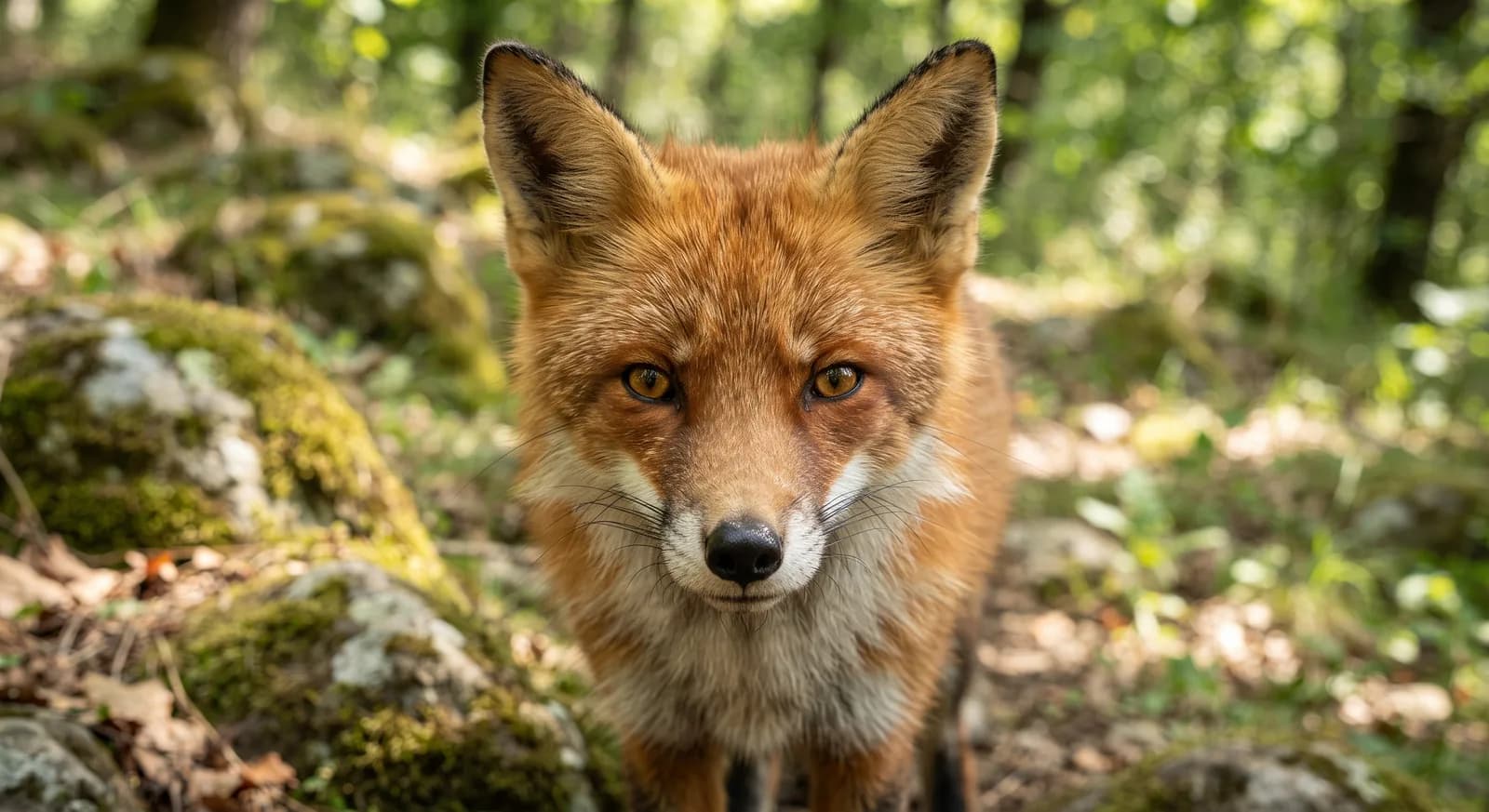 Least Concern
Red Fox
Vulpes vulpes
North African Hedgehog
Atelerix algirus
Keep exploring
Based on what we already know about european hare.
Comments
Share an experience, a fun fact or a tip for seeing the european hare.
Be the first to comment.