One of the 8 hares on WAnimals
Mammals · Lagomorpha · Leporidae
Iberian Hare
Lepus granatensis
The species is abundant and widely distributed; it faces no significant short-term risk. See full glossary
The Iberian hare is a lagomorph mammal endemic to the Iberian Peninsula. This species tends to be confused with rabbits. It is medium-sized: it measures between 44 and 50 cm and has elongated claws and dense fur covering its toes. It is a herbivorous and nocturnal species. A female may give birth to one or two leverets in her first litter. It can adapt to any kind of country. Its ears are longer than a rabbit's and can measure from 9.3 to 10.5 cm. It normally weighs from 1,500 to 2,600 g. It forms part of the diet of many predators, among them above all humans, wolves and foxes.
Weight
1.7 kg – 2.6 kg
Size
44 cm – 50 cm
Lifespan
5 years
Diet
Herbivore
Feeds mainly on plants.
Activity
Nocturnal
Active mainly at night.
Social structure
Solitary
Lives and hunts alone, joining others only to breed.
Sighting difficulty
Easy
Fun facts
- GeneralEndemic to Iberia; a key prey of the Iberian lynx and the Spanish imperial eagle.
- Unlike the rabbit, its young are born furred, with their eyes open and able to move from the first day, because they have no burrow to protect them.
- It can breed practically all year round in the south of the peninsula, taking advantage of the mild winters.
Life cycle & biology
- Skeleton type
- Vertebrate - internal bony skeleton (mammal)
- Habitat & environment
- Farmland, cereal fields, Mediterranean scrub and dunes
- Sexual maturity
- 7 months
- Gestation / incubation
- 42 days
- Litter / clutch size
- 2
Sources consulted: https://es.wikipedia.org/wiki/Lepus_granatensis
Where to watch it
Parques y spots de buceo donde se ha documentado esta especie — se muestran 10 de 33 documentados.
Related species
Other species in the catalogue with the most in common with Iberian Hare — same habitat, park, country, tags or family.
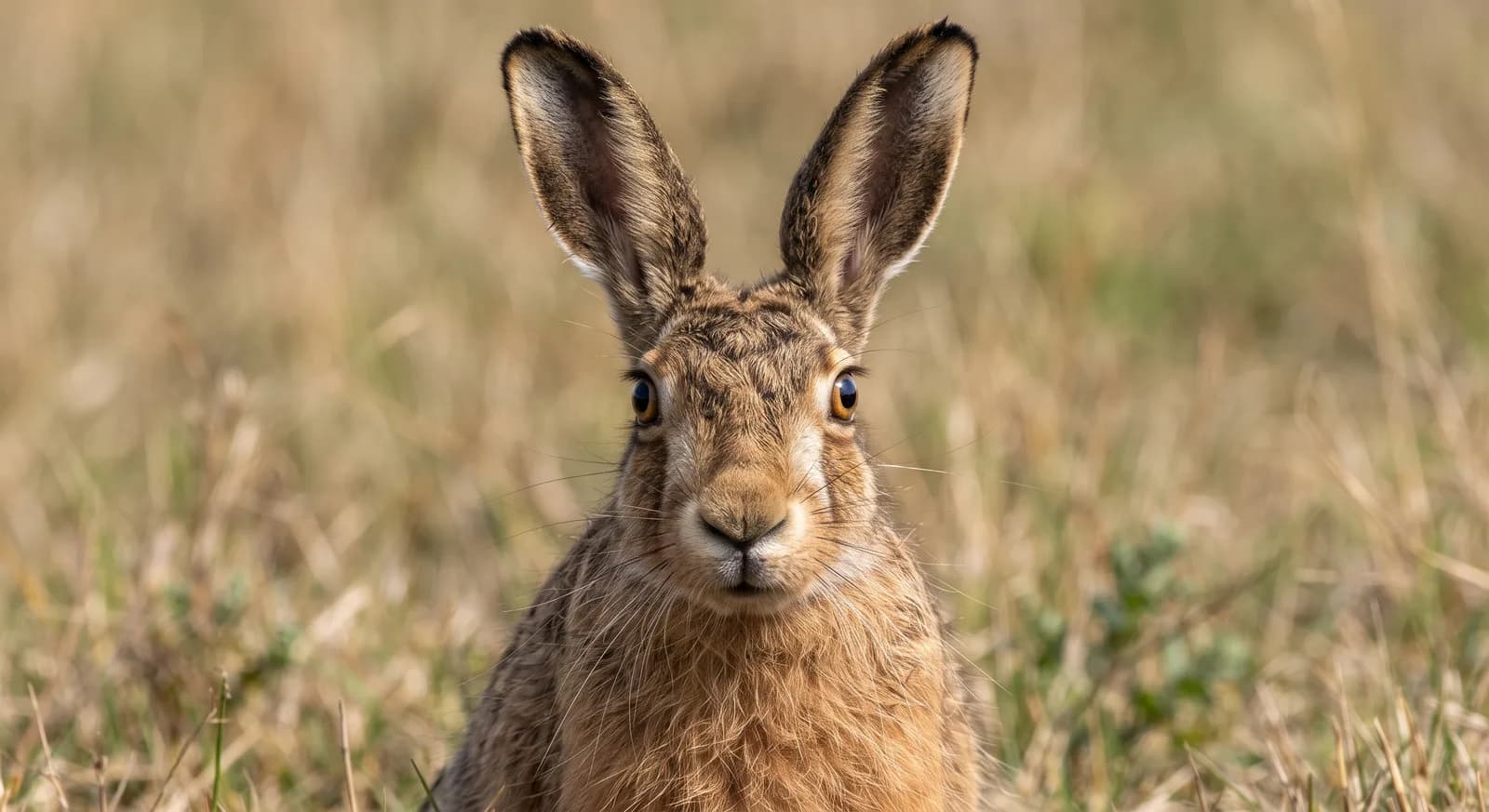 Least Concern
European Hare
Lepus europaeus
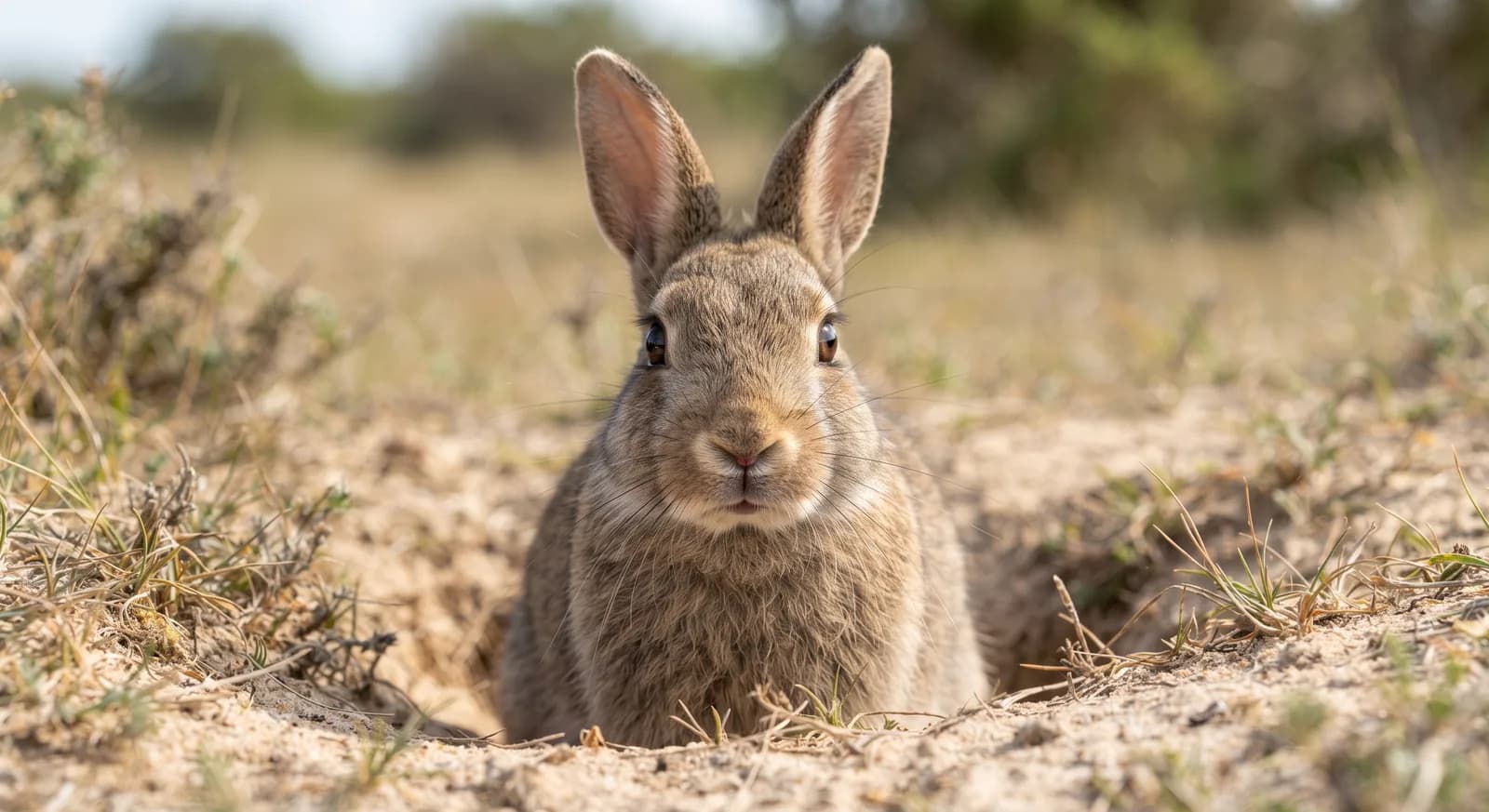 Near Threatened
European Rabbit
Oryctolagus cuniculus
Pygmy White-toothed Shrew
Suncus etruscus
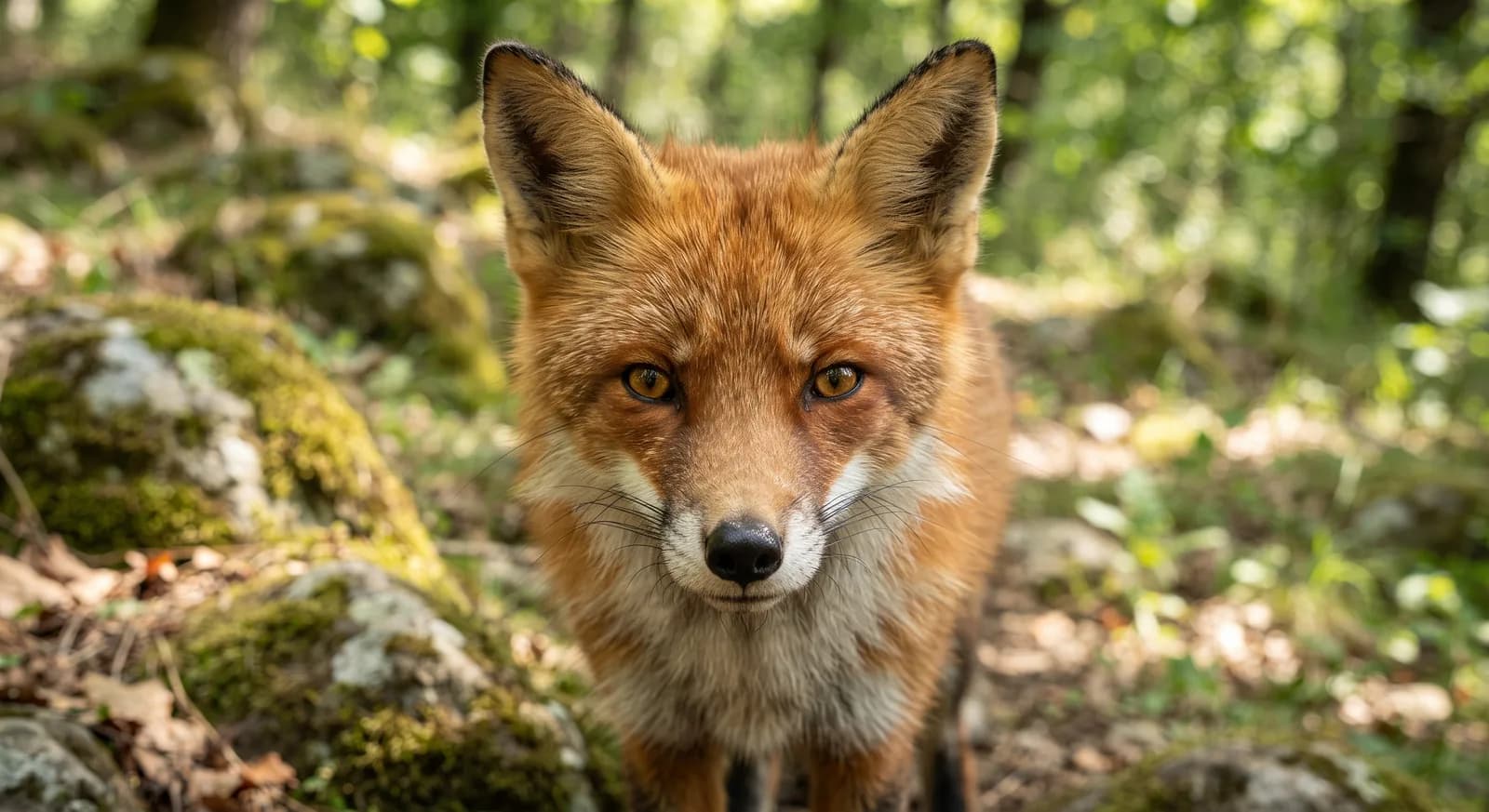 Least Concern
Red Fox
Vulpes vulpes
Common Genet
Genetta genetta
Natterjack Toad
Epidalea calamita
Keep exploring
Based on what we already know about iberian hare.
Comments
Share an experience, a fun fact or a tip for seeing the iberian hare.
Be the first to comment.