Sagarmatha
Nepal · South Asia (Himalaya)It protects Mount Everest, the highest mountain on Earth
Area
1,148 km²
Declared in
1976
Region
South Asia (Himalaya)
Climate
Tropical, Templado, Polar / frío, Montañoso
Best time
October to December
Highlight
It protects Mount Everest, the highest mountain on Earth
Declared in 1976, its Nepali name — Sagarmatha, forehead of the sky — is the name of Everest, the highest mountain on Earth (8,849 m), which dominates the park alongside seven other peaks above 7,000 metres. It was the first national park in the Himalaya, and its management actively involves the Sherpa communities, whose Buddhist villages and monasteries such as Tengboche lie within the park's own boundaries, an unusual arrangement among high-mountain protected areas. The pressure of mountaineering tourism — several hundred Everest expeditions each season — has for years fuelled debate over the rubbish and human waste piling up at the base camps, which has prompted periodic high-altitude clean-up campaigns.
Location
See on the interactive map14 species documented in Sagarmatha
At conservation risk:Leopardo de las nieves,Panda rojo,Ciervo almizclero del Himalaya
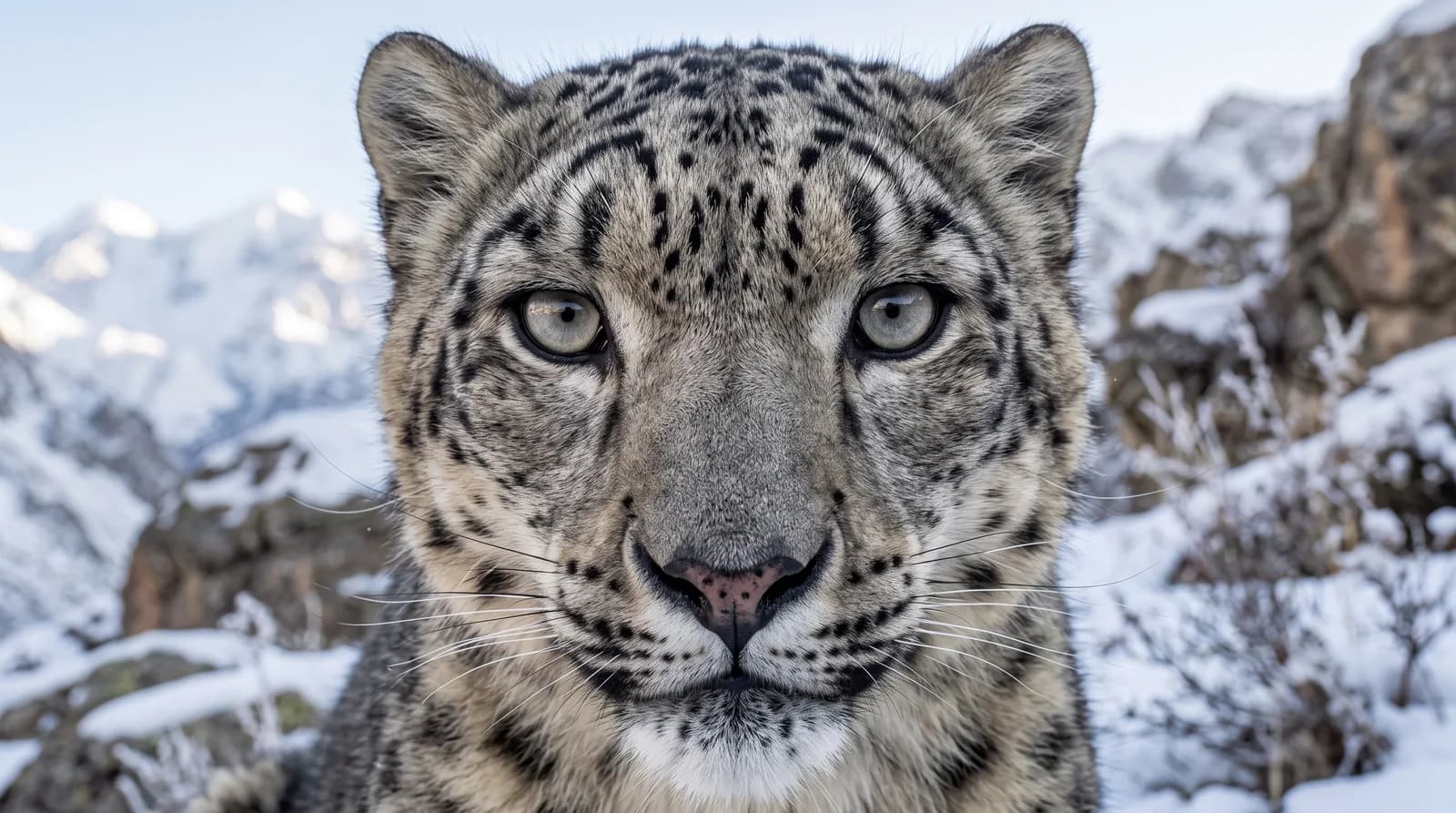 Vulnerable
Leopardo de las nieves
Panthera uncia
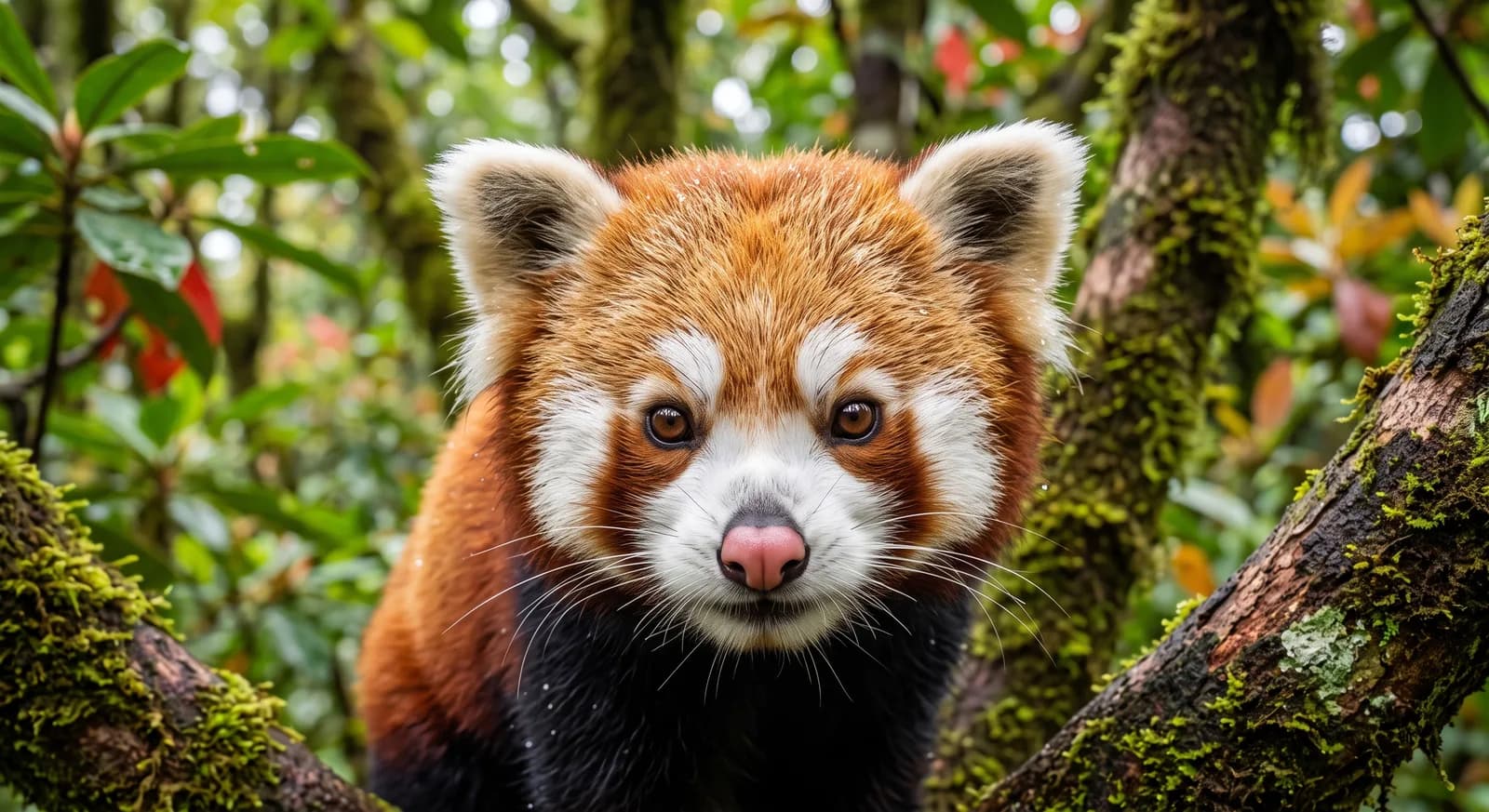 Endangered
Panda rojo
Ailurus fulgens
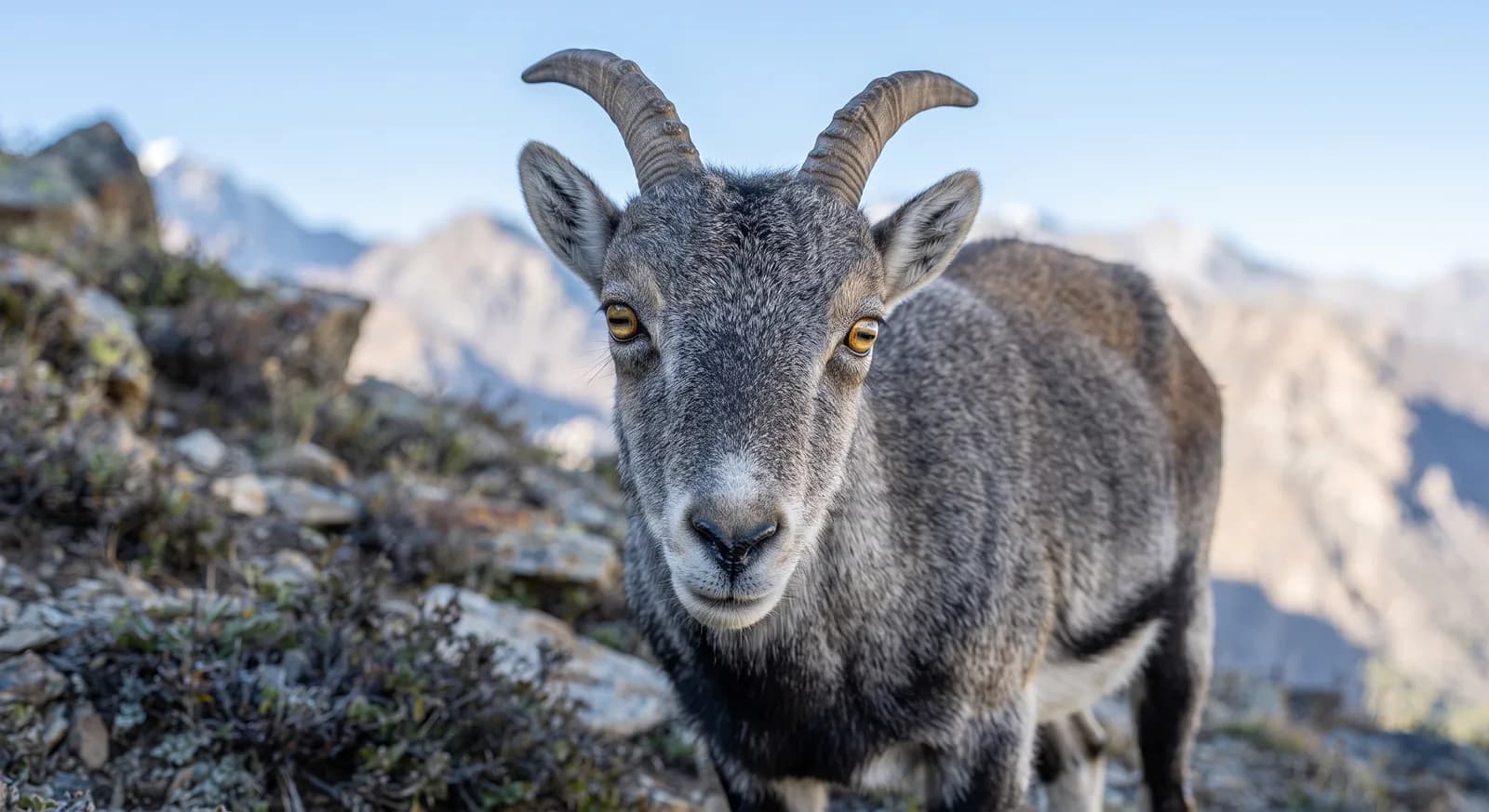 Least Concern
Bharal (oveja azul del Himalaya)
Pseudois nayaur
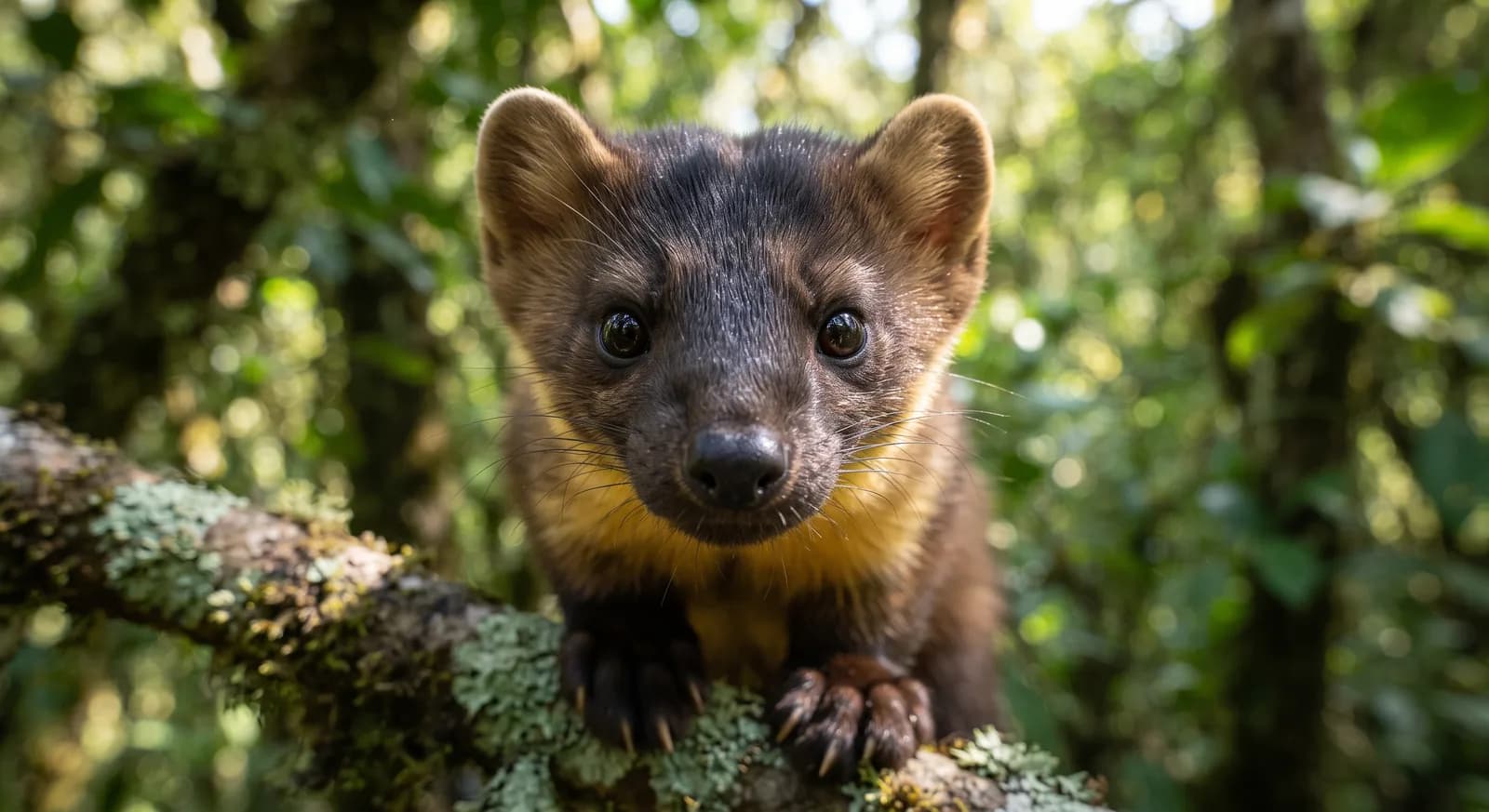 Least Concern
Marta de garganta amarilla
Martes flavigula
Quebrantahuesos
Gypaetus barbatus
 Least Concern
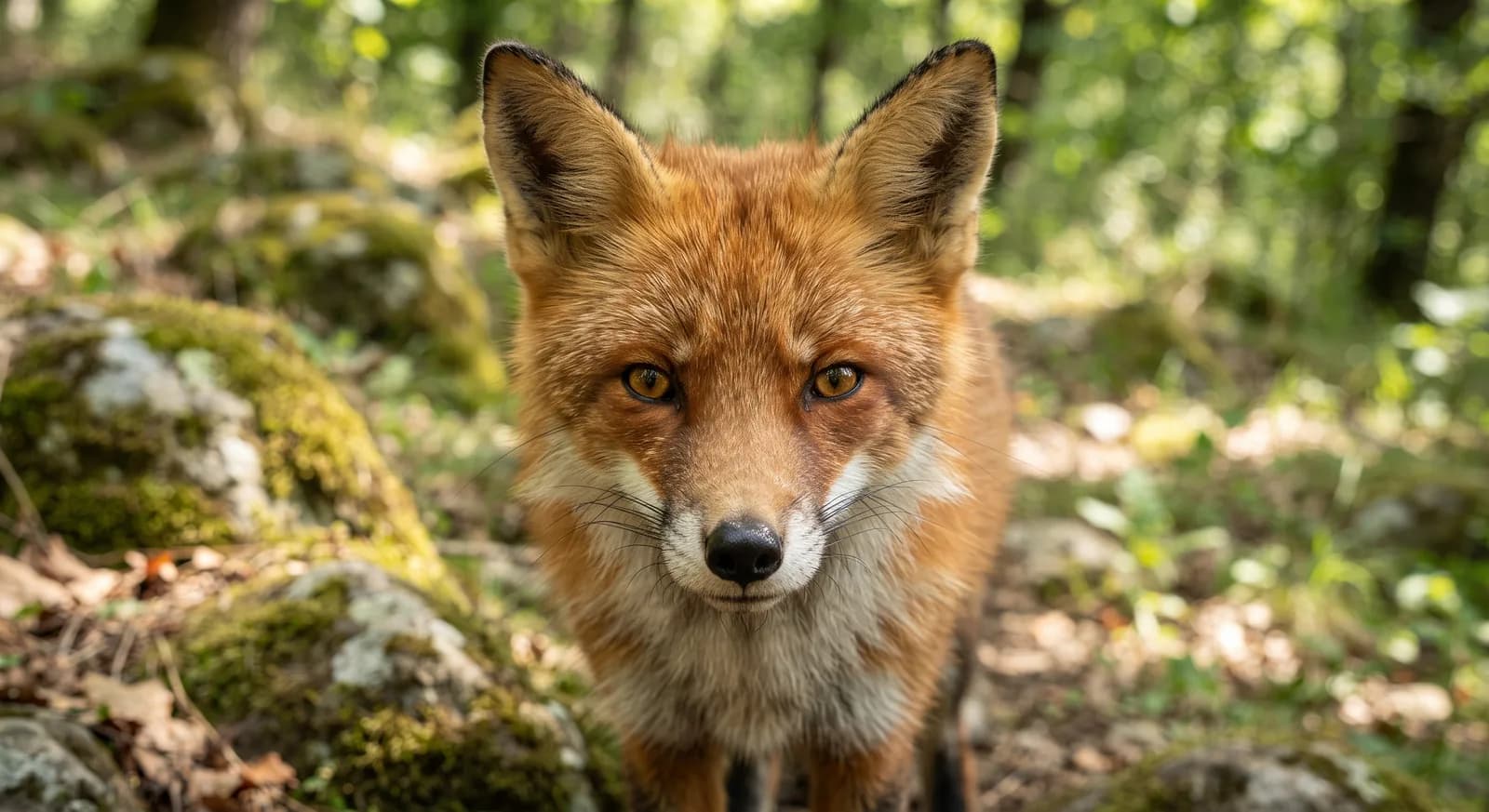
Zorro rojo
Vulpes vulpes
 Endangered
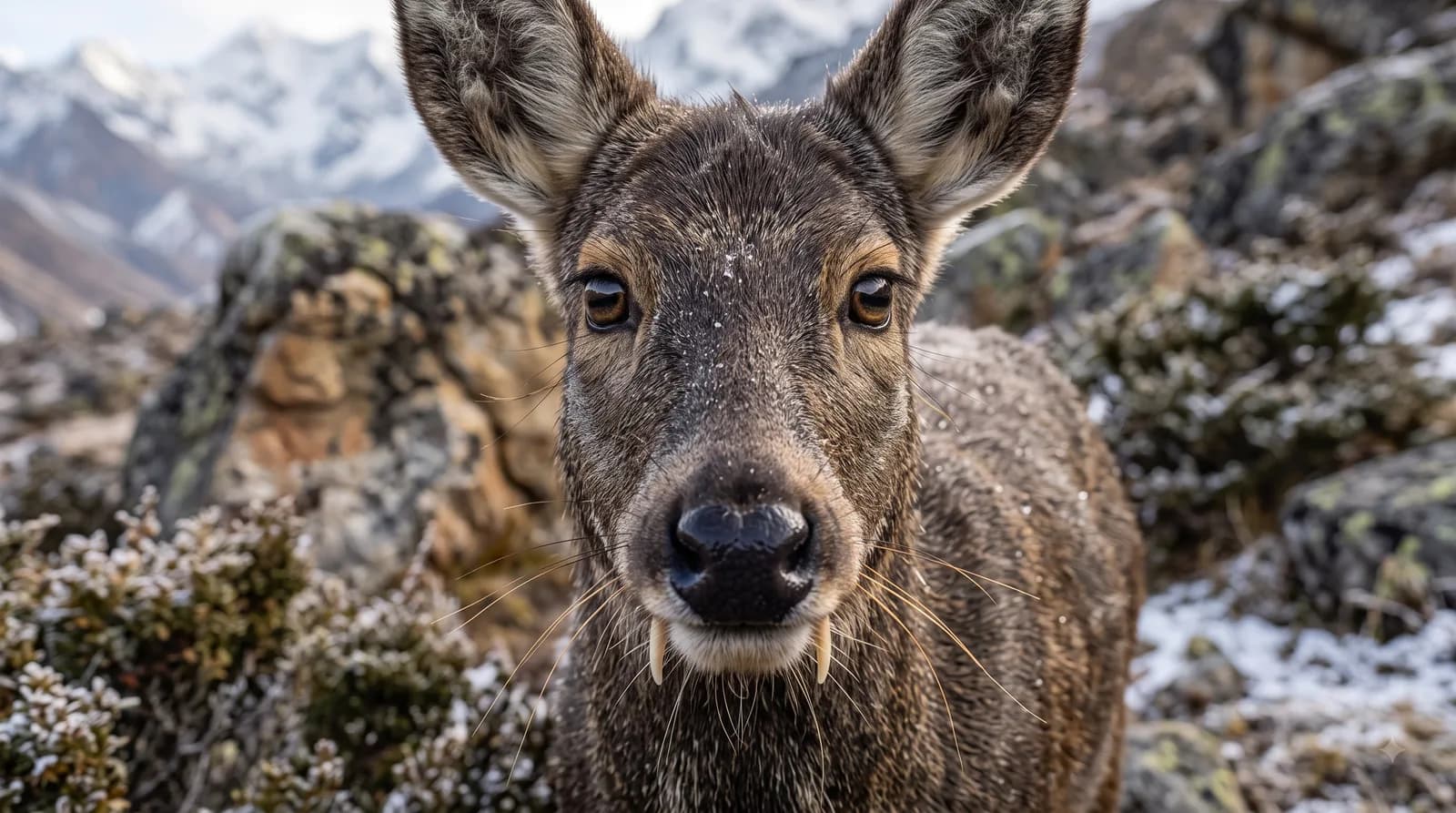
Ciervo almizclero del Himalaya
Moschus chrysogaster
Ánsar indio
Anser indicus
 Least Concern
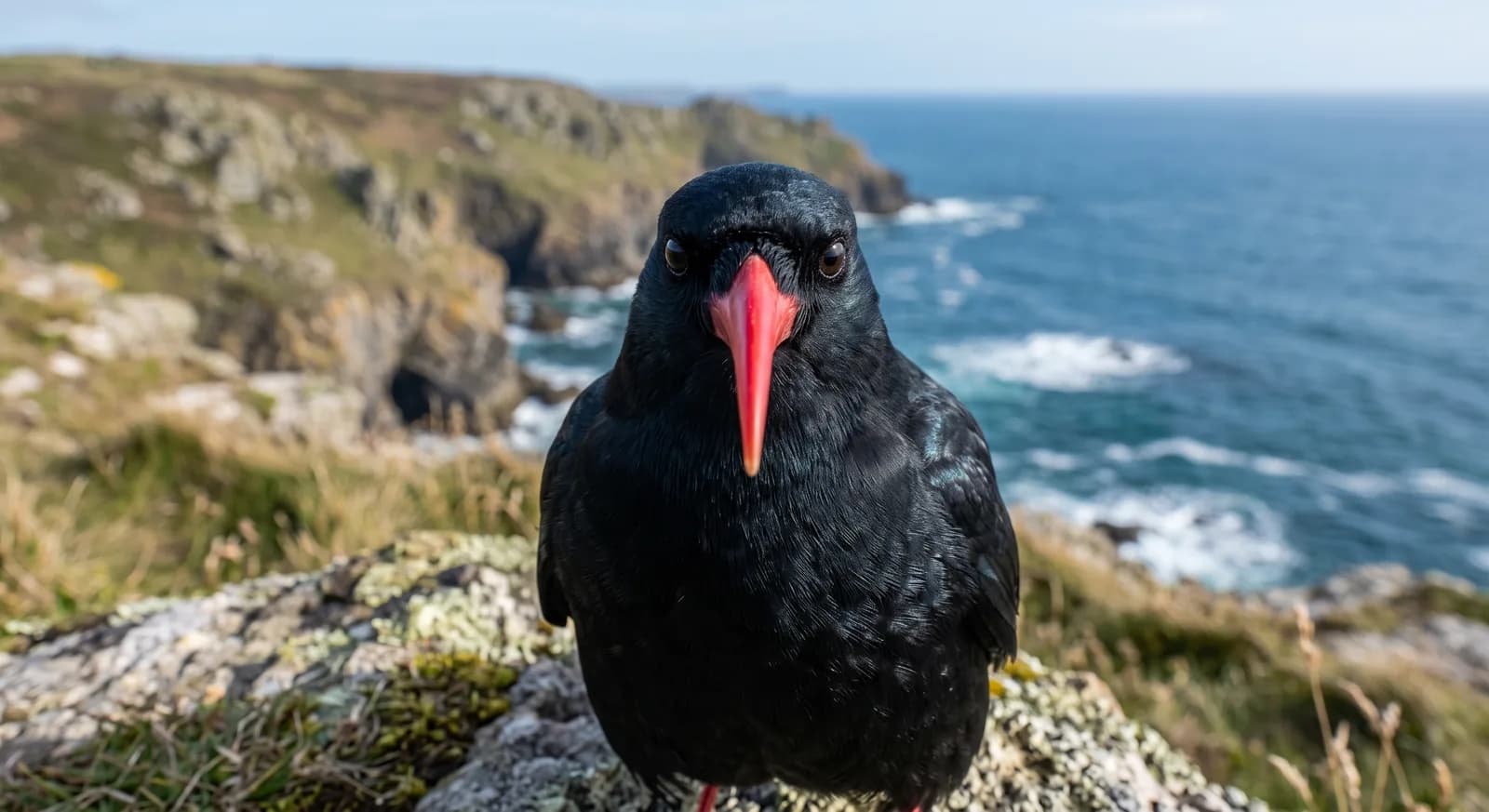
Chova piquirroja
Pyrrhocorax pyrrhocorax
Goral del Himalaya
Naemorhedus goral
Kiang
Equus kiang
Marmota del Himalaya
Marmota himalayana
Flora and ecosystems
Ecosystems found in Nepal, where Sagarmatha lies.
Experiences in this park
Similar parks
Which other parks are like this one?
Keep exploring
Based on what we already know about Sagarmatha.
Your rating
How many stars would you give Sagarmatha?
Comments
Share your experience visiting Sagarmatha, or a tip for other travellers.
Be the first to comment.