Mammals · Perissodactyla · Equidae
Kiang
Equus kiang
The species is abundant and widely distributed; it faces no significant short-term risk. See full glossary
The kiang is the largest of the wild asses and a characteristic inhabitant of the Tibetan plateau. It has a reddish chestnut coat with white belly and legs, a large head and a dark, erect mane. It grazes tough high-altitude grasses and makes seasonal movements following the growth of the pasture. It forms herds of females and young led by an experienced mare, while adult males are solitary or form separate groups. Its main pressure today is competition with domestic livestock.
Weight
250 kg – 400 kg
Size
1.8 m – 2.2 m
Lifespan
20 years
Diet
Herbivore
Feeds mainly on plants.
Activity
Nocturnal
Active mainly at night.
Sighting difficulty
Easy
Fun facts
- GeneralThe largest wild ass; it forms herds that run in tight formation.
- It is the largest wild ass in the world and one of the highest-living large mammals: it is regularly seen grazing above 5,000 metres.
- It swims well and crosses the plateau's glacial rivers without hesitation, even in the strong current of the thaw, which is uncommon among horses and asses.
Life cycle & biology
- Skeleton type
- Vertebrate - internal bony skeleton (mammal)
- Habitat & environment
- Alpine steppe and grassland of the Tibetan Plateau, between 2,700 and 5,400 metres in altitude
- Sexual maturity
- 2.7 years
- Gestation / incubation
- 9.8 months
- Litter / clutch size
- 1
Sources consulted: https://es.wikipedia.org/wiki/Equus_kiang
Where to find it
See its range on the interactive mapWhere to watch it
Parks and dive sites where this species has been documented.
Related species
Other species in the catalogue with the most in common with Kiang — same habitat, park, country, tags or family.
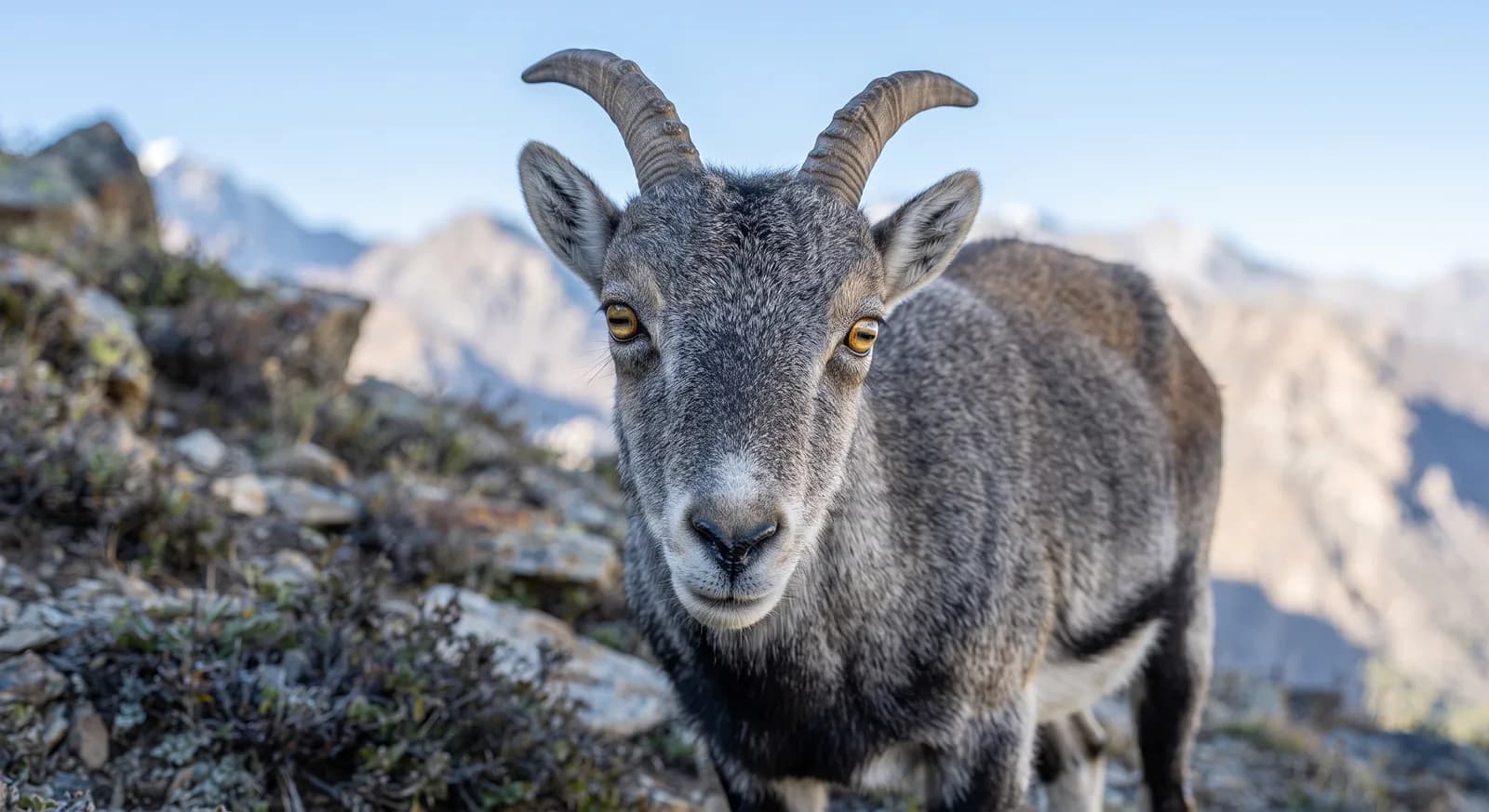 Least Concern
Blue Sheep
Pseudois nayaur
Tibetan Fox
Vulpes ferrilata
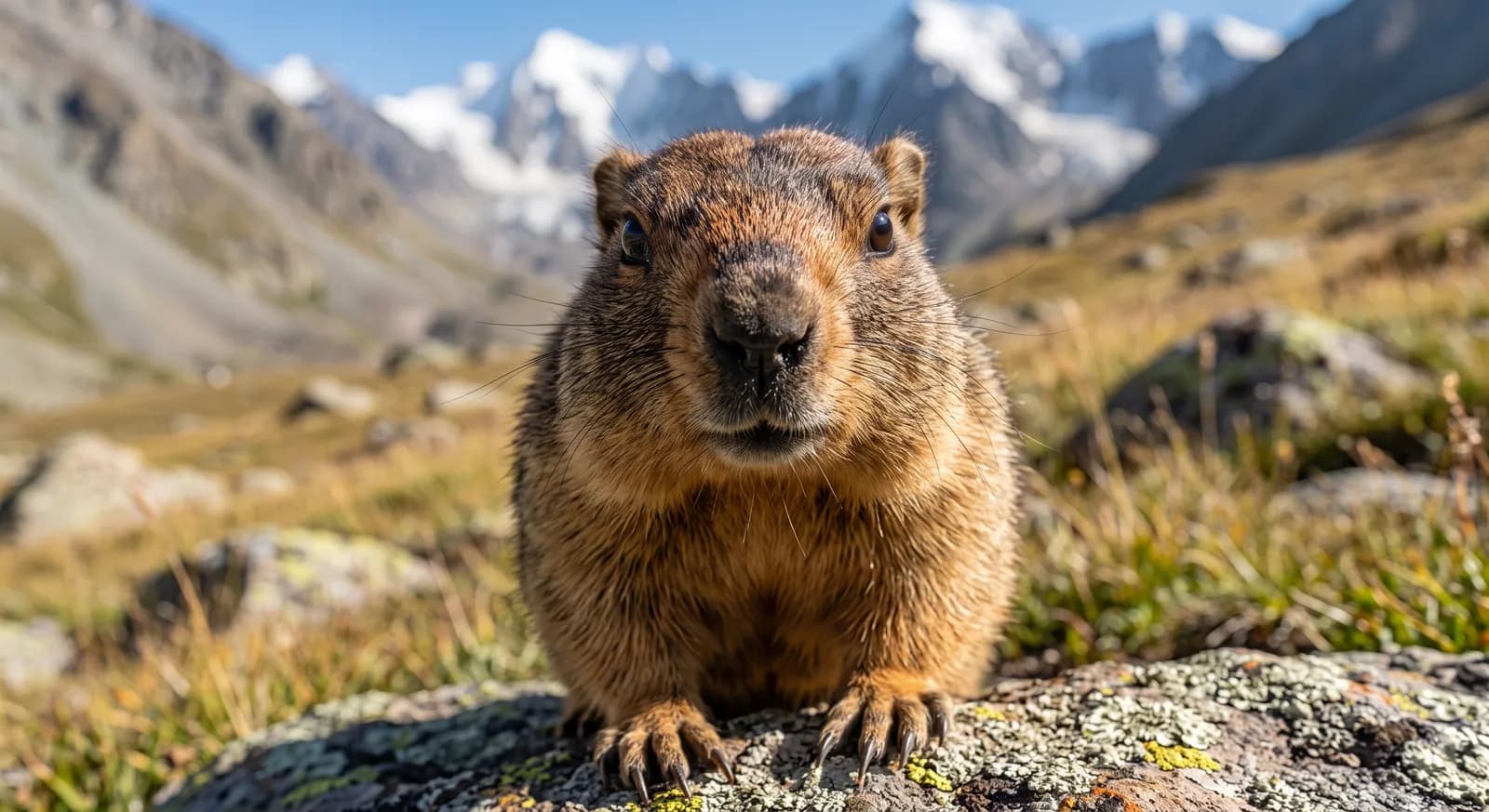 Least Concern
Long-tailed Marmot
Marmota caudata
Himalayan Marmot
Marmota himalayana
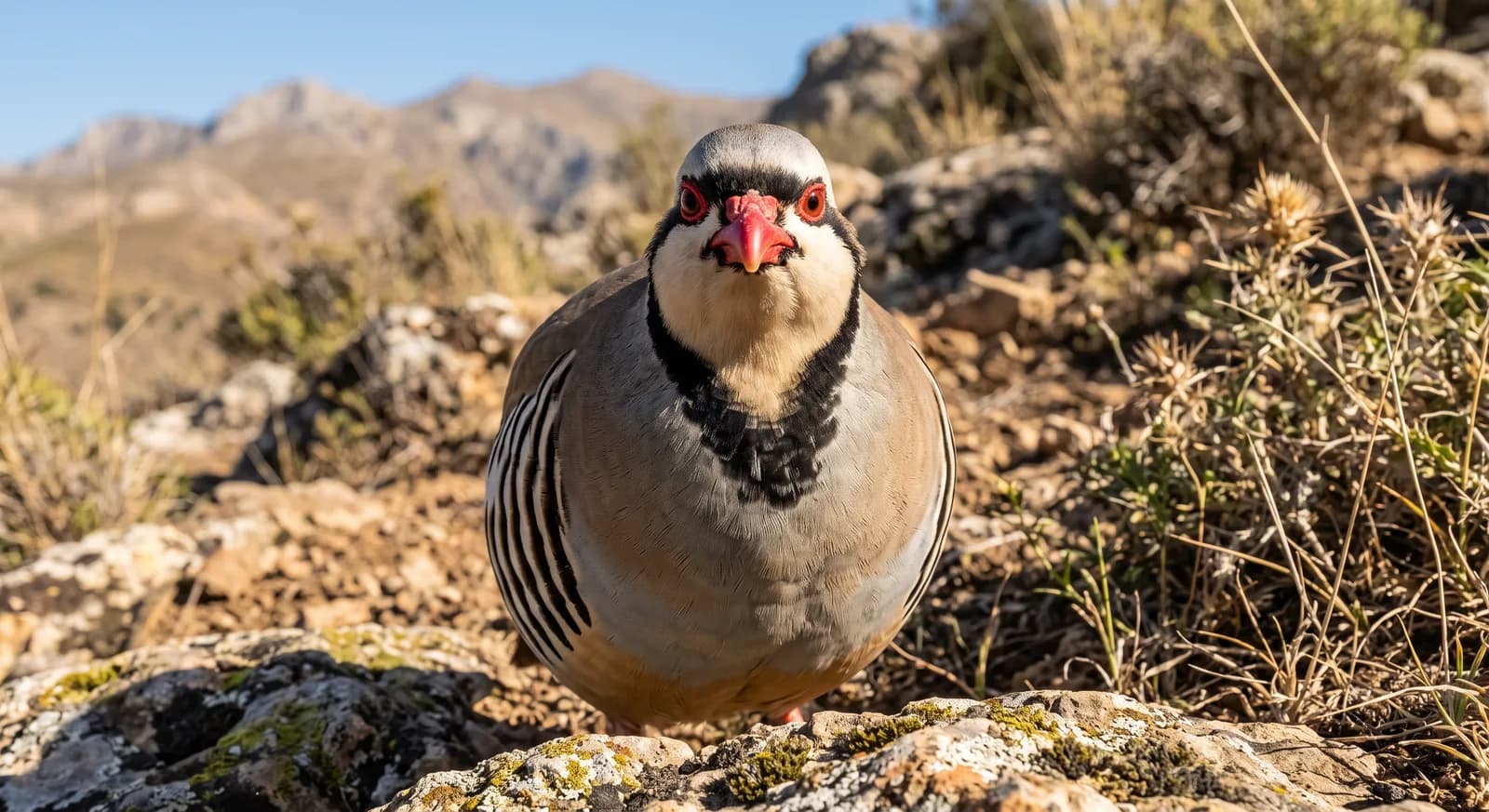 Least Concern
Chukar
Alectoris chukar
Takhi
Equus przewalskii
Keep exploring
Based on what we already know about kiang.
Comments
Share an experience, a fun fact or a tip for seeing the kiang.
Be the first to comment.