One of the 8 marmots on WAnimals
Mammals · Rodentia · Sciuridae
Long-tailed Marmot
Marmota caudata
The species is abundant and widely distributed; it faces no significant short-term risk. See full glossary
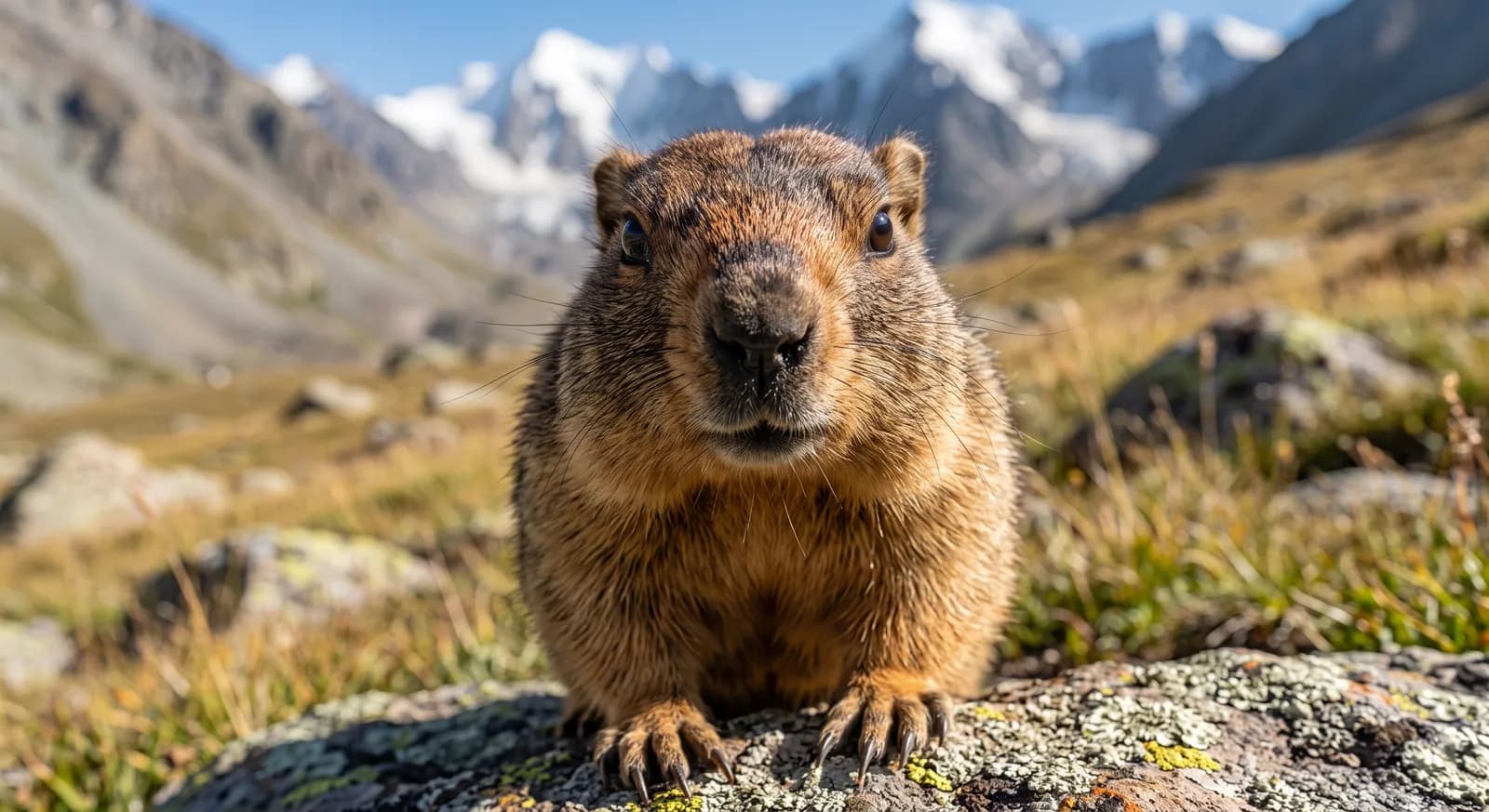
The long-tailed marmot is a mountain rodent of the Pamirs, the Tian Shan, the Karakoram and the western Himalaya. It lives in family colonies that dig complex tunnel systems in the alpine meadows, with deep hibernation burrows where the group spends the long winters together. It feeds on grasses and flowers and lays down fat during the short mountain summer. Its very high-pitched alarm whistles warn the whole colony of the presence of golden eagles or foxes.
Weight
4 kg – 8 kg
Size
45 cm – 60 cm
Lifespan
15 years
Diet
Herbivore
Feeds mainly on plants.
Activity
Diurnal
Active mainly during the day.
Social structure
Colony
Lives in large concentrations, often for breeding reasons.
Sighting difficulty
Easy
Fun facts
- It has the longest tail of any marmot, up to 28 centimetres, almost half its body length.
- It can hibernate for up to eight months a year, emerging from the burrow only when the snow clears from the alpine meadows.
Life cycle & biology
- Skeleton type
- Vertebrate - internal bony skeleton (mammal)
- Habitat & environment
- Alpine meadows, scree and grassy slopes of the Himalaya and Central Asia, up to 4,800 m
- Sexual maturity
- 2 years
- Gestation / incubation
- 30 days
- Litter / clutch size
- 4
Sources consulted: https://es.wikipedia.org/wiki/Marmota_caudata
Where to find it
See its range on the interactive mapWhere to watch it
Parks and dive sites where this species has been documented.
Related species
Other species in the catalogue with the most in common with Long-tailed Marmot — same habitat, park, country, tags or family.
Himalayan Marmot
Marmota himalayana
Pallas's Squirrel
Callosciurus erythraeus
Tibetan Fox
Vulpes ferrilata
Kiang
Equus kiang
 Least Concern
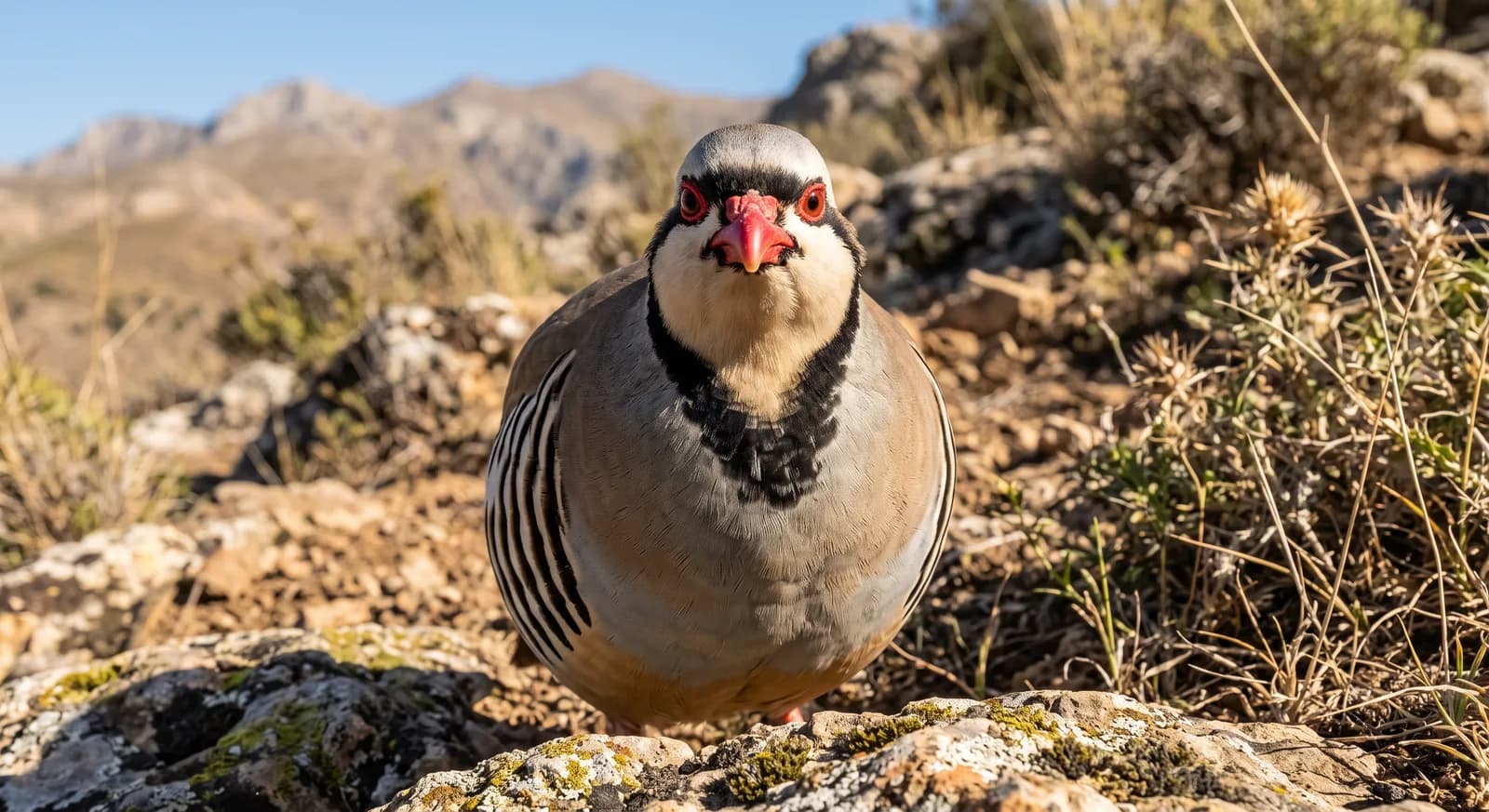
Chukar
Alectoris chukar
Menzbier's Marmot
Marmota menzbieri
Keep exploring
Based on what we already know about long-tailed marmot.
Comments
Share an experience, a fun fact or a tip for seeing the long-tailed marmot.
Be the first to comment.