One of the 8 marmots on WAnimals
Mammals · Rodentia · Sciuridae
Himalayan Marmot
Marmota himalayana
The species is abundant and widely distributed; it faces no significant short-term risk. See full glossary
The Himalayan marmot is one of the highest-living mammals in the world: it occupies alpine meadows in Tibet, Nepal, India and Pakistan above 3,500 metres and reaches beyond 5,000. It lives in family colonies that dig deep burrows and share a system of alarm whistles. It spends between six and eight months hibernating in chambers sealed with earth and stones, emerging only when the snow frees the pasture. It is important prey for the Tibetan wolf and the snow leopard.
Weight
4 kg – 9.2 kg
Size
45 cm – 67 cm
Lifespan
15 years
Diet
Herbivore
Feeds mainly on plants.
Activity
Diurnal
Active mainly during the day.
Social structure
Colony
Lives in large concentrations, often for breeding reasons.
Sighting difficulty
Easy
Fun facts
- It hibernates as a group, huddled in a sealed chamber, and over those months its body temperature and heart rate fall drastically so as to burn as little of its reserves as possible.
- Its colonies are highly visible on the Tibetan uplands, where the animals stand up on their hind legs like sentries beside the burrow mouths.
Life cycle & biology
- Skeleton type
- Vertebrate - internal bony skeleton (mammal)
- Habitat & environment
- Alpine meadows and high-altitude steppe of the Himalaya and the Tibetan plateau, to over 5,000 m
- Sexual maturity
- 2 years
- Gestation / incubation
- 30 days
- Litter / clutch size
- 4
Sources consulted: https://es.wikipedia.org/wiki/Marmota_himalayana
Where to find it
See its range on the interactive mapWhere to watch it
Parques y spots de buceo donde se ha documentado esta especie — se muestran 10 de 14 documentados.
Related species
Other species in the catalogue with the most in common with Himalayan Marmot — same habitat, park, country, tags or family.
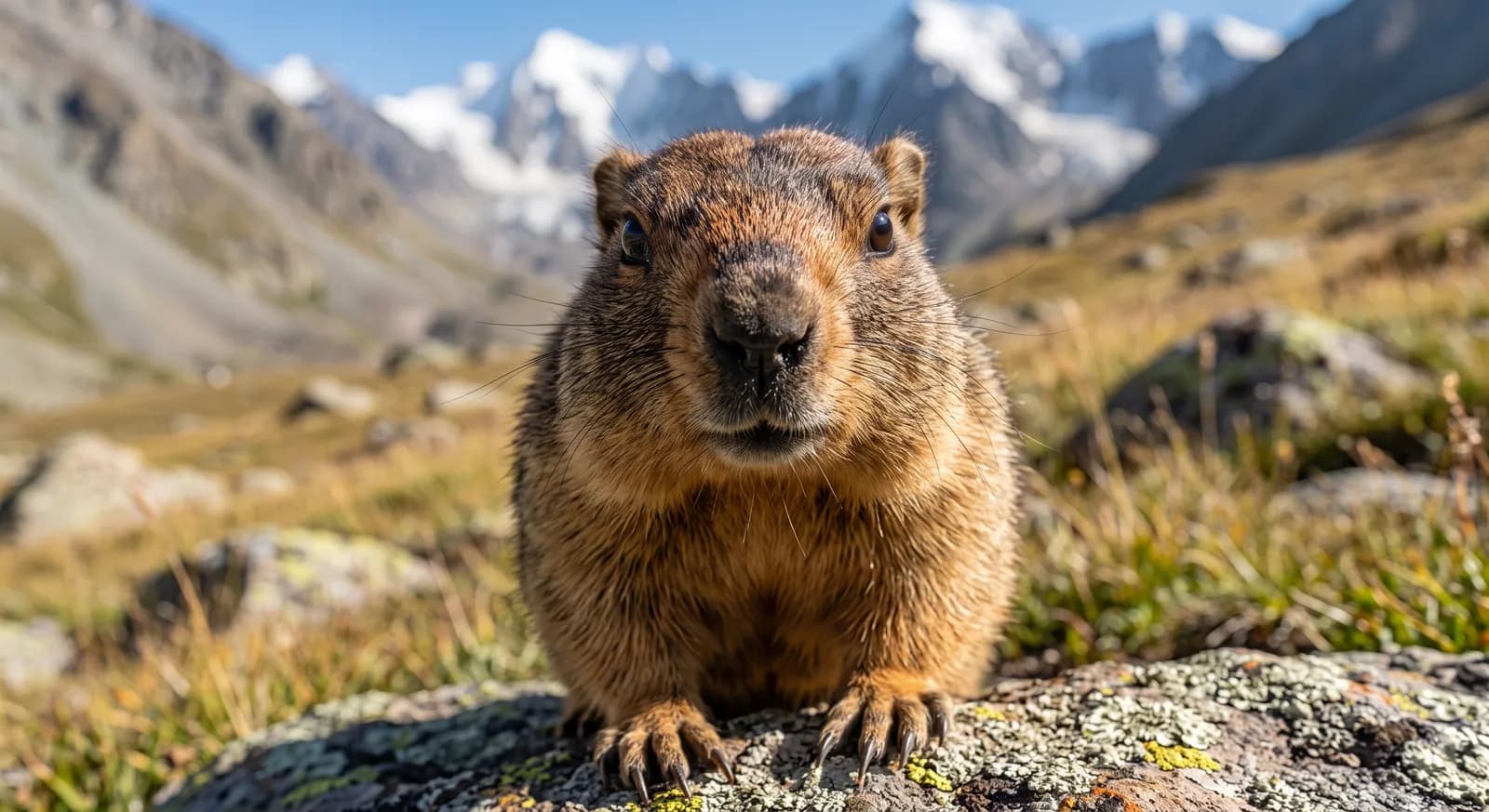 Least Concern
Long-tailed Marmot
Marmota caudata
Pallas's Squirrel
Callosciurus erythraeus
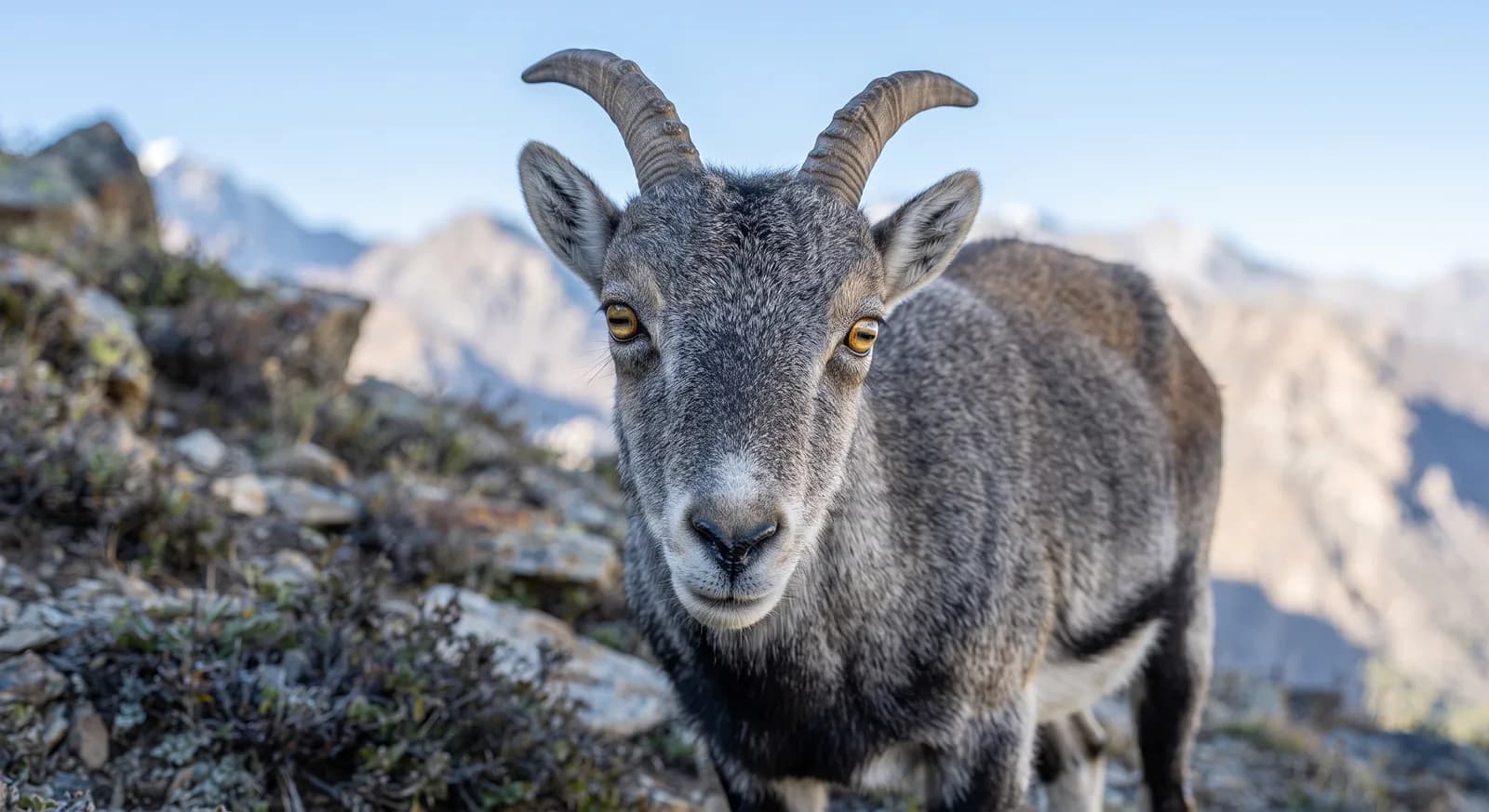 Least Concern
Blue Sheep
Pseudois nayaur
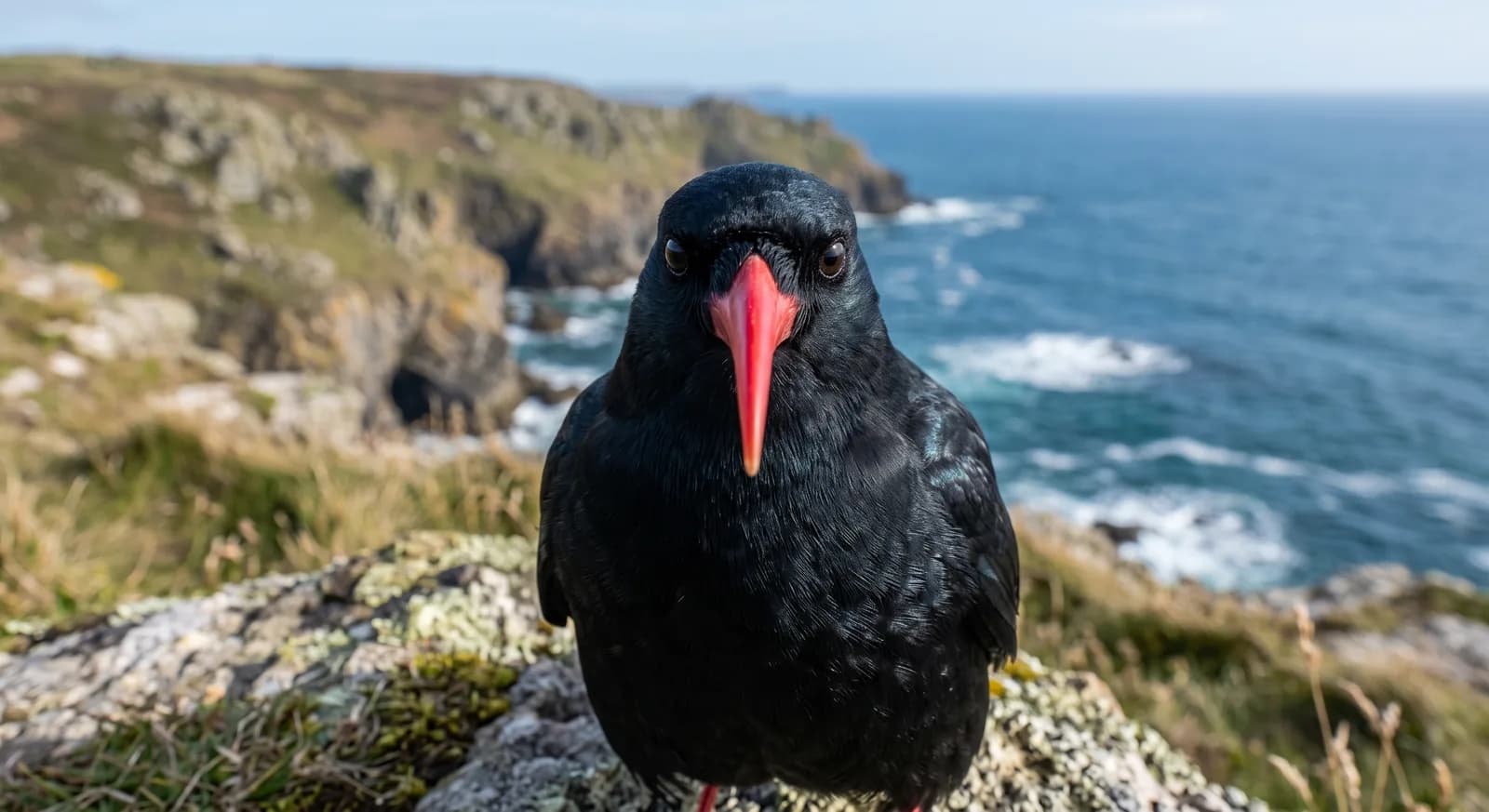 Least Concern
Red-billed Chough
Pyrrhocorax pyrrhocorax
Tibetan Fox
Vulpes ferrilata
Kiang
Equus kiang
Keep exploring
Based on what we already know about himalayan marmot.
Comments
Share an experience, a fun fact or a tip for seeing the himalayan marmot.
Be the first to comment.