One of the 2 horses on WAnimals
Mammals · Perissodactyla · Equidae
Takhi
Equus przewalskii
It faces a very high risk of extinction in the wild in the near future. See full glossary
It is the only truly wild horse left in the world, never successfully domesticated, unlike the American mustang, which descends from feral domestic horses. It died out in the wild in 1969 and was reintroduced to Mongolia from the 1990s.
Weight
200 kg – 360 kg
Size
2.1 m on average
Lifespan
22 years
Diet
Herbivore
Feeds mainly on plants.
Activity
Diurnal
Active mainly during the day.
Social structure
Herd
Lives in large groups as a strategy against predators.
Sighting difficulty
Hard
Estimated population
More than 2,000 animals in all, of which several hundred now live free in Mongolia and China following the reintroductions.
Fun facts
- It is the only truly wild horse in the world, never successfully domesticated.
- It died out in the wild in 1969, surviving only in captivity.
- It was successfully reintroduced to Mongolia from the 1990s.
- Every horse alive today descends from just 12 animals taken from the wild, after the species died out entirely in the late 1960s.
- It has been successfully reintroduced to the steppes of Mongolia since the 1990s.
- It eats grasses and steppe vegetation.
Life cycle & biology
- Skeleton type
- Vertebrate - internal bony skeleton (mammal)
- Habitat & environment
- Steppe and semi-desert of Mongolia and northern China, reintroduced after dying out in the wild in 1969
- Birth weight
- Roughly 27-32 kg (about 60-70 lb)
- Size at birth
- Able to stand and walk an hour after birth
- Sexual maturity
- Female: 3-4 years | Male: 4-5 years
- Gestation / incubation
- 11-12 months (320-350 days)
- Litter / clutch size
- 1 young per birth
- Lifespan in captivity
- Documented record of up to 25-40 years in captivity
Sources consulted: Animalia.bio; DinoAnimals; About Animals; DesertUSA; Animal Diversity Web; National Geographic; Animal Fact Guide; The Animal Facts; PMC; SDZWA Library Fact Sheet
Where to find it
See its range on the interactive mapBest time: From June to September at Hustai and Khomiin Tal, in Mongolia, when the weather allows access and the herds graze in the open.
Where to watch it
Parks and dive sites where this species has been documented.
Related species
Other species in the catalogue with the most in common with Takhi — same habitat, park, country, tags or family.
Asiatic Wild Ass
Equus hemionus
Kiang
Equus kiang
Pallas's Pika
Ochotona pallasii
 Critically Endangered
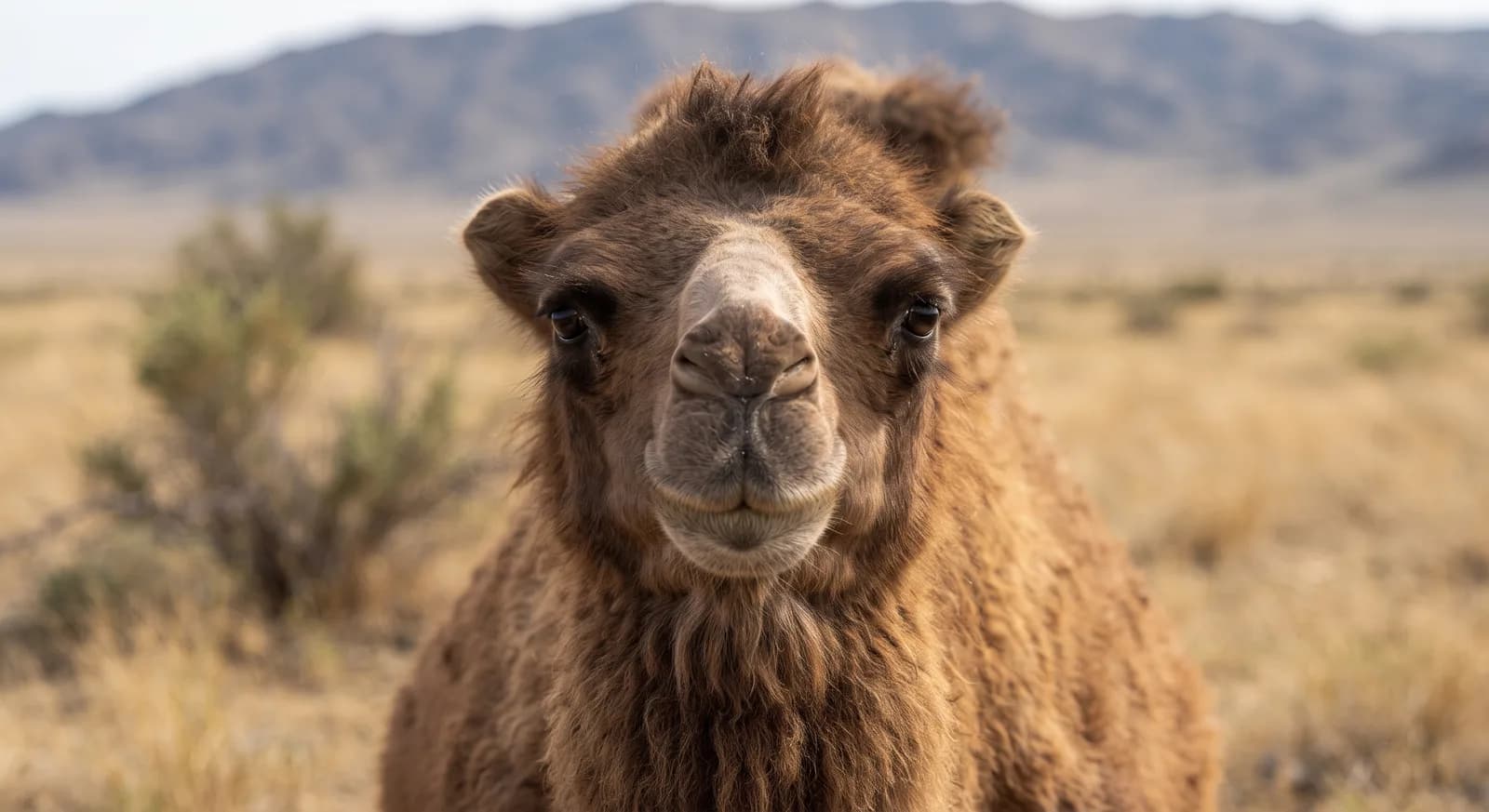
Bactrian Camel
Camelus bactrianus
Black-bellied Sandgrouse
Pterocles orientalis
 Near Threatened
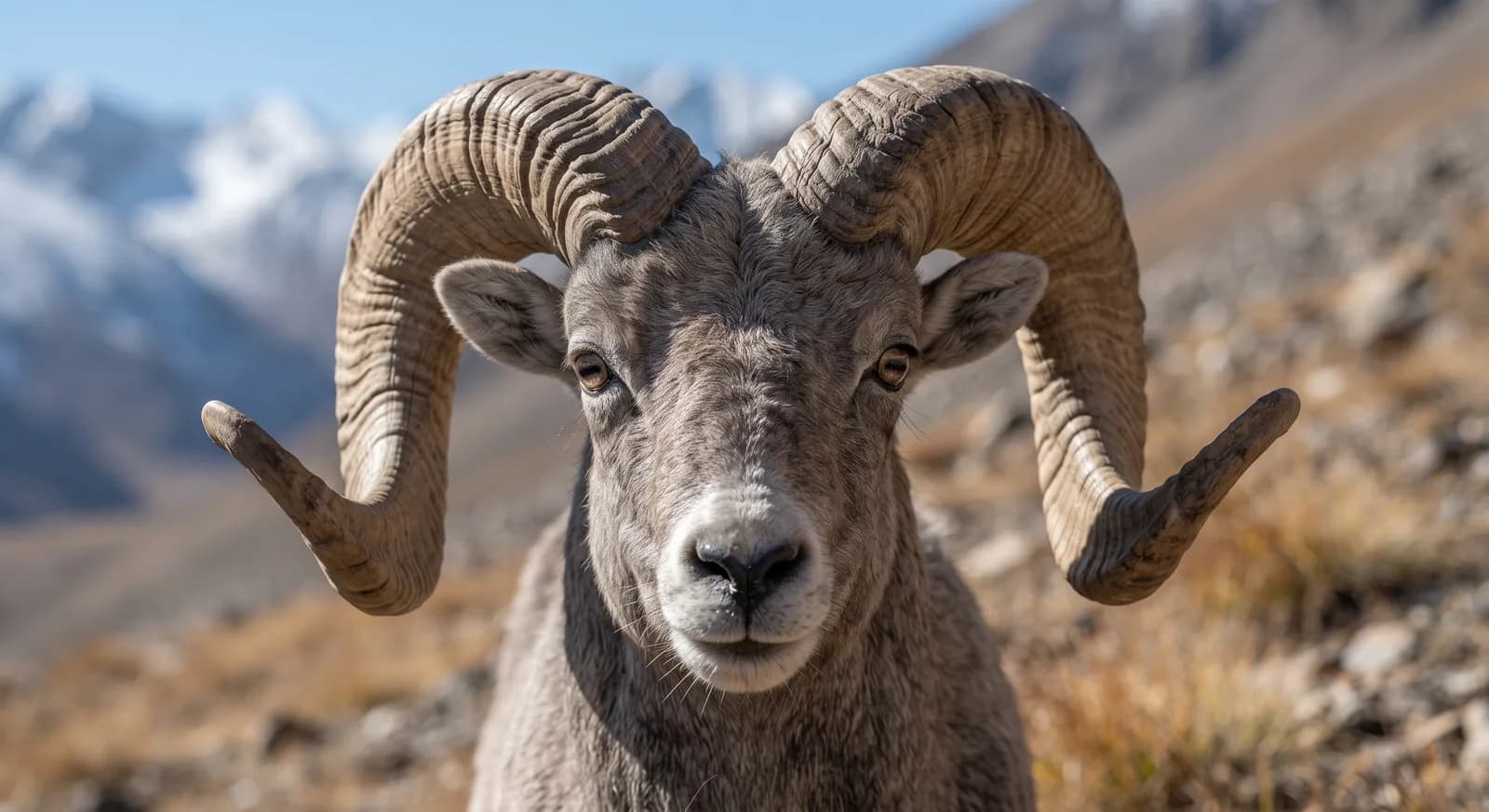
Argali
Ovis ammon
How to help
The takhi is classified as endangered. Organizations such as UICN, WWF y Wildlife Conservation Society work specifically on its conservation and that of its habitat; looking into their programs is a good starting point if you want to get involved.
It's documented in 3 real protected areas — part of why protecting these places matters for its conservation.
Keep exploring
Based on what we already know about takhi.
Comments
Share an experience, a fun fact or a tip for seeing the takhi.
Be the first to comment.