One of the 14 cats on WAnimals
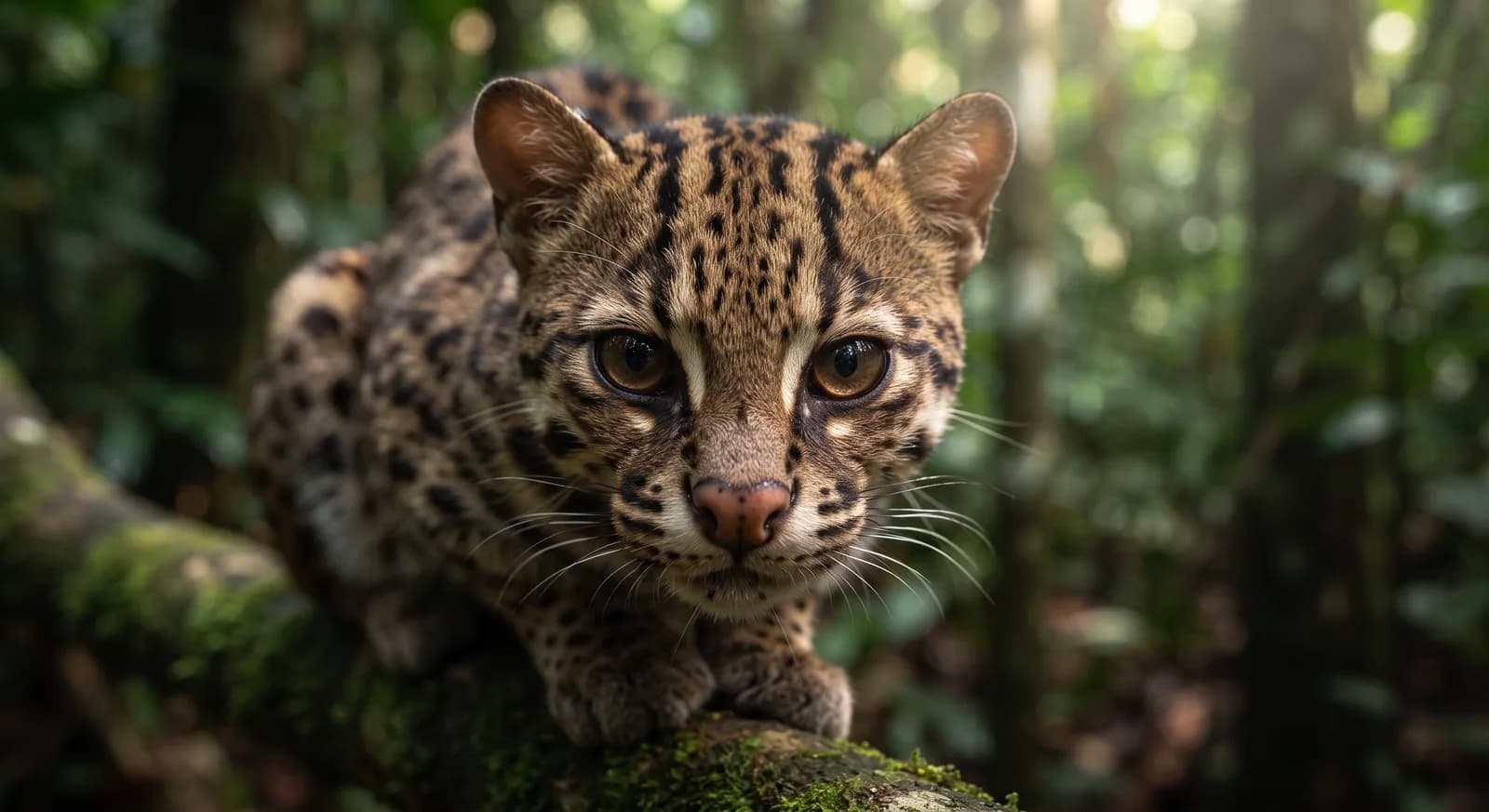
Mammals · Carnivora · Felidae
Mainland Leopard Cat
Prionailurus bengalensis
The species is abundant and widely distributed; it faces no significant short-term risk. See full glossary
It is the wild ancestor of the hybrid domestic breed known as the Bengal cat, created by crossing it with domestic cats in the mid-20th century.
Weight
1.5 kg – 7 kg
Size
45 cm – 90 cm
Lifespan
15 years
Diet
Carnivore
Feeds mainly on other animals.
Activity
Nocturnal
Active mainly at night.
Social structure
Solitary
Lives and hunts alone, joining others only to breed.
Sighting difficulty
Easy
Fun facts
- It is one of the most widely distributed wild cats in Asia.
- It eats small rodents, birds, reptiles and amphibians.
- It lives in tropical, temperate and coniferous forest across much of southern, South East and eastern Asia.
Life cycle & biology
- Skeleton type
- Vertebrate - internal bony skeleton (mammal)
- Habitat & environment
- Tropical, temperate and coniferous forest across much of southern, South East and eastern Asia
- Birth weight
- 75-130 g at birth, eyes closed
- Size at birth
- 75-130 g at birth
- Sexual maturity
- 8-18 months depending on the source
- Gestation / incubation
- 60-72 days
- Litter / clutch size
- 1 to 4 young per litter (average 2.5)
- Lifespan in captivity
- Documented record of up to 17 years
Sources consulted: iNaturalist; AnAge (genomics.senescence.info); Animal Diversity Web; DinoAnimals.com; A-Z Animals; Wild Cats Magazine; Virtual Zoo; Wikipedia (Leopard cat); Katien Safari
Where to find it
See its range on the interactive mapWhere to watch it
Parks and dive sites where this species has been documented.
Related species
Other species in the catalogue with the most in common with Mainland Leopard Cat — same habitat, park, country, tags or family.
Asian Golden Cat
Catopuma temminckii
 Vulnerable
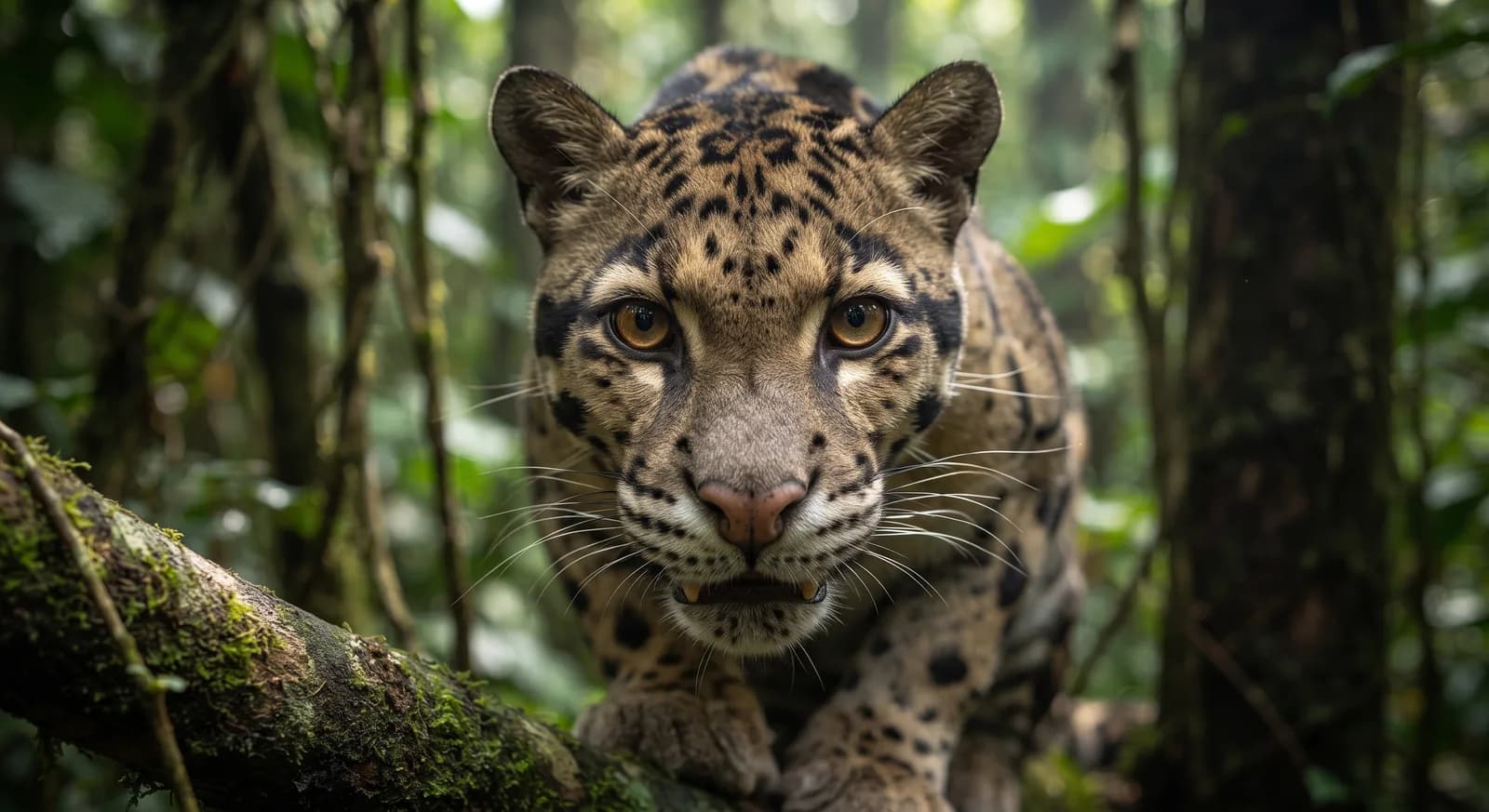
Clouded Leopard
Neofelis nebulosa
Marbled Cat
Pardofelis marmorata
 Least Concern
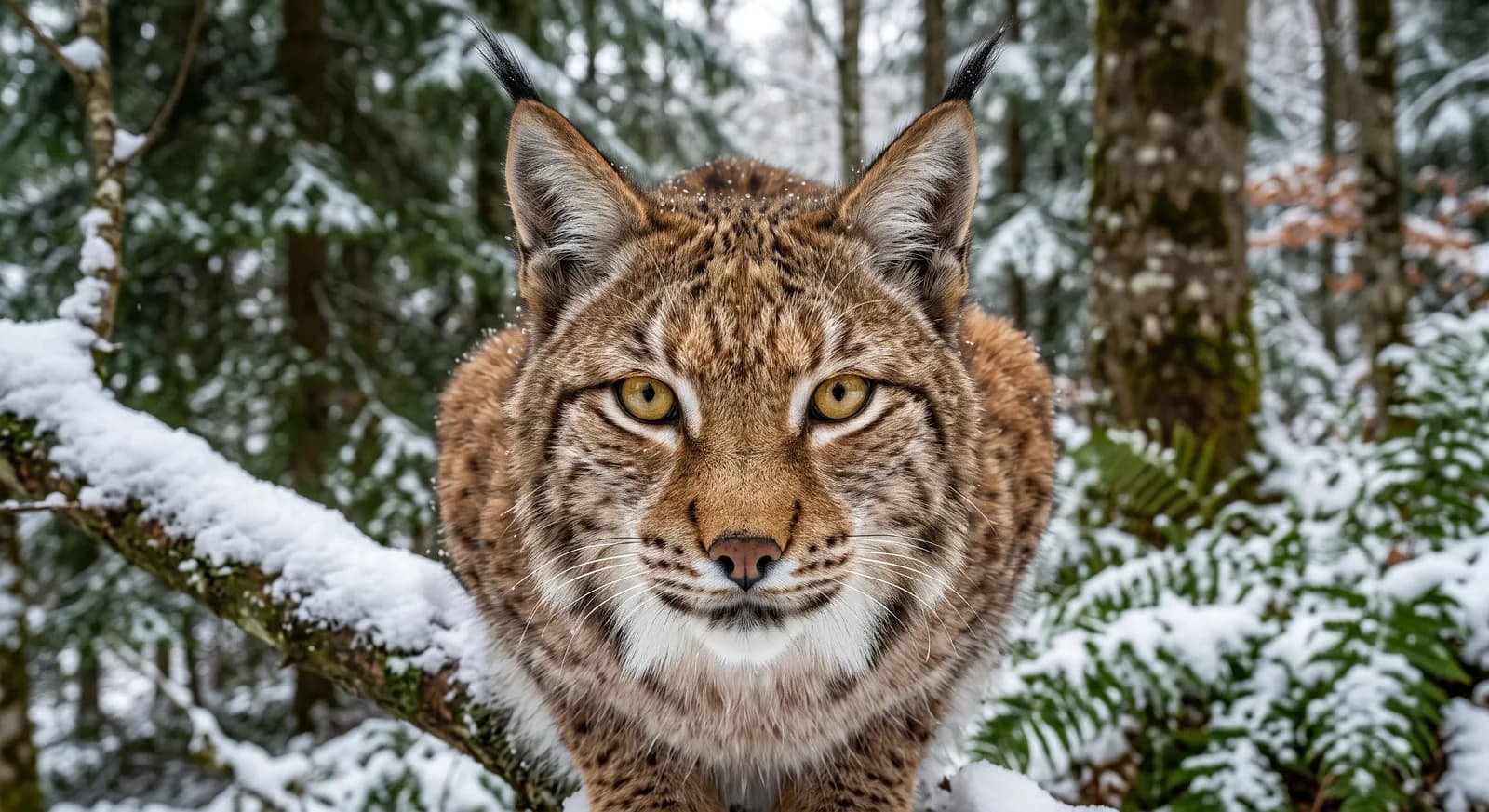
Eurasian Lynx
Lynx lynx
Sunda Flying Lemur
Galeopterus variegatus
Sunbeam Snake
Xenopeltis unicolor
Keep exploring
Based on what we already know about mainland leopard cat.
Comments
Share an experience, a fun fact or a tip for seeing the mainland leopard cat.
Be the first to comment.