One of the 14 salamanders on WAnimals
Amphibians · Caudata · Salamandridae
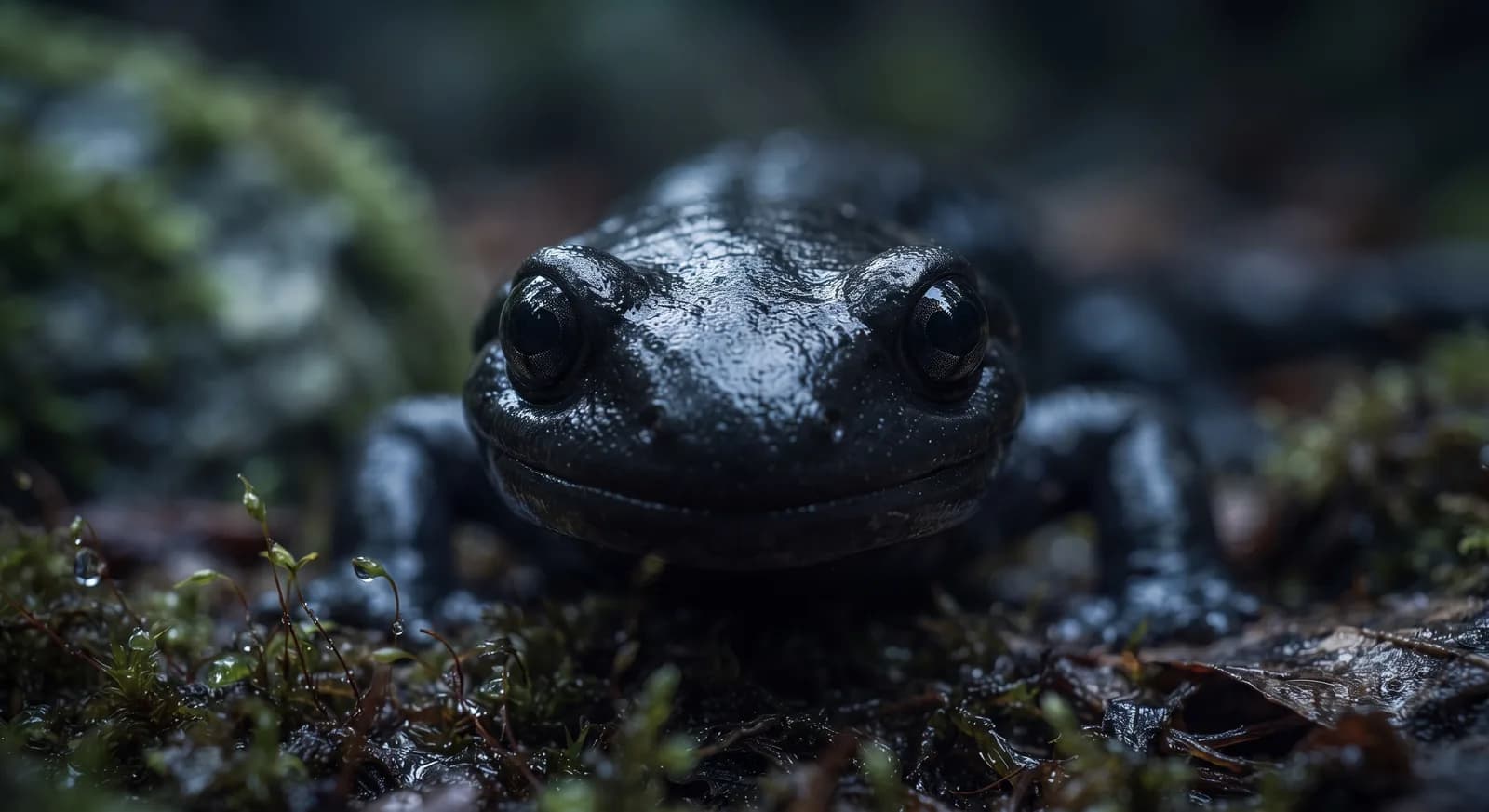
Alpine Salamander
Salamandra atra
The species is abundant and widely distributed; it faces no significant short-term risk. See full glossary
The alpine salamander is an amphibian of the family Salamandridae. Four subspecies have been described: Salamandra atra atra, Salamandra atra aurorae, Salamandra atra prenjensis and Salamandra atra pasubiensis.
Size
9 cm – 15 cm
Lifespan
20 years
Diet
Insectivore
Feeds mainly on insects and other invertebrates.
Activity
Nocturnal
Active mainly at night.
Social structure
Solitary
Lives and hunts alone, joining others only to breed.
Sighting difficulty
Easy
Fun facts
- GeneralIt lays no eggs: it gives birth to two fully formed young after a gestation of up to three years.
- It has the longest gestation of any land vertebrate: two to three years depending on altitude, longer than any elephant or whale, and only one or two fully formed young are born.
- It needs no water to breed: the embryos develop entirely inside the mother, feeding on the unfertilised eggs and on uterine secretions, an adaptation to high mountains where standing water freezes.
- It is glossy black all over, a colouring that lets it absorb heat quickly during the few hours of sunshine in the high Alps.
Life cycle & biology
- Skeleton type
- Vertebrate - internal bony skeleton (amphibian)
- Habitat & environment
- Alpine meadows, scree and mountain forest of the Alps and the Dinarides, between 800 and 2,800 metres
- Sexual maturity
- 4 years
- Gestation / incubation
- Up to 3 years of gestation
- Litter / clutch size
- 2 live young
Sources consulted: https://es.wikipedia.org/wiki/Salamandra_atra
Where to find it
See its range on the interactive mapWhere to watch it
Parks and dive sites where this species has been documented.
Related species
Other species in the catalogue with the most in common with Alpine Salamander — same habitat, park, country, tags or family.
Palmate Newt
Lissotriton helveticus
Smooth Newt
Lissotriton vulgaris
 Least Concern
Alpine Newt
Ichthyosaura alpestris
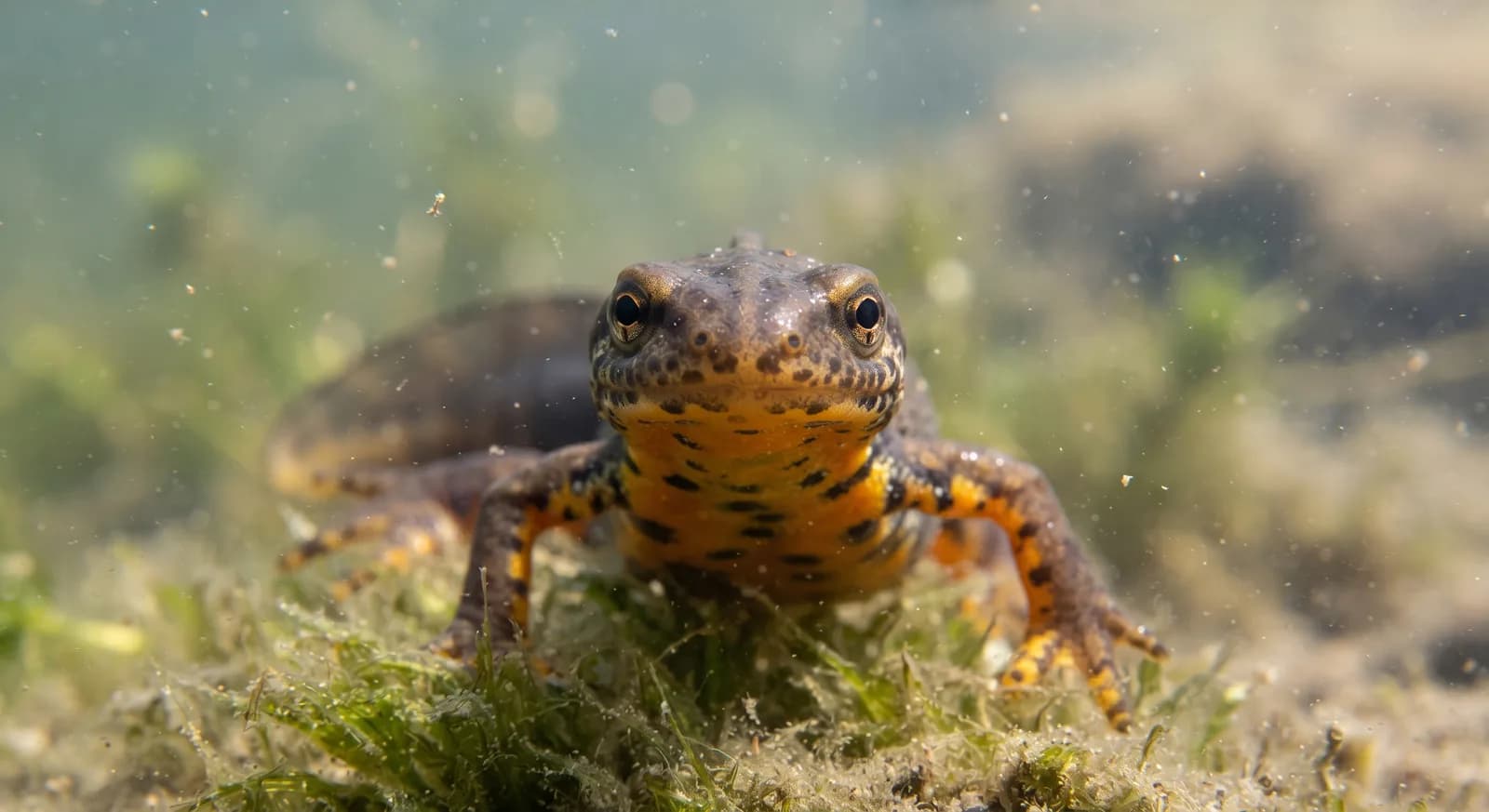
Great Crested Newt
Triturus cristatus
Marbled Newt
Triturus marmoratus
 Least Concern
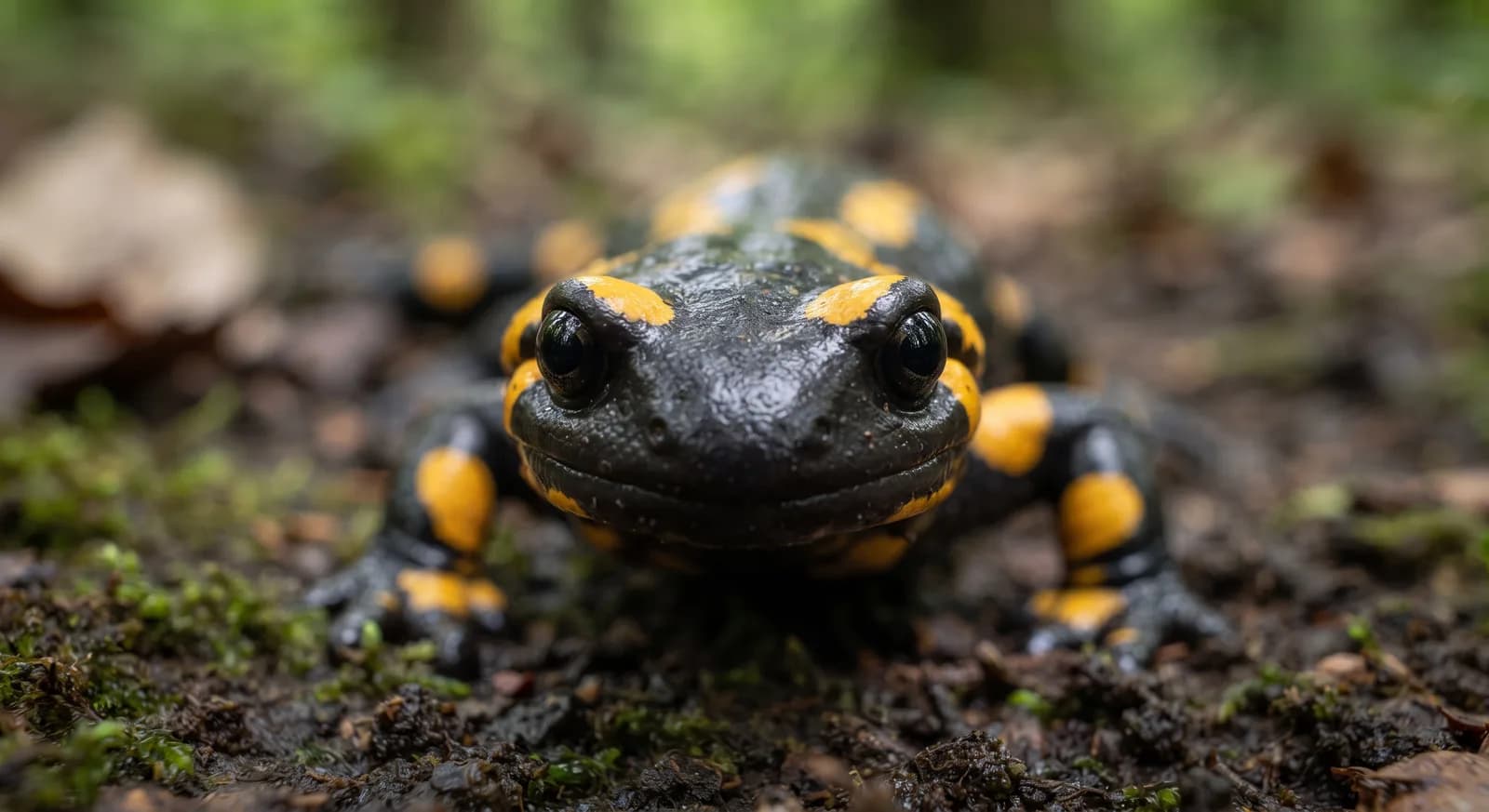
Fire Salamander
Salamandra salamandra
Keep exploring
Based on what we already know about alpine salamander.
Comments
Share an experience, a fun fact or a tip for seeing the alpine salamander.
Be the first to comment.