Species group · Amphibians
Salamanders
WAnimals has 14 species of salamander, spread across 6 families (Ambystomatidae, Cryptobranchidae, Dicamptodontidae, Hynobiidae, Plethodontidae, Salamandridae).
- 14 species
- 6 families
- 58 countries
- 128 parks
- Weight
- 4 g – 60 kg
- Length
- 8 cm – 1.8 m
- Lifespan
- 10 – 60 years
Ranges calculated from the entries that record the figure, not from all 14.
All 14 species of salamanders on WAnimals
Each one has its own full entry. This group does not replace them: it brings them together.
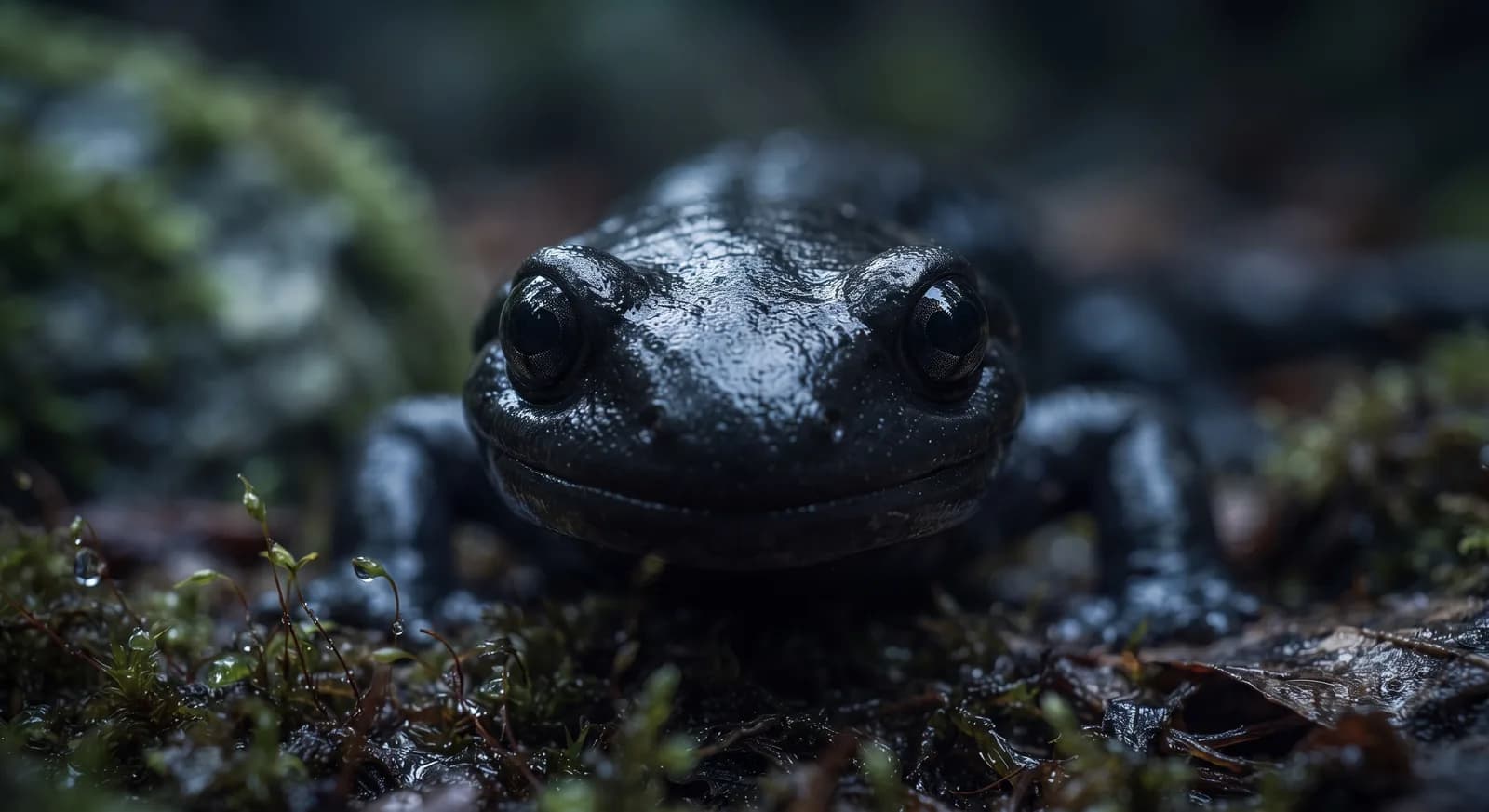 Least Concern
Alpine Salamander
Salamandra atra
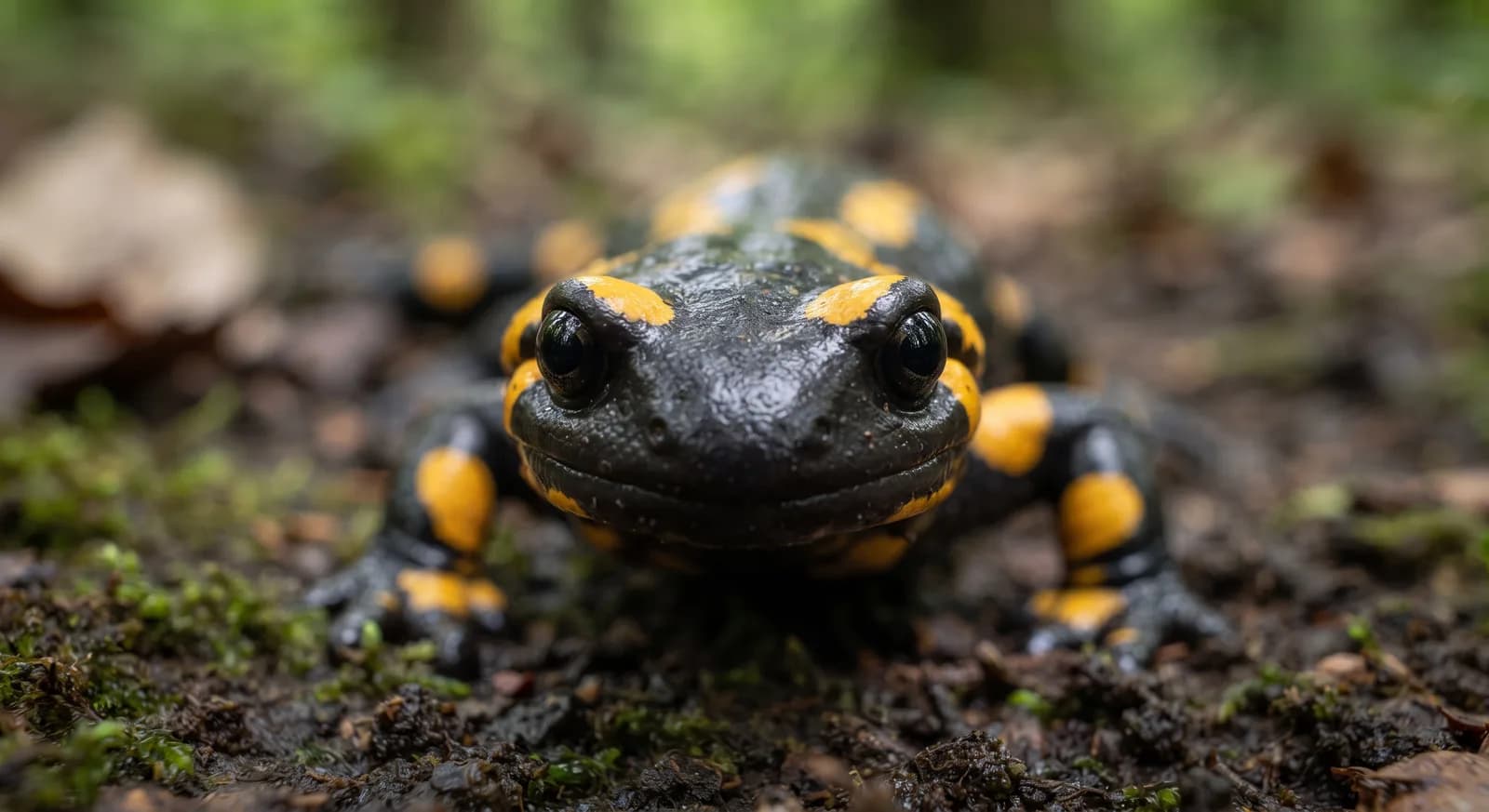 Least Concern
Fire Salamander
Salamandra salamandra
Japanese Giant Salamander
Andrias japonicus
Siberian Salamander
Salamandrella keyserlingii
Golden-striped Salamander
Chioglossa lusitanica
Hellbender
Cryptobranchus alleganiensis
Northern Slimy Salamander
Plethodon glutinosus
Mexican Mushroomtongue Salamander
Bolitoglossa mexicana
Spotted Salamander
Ambystoma maculatum
Coastal Giant Salamander
Dicamptodon tenebrosus
Chinese Giant Salamander
Andrias davidianus
Japanese Black Salamander
Hynobius nigrescens
Eastern Tiger Salamander
Ambystoma tigrinum
Shenandoah Salamander
Plethodon shenandoah
Conservation status
5 especies in this group están en alguna categoría de riesgo real según la UICN.
See the global conservation statusWhere they live
Recorded in 58 countries. The ones with the most species in the group:
Where to see them
Did you know…
It lays no eggs: it gives birth to two fully formed young after a gestation of up to three years.
From Alpine Salamander
It has the longest gestation of any land vertebrate: two to three years depending on altitude, longer than any elephant or whale, and only one or two fully formed young are born.
From Alpine Salamander
It needs no water to breed: the embryos develop entirely inside the mother, feeding on the unfertilised eggs and on uterine secretions, an adaptation to high mountains where standing water freezes.
From Alpine Salamander
Unlike most amphibians, it holds its eggs internally and gives birth to fully formed larvae.
From Fire Salamander
Its black and yellow pattern is a warning about the toxins it secretes through its skin.
From Fire Salamander
It can live for over 50 years in captivity, an exceptional record for an amphibian.
From Fire Salamander
Males compete aggressively for spawning pits under the riverbed, defending them fiercely as 'den masters'.
It eats fish, insects, crustaceans and small mammals.