One of the 14 salamanders on WAnimals
Amphibians · Caudata · Dicamptodontidae
Coastal Giant Salamander
Dicamptodon tenebrosus
The species is abundant and widely distributed; it faces no significant short-term risk. See full glossary
The coastal giant salamander is one of the largest amphibians in North America and one of the very few salamanders in the world able to vocalise: it gives audible barks and shrieks when disturbed. Many populations are neotenic: the adults keep their gills and never leave the water.
Size
17 cm – 34 cm
Lifespan
25 years
Diet
Carnivore
Feeds mainly on other animals.
Activity
Nocturnal
Active mainly at night.
Social structure
Solitary
Lives and hunts alone, joining others only to breed.
Sighting difficulty
Easy
Fun facts
- It barks: it is one of very few salamanders in the world with functional vocal cords, and gives sharp shrieks and barks when handled, a disconcerting sound coming from an amphibian.
- Many populations never complete metamorphosis: the adults keep their external gills, stay in the water all their lives and breed without ever leaving it, a phenomenon called neoteny.
- It is a top predator in the streams of the Pacific Northwest: it eats insects, fish, other salamanders and even small rodents and shrews that fall into the water.
Life cycle & biology
- Skeleton type
- Vertebrate - internal bony skeleton (amphibian)
- Habitat & environment
- Cold streams in the temperate rainforests of the North American Pacific Northwest
- Sexual maturity
- 5 years
- Gestation / incubation
- Larval development in cold streams
- Litter / clutch size
- 100 eggs
Sources consulted: https://en.wikipedia.org/wiki/Coastal_giant_salamander
Where to watch it
Parks and dive sites where this species has been documented.
Related species
Other species in the catalogue with the most in common with Coastal Giant Salamander — same habitat, park, country, tags or family.
Bushy-tailed Woodrat
Neotoma cinerea
 Least Concern
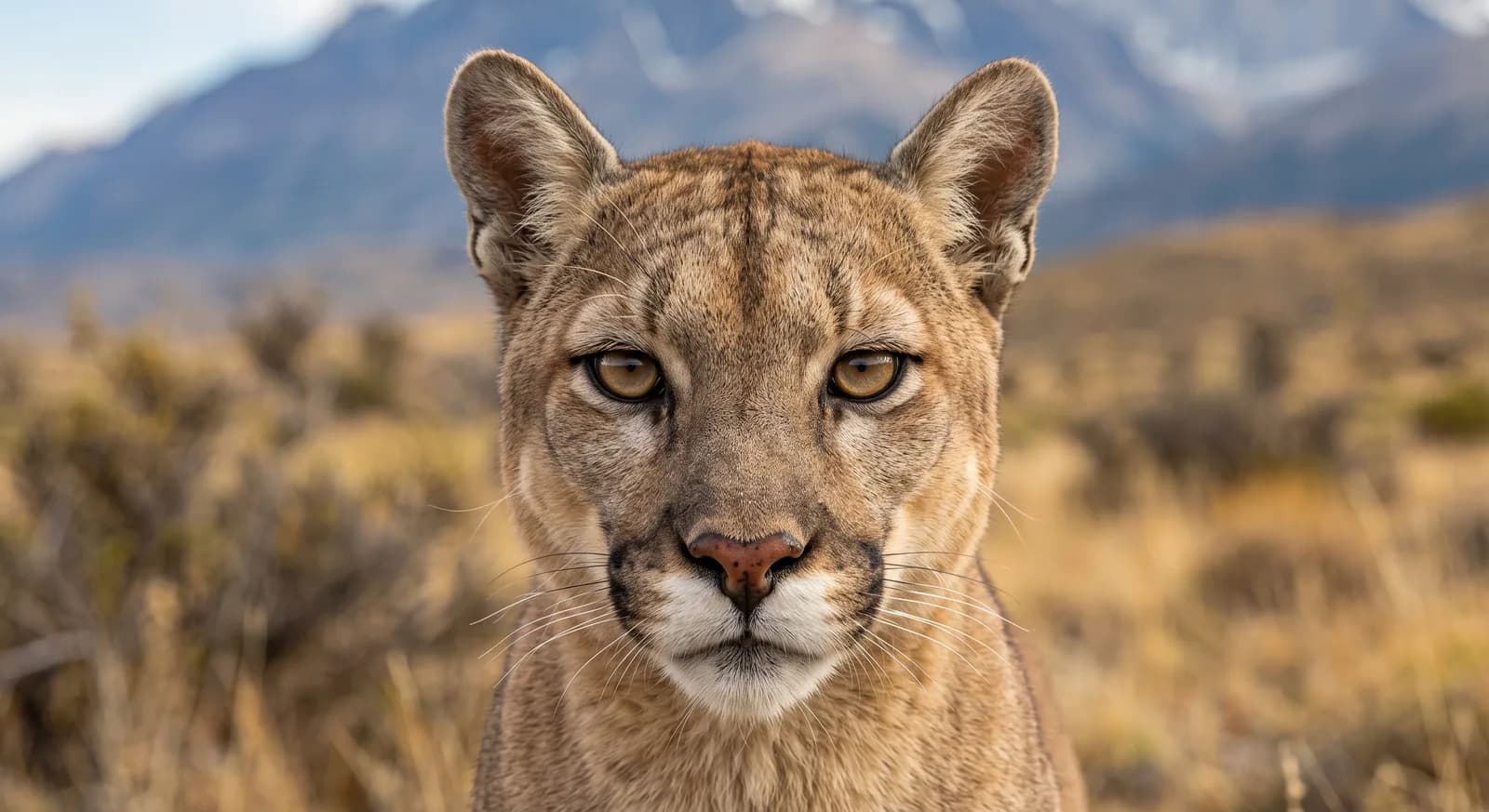
Puma
Puma concolor
 Least Concern
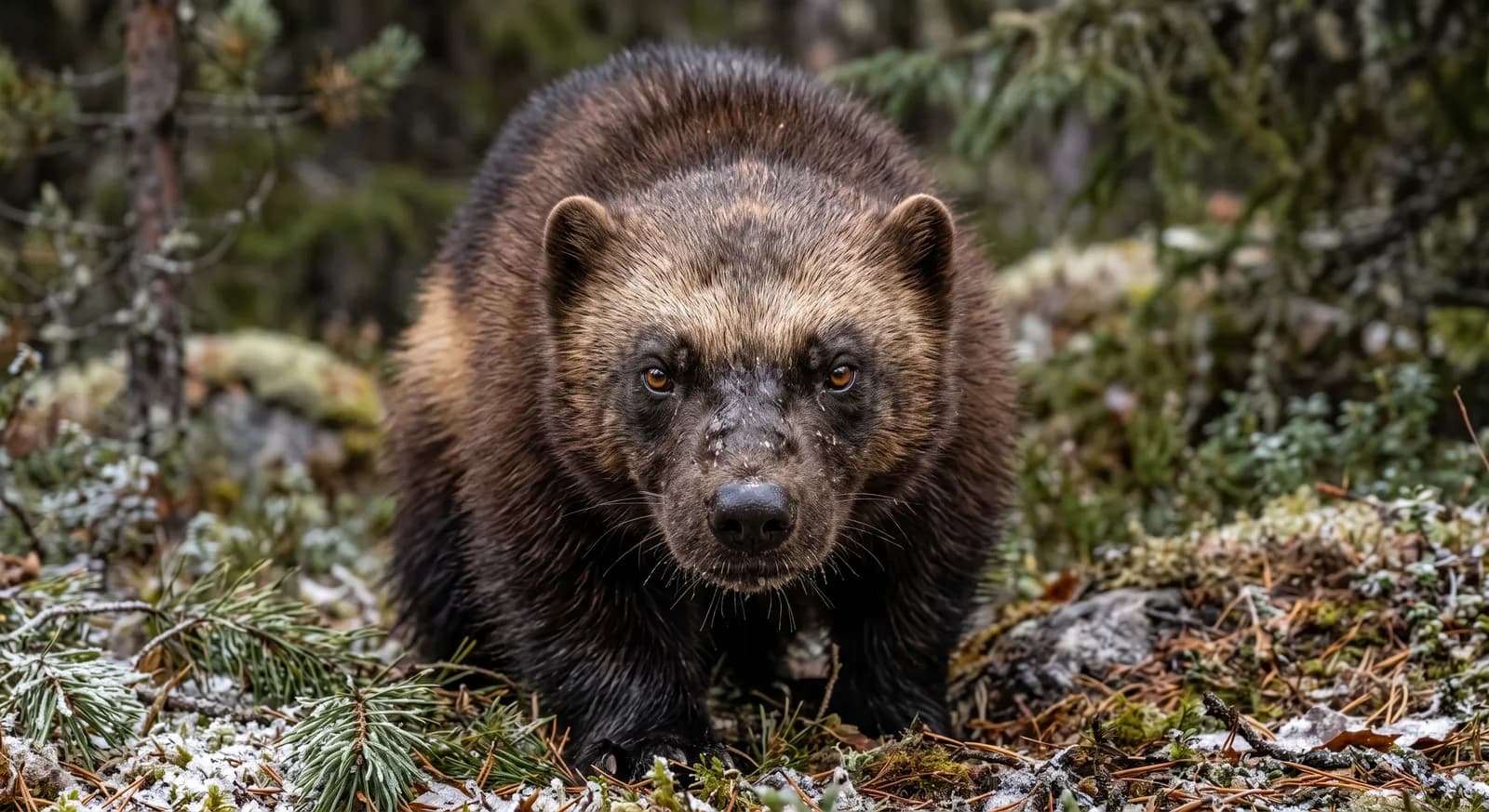
Wolverine
Gulo gulo
Great Horned Owl
Bubo virginianus
Common Garter Snake
Thamnophis sirtalis
American Bullfrog
Lithobates catesbeianus
Keep exploring
Based on what we already know about coastal giant salamander.
Comments
Share an experience, a fun fact or a tip for seeing the coastal giant salamander.
Be the first to comment.