An active stratovolcano with the largest glacier system in the contiguous United States, and the country's fifth national park.
Area
956 km²
Declared in
1899
Region
North America
Climate
Tropical, Árido / desértico, Templado, Mediterráneo, Polar / frío
Best time
It depends on the region
Highlight
A glaciated stratovolcano and subalpine wildflower meadows
Mount Rainier National Park was established in 1899 in Washington State and was the fifth national park in the United States. It protects some 956 km² around the volcano of the same name, an active stratovolcano of 4,392 metres that dominates the skyline of Seattle and Tacoma.
Rainier concentrates the largest glacier system in the contiguous United States, with twenty-five named glaciers covering its slopes and constituting the largest mass of permanent ice south of Alaska. That combination of active volcano and ice makes it one of the volcanoes regarded as most dangerous in the country: the main risk is not lava flows but lahars, avalanches of mud and meltwater that can travel down the valleys into densely populated areas, and several communities around it have dedicated warning systems.
Below the ice, the park preserves old-growth forests of large conifers and, in the middle belt, the subalpine meadows of Paradise and Sunrise, famous for their summer flowering and for receiving some of the heaviest snowfalls measured on the planet. The wildlife includes mountain goat, Olympic marmot, black bear and Roosevelt elk.
Location
See on the interactive map2 dive sites within 300 km are also shown.
33 species documented in Mount Rainier
At conservation risk:Mérgulo jaspeado,Murciélago café pequeño,Salmón plateado
Ampelis americano
Bombycilla cedrorum
Aura gallipavo
Cathartes aura
Búho cornudo americano
Bubo virginianus
Busardo colirrojo
Buteo jamaicensis
Cabra montés de las Rocosas
Oreamnos americanus
Carbonero de capucha negra
Poecile atricapillus
Carpintero escapulario
Colaptes auratus
Cascanueces americano
Nucifraga columbiana
Castor canadiense
Castor canadensis
Cernícalo americano
Falco sparverius
Chinche patas de hoja occidental
Leptoglossus occidentalis
Colibrí de Ana
Calypte anna
Flora and ecosystems
Ecosystems found in United States, where Mount Rainier lies.
Experiences in this park
Nearby dive sites
Where can I dive near here?
Puget Sound (Pulpo gigante)
95 km away
Neah Bay
273 km away
Wildlife you can see now
What is worth watching this month in United States?
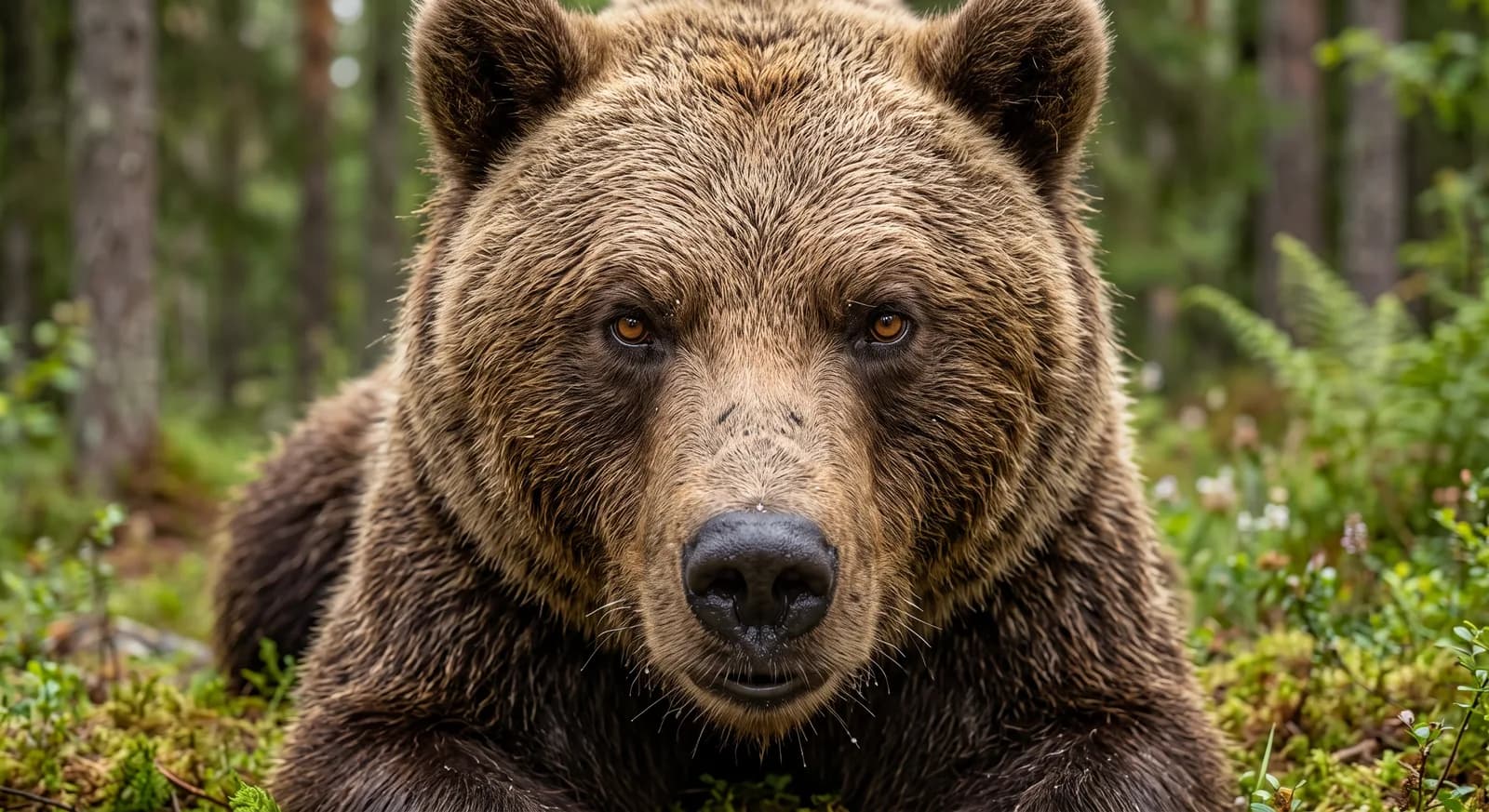 Least Concern
Brown Bear
Ursus arctos
Ahora es buena época: Osos pardos pescando salmón en Brooks Falls (Junio a septiembre (pico en julio))
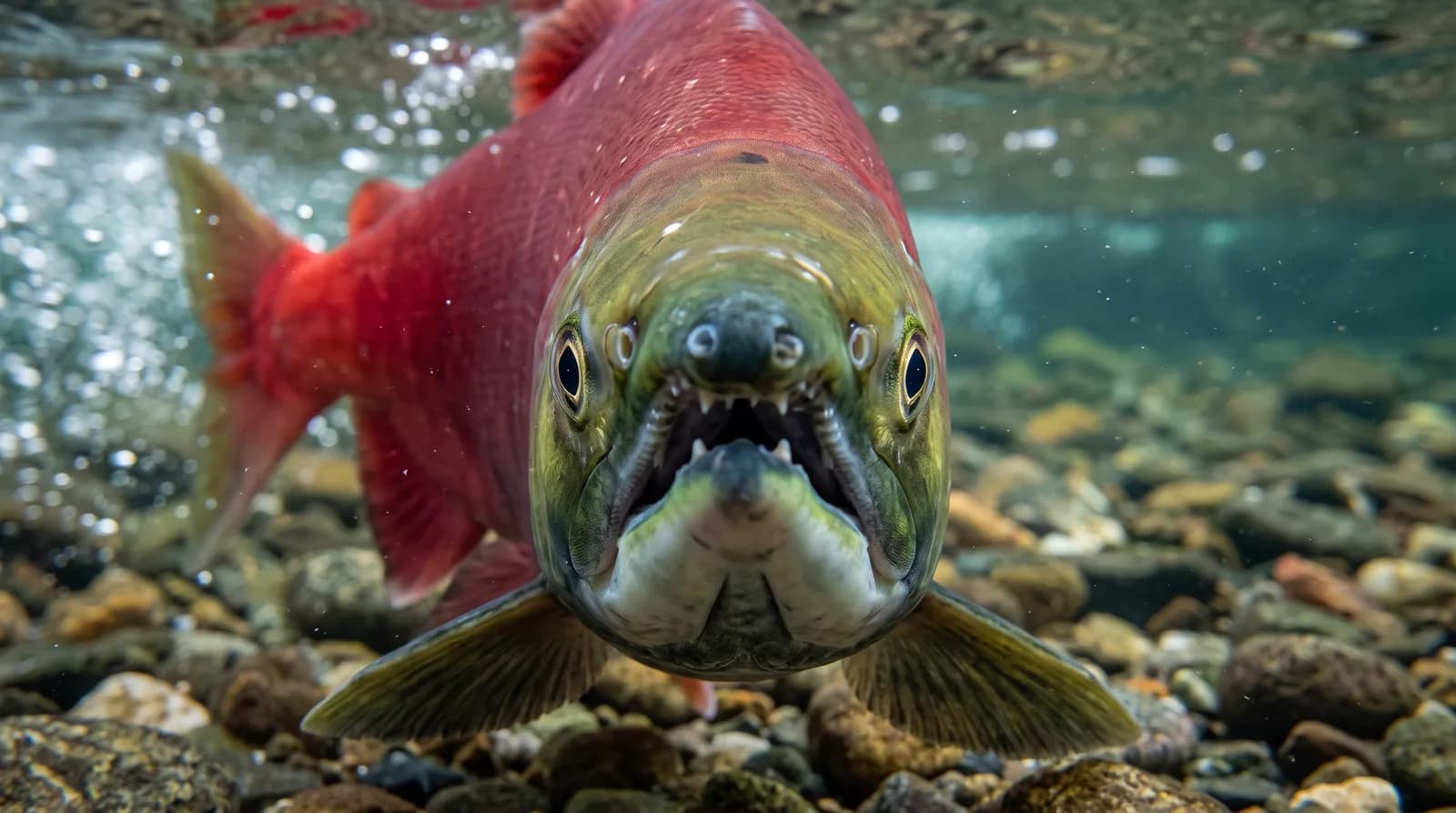 Least Concern
Sockeye Salmon
Oncorhynchus nerka
Ahora es buena época: Osos pardos pescando salmón en Brooks Falls (Junio a septiembre (pico en julio))
Similar parks
Which other parks are like this one?
Gran Cañón
United States
California condor · Bighorn sheep
Depende de la región
View parkMismo país: United States
Hot Springs
United States
White-tailed Deer · Grey Squirrel
Depende de la región
View parkMismo país: United States
Sequoia National Park
United States
Depende de la región
View parkMismo país: United States
Theodore Roosevelt
United States
American bison · wild horse
Depende de la región
View parkMismo país: United States
Keep exploring
Based on what we already know about Mount Rainier.
Your rating
How many stars would you give Mount Rainier?
Comments
Share your experience visiting Mount Rainier, or a tip for other travellers.
Be the first to comment.