Birds · Passeriformes · Paridae
Black-Capped Chickadee
Poecile atricapillus
The species is abundant and widely distributed; it faces no significant short-term risk. See full glossary
The black-capped chickadee is one of North America's best-loved birds, with a black cap, white cheeks and a trusting nature that leads it to feed from the hand. Its alarm system is one of the best studied in the animal kingdom: the number of final syllables in its call encodes the level of danger precisely.
Weight
9 g – 14 g
Size
12 cm – 15 cm
Lifespan
12 years
Diet
Omnivore
Combines animal and plant food depending on availability.
Activity
Diurnal
Active mainly during the day.
Social structure
In pairs
Usually lives in pairs, sometimes for life.
Sighting difficulty
Easy
Fun facts
- GeneralIt lowers its body temperature at night to save energy, and remembers thousands of caches.
- comunicaciónIts alarm call varies in the number of closing notes according to how great the threat is, encoding information about the size and danger of a nearby predator.
- Its alarm call encodes the level of threat in the number of final syllables: the more it adds, the more dangerous the predator, and other woodland bird species understand and respond to that code.
- Its brain grows in autumn: the region associated with spatial memory increases in size to manage the thousands of food caches it makes, and shrinks again in spring when it no longer needs it.
- It drops its body temperature by more than ten degrees on winter nights, a controlled torpor that lets it survive temperatures of forty below zero while weighing eleven grams.
Life cycle & biology
- Skeleton type
- Vertebrate - internal bony skeleton (bird)
- Habitat & environment
- Mixed woodland, parks and garden feeders
- Birth weight
- Altricial: born blind, naked or with sparse down and entirely dependent
- Size at birth
- Altricial: born blind, naked or with sparse down and entirely dependent
- Sexual maturity
- 5.9 months
- Gestation / incubation
- 12 days
- Litter / clutch size
- 7
Sources consulted: https://en.wikipedia.org/wiki/Black-capped_chickadee
Where to find it
See its range on the interactive mapBest time: All year round in North America, by day; in winter it joins mixed flocks and comes readily to feeders.
Where to watch it
Parques y spots de buceo donde se ha documentado esta especie — se muestran 10 de 59 documentados.
Related species
Other species in the catalogue with the most in common with Black-Capped Chickadee — same habitat, park, country, tags or family.
 Least Concern
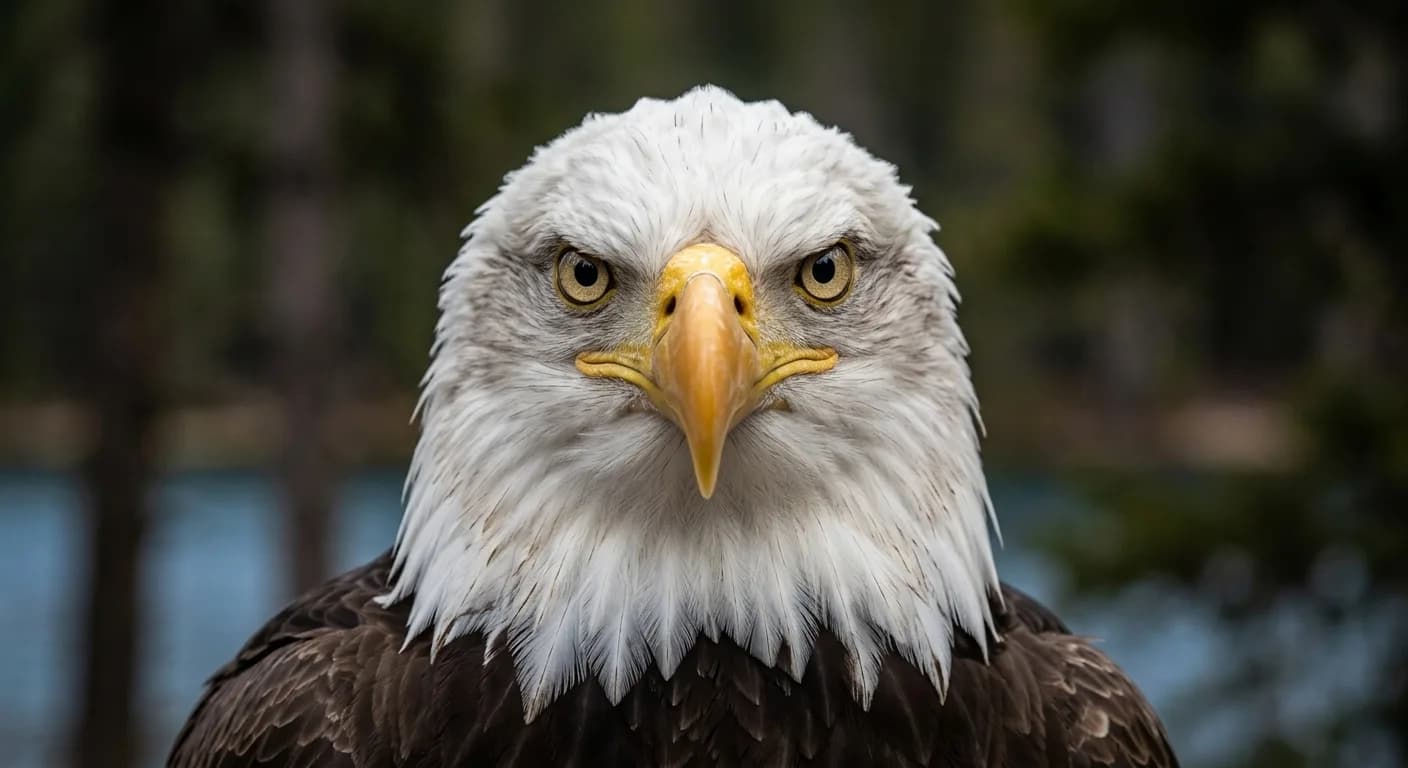
Bald Eagle
Haliaeetus leucocephalus
Wood Duck
Aix sponsa
Wild Turkey
Meleagris gallopavo
Mourning Dove
Zenaida macroura
Pileated Woodpecker
Dryocopus pileatus
Northern Flicker
Colaptes auratus
Keep exploring
Based on what we already know about black-capped chickadee.
Comments
Share an experience, a fun fact or a tip for seeing the black-capped chickadee.
Be the first to comment.