One of the 2 doves on WAnimals
Birds · Columbiformes · Columbidae
Mourning Dove
Zenaida macroura
The species is abundant and widely distributed; it faces no significant short-term risk. See full glossary
The mourning dove, known in Spanish as huilota común and also called tórtola rabiche, torcaza or guilota, is a species of columbiform bird of the family Columbidae belonging to the genus Zenaida. It is native to the Americas. It is medium-sized, grey on the forehead and nape, greyish brown behind the neck and with metallic feathers shot with violet and bronze on both sides. Its underparts are slightly pink and vinaceous, as are the forehead, face and breast. Behind the eyes it has a small stripe. The tail is long, graduated and pointed. It has black spots on the wing coverts and near the ear openings. The tail feathers have black edges and white tips.
Weight
96 g – 170 g
Size
22 cm – 36 cm
Lifespan
19 years
Diet
Herbivore
Feeds mainly on plants.
Activity
Diurnal
Active mainly during the day.
Social structure
In pairs
Usually lives in pairs, sometimes for life.
Sighting difficulty
Easy
Fun facts
- It is at once one of the most abundant birds in North America, with some three hundred million individuals, and the most shot game bird on the continent: more than twenty million are taken a year without the population suffering.
- It feeds its chicks on crop milk, a secretion rich in fat and protein that both parents produce in the lining of the crop, a trait unique to pigeons among birds.
- It can drink by sucking with its bill submerged, without needing to raise its head to swallow as almost all birds do, which lets it drink in a few seconds and reduce its exposure to predators.
Life cycle & biology
- Skeleton type
- Vertebrate - internal bony skeleton (bird)
- Habitat & environment
- Farmland, grassland, crops, roadsides, parks and gardens of North America
- Sexual maturity
- 3 months
- Gestation / incubation
- 14 days
- Litter / clutch size
- 2
Sources consulted: https://es.wikipedia.org/wiki/Zenaida_macroura
Where to find it
See its range on the interactive mapWhere to watch it
Parques y spots de buceo donde se ha documentado esta especie — se muestran 10 de 81 documentados.
Related species
Other species in the catalogue with the most in common with Mourning Dove — same habitat, park, country, tags or family.
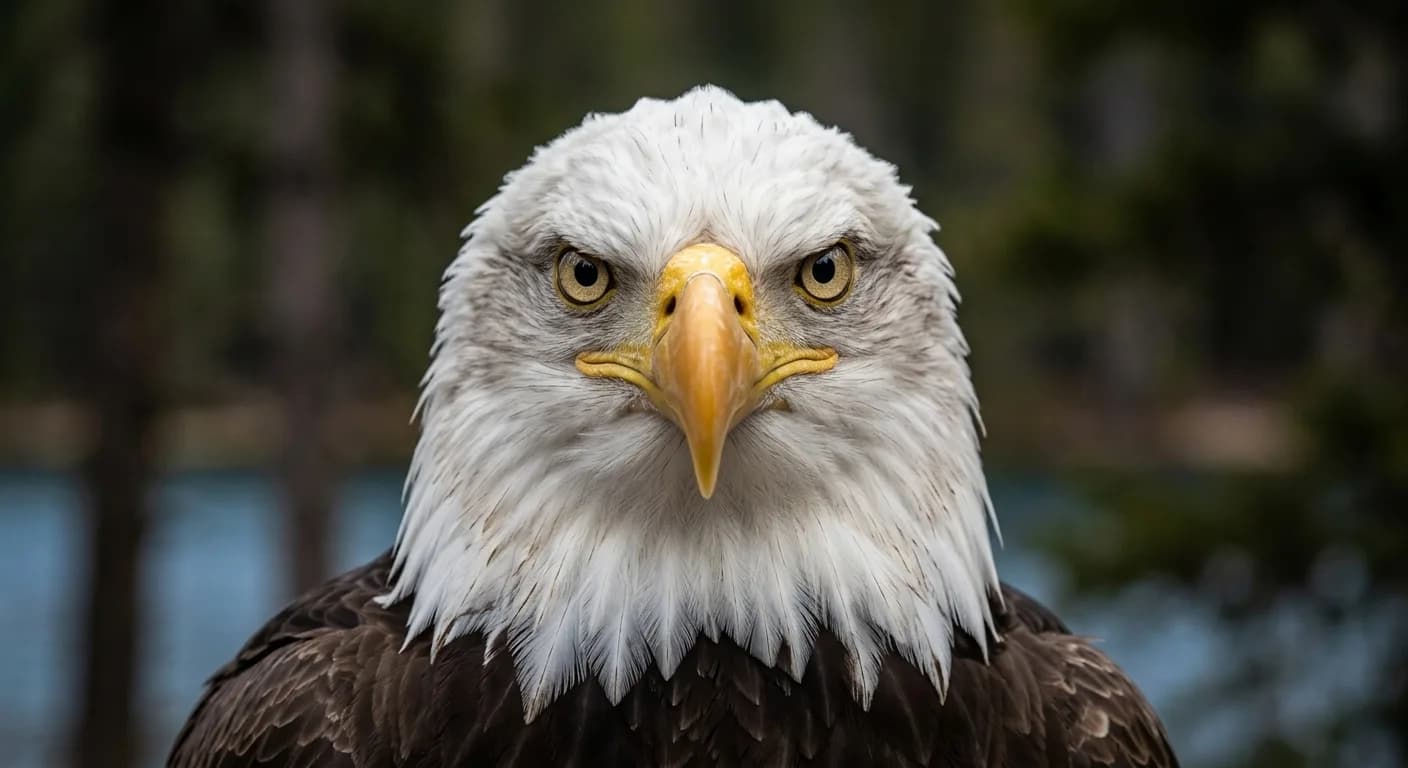 Least Concern
Bald Eagle
Haliaeetus leucocephalus
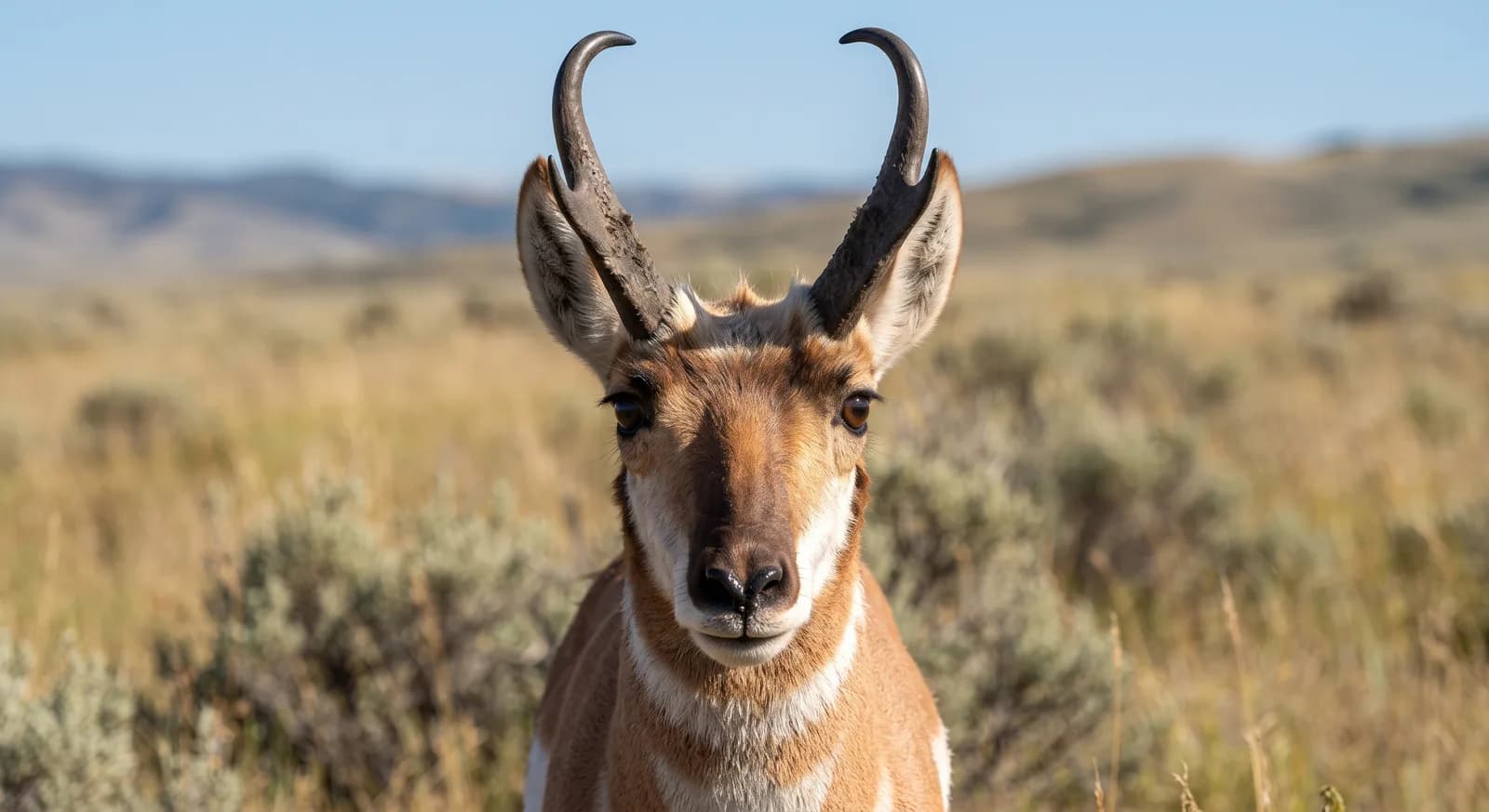 Least Concern
Pronghorn
Antilocapra americana
Canada Goose
Branta canadensis
Wood Duck
Aix sponsa
Greater Roadrunner
Geococcyx californianus
Turkey Vulture
Cathartes aura
Keep exploring
Based on what we already know about mourning dove.
Comments
Share an experience, a fun fact or a tip for seeing the mourning dove.
Be the first to comment.