One of the 5 woodpeckers on WAnimals
Birds · Piciformes · Picidae
Northern Flicker
Colaptes auratus
The species is abundant and widely distributed; it faces no significant short-term risk. See full glossary
A polytypic North American woodpecker of medium size, with a very visible black crescent on the breast. There are five distinct morphological groups, the best known being the yellow-shafted and the red-shafted, which are told apart by the colour of the shafts of the flight feathers.
Weight
120 g on average
Size
28 cm – 31 cm
Lifespan
12 years
Diet
Insectivore
Feeds mainly on insects and other invertebrates.
Activity
Diurnal
Active mainly during the day.
Social structure
In pairs
Usually lives in pairs, sometimes for life.
Sighting difficulty
Easy
Estimated population
Some 12 million individuals worldwide, 11 million of them in the United States and Canada according to the 2006-2015 BBS survey. Partners in Flight lists it among the common birds in steep decline, with a fall of close to 50 % in forty years
Fun facts
- Its hybrid zone between the yellow-shafted and red-shafted groups runs from northern Texas to southern Alaska, and has become one of the world's benchmark study systems for the consequences of secondary contact between lineages.
- As many as 13 subspecies have been described for it, grouped into five morphological types.
- In 2021 its chromosome-scale reference genome was published, making it one of the most thoroughly characterised woodpeckers genetically.
- It is the only woodpecker that regularly feeds on the ground, where it looks for ants. Its nest cavities are later reused by many other birds, which makes it a keystone species of its woodlands.
Life cycle & biology
- Skeleton type
- Vertebrate - internal bony skeleton (bird)
- Habitat & environment
- A wide variety of wooded settings across North America, from Alaska to northern Nicaragua, Cuba and the Cayman Islands
- Size at birth
- The chicks leave the nest about four weeks after hatching
- Sexual maturity
- 12 months
- Gestation / incubation
- 11 days
- Litter / clutch size
- 4
Sources consulted: IUCN Red List; Manthey et al. 2021 (genoma de referencia a escala cromosómica, G3/NCBI); Bernis et al., Ardeola (nombres castellanos SEO); Freeman et al. 2025, Frontiers in Parasitology; Linnaeus 1758
Where to find it
See its range on the interactive mapBest time: All year round over much of its range; the northern populations migrate
Where to watch it
Parques y spots de buceo donde se ha documentado esta especie — se muestran 10 de 105 documentados.
Related species
Other species in the catalogue with the most in common with Northern Flicker — same habitat, park, country, tags or family.
Pileated Woodpecker
Dryocopus pileatus
Acorn Woodpecker
Melanerpes formicivorus
Gila Woodpecker
Melanerpes uropygialis
 Least Concern
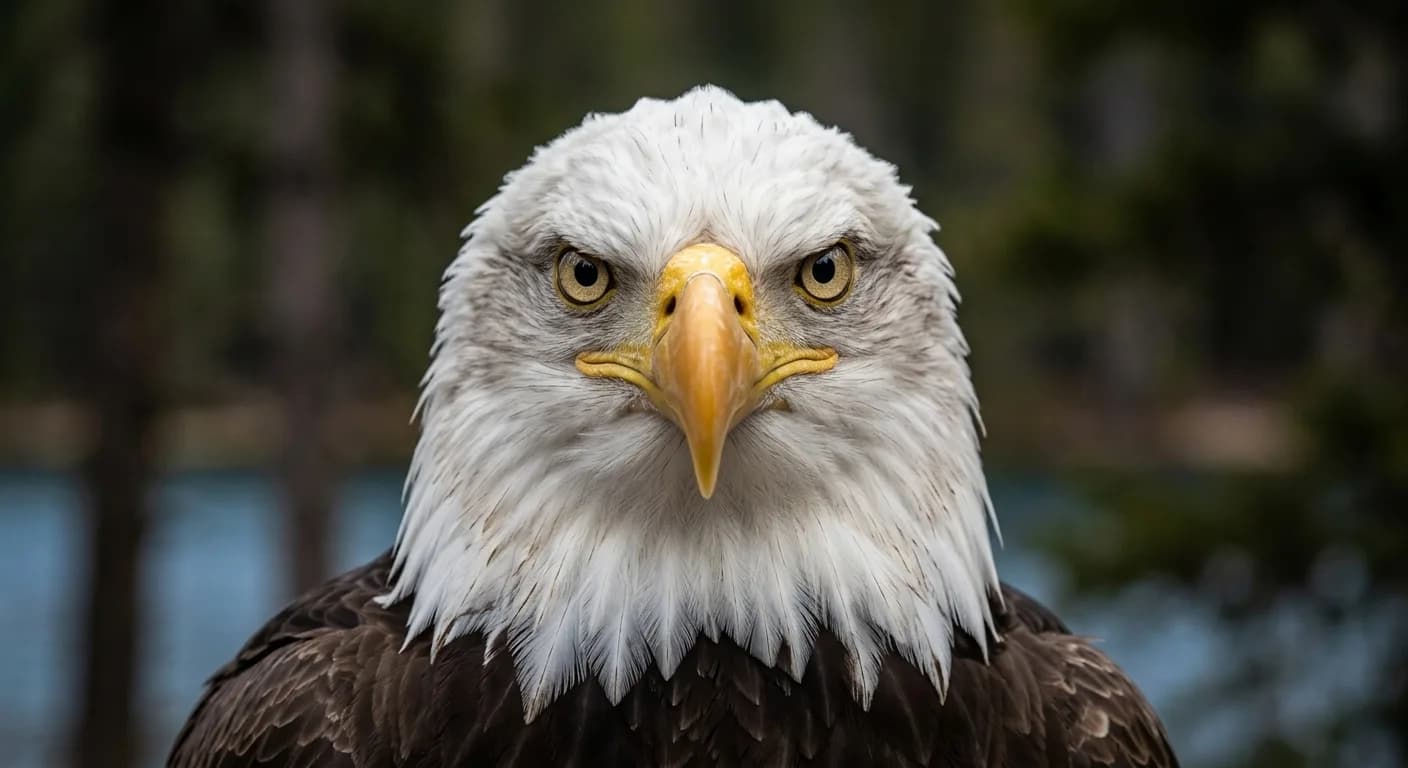
Bald Eagle
Haliaeetus leucocephalus
Wood Duck
Aix sponsa
Mourning Dove
Zenaida macroura
Keep exploring
Based on what we already know about northern flicker.
Comments
Share an experience, a fun fact or a tip for seeing the northern flicker.
Be the first to comment.