One of the 14 salamanders on WAnimals
Amphibians · Caudata · Hynobiidae
Siberian Salamander
Salamandrella keyserlingii
The species is abundant and widely distributed; it faces no significant short-term risk. See full glossary
The Siberian salamander is the amphibian that lives furthest north on the planet and the only one that crosses the Arctic Circle in Asia. It survives temperatures of forty-five degrees below zero by freezing solid inside the permafrost, and living individuals have been recovered after decades trapped in the ice.
Size
9 cm – 13 cm
Lifespan
20 years
Diet
Insectivore
Feeds mainly on insects and other invertebrates.
Activity
Nocturnal
Active mainly at night.
Social structure
Solitary
Lives and hunts alone, joining others only to breed.
Sighting difficulty
Easy
Fun facts
- Individuals have been found frozen in the Siberian permafrost that revived on thawing, some after decades trapped in the ice, and cases of survival after much longer periods have been published that are still debated.
- It withstands temperatures of down to forty-five degrees below zero thanks to the glycerol it builds up in its tissues, a biological antifreeze that stops crystals forming inside the cells.
- It is the only amphibian in the world that crosses the Arctic Circle in Asia and reaches the shore of the Arctic Ocean, in an environment where the ground stays frozen for most of the year.
Life cycle & biology
- Skeleton type
- Vertebrate - internal bony skeleton (amphibian)
- Habitat & environment
- Taiga, tundra and riverine forest of Siberia, the Russian Far East and northern Asia
- Size at birth
- An aquatic larva that metamorphoses within a few weeks
- Sexual maturity
- 3 years
- Gestation / incubation
- 23 days
- Litter / clutch size
- 70
Sources consulted: https://www.iucnredlist.org/ | https://animaldiversity.org/ | https://es.wikipedia.org/
Where to find it
See its range on the interactive mapBest time: From May to June in Siberia and north-eastern Asia, during the thaw, when it breeds in temporary pools.
Where to watch it
Parques y spots de buceo donde se ha documentado esta especie — se muestran 10 de 14 documentados.
Related species
Other species in the catalogue with the most in common with Siberian Salamander — same habitat, park, country, tags or family.
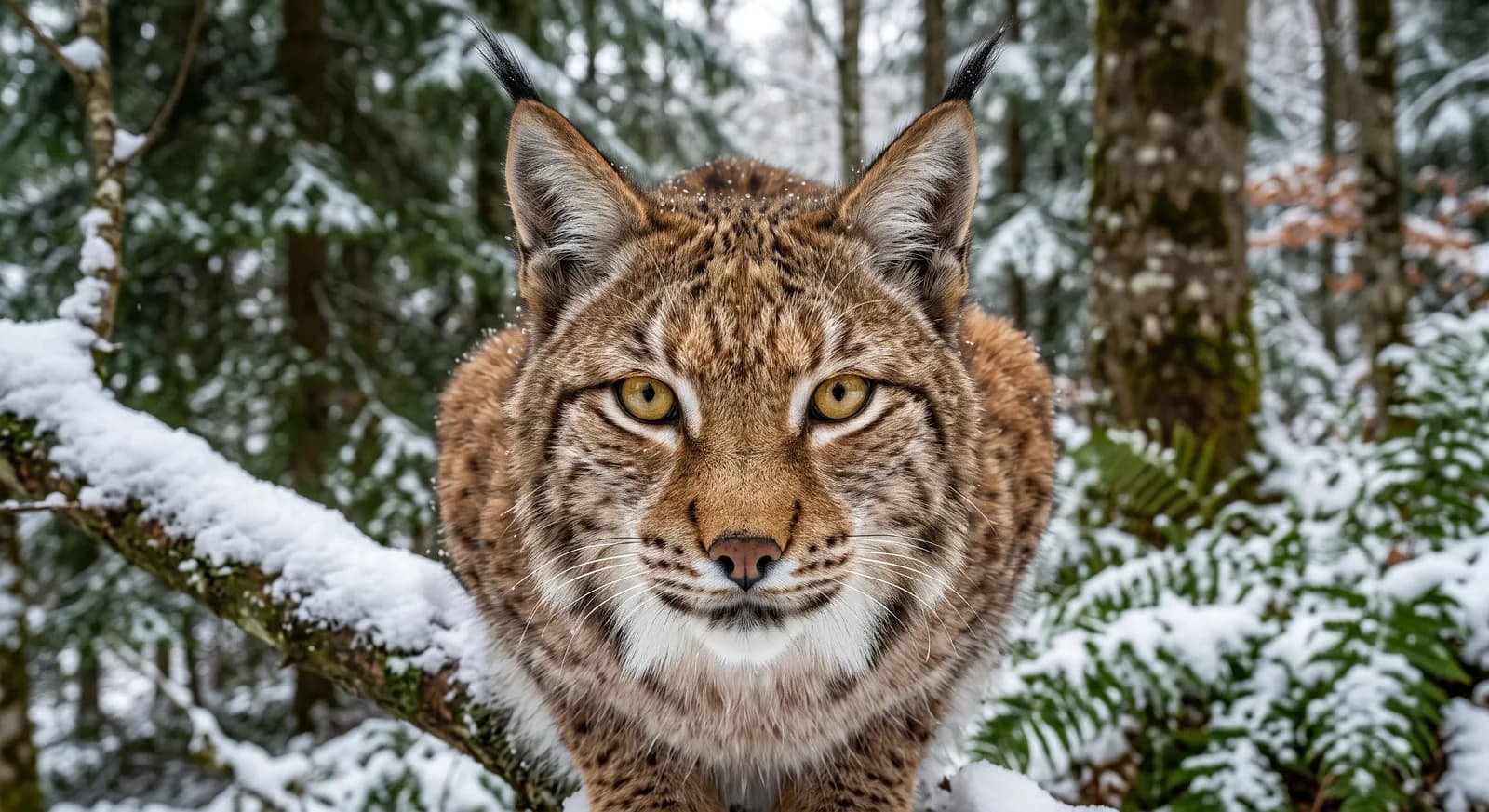 Least Concern
Eurasian Lynx
Lynx lynx
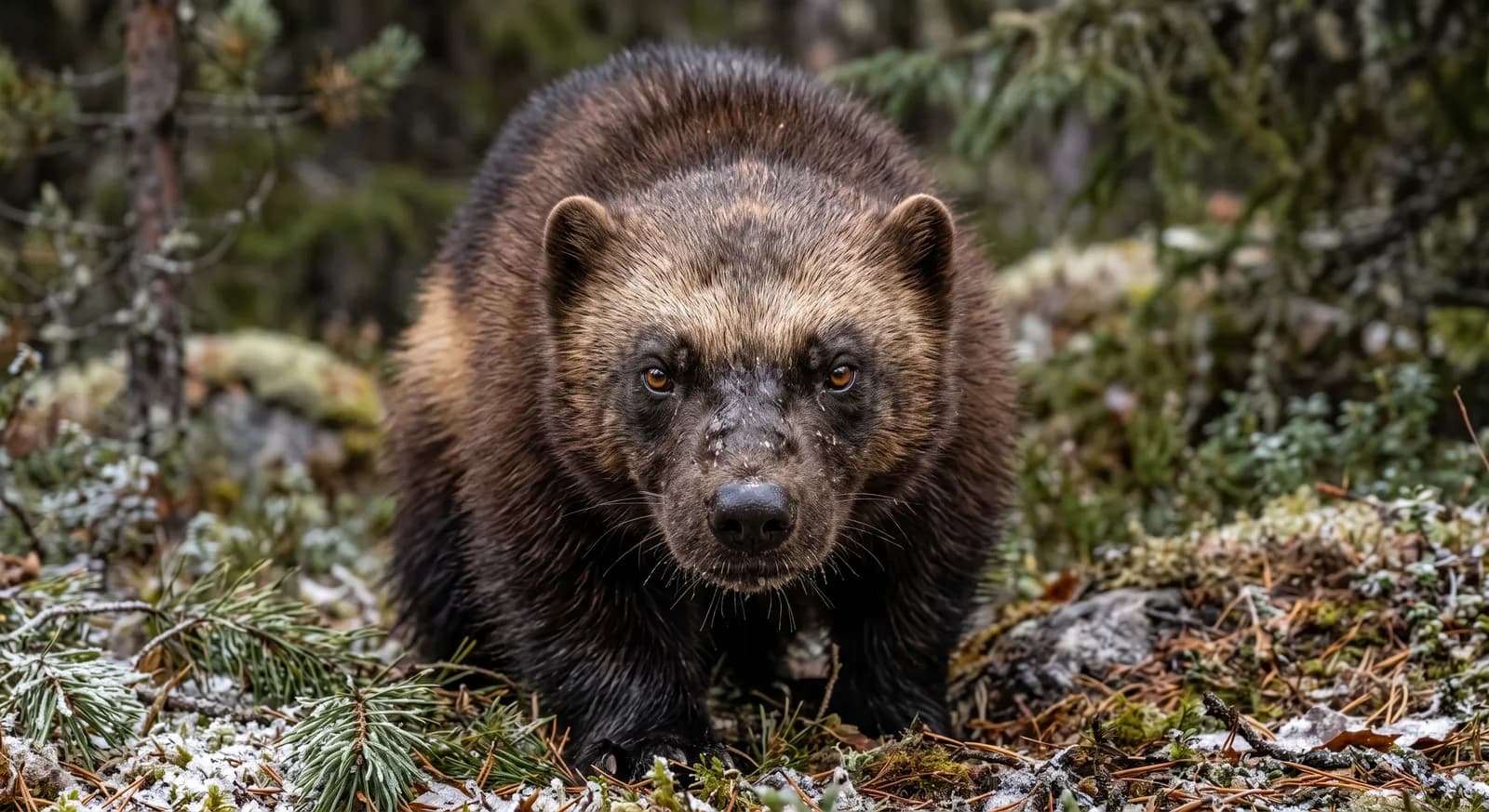 Least Concern
Wolverine
Gulo gulo
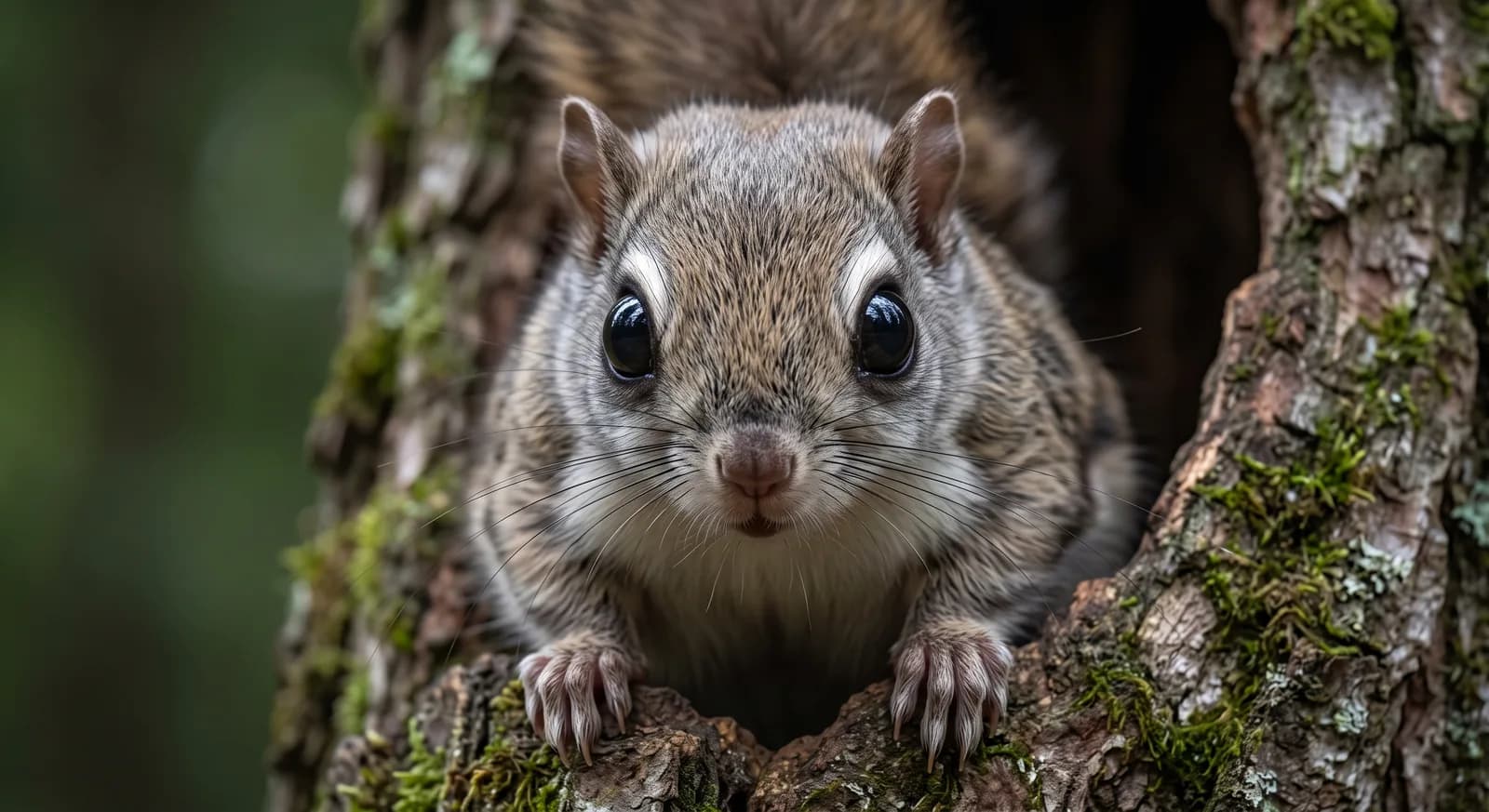 Least Concern
Siberian Flying Squirrel
Pteromys volans
Viviparous Lizard
Zootoca vivipara
Grey Plover
Pluvialis squatarola
Korean Brown Frog
Rana coreana
Keep exploring
Based on what we already know about siberian salamander.
Comments
Share an experience, a fun fact or a tip for seeing the siberian salamander.
Be the first to comment.