One of the 10 newts on WAnimals
Amphibians · Caudata · Salamandridae
Great Crested Newt
Triturus cristatus
The species is abundant and widely distributed; it faces no significant short-term risk. See full glossary
Males grow a striking jagged crest along the back and tail in the breeding season, used in elaborate courtship displays.
Size
up to 20 cm
Lifespan
8 years
Diet
Carnivore
Feeds mainly on other animals.
Activity
Nocturnal
Active mainly at night.
Social structure
Solitary
Lives and hunts alone, joining others only to breed.
Sighting difficulty
Easy
Fun facts
- Its skin produces a milky, acrid secretion that works as a chemical defence against predators.
- It eats aquatic invertebrates, tadpoles and even small newts.
- It is the largest newt in Great Britain, living in large fish-free ponds.
- In spring the male grows a tall, jagged dorsal crest that gives him the look of a dragon, and with it he performs an elaborate courtship dance in front of the female, fanning pheromones towards her with his tail.
- There is no contact: the male deposits a spermatophore on the bottom and guides the female to it.
- The female wraps each egg, one by one, in an aquatic leaf she folds with her hind legs. She can spend weeks doing it.
- Half of its eggs always die from an inherited chromosomal abnormality that cannot be eliminated: a genetic burden fixed in the species.
- It is strictly protected throughout the European Union under the Habitats Directive, and in the United Kingdom its presence shapes public works projects.
- It needs fish-free ponds, because fish prey on its larvae, and that requirement explains much of its decline.
Life cycle & biology
- Skeleton type
- Vertebrate - internal bony skeleton (amphibian)
- Habitat & environment
- Large fish-free ponds and the woodland around them in Great Britain, northern and central continental Europe and western Siberia
- Birth weight
- A tiny larva on hatching, each wrapped in the leaf of a water plant
- Size at birth
- Tiny at hatching
- Sexual maturity
- 2-4 years (after 1-2 years as a larva)
- Gestation / incubation
- 14-35 days of egg development
- Litter / clutch size
- ~200-225 eggs per female, each wrapped in the leaf of a water plant
- Lifespan in captivity
- Documented record of up to 28 years in captivity
Sources consulted: AnAge (genomics.senescence.info); National Geographic; DU Waterscapes; Animalia.bio; EBSCO Research Starters; Kintbury Eco Centre; Wikipedia (Northern crested newt); The Animal Facts; JNCC
Where to find it
See its range on the interactive mapWhere to watch it
Parques y spots de buceo donde se ha documentado esta especie — se muestran 10 de 50 documentados.
Related species
Other species in the catalogue with the most in common with Great Crested Newt — same habitat, park, country, tags or family.
Palmate Newt
Lissotriton helveticus
Smooth Newt
Lissotriton vulgaris
 Least Concern
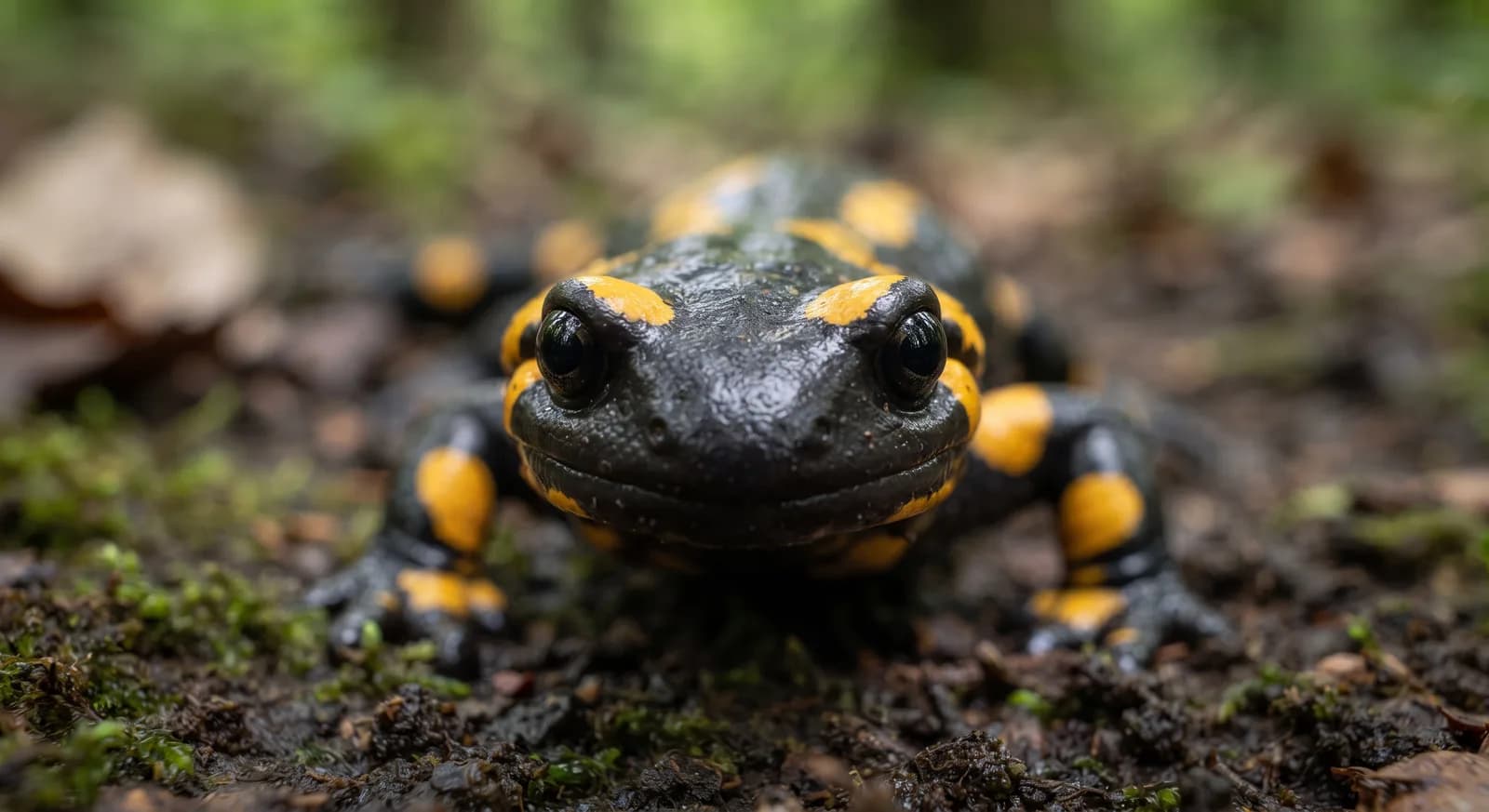
Fire Salamander
Salamandra salamandra
Marbled Newt
Triturus marmoratus
Sharp-ribbed Salamander
Pleurodeles waltl
 Least Concern
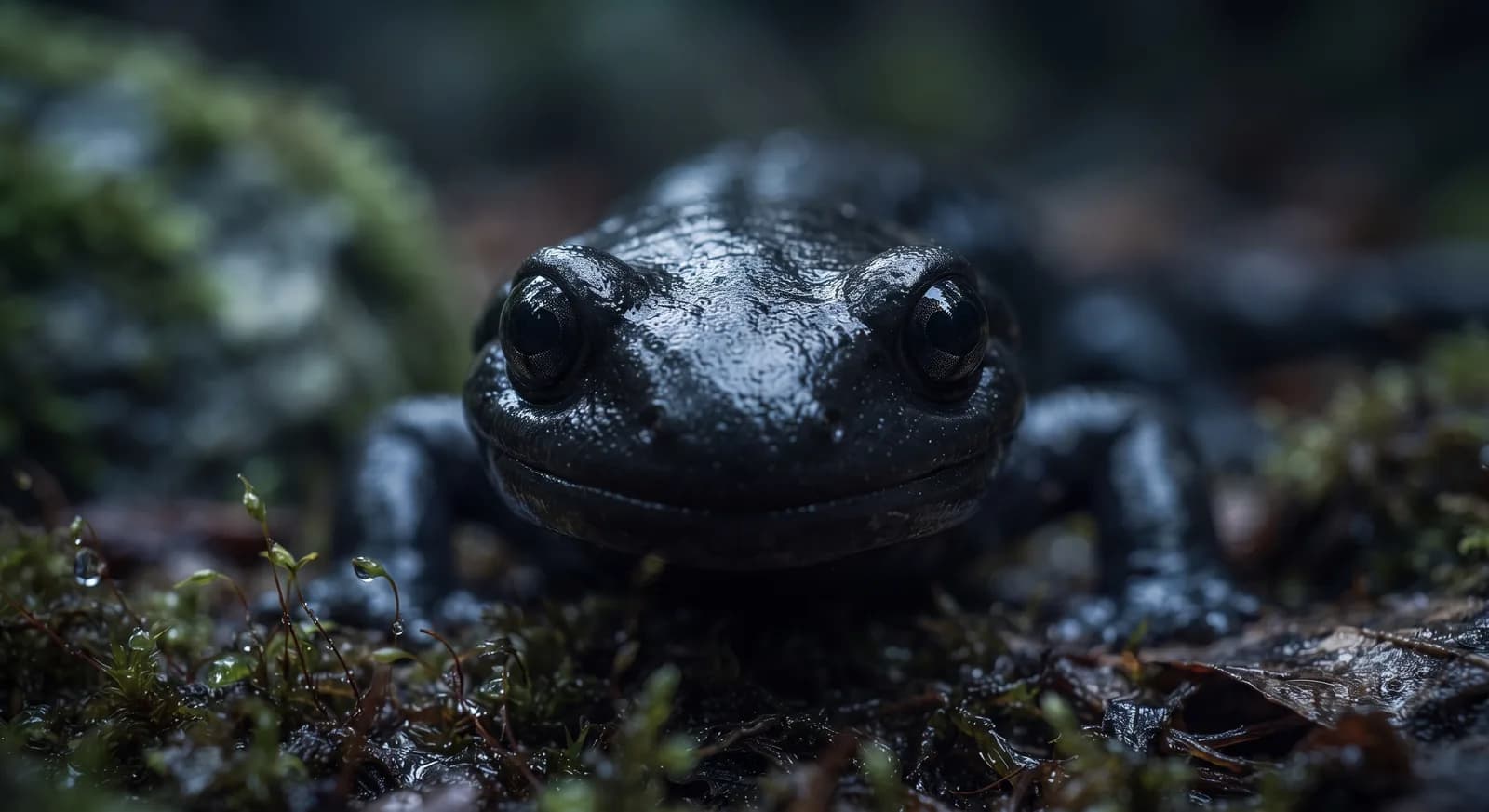
Alpine Salamander
Salamandra atra
Keep exploring
Based on what we already know about great crested newt.
Comments
Share an experience, a fun fact or a tip for seeing the great crested newt.
Be the first to comment.