One of the 13 seals on WAnimals
Mammals · Carnivora · Phocidae
Crabeater Seal
Lobodon carcinophaga
The species is abundant and widely distributed; it faces no significant short-term risk. See full glossary
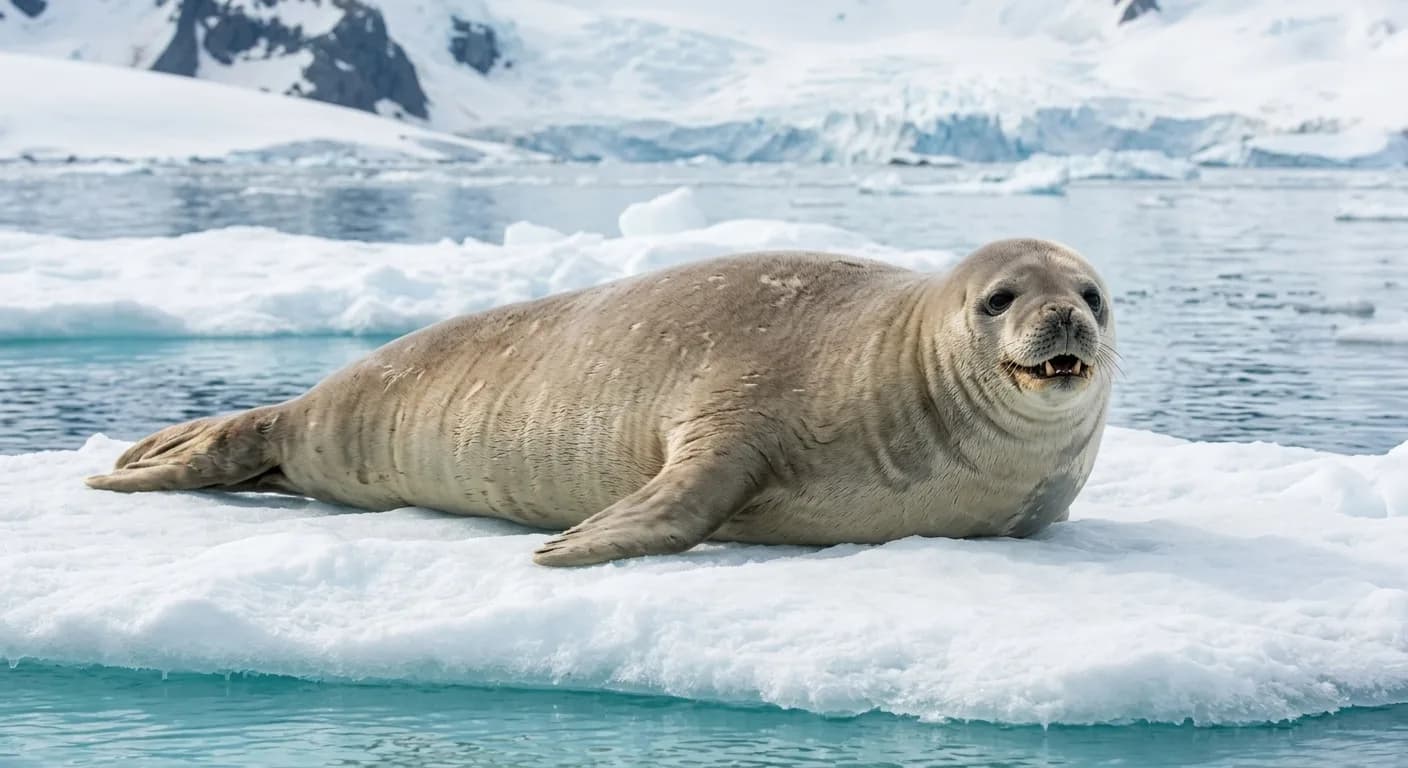
The crabeater seal is by far the most abundant seal on the planet and probably the most numerous large wild mammal after humans and a few rodents. Its name is a mistake: it does not eat crabs but Antarctic krill, which it filters from the water with extraordinarily modified teeth. It lives on the drifting ice of the Southern Ocean and rarely comes near land. Most adults carry parallel scars from leopard seal attacks suffered when young.
Weight
200 kg – 300 kg
Size
2.1 m – 2.6 m
Lifespan
25 years
Diet
Carnivore
Feeds mainly on other animals.
Activity
Nocturnal
Active mainly at night.
Social structure
Solitary
Lives and hunts alone, joining others only to breed.
Sighting difficulty
Easy
Estimated population
Several million individuals; it is the most abundant seal in the world
Fun facts
- GeneralIt is the most abundant seal on the planet, and its teeth strain krill, not crabs.
- Its molars have interlocking cusps that form a sieve: it closes its mouth and forces the water out between its teeth, keeping the krill, a solution convergent with the baleen of whales.
- There may be more than a million of these seals spread across the Antarctic pack ice, which makes it the most abundant seal in the world even though hardly anyone has seen one.
Life cycle & biology
- Skeleton type
- Vertebrate - internal bony skeleton (mammal)
- Habitat & environment
- Drifting pack ice of the Southern Ocean, all around the Antarctic continent
- Sexual maturity
- 4 years
- Gestation / incubation
- 8.5 months
- Litter / clutch size
- 1
Sources consulted: https://www.iucnredlist.org/ | https://animaldiversity.org/ | https://es.wikipedia.org/
Where to find it
See its range on the interactive mapWhere to watch it
Parques y spots de buceo donde se ha documentado esta especie — se muestran 13 de 17 documentados.
Related species
Other species in the catalogue with the most in common with Crabeater Seal — same habitat, park, country, tags or family.
 Least Concern
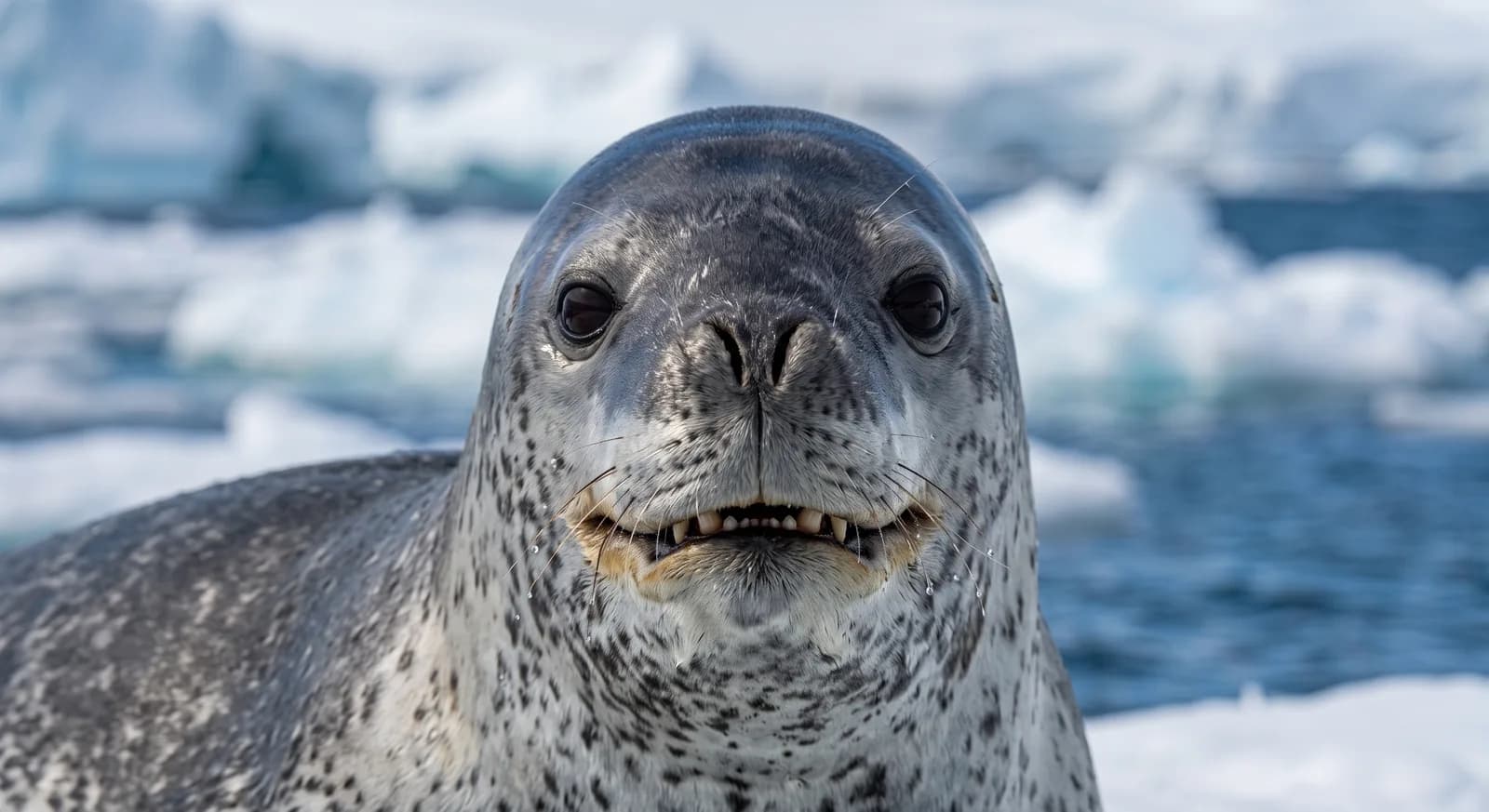
Leopard Seal
Hydrurga leptonyx
 Least Concern
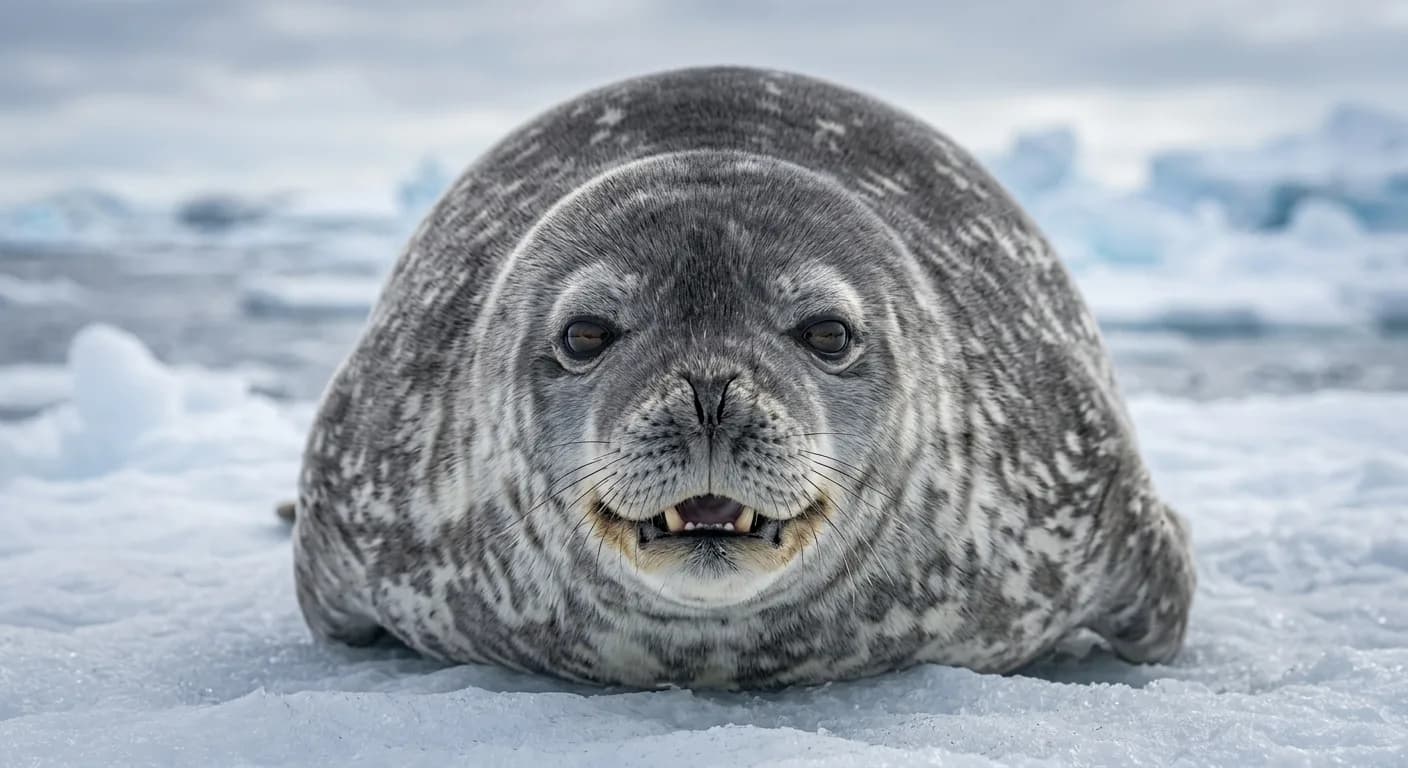
Weddell Seal
Leptonychotes weddellii
 Vulnerable
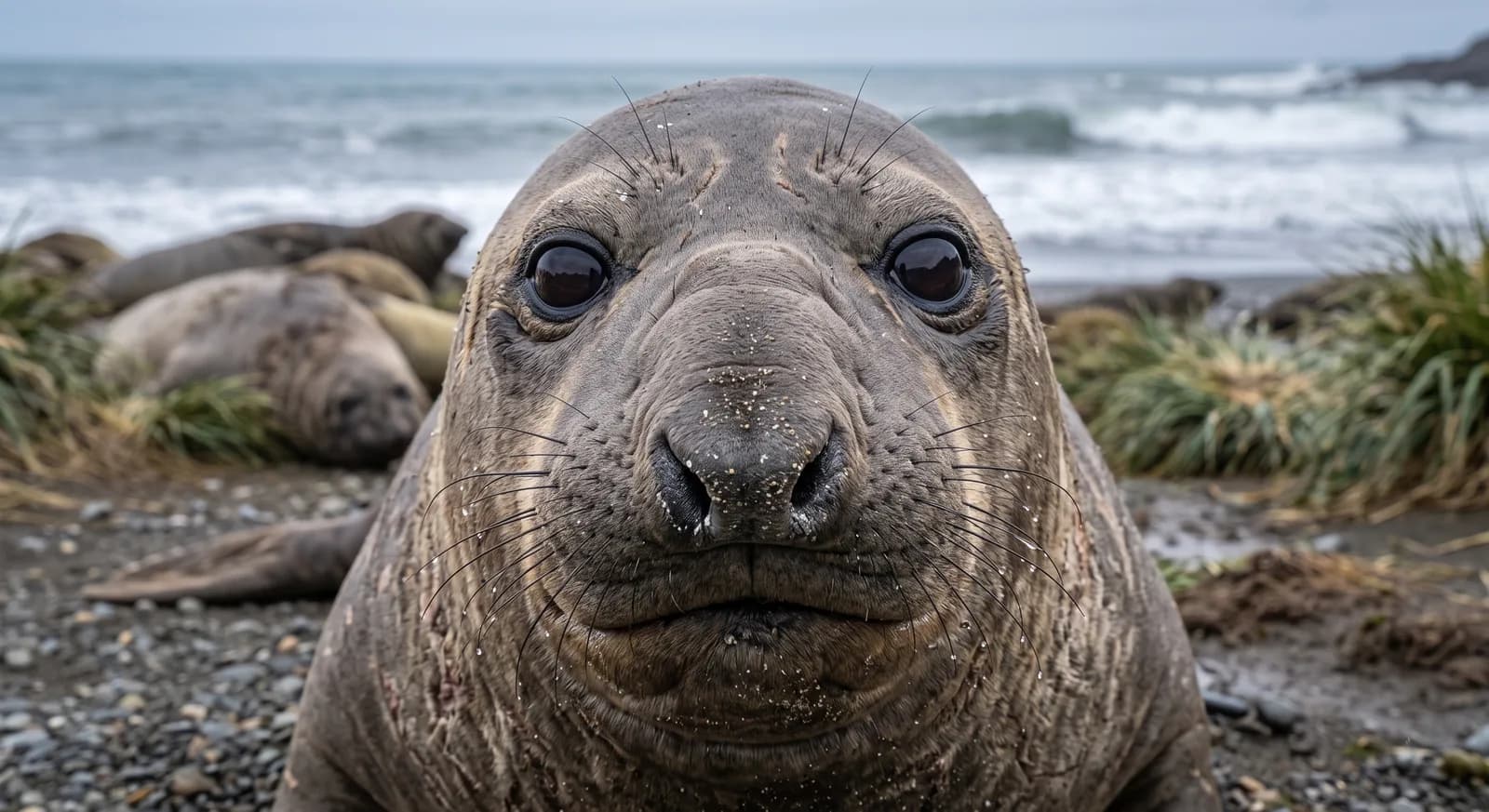
Southern Elephant Seal
Mirounga leonina
Minke Whale
Balaenoptera acutorostrata
Porbeagle
Lamna nasus
 Least Concern
Chinstrap Penguin
Pygoscelis antarcticus
Keep exploring
Based on what we already know about crabeater seal.
Comments
Share an experience, a fun fact or a tip for seeing the crabeater seal.
Be the first to comment.