Latvia
Europa
Latvia combines a Baltic coastline of almost five hundred kilometres with an interior of forests, peatlands and little-altered rivers. More than half the country is forested, and the Gauja valley, with its red sandstone outcrops and incised meanders, forms the oldest and most visited national park. The Ķemeri bogs, crossed by wooden boardwalks over a mosaic of pools and dwarf pines, are the most accessible example of a habitat type that covers much of the country. The fauna includes wolf, lynx, moose, black stork and a very high density of beavers. On the coast, Cape Kolka, where the Gulf of Riga meets the open sea, works as a migration funnel on a continental scale. The flood meadows of the Dviete river keep extensive grazing with hardy horses and cattle that hold the landscape open.
The nature of Latvia
National animal: The white wagtail is the national bird; the two-spot ladybird is the national insect
Did you know?
The European beaver became extinct in Latvia in 1871 through hunting for its pelt and for castoreum. In 1927 a few animals brought from Norway were released and, with no predators able to check them and an abundance of rivers and willows, the population grew to be counted today in the tens of thousands. Their dams have recreated wetlands that benefit amphibians and birds, though they also flood crops and roads.
Biodiversity profile
Climate
- •Continental humedo (Dfb), con influencia moderadora del Mar Baltico
Main biomes
- •Bosque boreal-templado mixto (cubre aprox. 50-54% del territorio)
- •Turberas extensas (Teiči, una de las mayores del Baltico)
- •Costa baltica y humedales del rio Gauja
- •Turbera elevada
- •Bosque boreal mixto
- •Duna costera
- •Prado inundable
- •Río meandriforme
- •Bosque de arenisca
- •Litoral báltico
Marine and coastal ecosystems
- •Costa del Mar Baltico, con el arenque baltico como especie caracteristica de las aguas salobres de baja salinidad
Flagship wildlife
- •Ciguena negra (humedales)
- •Lince euroasiatico y lobo (bosques)
- •Rana arboricola europea (Ķemeri)
- •Aves acuaticas migratorias en las turberas
- •Castor europeo
- •Lobo gris
- •Lince boreal
- •Alce
- •Nutria paleártica
- •Pigargo europeo
- •Grulla común
- •Foca gris
- •Águila pomerana
Notable endemic species
- •Mas de 30.000 especies de plantas y animales registradas, muchas endemicas o raras a escala regional, reflejo de la posicion de Letonia en la interseccion entre la zona boreal y la zona de bosque caducifolio templado
Notable threatened species
- •Especies de turbera y humedal (ciguena negra, entre otras) vulnerables al drenaje historico y al cambio climatico
Notable protected areas
- •Parque Nacional de Gauja (mayor y mas antiguo parque nacional del pais)
- •Parque Nacional de Ķemeri (humedales, bogs, lodo medicinal)
- •Reserva Natural de Teiči (uno de los mayores pantanos del Baltico)
- •Parque Nacional de Slītere
- •Parque Nacional de Rāzna
- •Cabo Kolka
- •Prados inundables del Dviete
Main conservation threats
- •Contaminacion y sobrepesca en el Mar Baltico, ecosistema de baja salinidad especialmente vulnerable
- •Presion sobre habitats de turbera por drenaje historico
Notable natural phenomena
- •El pantano de Teiči, con 18 pequeños lagos formados en su interior, es uno de los mayores ecosistemas de turbera del area baltica
Conservation
Cape Kolka and the Slītere coast are key points on the eastern Baltic migratory route. The hydrological restoration of the Ķemeri bogs reversed decades of drainage and brought back its sulphurous springs.
Where and when to watch wildlife
Cape Kolka in April and May, when hundreds of thousands of birds can pass in a single day. Ķemeri at dawn from the bog tower. Inland rivers at dusk for beavers.
Sources: latvia.eu - Environmental Protection Biodiversity Latvia | BioDB.com - Latvia | earth-site.co.uk - Flora and Fauna Latvia | Wikipedia - Teiči Nature Reserve
Parks and reserves
Gauja
Latvia's first and largest national park, with Devonian sandstone cliffs above the Gauja valley.
View parkNational ParkĶemeri
A great raised bog beside the Gulf of Riga, with sulphur springs that gave rise to a historic spa.
View parkNational ParkRāzna
The "sea of Latgale", a large glacial lake in south-eastern Latvia surrounded by hills and traditional villages.
View parkNational ParkSlītere
The ancient shoreline of the Ancylus Lake above Cape Kolka, in the historic territory of the Livonian people.
View parkEspecies documentadas en Latvia
470 species found
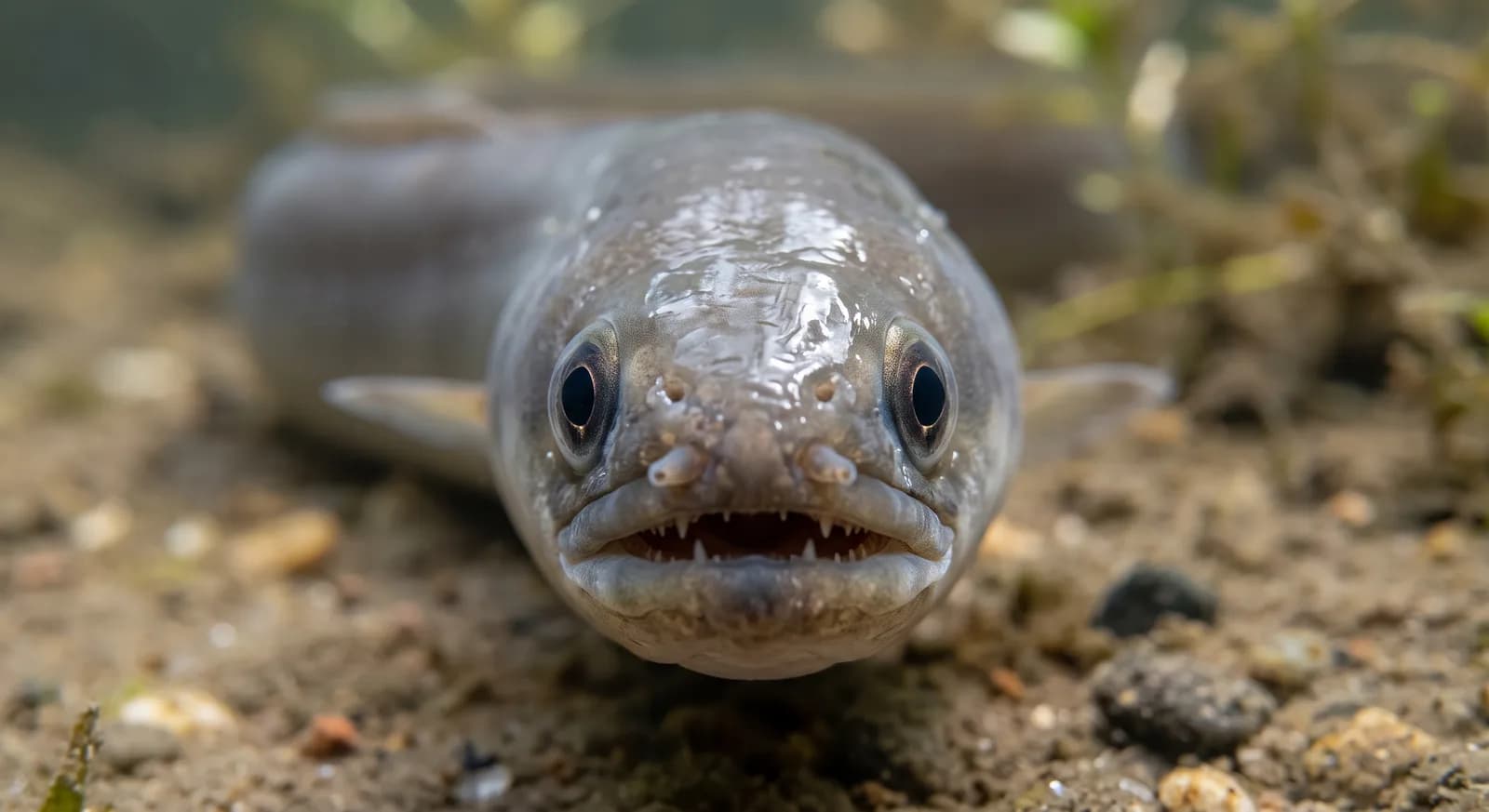 Critically Endangered
European Eel
Anguilla anguilla
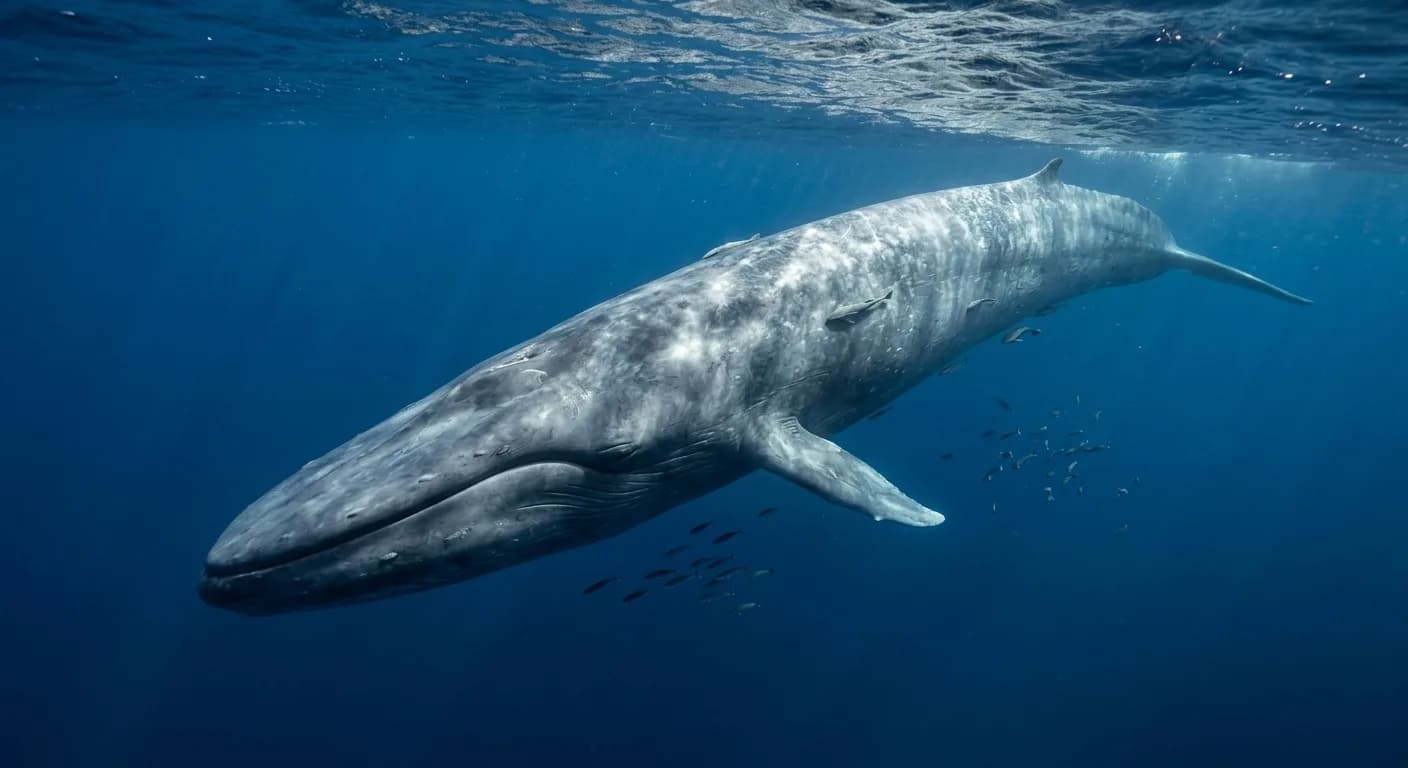 Endangered
Blue Whale
Balaenoptera musculus
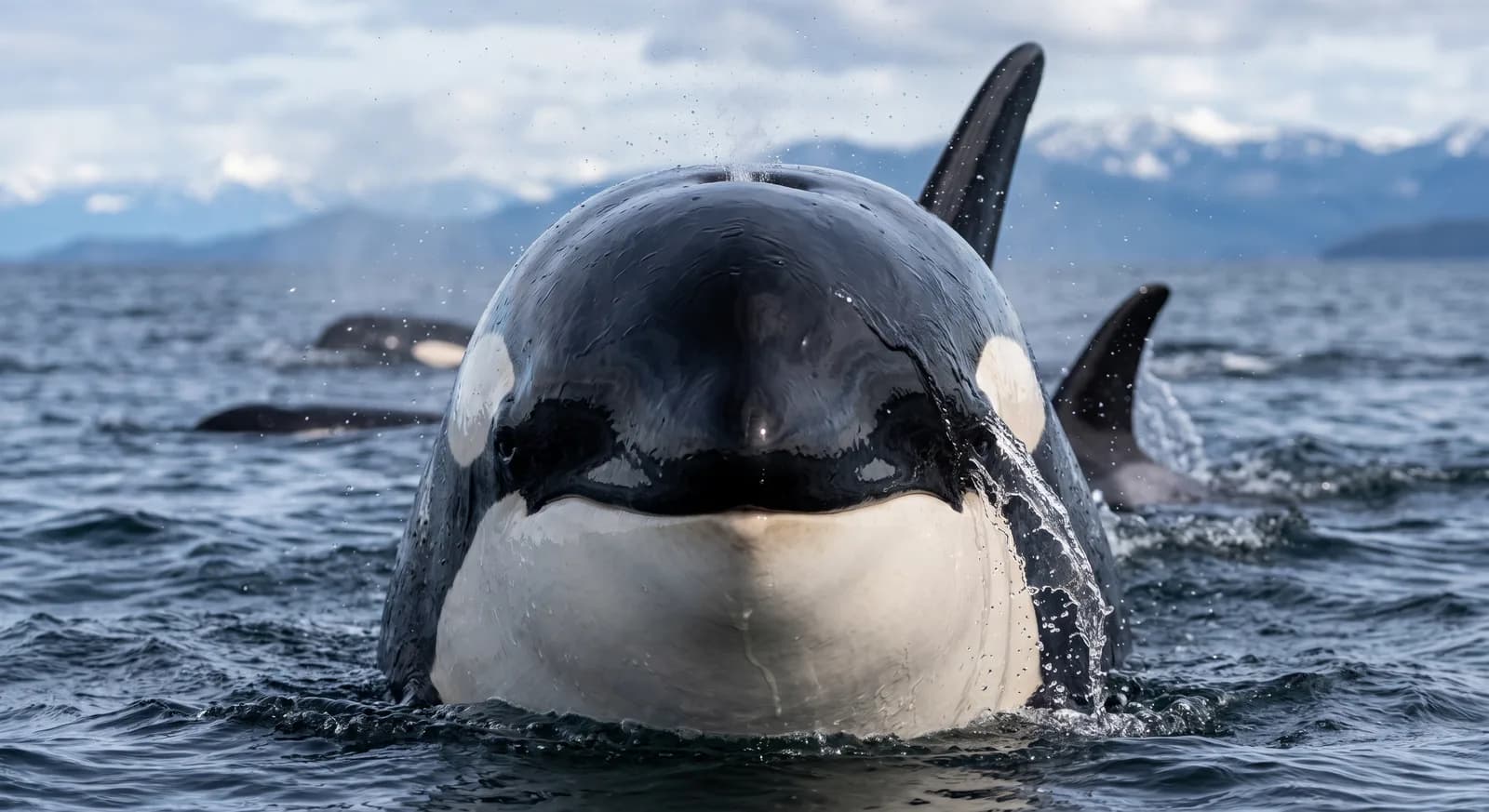 Endangered
Killer Whale
Orcinus orca
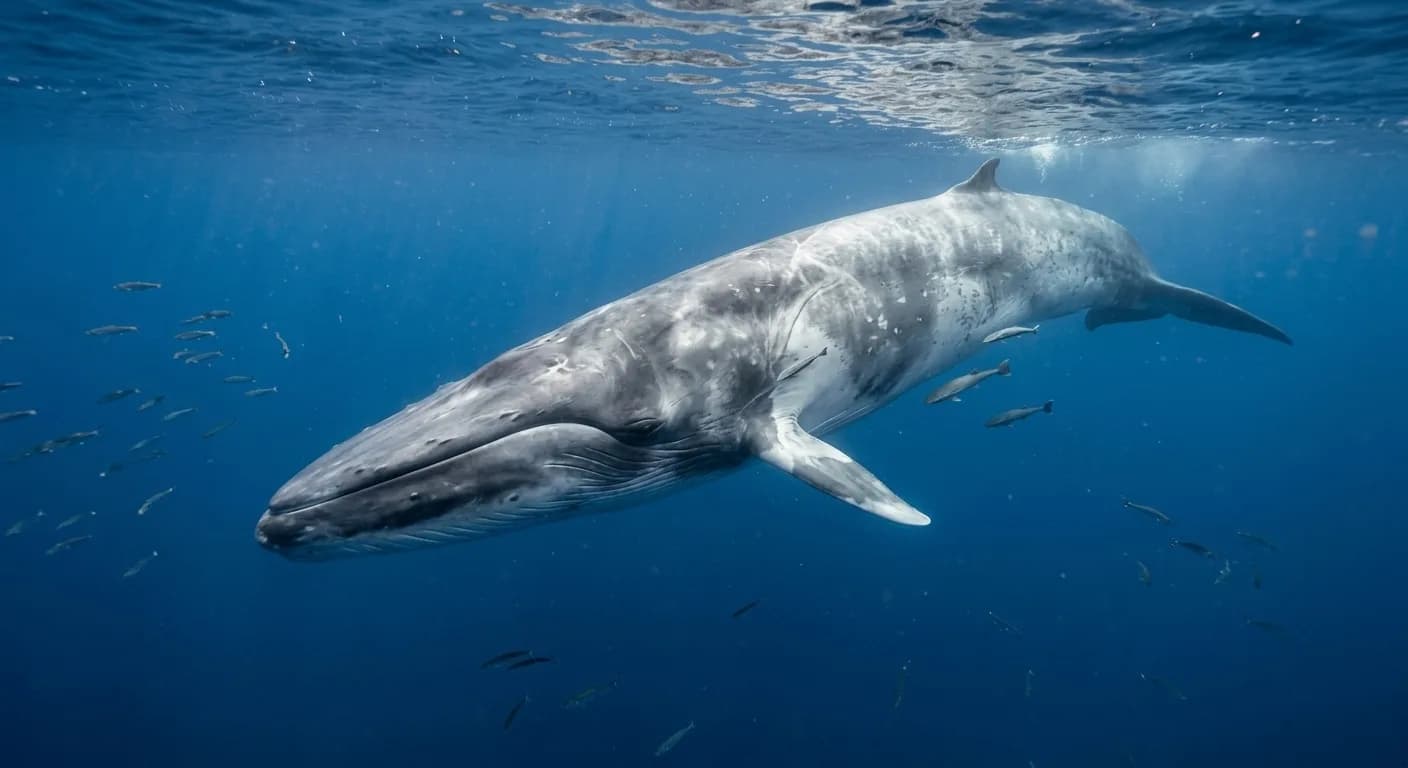 Endangered
Fin Whale
Balaenoptera physalus
 Endangered
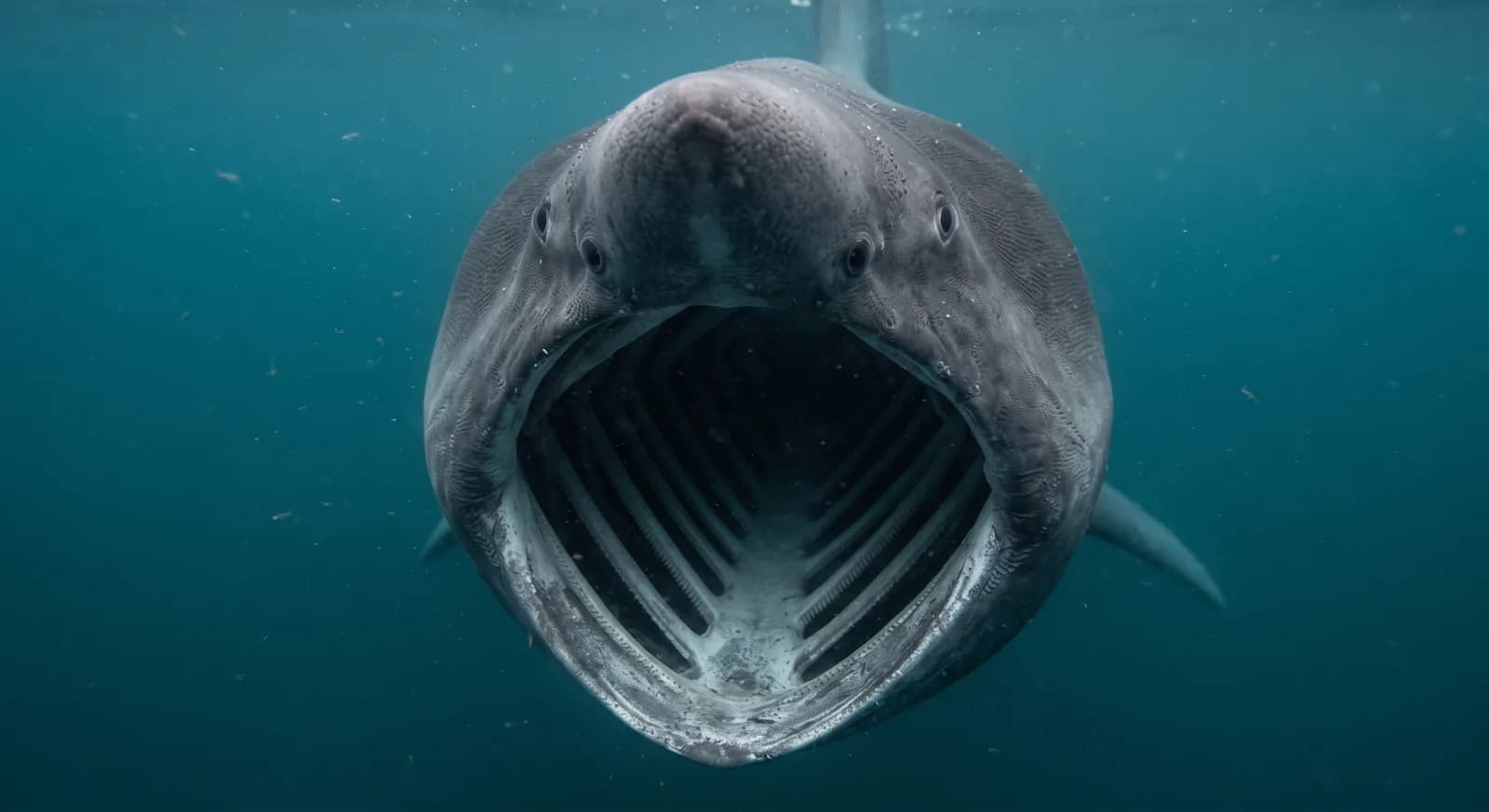
Basking Shark
Cetorhinus maximus
 Vulnerable
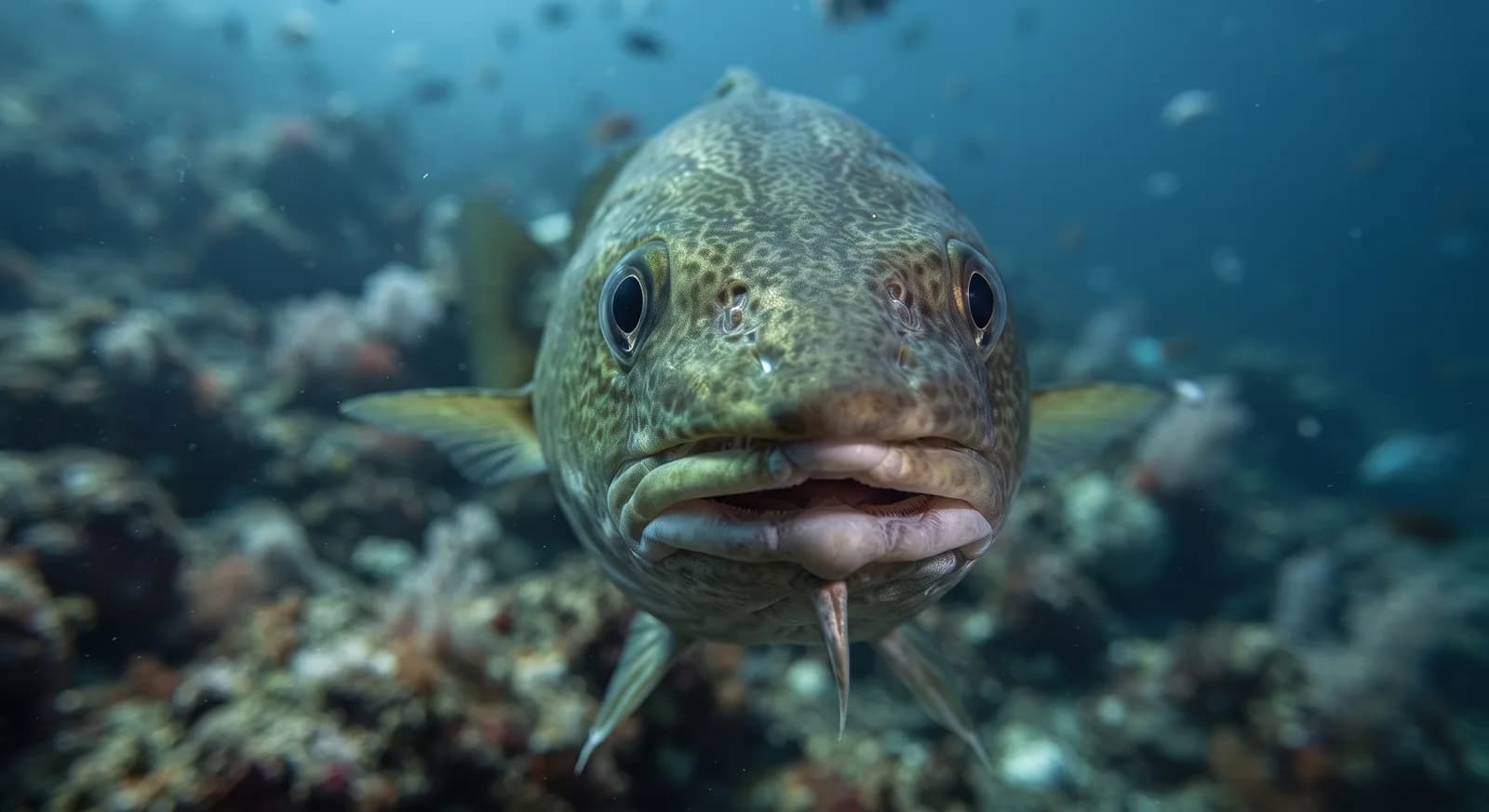
Cod
Gadus morhua
 Vulnerable
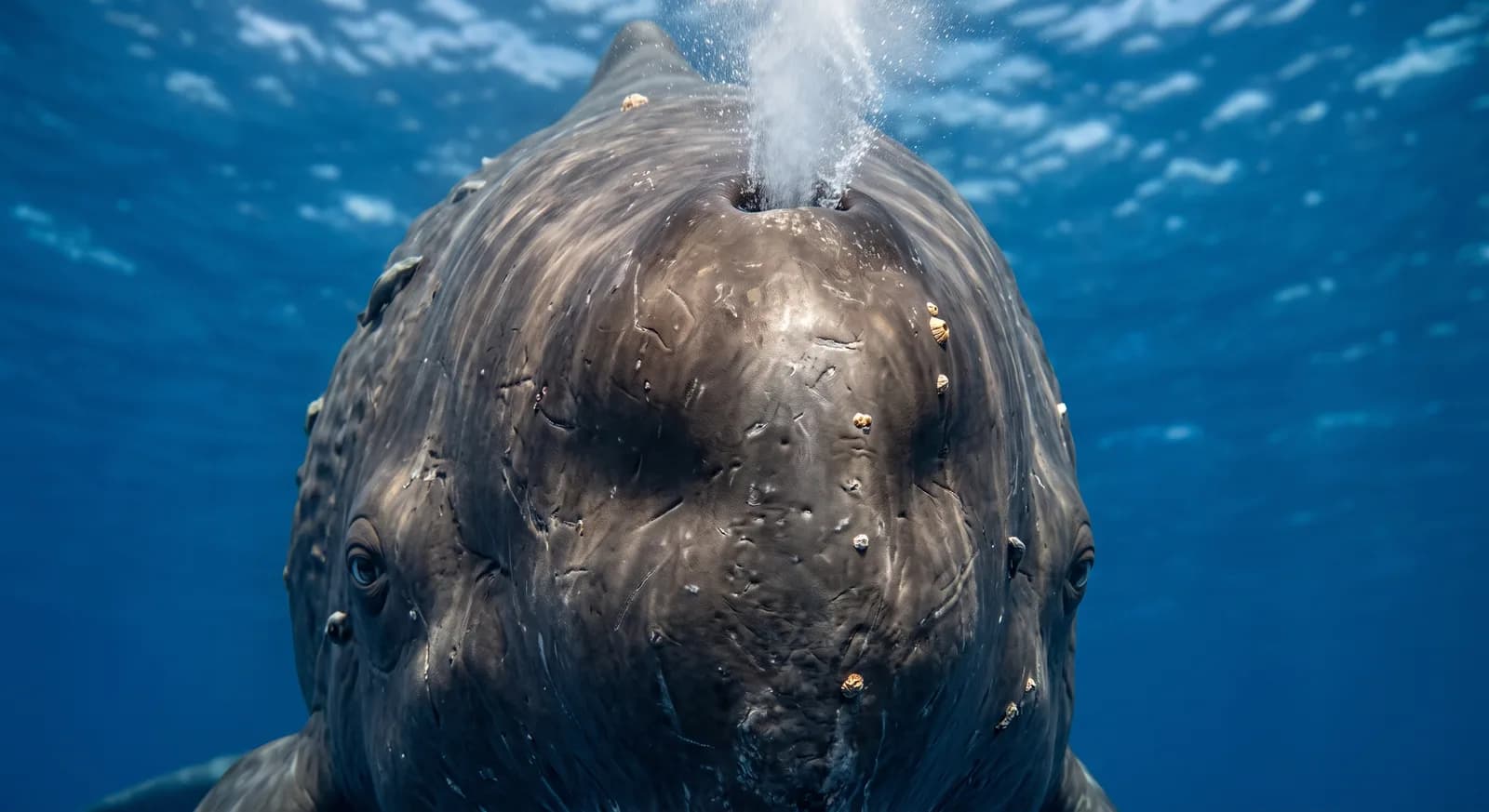
Sperm Whale
Physeter macrocephalus
 Vulnerable
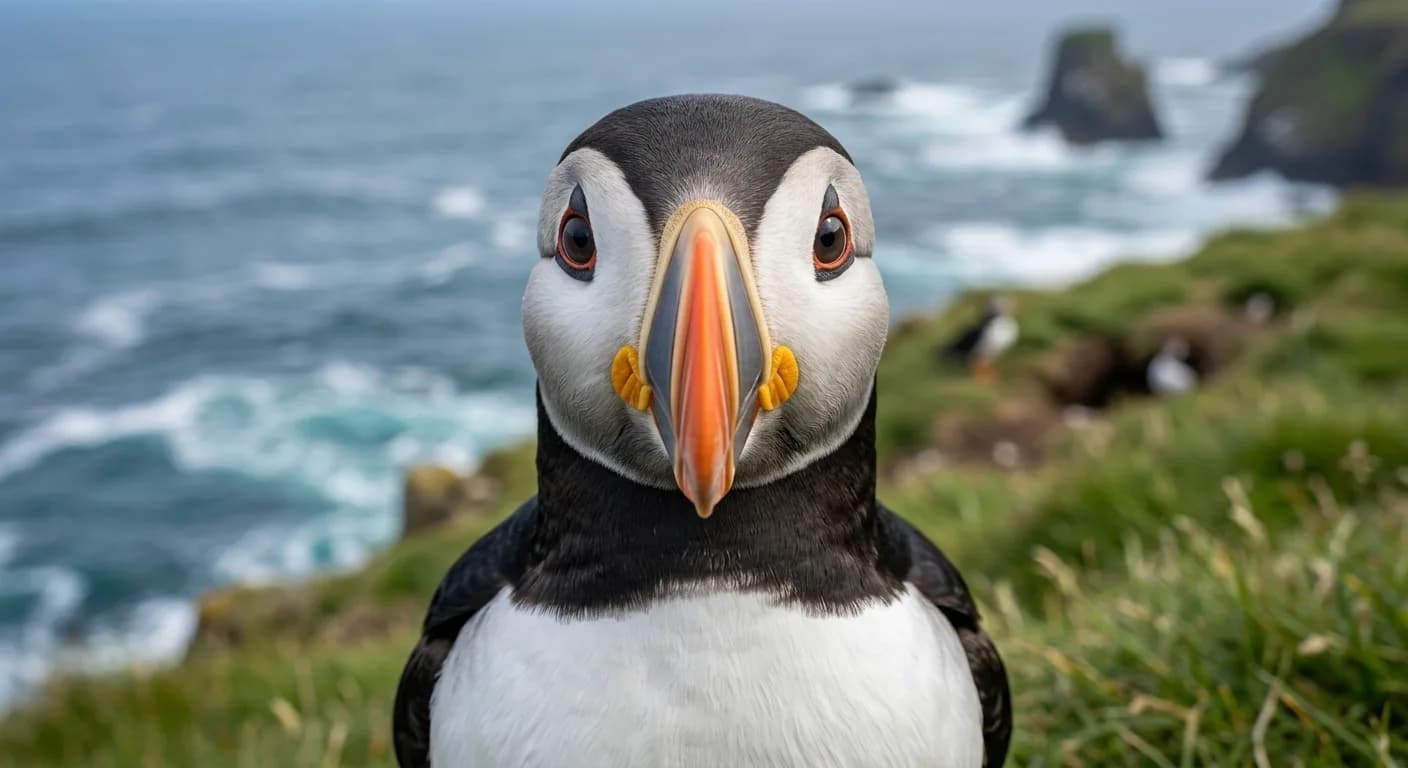
Atlantic Puffin
Fratercula arctica
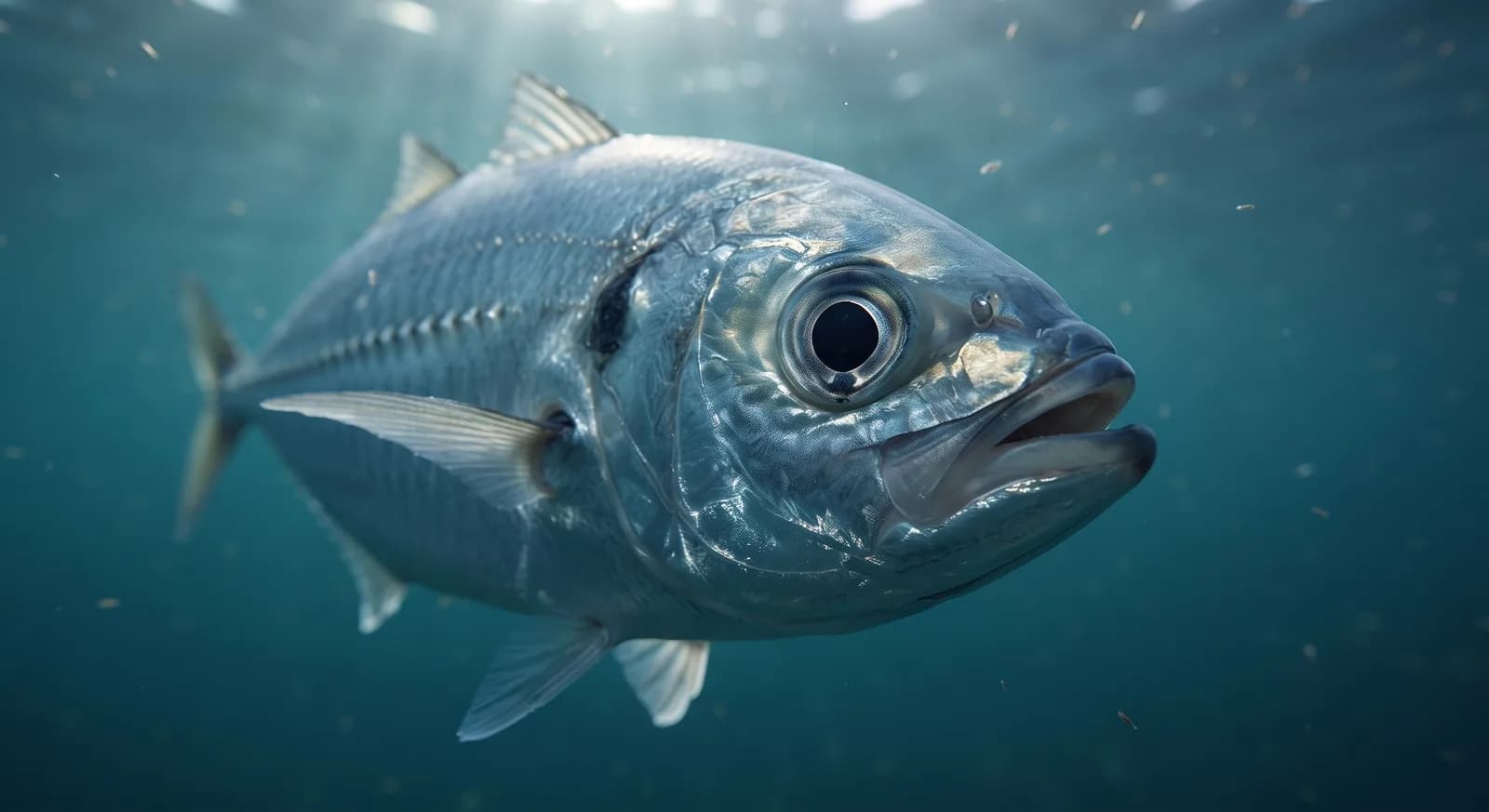 Vulnerable
Horse Mackerel
Trachurus trachurus
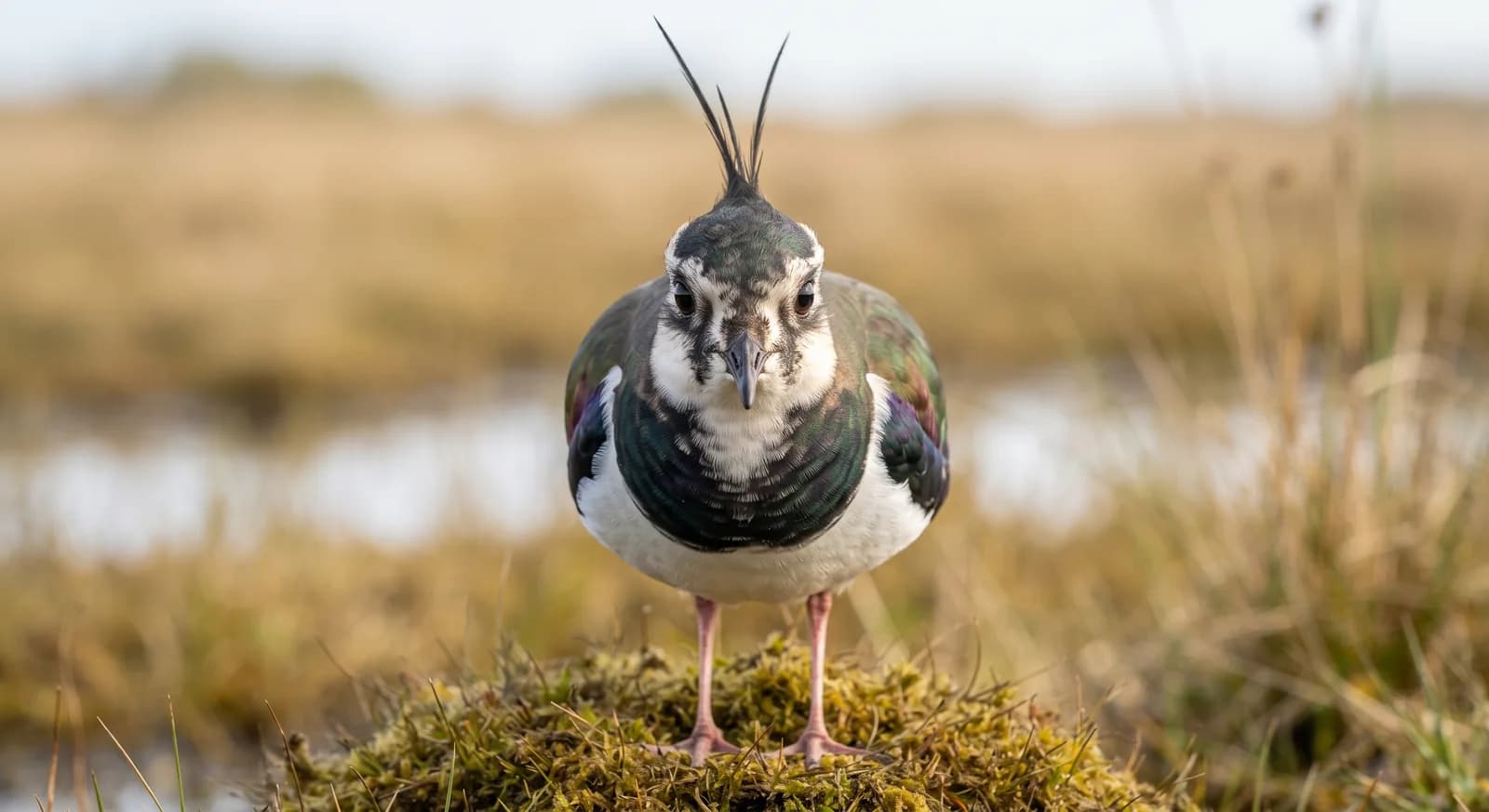 Near Threatened
Northern Lapwing
Vanellus vanellus
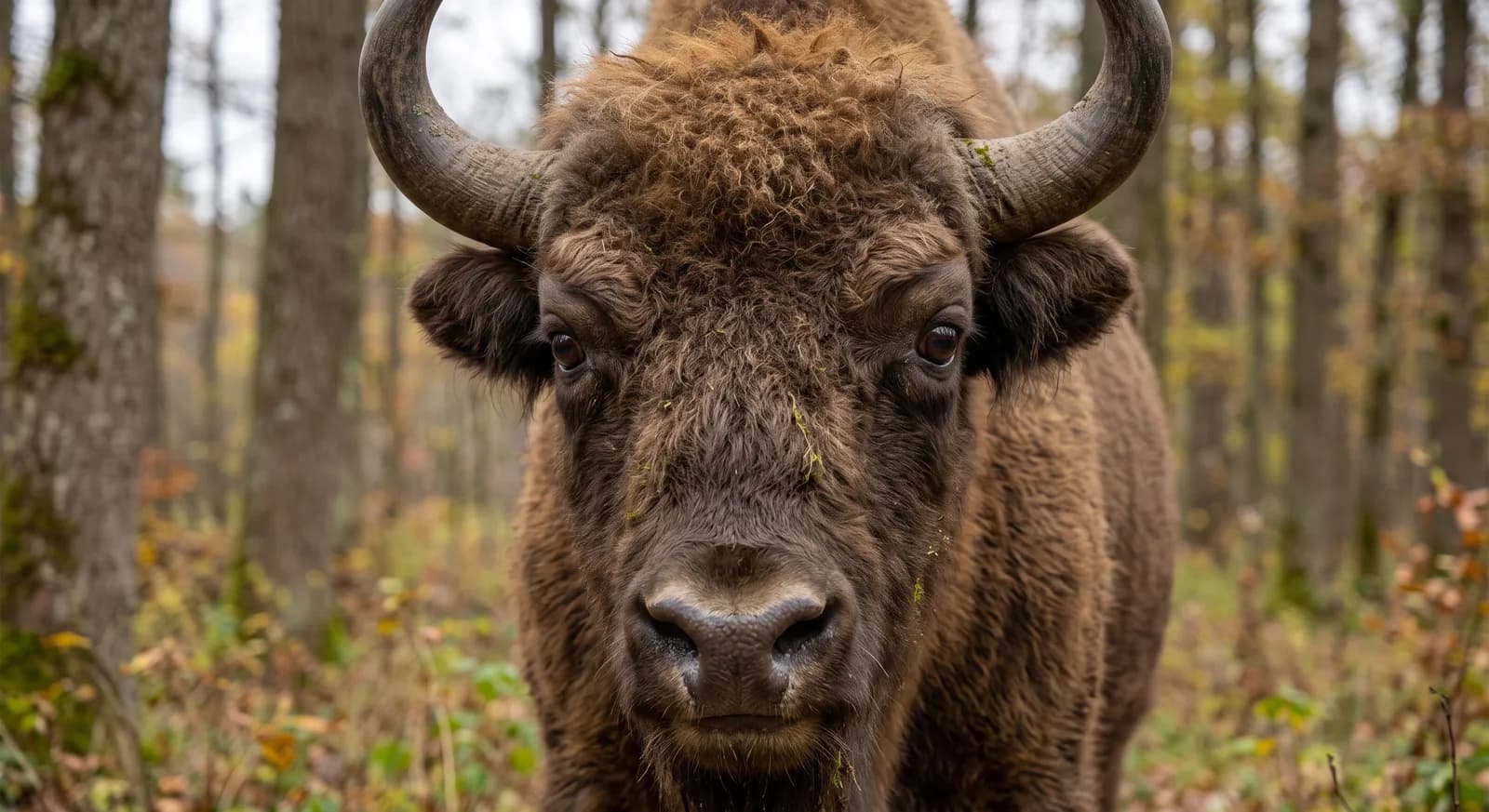 Near Threatened
European Bison
Bison bonasus
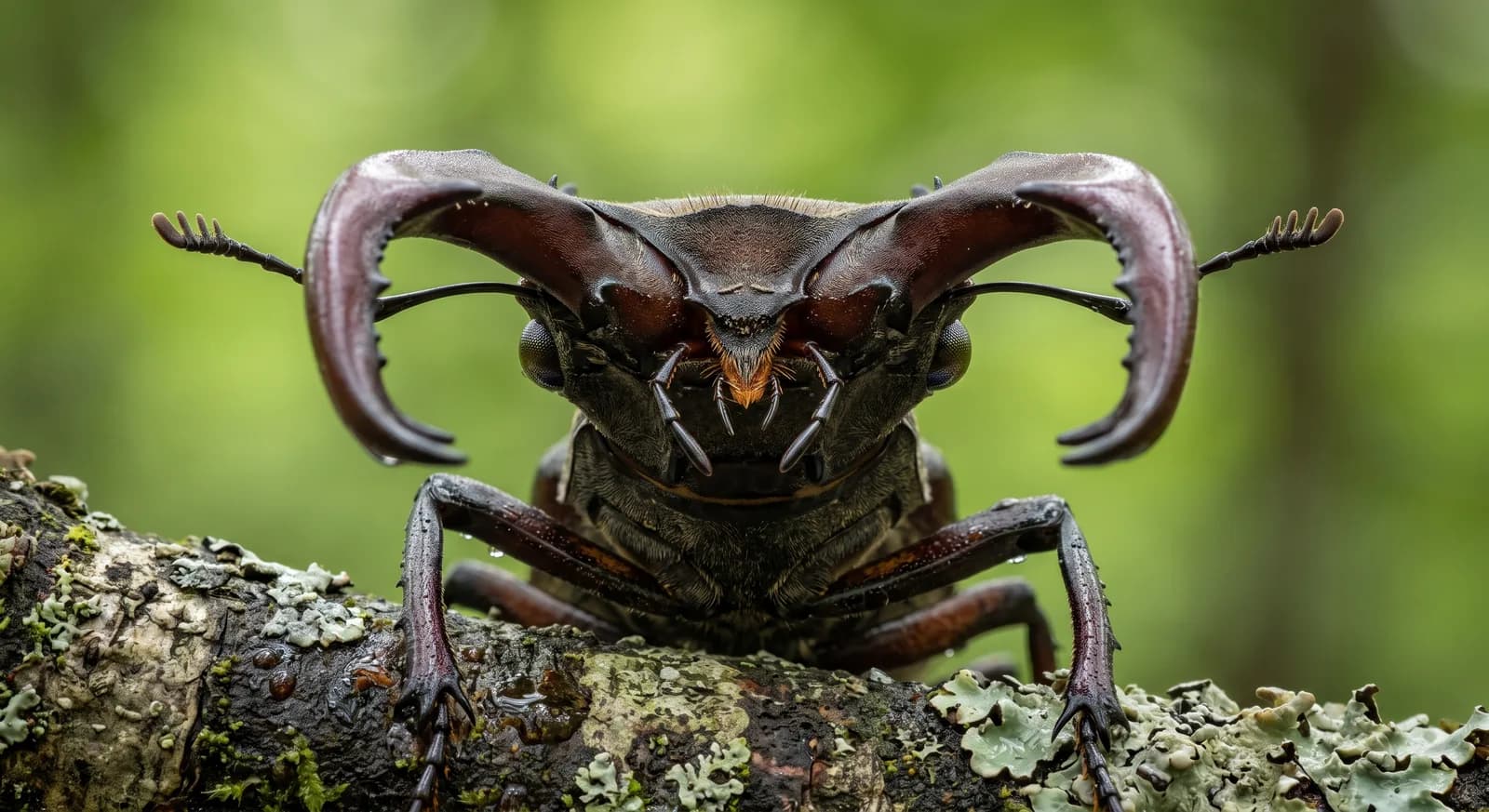 Near Threatened
Stag Beetle
Lucanus cervus
Keep exploring
Based on what we already know about Latvia.