Cartilaginous fish · Torpediniformes · Torpedinidae
Marbled Electric Ray
Torpedo marmorata
It faces a high risk of extinction in the wild over the medium term. See full glossary
It can generate electric discharges of up to 200 volts to stun prey and deter predators. Its electric organs are fully working before birth, so the young can hunt by shock from the outset.
Weight
up to 3 kg
Size
30 cm – 1 m
Lifespan
20 years
Diet
Carnivore
Feeds mainly on other animals.
Activity
Nocturnal
Active mainly at night.
Social structure
Solitary
Lives and hunts alone, joining others only to breed.
Sighting difficulty
Moderate
Fun facts
- It can generate electric discharges of up to 200 volts.
- Its electric organs are already working before it is born.
- It hunts by wrapping its pectoral fins around prey before stunning it.
- It discharges up to 200 volts, at a frequency of up to 600 hertz, to stun prey or defend itself.
- Its electric organs work even before birth: the electric cells begin to form when the embryo weighs barely a gram, and newborns can use the discharge to capture prey.
- It hunts by ambush at night, and by day lies buried with only its eyes and spiracles above the sand.
- It hunts not by sight but by electricity: it detects and stuns its prey without needing to see it.
- It withstands very low levels of dissolved oxygen, which is why it turns up even in tidal pools.
- Its discharges were used in ancient medicine to treat pain; the genus name comes from the Latin torpere, to numb.
Life cycle & biology
- Skeleton type
- Vertebrate - cartilaginous skeleton (chondrichthyan fish)
- Habitat & environment
- Sandy, rocky and seagrass bottoms of the eastern Atlantic, from northern Britain to South Africa, the Mediterranean included
- Birth weight
- Born live (ovoviviparous), 10-14 cm long
- Size at birth
- 10-14 cm in total length at birth, its electric organs already working
- Sexual maturity
- Male: ~5 years (21-29 cm) | Female: ~12 years (31-39 cm)
- Gestation / incubation
- A breeding cycle of roughly 2 years in the female (9-12 months of gestation after mating)
- Litter / clutch size
- 3 to 32 young per litter, varying with the female's size
Sources consulted: AnAge; Save Our Seas Foundation; FishBase; Discover Fishes; Springer; Grokipedia; All Fishes
Where to find it
See its range on the interactive mapWhere to watch it
Parques y spots de buceo donde se ha documentado esta especie — se muestran 20 de 103 documentados.
Related species
Other species in the catalogue with the most in common with Marbled Electric Ray — same habitat, park, country, tags or family.
Ocellate Torpedo
Torpedo torpedo
Porbeagle
Lamna nasus
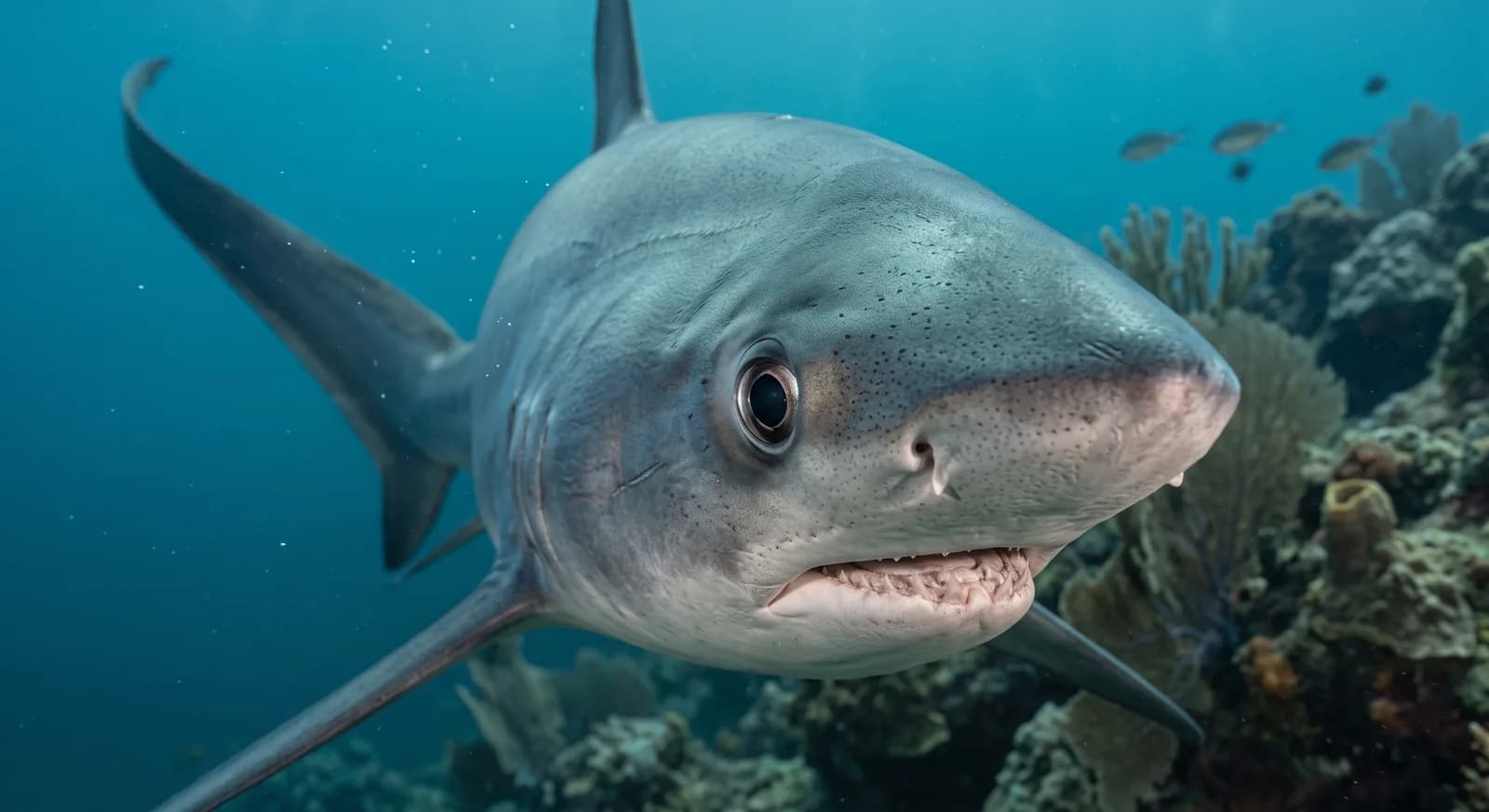 Vulnerable
Grayfish
Alopias vulpinus
Spurdog
Squalus acanthias
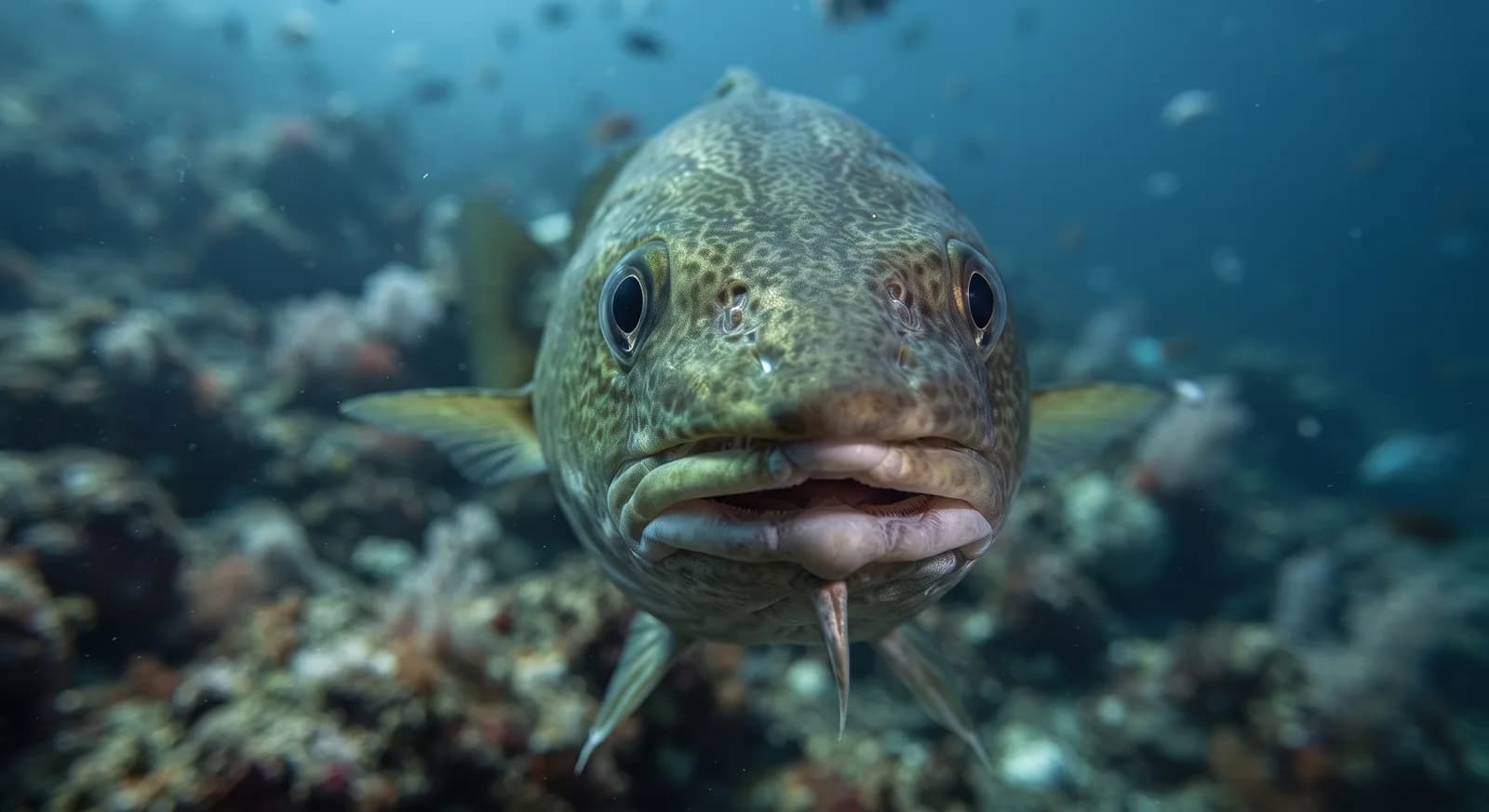 Vulnerable
Cod
Gadus morhua
Haddock
Melanogrammus aeglefinus
How to help
The marbled electric ray is classified as vulnerable. Organizations such as UICN, WWF y Wildlife Conservation Society work specifically on its conservation and that of its habitat; looking into their programs is a good starting point if you want to get involved.
It's documented in 17 real protected areas — part of why protecting these places matters for its conservation.
Keep exploring
Based on what we already know about marbled electric ray.
Comments
Share an experience, a fun fact or a tip for seeing the marbled electric ray.
Be the first to comment.