Cartilaginous fish · Torpediniformes · Torpedinidae
Ocellate Torpedo
Torpedo torpedo
It faces a high risk of extinction in the wild over the medium term. See full glossary
The ocellate torpedo, or common torpedo ray, is a medium-sized cartilaginous fish similar to the electric ray, a name that is also used for this fish itself.
Size
up to 60 cm
Diet
Carnivore
Feeds mainly on other animals.
Activity
Nocturnal
Active mainly at night.
Social structure
Solitary
Lives and hunts alone, joining others only to breed.
Sighting difficulty
Moderate
Fun facts
- It discharges up to 200 volts, both to stun prey and to defend itself. The electric organs, two kidney-shaped masses, show through the skin on either side of the head.
- It is identified by the blue ocelli on its back, usually five but ranging from none to nine.
- It ambushes prey at night, lying buried by day with only its eyes and spiracles exposed.
- In closely related species of the same genus the electric organs work before birth: newborns can already use the discharge to catch prey.
Life cycle & biology
- Skeleton type
- Vertebrate - cartilaginous skeleton (chondrichthyan fish)
- Habitat & environment
- Soft coastal bottoms of the eastern Atlantic and the Mediterranean — sandy plains and seagrass meadows — normally between 2 and 70 m, although it has been recorded down to 400 m
- Sexual maturity
- 4 years
- Litter / clutch size
- 3.4 (average)
Sources consulted: https://es.wikipedia.org/wiki/Torpedo_torpedo
Where to find it
See its range on the interactive mapWhere to watch it
Parques y spots de buceo donde se ha documentado esta especie — se muestran 10 de 69 documentados.
Related species
Other species in the catalogue with the most in common with Ocellate Torpedo — same habitat, park, country, tags or family.
Marbled Electric Ray
Torpedo marmorata
Porbeagle
Lamna nasus
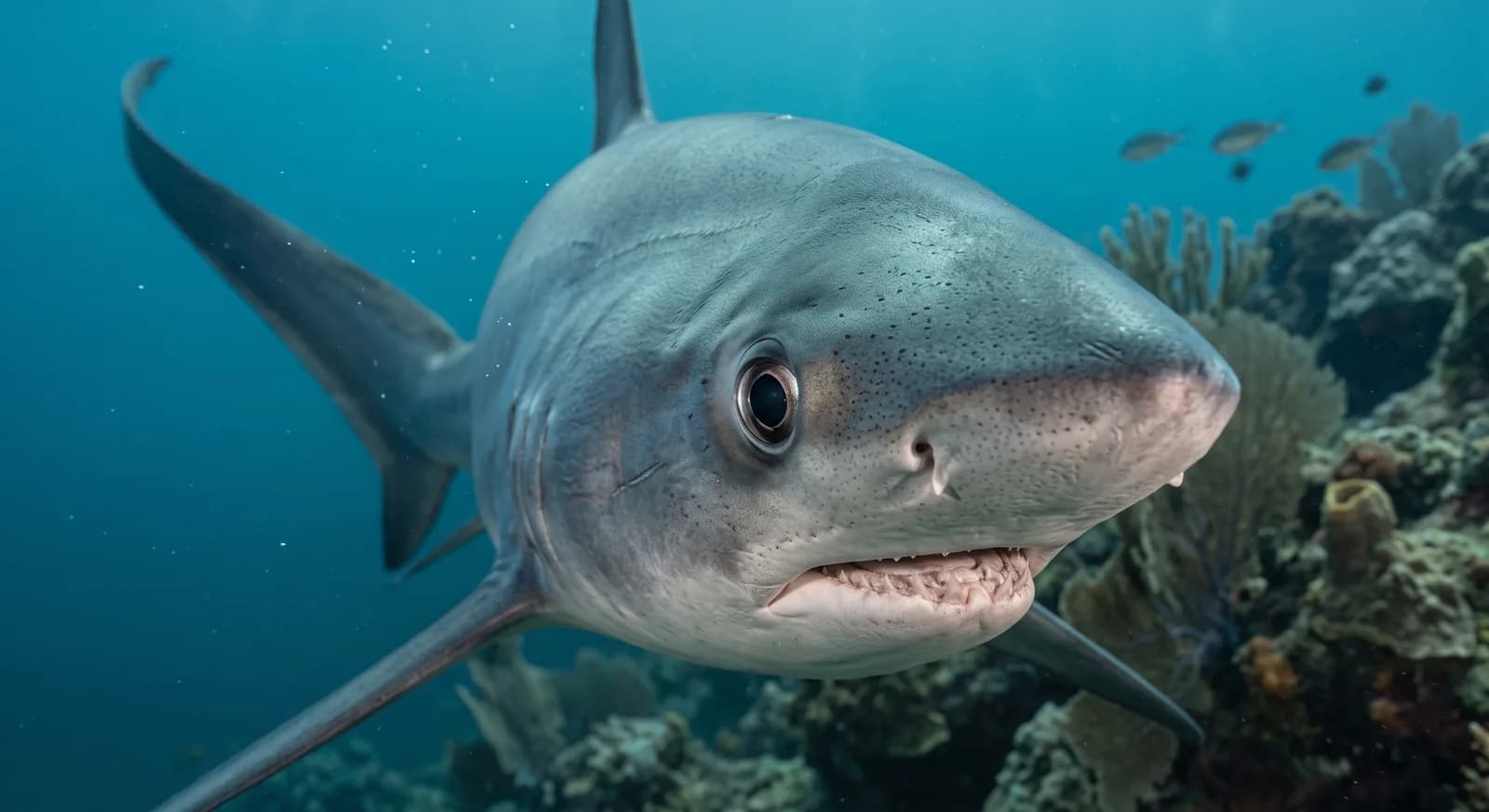 Vulnerable
Grayfish
Alopias vulpinus
Spurdog
Squalus acanthias
 Vulnerable
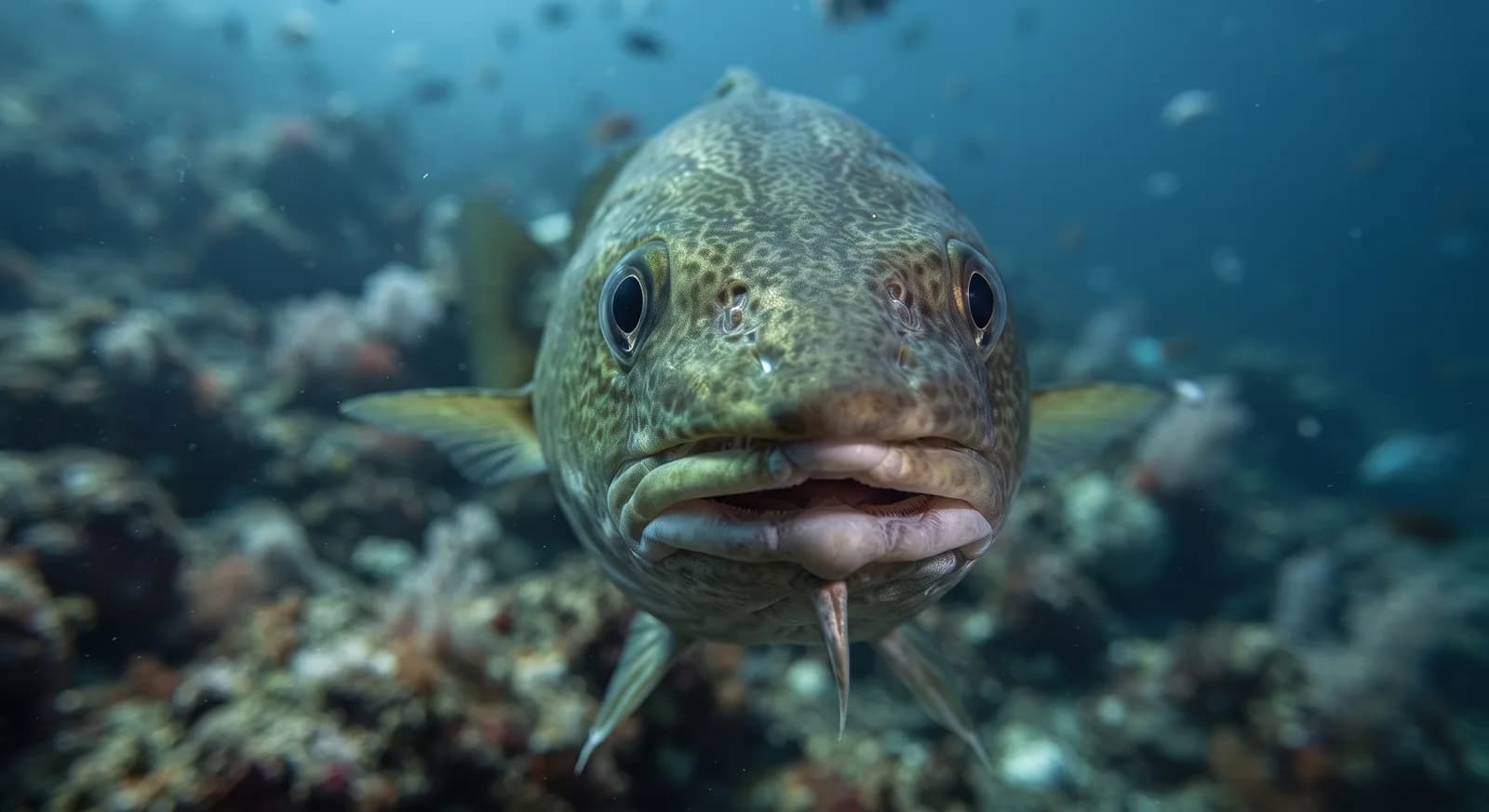
Cod
Gadus morhua
Short-snouted Seahorse
Hippocampus hippocampus
How to help
The ocellate torpedo is classified as vulnerable. Organizations such as UICN, WWF y Wildlife Conservation Society work specifically on its conservation and that of its habitat; looking into their programs is a good starting point if you want to get involved.
It's documented in 8 real protected areas — part of why protecting these places matters for its conservation.
Keep exploring
Based on what we already know about ocellate torpedo.
Comments
Share an experience, a fun fact or a tip for seeing the ocellate torpedo.
Be the first to comment.