One of the 17 dolphins on WAnimals
Mammals · Artiodactyla · Delphinidae
Atlantic Spotted Dolphin
Stenella frontalis
The species is abundant and widely distributed; it faces no significant short-term risk. See full glossary
The Atlantic spotted dolphin is endemic to that ocean, where it occupies temperate and warm waters on both sides. Its most characteristic feature is a spotting that develops with age: the calves are born a uniform grey and gradually acquire pale markings on the dark back and dark ones on the pale belly, until old adults look almost spattered with paint. It lives in groups that often associate with bottlenose dolphins and hunts fish and squid by day and by night.
Weight
100 kg – 143 kg
Size
1.7 m – 2.3 m
Lifespan
25 years
Diet
Carnivore
Feeds mainly on other animals.
Sighting difficulty
Easy
Fun facts
- GeneralIt is born unspotted and gains its spots with age, like freckles.
- An individual's age can be estimated from its spotting: it is born plain and accumulates markings into old age, which allows animals to be classified without catching them.
- The Bahamas population has been studied continuously since the 1980s and is one of the longest individual-based studies ever carried out on wild dolphins.
Life cycle & biology
- Skeleton type
- Vertebrate - internal bony skeleton (mammal)
- Habitat & environment
- Temperate and tropical waters of the Atlantic, over the continental shelf and shallow banks
- Sexual maturity
- 9 years
- Gestation / incubation
- 11.5 months
- Litter / clutch size
- 1
Sources consulted: https://es.wikipedia.org/wiki/Stenella_frontalis
Where to find it
See its range on the interactive mapWhere to watch it
Parques y spots de buceo donde se ha documentado esta especie — se muestran 19 de 23 documentados.
Related species
Other species in the catalogue with the most in common with Atlantic Spotted Dolphin — same habitat, park, country, tags or family.
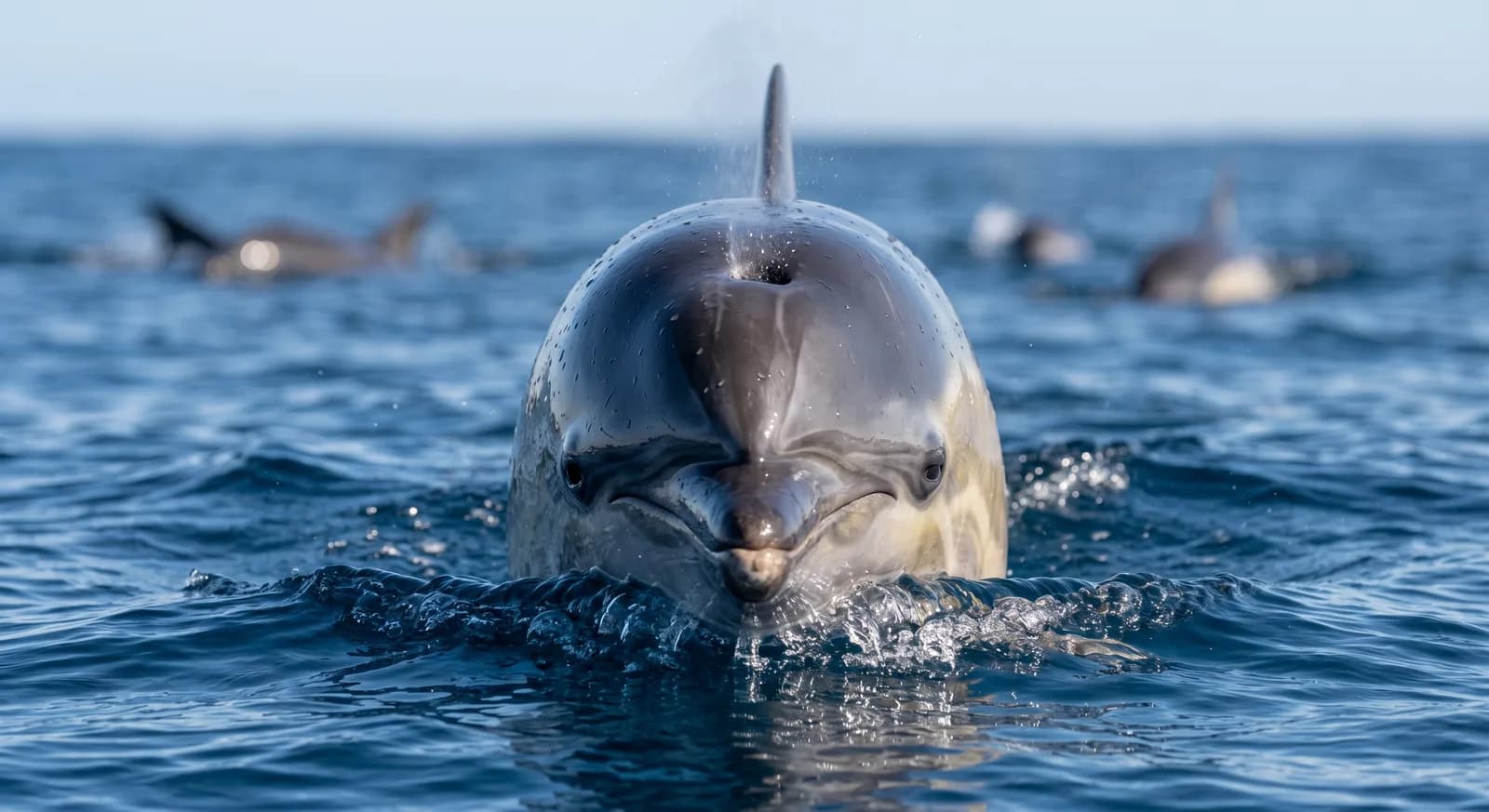 Least Concern
Short-beaked Common Dolphin
Delphinus delphis
Pantropical Spotted Dolphin
Stenella attenuata
Striped Dolphin
Stenella coeruleoalba
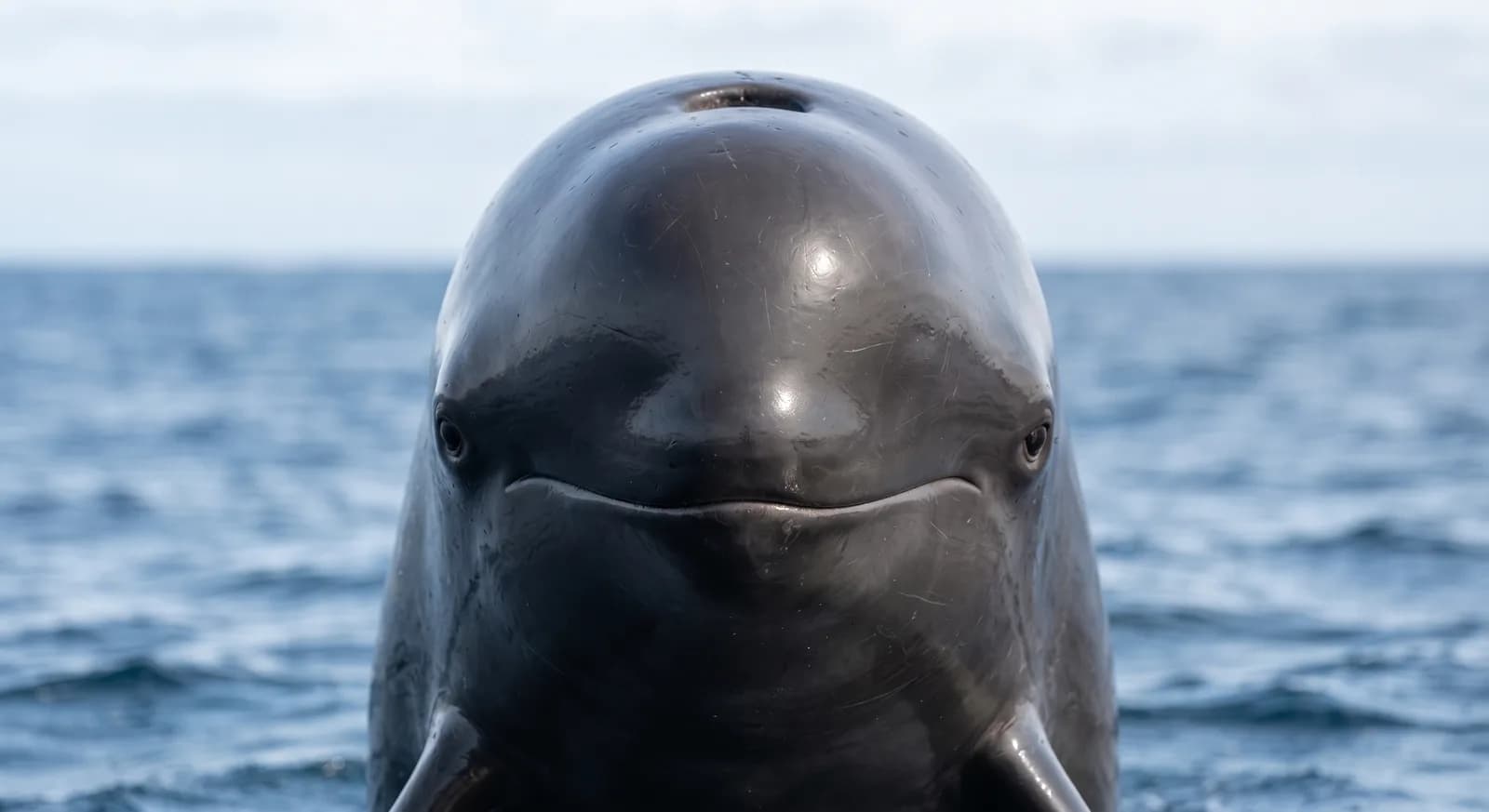 Least Concern
Long-finned Pilot Whale
Globicephala melas
Risso's Dolphin
Grampus griseus
Spinner Dolphin
Stenella longirostris
Keep exploring
Based on what we already know about atlantic spotted dolphin.
Comments
Share an experience, a fun fact or a tip for seeing the atlantic spotted dolphin.
Be the first to comment.