One of the 17 dolphins on WAnimals
Mammals · Artiodactyla · Delphinidae
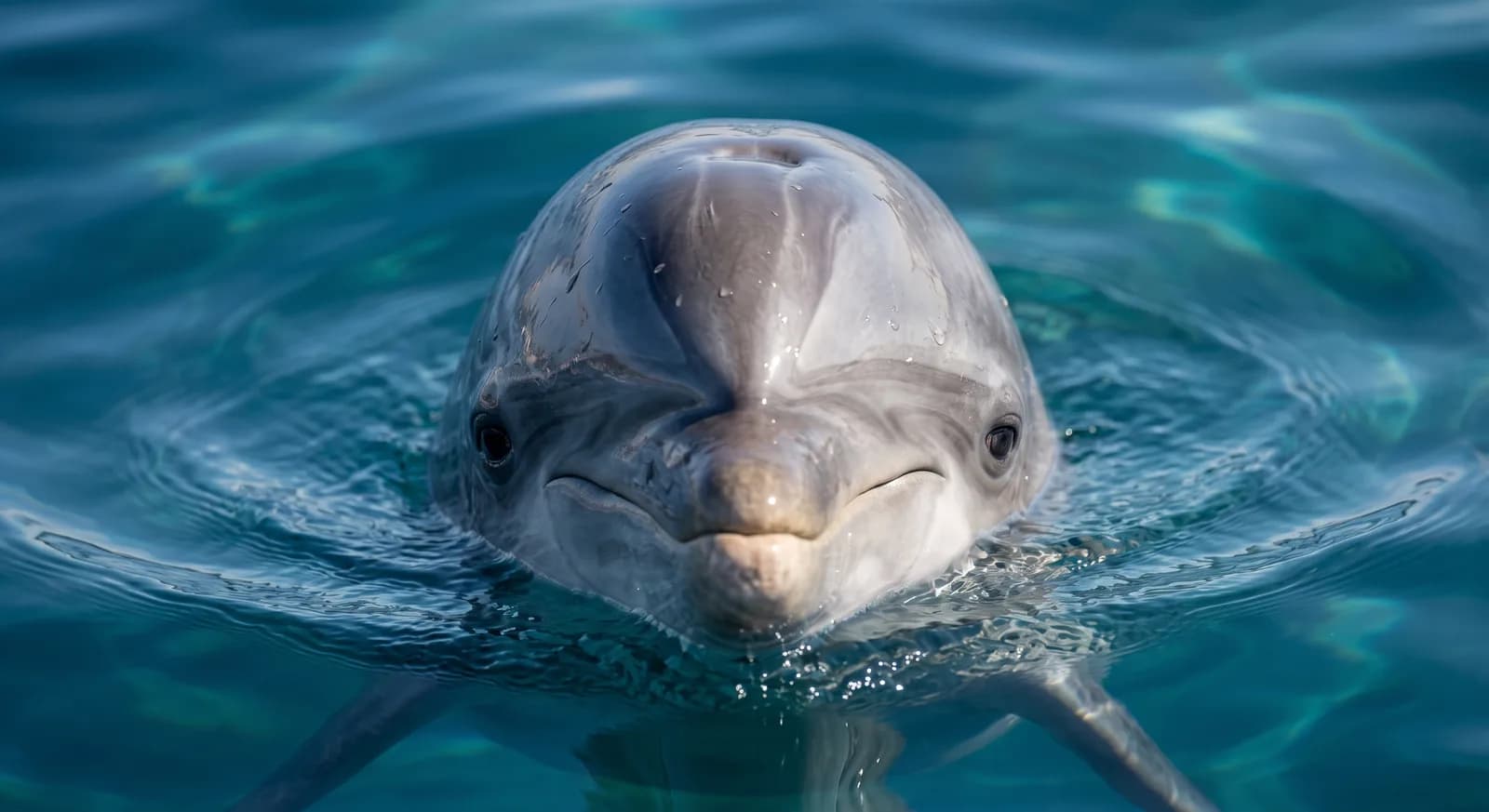
Pantropical Spotted Dolphin
Stenella attenuata
The species is abundant and widely distributed; it faces no significant short-term risk. See full glossary
The pantropical spotted dolphin is one of the most abundant cetaceans in the world. Like the Atlantic spotted dolphin it is born plain and acquires its spots with age. It is fast, highly acrobatic and forms groups that can gather hundreds or thousands of animals. In the eastern tropical Pacific it swims in association with yellowfin tuna shoals, an association that cost millions of animals their lives in tuna purse seines between the 1950s and the 1980s.
Weight
90 kg – 120 kg
Size
1.6 m – 2.6 m
Lifespan
40 years
Diet
Carnivore
Feeds mainly on other animals.
Sighting difficulty
Easy
Fun facts
- Purse-seine tuna fishing killed several million of these dolphins in the eastern tropical Pacific: the boats located the tuna shoals by following the dolphins and encircled both. Release techniques and observer programmes cut that mortality drastically and gave rise to dolphin safe tuna labelling.
- Some of its eastern Pacific populations have still not fully recovered decades after the mass mortality ended, an example of how slowly a late-breeding animal bounces back.
Life cycle & biology
- Skeleton type
- Vertebrate - internal bony skeleton (mammal)
- Habitat & environment
- Deep tropical and subtropical waters of every ocean, above all in the eastern Pacific
- Sexual maturity
- 8.2 years
- Gestation / incubation
- 11.3 months
- Litter / clutch size
- 1
Sources consulted: https://es.wikipedia.org/wiki/Stenella_attenuata
Where to find it
See its range on the interactive mapWhere to watch it
Parques y spots de buceo donde se ha documentado esta especie — se muestran 20 de 29 documentados.
Related species
Other species in the catalogue with the most in common with Pantropical Spotted Dolphin — same habitat, park, country, tags or family.
Striped Dolphin
Stenella coeruleoalba
Spinner Dolphin
Stenella longirostris
Atlantic Spotted Dolphin
Stenella frontalis
 Least Concern
Bottlenose Dolphin
Tursiops truncatus
False Killer Whale
Pseudorca crassidens
Risso's Dolphin
Grampus griseus
Keep exploring
Based on what we already know about pantropical spotted dolphin.
Comments
Share an experience, a fun fact or a tip for seeing the pantropical spotted dolphin.
Be the first to comment.