One of the 26 sharks on WAnimals
Cartilaginous fish · Squaliformes · Somniosidae
Greenland Shark
Somniosus microcephalus
It faces a high risk of extinction in the wild over the medium term. See full glossary
It is the longest-lived vertebrate known in the world, with a lifespan of at least 272 years confirmed by radiocarbon dating of the lens of its eye, and it does not reach sexual maturity until around 150 years old.
Weight
900 kg – 1.4 t
Size
5 m – 7.3 m
Lifespan
272 years
Diet
Carnivore
Feeds mainly on other animals.
Activity
Irregular activity
Active at irregular times, by day or night depending on circumstances.
Social structure
Solitary
Lives and hunts alone, joining others only to breed.
Sighting difficulty
Moderate
Fun facts
- longevidadIt can live more than 270 years, making it the longest-lived vertebrate known, and takes about 150 years to reach sexual maturity.
- comportamientoAlthough the stomach contents of several individuals have been examined — eels and other prey far faster than it among them — how it catches them given how slowly it swims is still unclear.
Life cycle & biology
- Skeleton type
- Vertebrate - cartilaginous skeleton (chondrichthyan fish)
- Habitat & environment
- Deep, cold Arctic and subarctic waters of the North Atlantic, from the surface to almost 3,000 m
- Birth weight
- Approximately 40 cm long at birth
- Size at birth
- ~40 cm long at birth
- Sexual maturity
- Around 150-156 years old (from 2.84-4.19 m long, depending on sex)
- Gestation / incubation
- Not precisely known (estimated at between 8 and 18 years by some sources, though not reliably)
- Litter / clutch size
- 10 to 324 potential young per litter by estimates based on ovarian fecundity (only 10 embryos directly documented, in a single confirmed case)
Sources consulted: FishBase; A-Z Animals; Animalia.bio; Science (Nielsen et al. eye lens radiocarbon study); National Geographic; Britannica; ScienceDirect (viviparity reproduction study); bioRxiv (Greenland shark genome study)
Where to find it
See its range on the interactive mapBest time: All year round in cold, deep water of the North Atlantic and the Arctic; in winter it comes near the surface in the fjords of Greenland and Iceland.
Where to watch it
Parques y spots de buceo donde se ha documentado esta especie — se muestran 16 de 22 documentados.
Related species
Other species in the catalogue with the most in common with Greenland Shark — same habitat, park, country, tags or family.
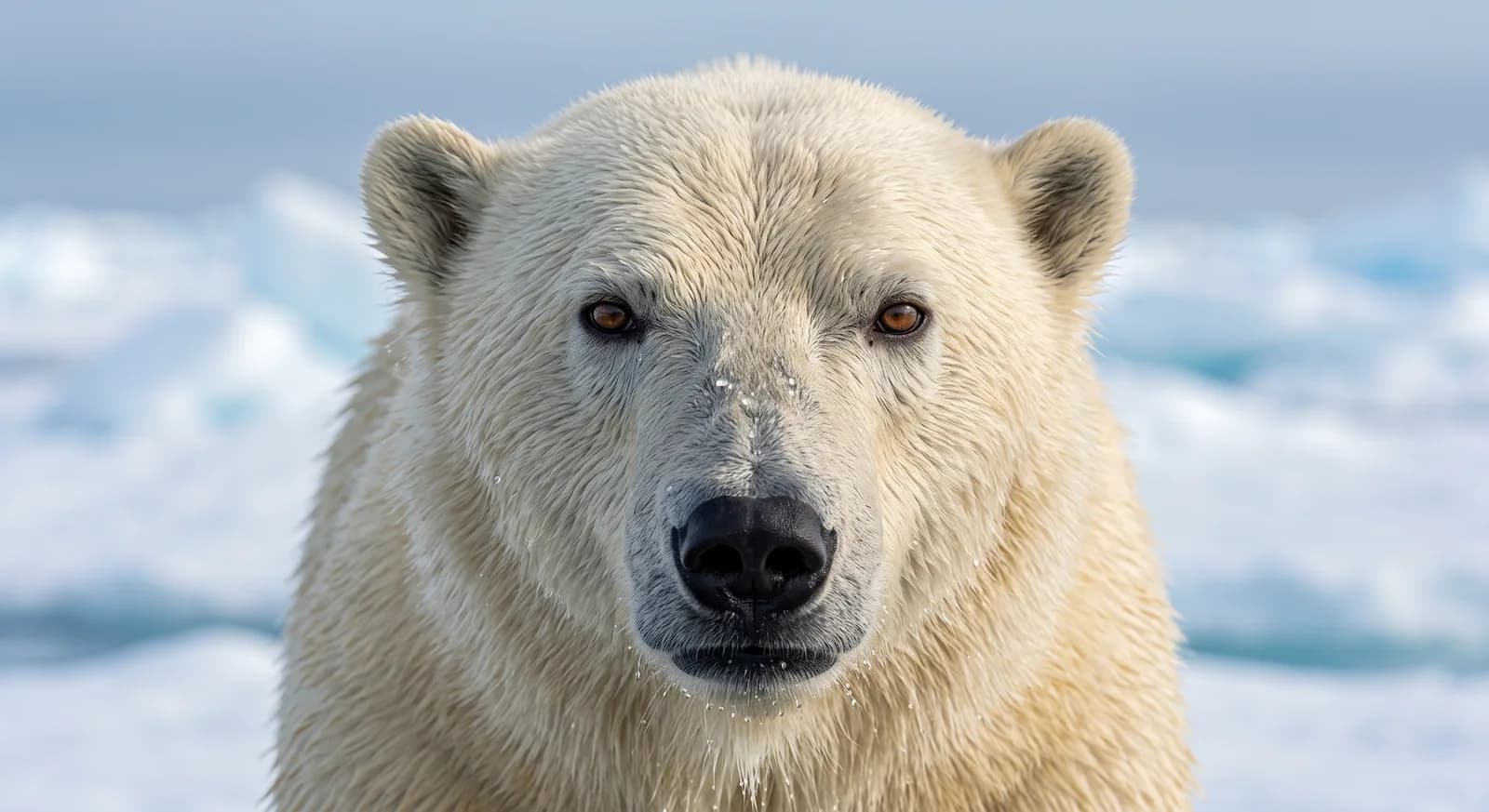 Vulnerable
Polar Bear
Ursus maritimus
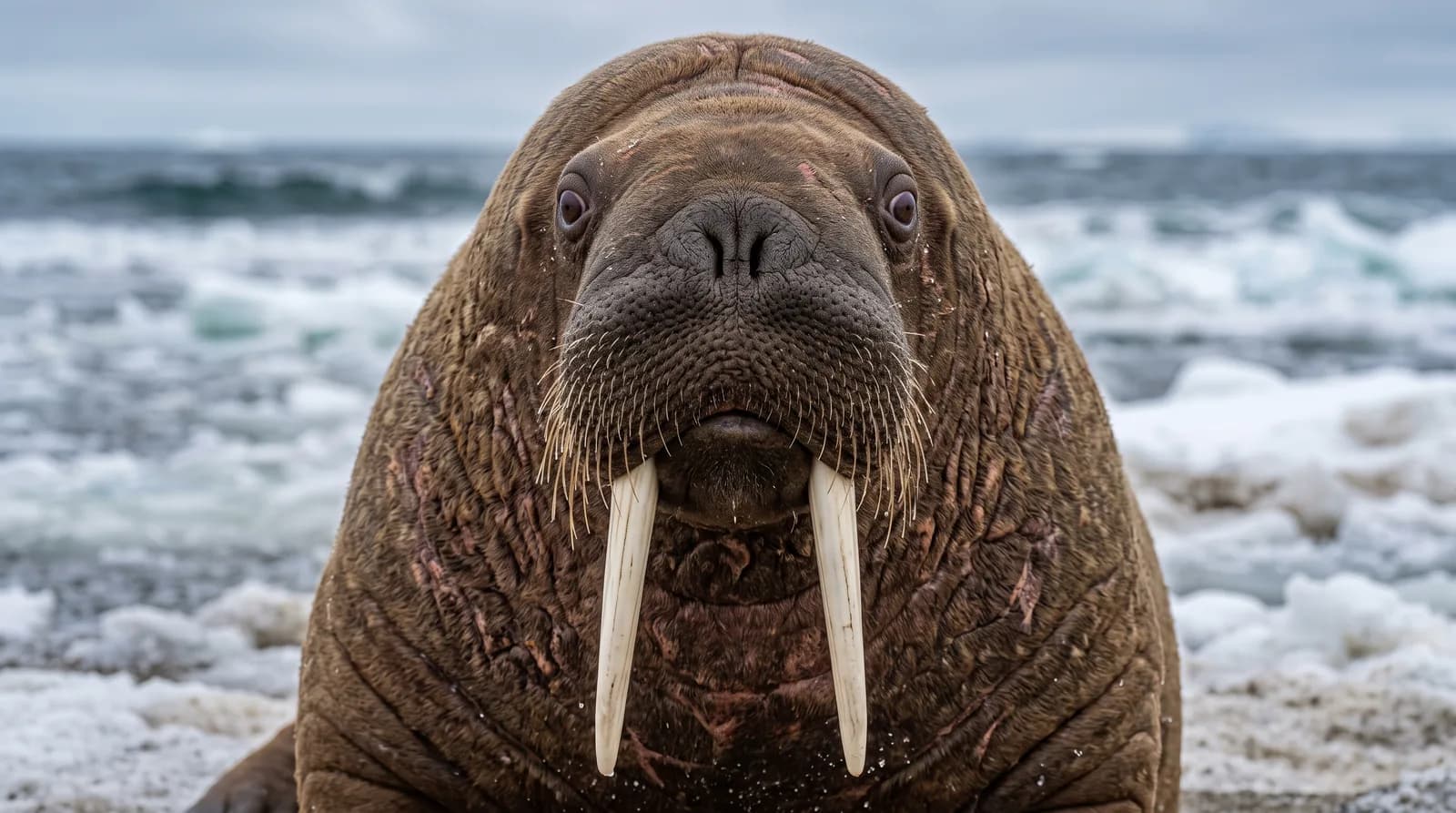 Vulnerable
Walrus
Odobenus rosmarus
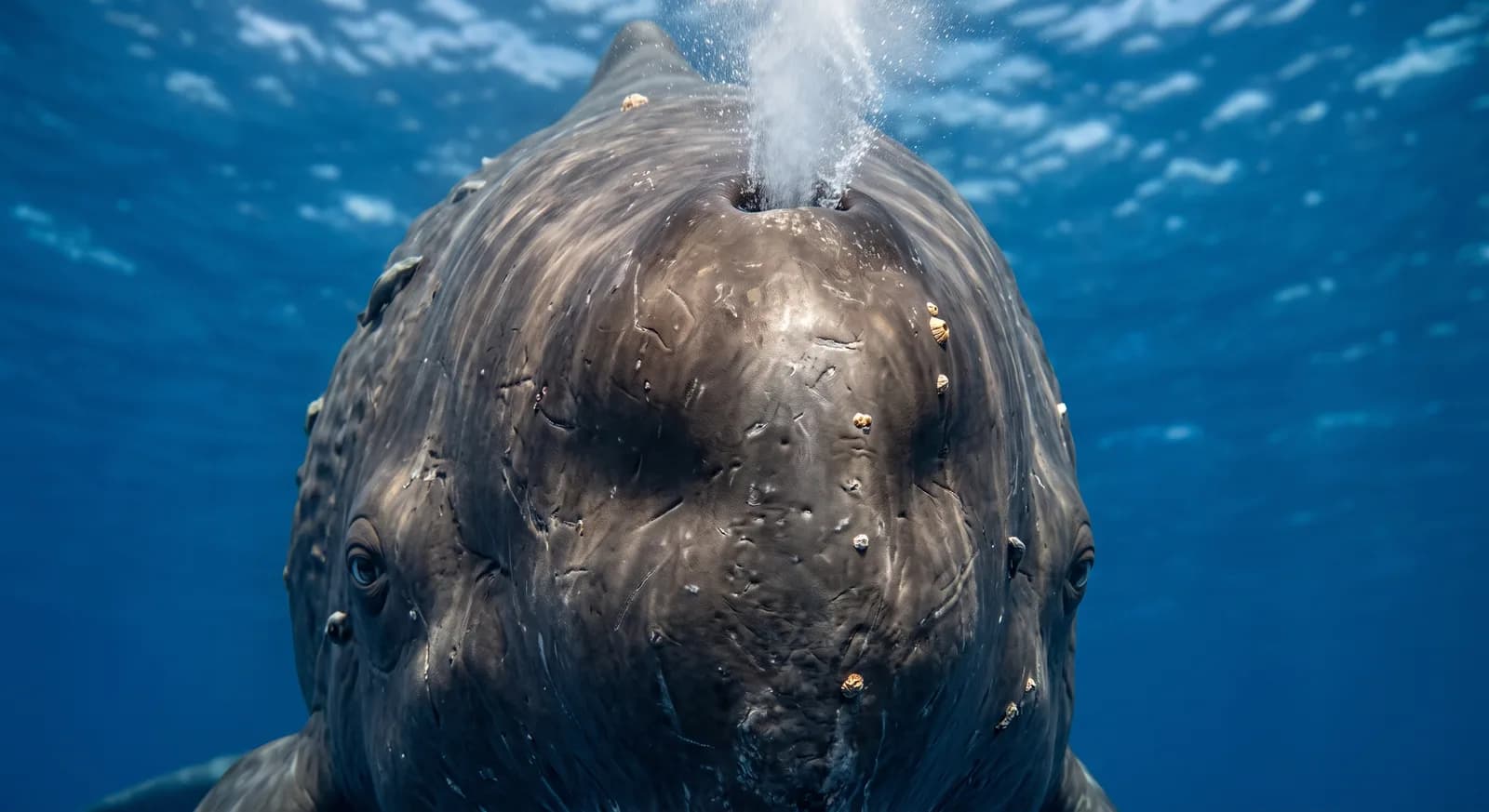 Vulnerable
Sperm Whale
Physeter macrocephalus
Porbeagle
Lamna nasus
Spurdog
Squalus acanthias
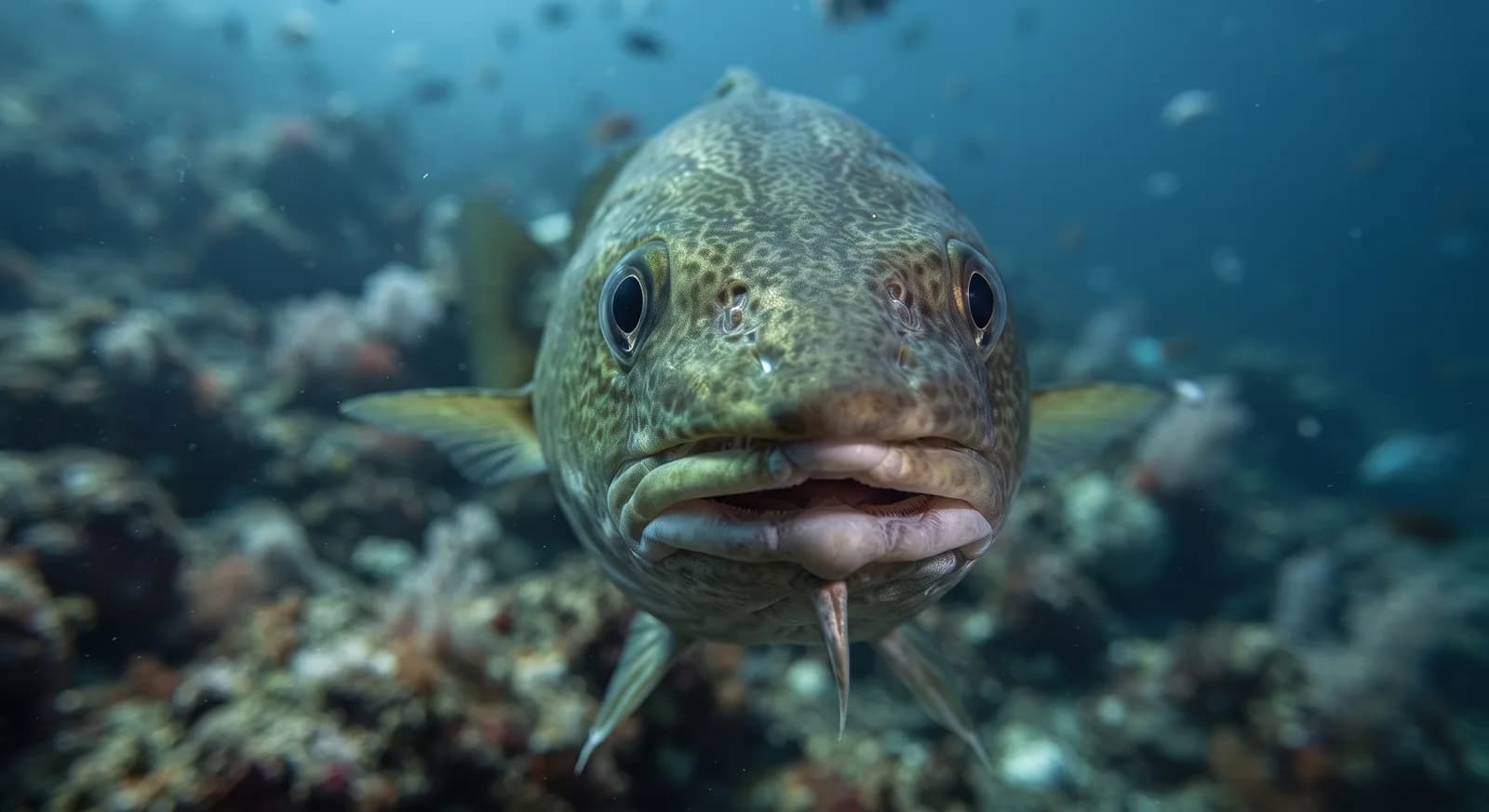 Vulnerable
Cod
Gadus morhua
How to help
The greenland shark is classified as vulnerable. Organizations such as UICN, WWF y Wildlife Conservation Society work specifically on its conservation and that of its habitat; looking into their programs is a good starting point if you want to get involved.
It's documented in 6 real protected areas — part of why protecting these places matters for its conservation.
Keep exploring
Based on what we already know about greenland shark.
Comments
Share an experience, a fun fact or a tip for seeing the greenland shark.
Be the first to comment.