Archipiélago de Mingan
Canada's greatest concentration of erosion monoliths, on a string of limestone islands in the Gulf of St Lawrence.
Area
151 km²
Declared in
1984
Region
North America
Climate
Templado, Polar / frío
Best time
June to September
Highlight
Limestone monoliths sculpted by the sea
Mingan Archipelago National Park Reserve protects some 151 km² spread across a chain of more than a thousand islands and islets extending for about 150 kilometres along the northern shore of the Gulf of St Lawrence, in the Côte-Nord region of Quebec, facing Anticosti Island. The protection covers only the islands, not the waters around them, although the sea governs everything: the rock, the plants, the wildlife, the climate and the visit itself, which is necessarily made by boat from Havre-Saint-Pierre or Longue-Pointe-de-Mingan.
Its distinctive feature are the monoliths: limestone towers and mushrooms rising up to some twenty metres above the shores and forming the largest concentration of this kind of erosional formation in Canada. Their story begins almost 500 million years ago, when a shallow tropical sea covered what are now the St Lawrence Lowlands and laid down on the bottom fine sediments and shells rich in calcium carbonate. After the last glaciation, the archipelago of soft limestone slowly emerged from the sea, and since then the tides, the swell, the wind and the freeze-thaw cycles have been sculpting each figure; the process is still active. Landmarks such as the Lady of Niapiskau have become symbols of the park.
The combination of limestone substrate and subarctic maritime climate produces an unusual flora, with abundant arctic-alpine plants and rare species that caught the attention of Brothers Marie-Victorin and Rolland Germain, who explored the region between 1924 and 1928 and made its scientific value known. The islands hold seabird colonies, with the Atlantic puffins of Île aux Perroquets as the main attraction, and seals and whales are regular in their waters. The park will keep its reserve status until the comprehensive land claims of the Innu are settled. A network of 42 camping areas allows overnight stays on the islands, and in 1978 the whole had already been declared a heritage site by the Government of Quebec.
Location
See on the interactive map38 species documented in Archipiélago de Mingan
At conservation risk:Anjova,Atún rojo,Bacalao del Atlántico,Ballena franca del Atlántico Norte,Cachalote,Eglefino,Foca de casco,Frailecillo atlántico,Marrajo dientuso,Marrajo sardinero,Mielga,Rorcual borealand 1 more
Alca común
Alca torda
 Least Concern
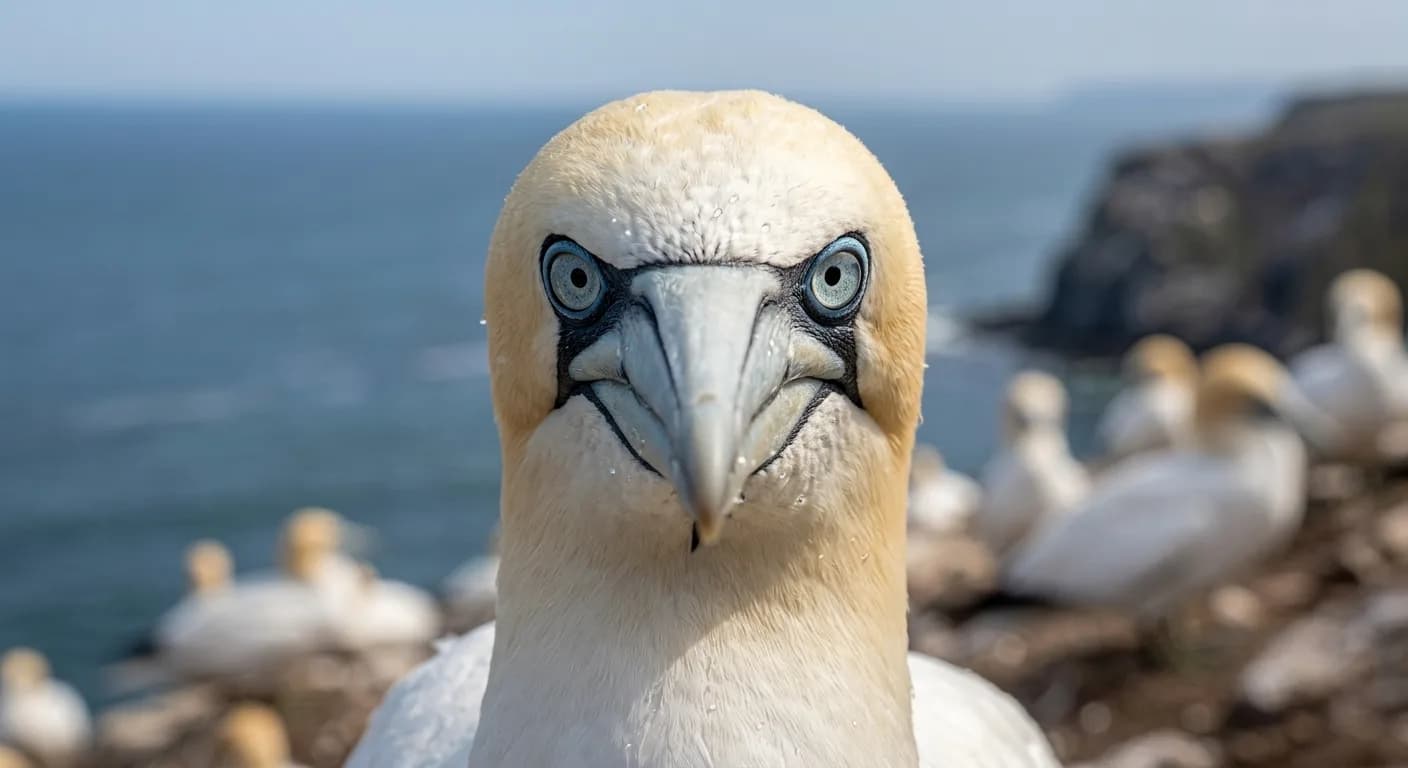
Alcatraz atlántico
Morus bassanus
Almeja de arena
Mya arenaria
Almeja de Islandia
Arctica islandica
Almeja surf atlántica
Spisula solidissima
Anjova
Pomatomus saltatrix
 Least Concern
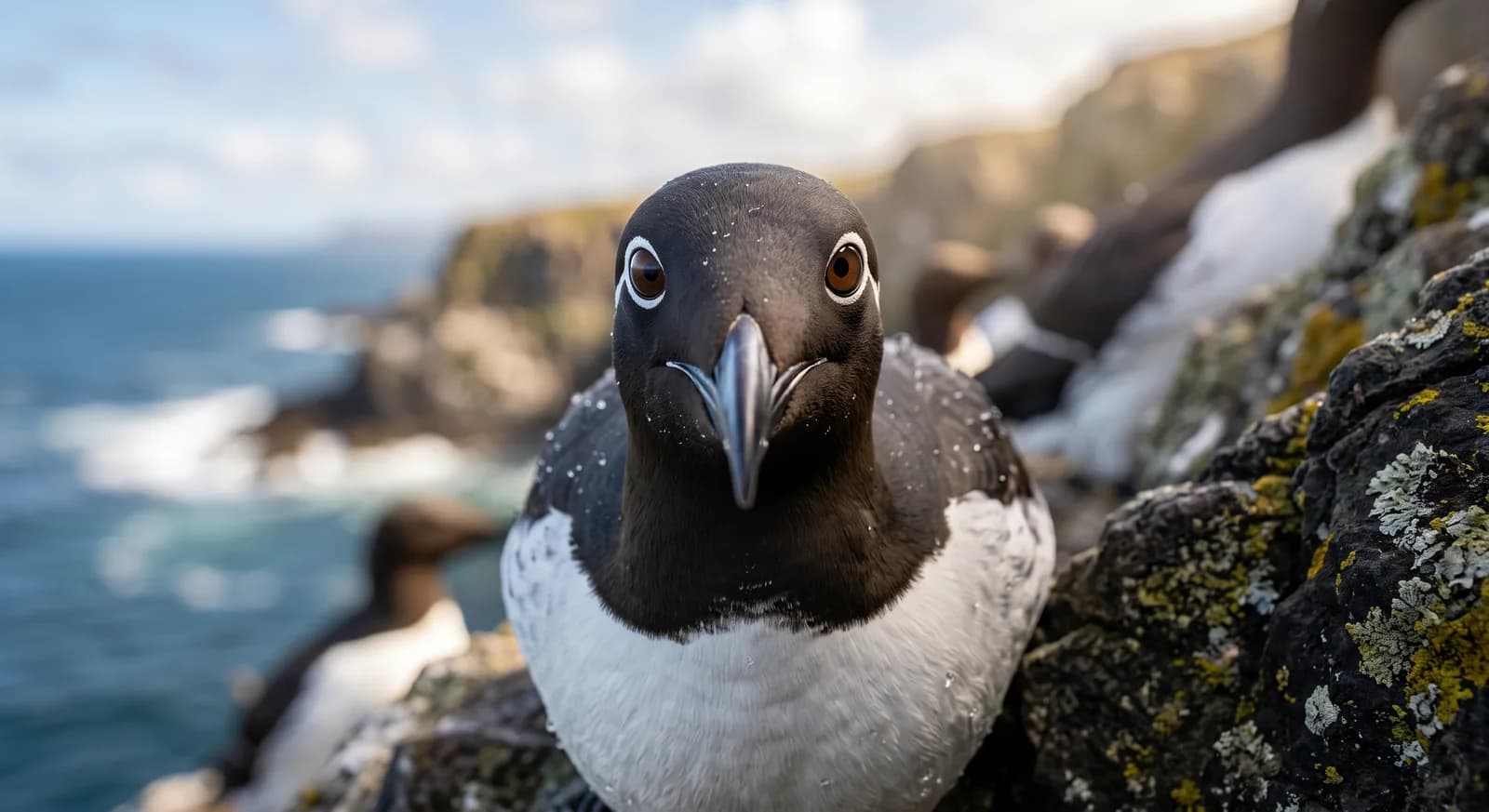
Arao común
Uria aalge
Arenque del Atlántico
Clupea harengus
 Endangered
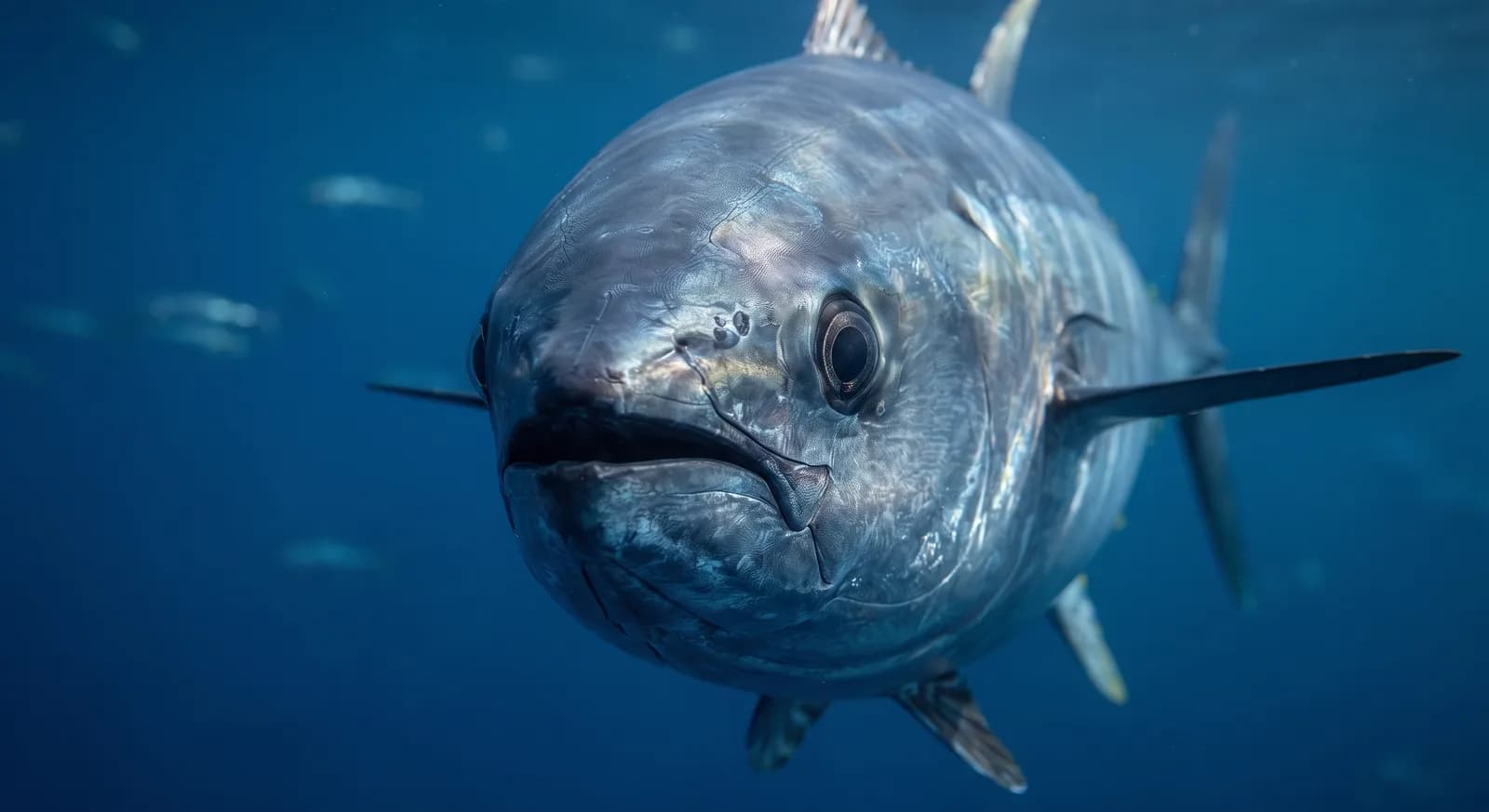
Atún rojo
Thunnus thynnus
 Vulnerable
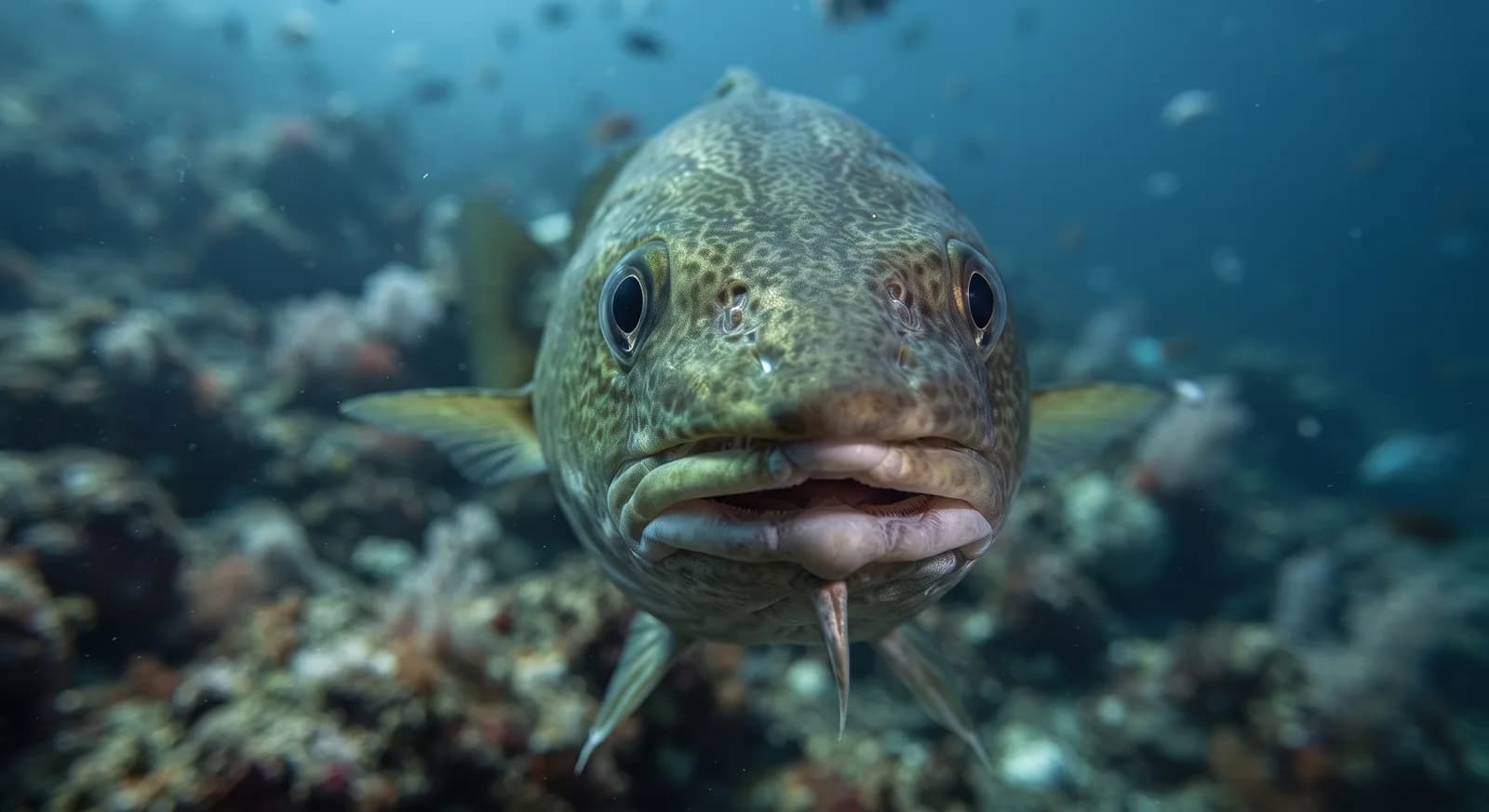
Bacalao del Atlántico
Gadus morhua
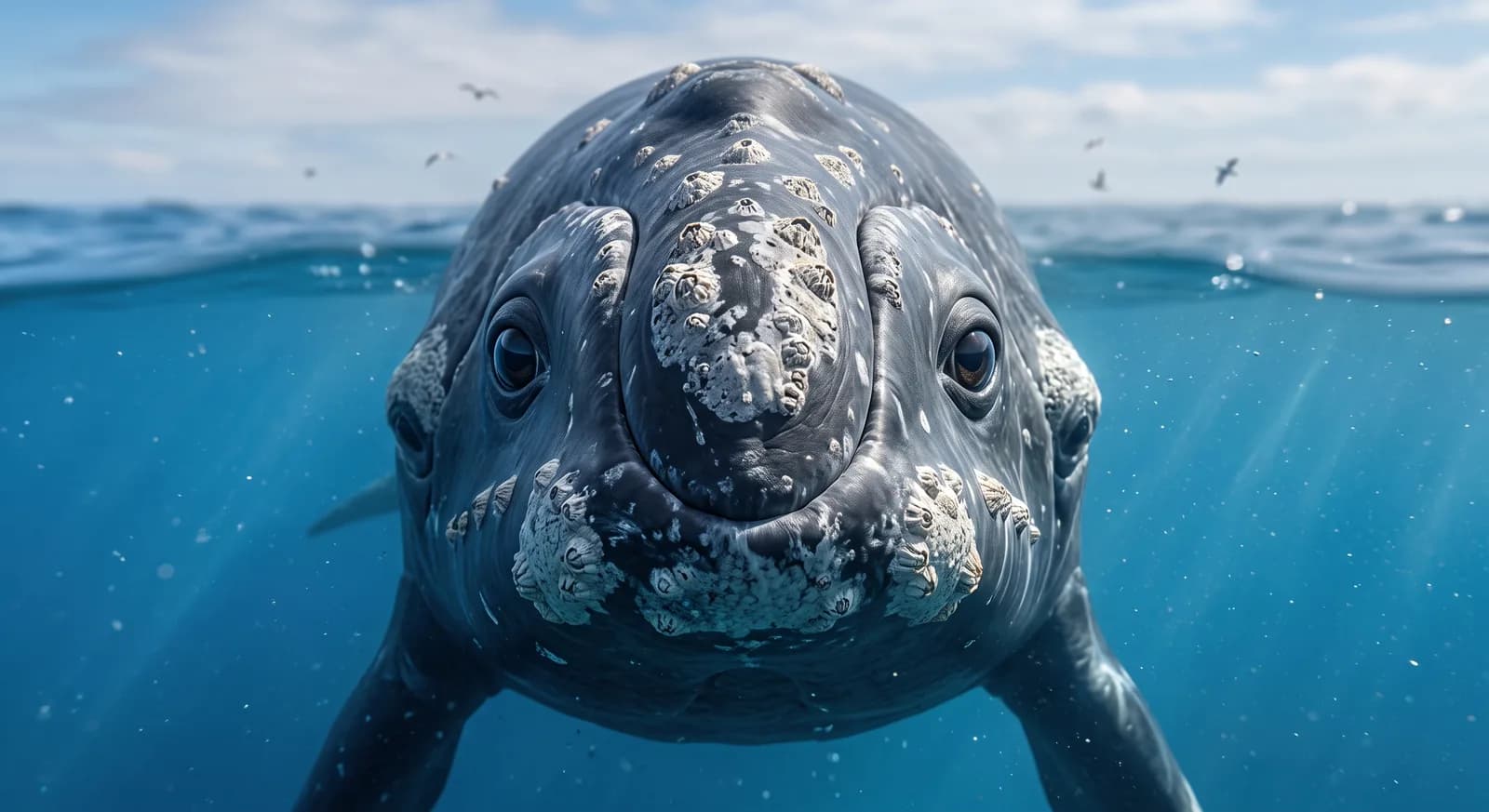 Endangered
Ballena franca del Atlántico Norte
Eubalaena glacialis
 Near Threatened
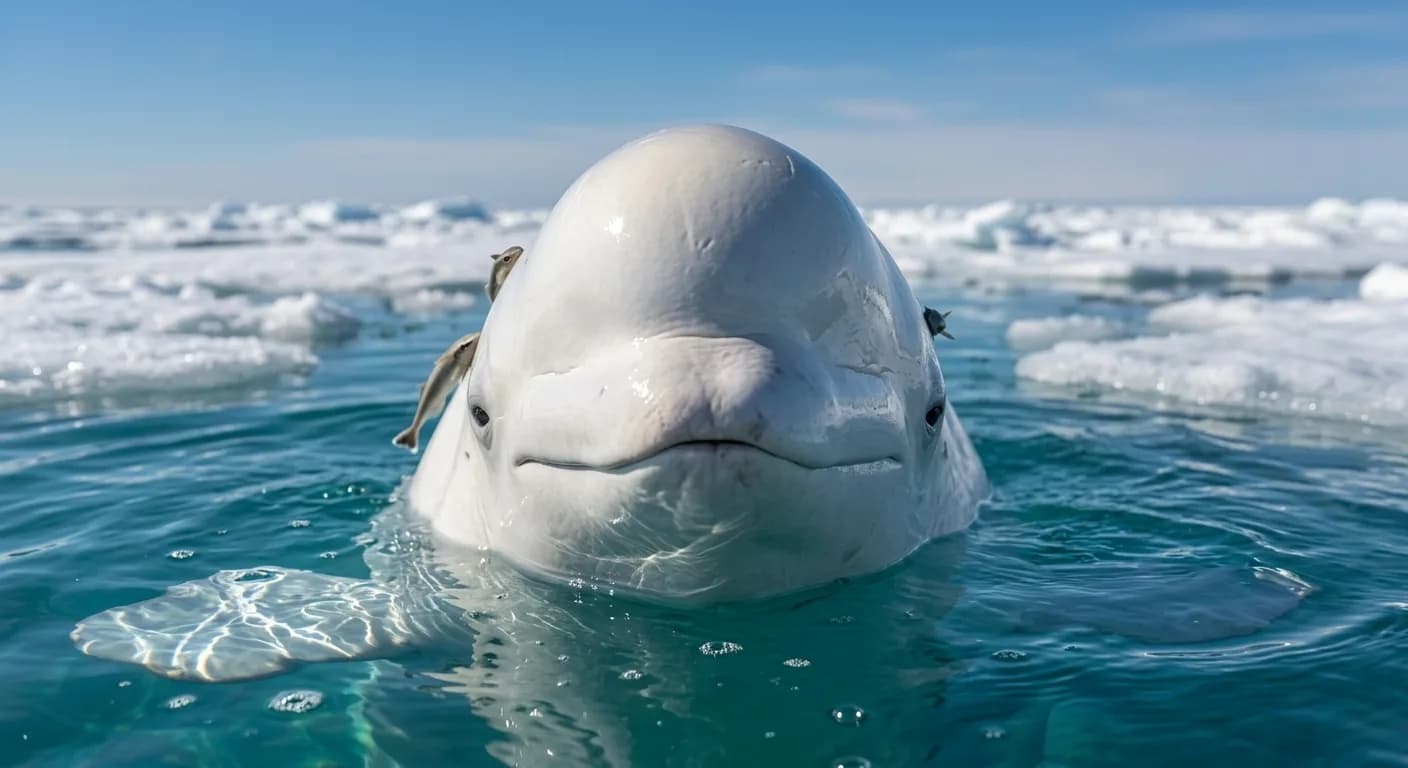
Beluga
Delphinapterus leucas
Flora and ecosystems
Ecosystems found in Canada, where Archipiélago de Mingan lies.
Experiences in this park
Similar parks
Which other parks are like this one?
Gulf Islands
Canada
Killer Whale · Harbor Seal
Junio a septiembre
View parkMismo país: Canada
Nááts'ihch'oh
Canada
Brown Bear · Dall Sheep
Junio a septiembre
View parkMismo país: Canada
Keep exploring
Based on what we already know about Archipiélago de Mingan.
Your rating
How many stars would you give Archipiélago de Mingan?
Comments
Share your experience visiting Archipiélago de Mingan, or a tip for other travellers.
Be the first to comment.