One of the 6 clams on WAnimals
Bivalves · Myida · Myidae
Sand Gaper
Mya arenaria
It has not yet been assessed against the IUCN criteria. See full glossary
A large clam that lives buried up to 30 cm deep in intertidal sands and muds, connected to the surface by a long, leathery siphon it cannot fully withdraw into its shell. It feeds by filtering phytoplankton and suspended organic particles. It is a shellfish of enormous commercial importance in North America and northern Europe.
Size
5 cm – 15 cm
Lifespan
12 years
Diet
Omnivore
Combines animal and plant food depending on availability.
Social structure
Solitary
Lives and hunts alone, joining others only to breed.
Sighting difficulty
Unknown
Fun facts
- Archaeological shell remains in Denmark dated to the thirteenth century indicate that it reached Europe from America several centuries before Columbus's voyages.
- Its siphon is so long that it does not fit inside the shell, a trait that gives its family its name (Myidae).
- Its history is a transatlantic round trip. It is native to the North Atlantic and North Pacific, died out in Europe during the glaciations and reappeared there in the thirteenth century, probably brought by the Vikings; the modern reintroduction came with nineteenth-century shipping.
- In European estuaries it is one of the few invaders to have reached permanent dominance and held it without fluctuation.
- It lives buried far deeper than most clams, which is why its siphon is disproportionately long.
- It is an important fishery resource in North America, where it is eaten mostly fried or steamed.
Life cycle & biology
- Habitat & environment
- Intertidal sand and mud bottoms of estuaries and bays
- Sexual maturity
- 1-2 years
Sources consulted: Linneo (1758); Strasser (1999); Petersen et al. (1992)
Where to find it
See its range on the interactive mapWhere to watch it
Parques y spots de buceo donde se ha documentado esta especie — se muestran 20 de 65 documentados.
Related species
Other species in the catalogue with the most in common with Sand Gaper — same habitat, park, country, tags or family.
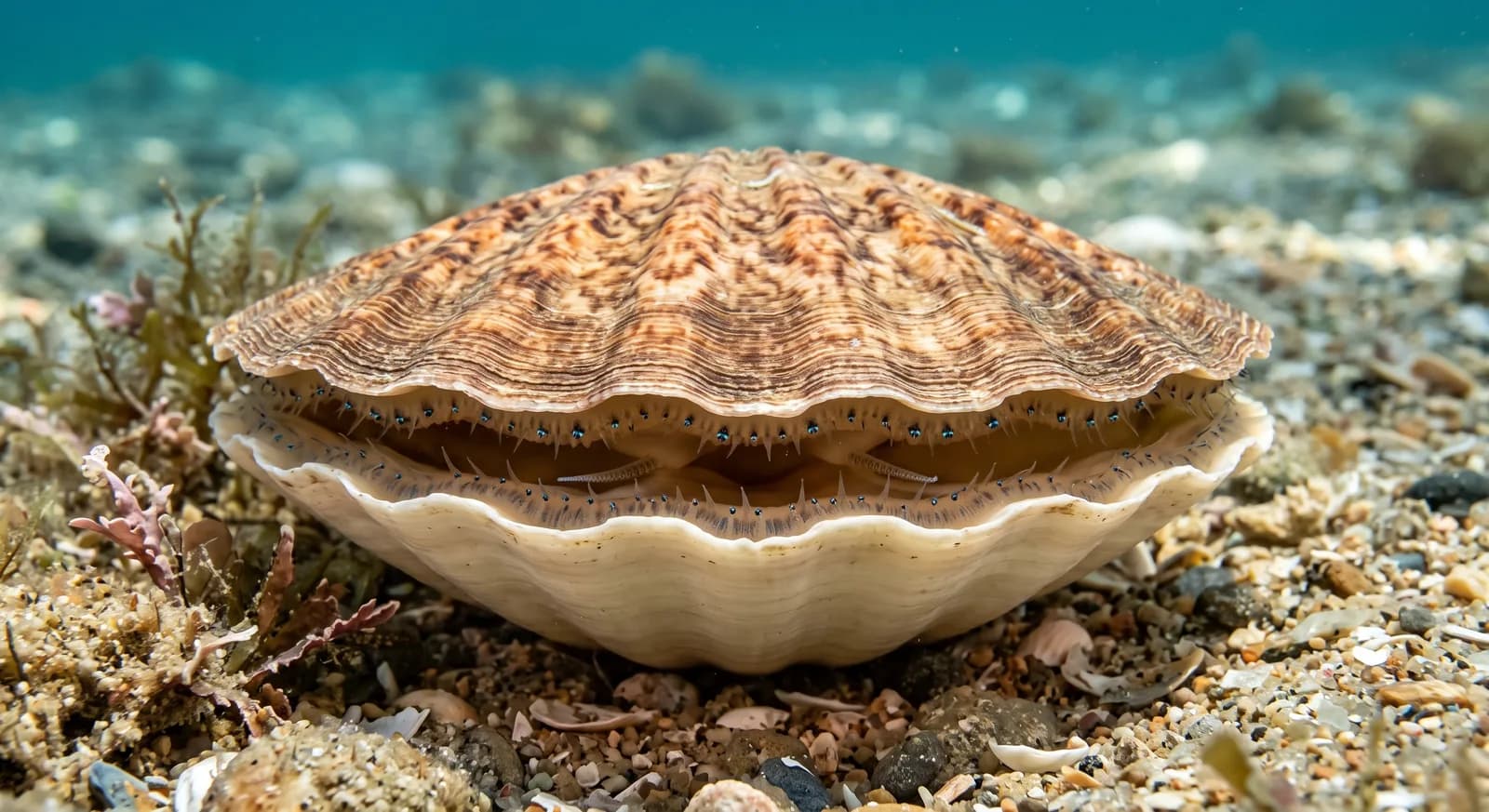 Not Evaluated
Great Scallop
Pecten maximus
Northern Nutclam
Nuculana pernula
Old Cardita
Cardites antiquatus
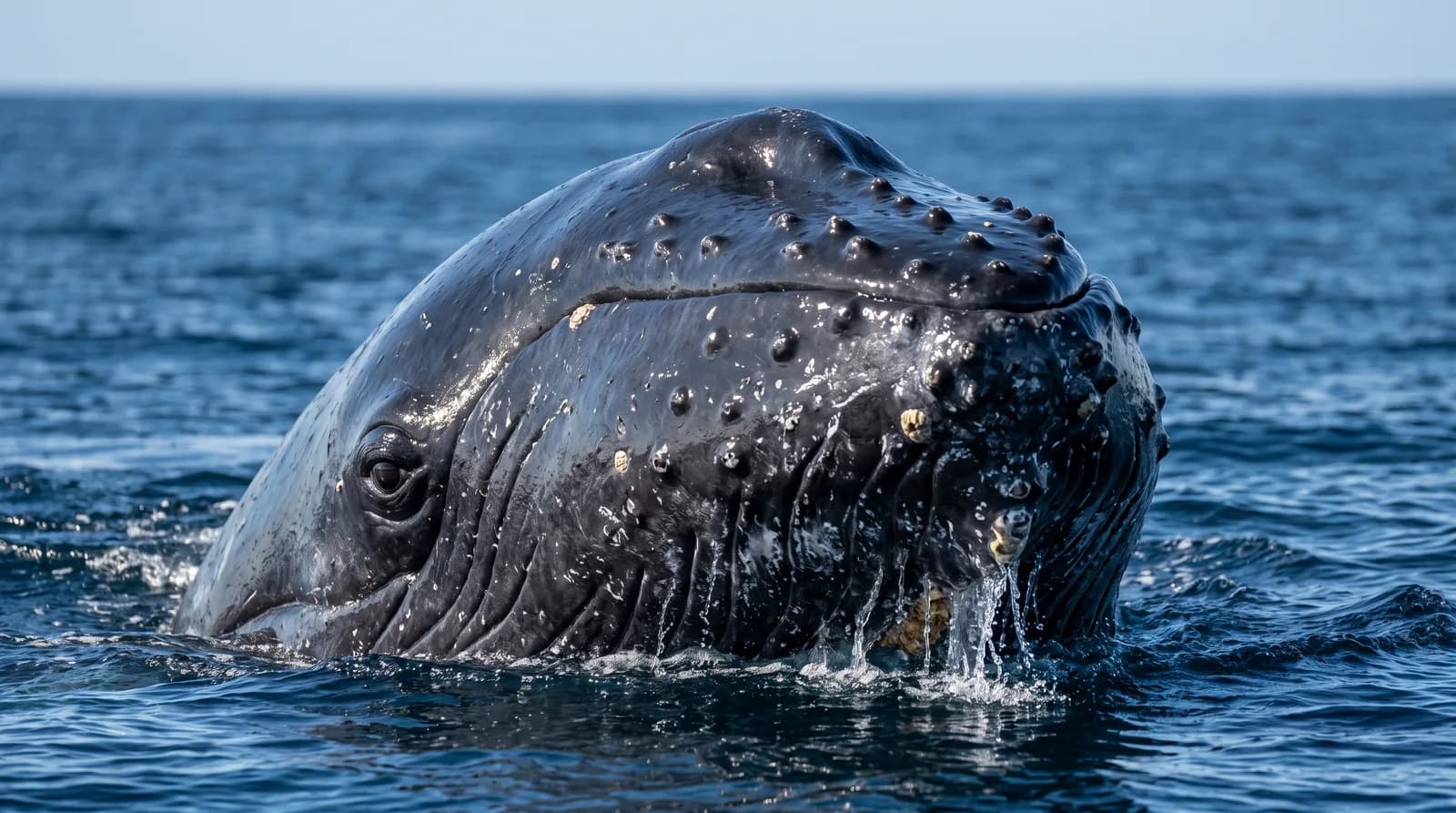 Least Concern
Humpback Whale
Megaptera novaeangliae
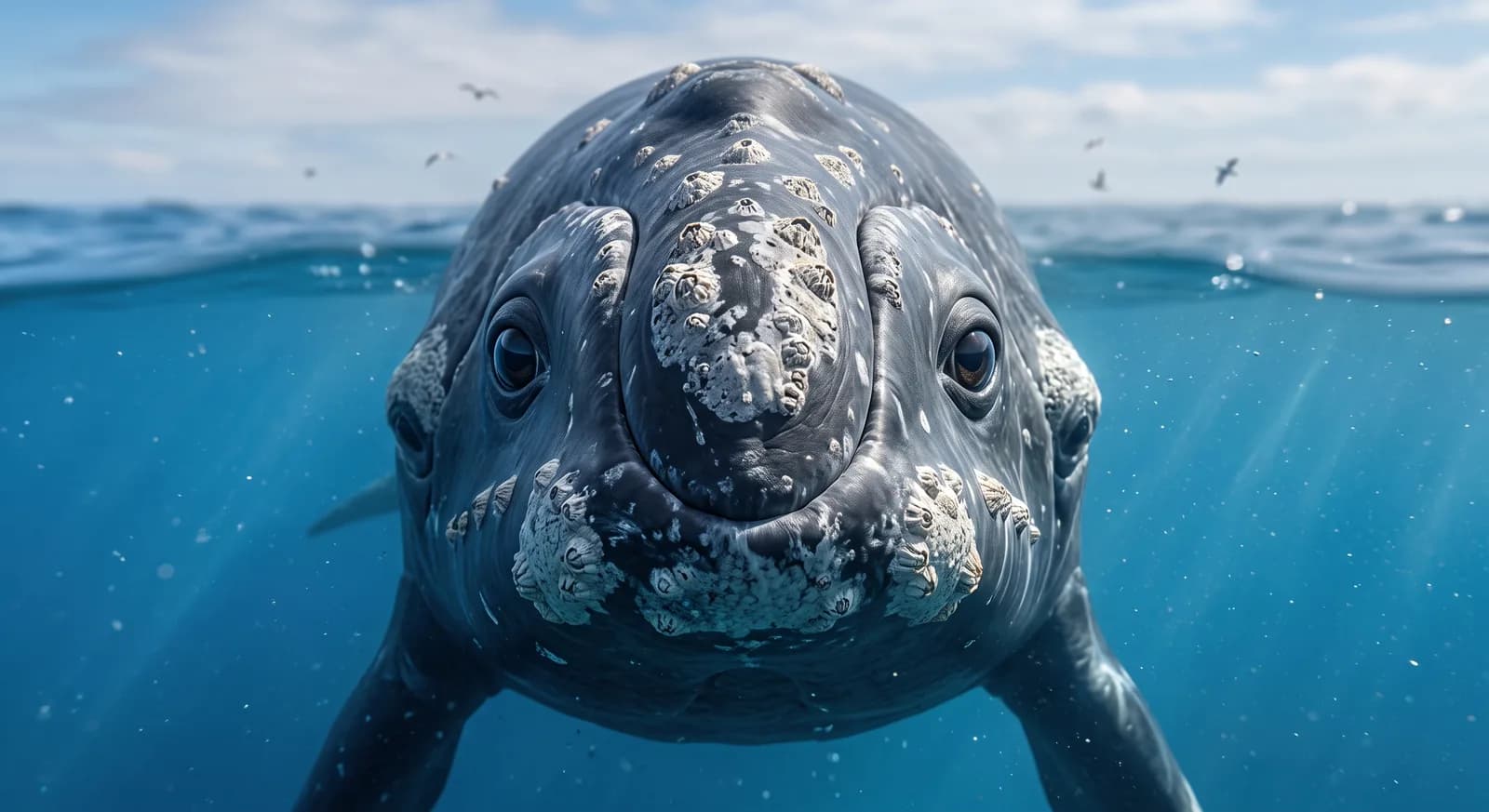 Endangered
North Atlantic Right Whale
Eubalaena glacialis
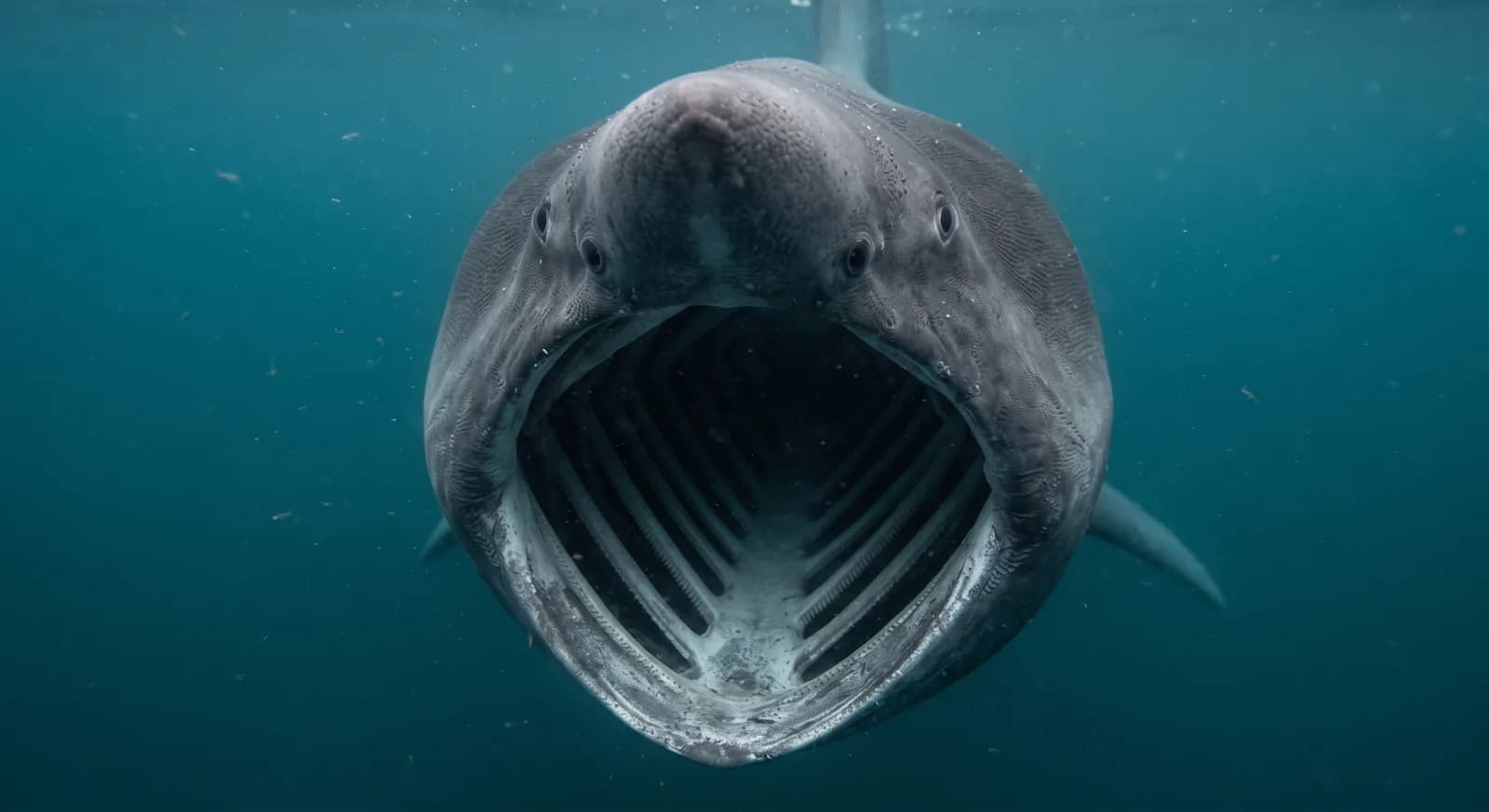 Endangered
Basking Shark
Cetorhinus maximus
Keep exploring
Based on what we already know about sand gaper.
Comments
Share an experience, a fun fact or a tip for seeing the sand gaper.
Be the first to comment.