One of the 6 clams on WAnimals
Bivalves · Nuculanida · Nuculanidae
Northern Nutclam
Nuculana pernula
It has not yet been assessed against the IUCN criteria. See full glossary
A small Arctic-boreal bivalve with an elongated, pointed shell, living buried in the muddy bottoms of the cold seas of the North Atlantic, the Arctic and the North Pacific. It does not filter the water as most clams do: it is a deposit feeder that gathers organic matter from the sediment with two long, mobile labial palps, highly characteristic of the family Nuculanidae.
Size
up to 3.5 cm
Diet
Omnivore
Combines animal and plant food depending on availability.
Social structure
Solitary
Lives and hunts alone, joining others only to breed.
Sighting difficulty
Unknown
Fun facts
- Instead of filtering the water, it forages in the mud with extensible labial palps longer than its own shell.
- Its shell has a rear end drawn out into a beak, from which it takes its common name of pointed nut clam.
- It does not filter water as most bivalves do: it is a detritivore and uses very long, extensible labial palps to search the surrounding mud for organic particles.
- It belongs to the protobranchs, the oldest bivalve lineage, which retains gills used mainly for respiration rather than feeding.
- The rear end of its shell is drawn out into a beak, which is where the name nut clam comes from.
- It is a dominant component of Arctic mud communities and important prey for bottom-feeding fish.
Life cycle & biology
- Habitat & environment
- Soft mud and sand bottoms, between 10 and 1,500 m deep
Sources consulted: Müller (1779); Zardus (2002), Advances in Marine Biology; WoRMS
Where to find it
See its range on the interactive mapWhere to watch it
Parques y spots de buceo donde se ha documentado esta especie — se muestran 15 de 19 documentados.
Related species
Other species in the catalogue with the most in common with Northern Nutclam — same habitat, park, country, tags or family.
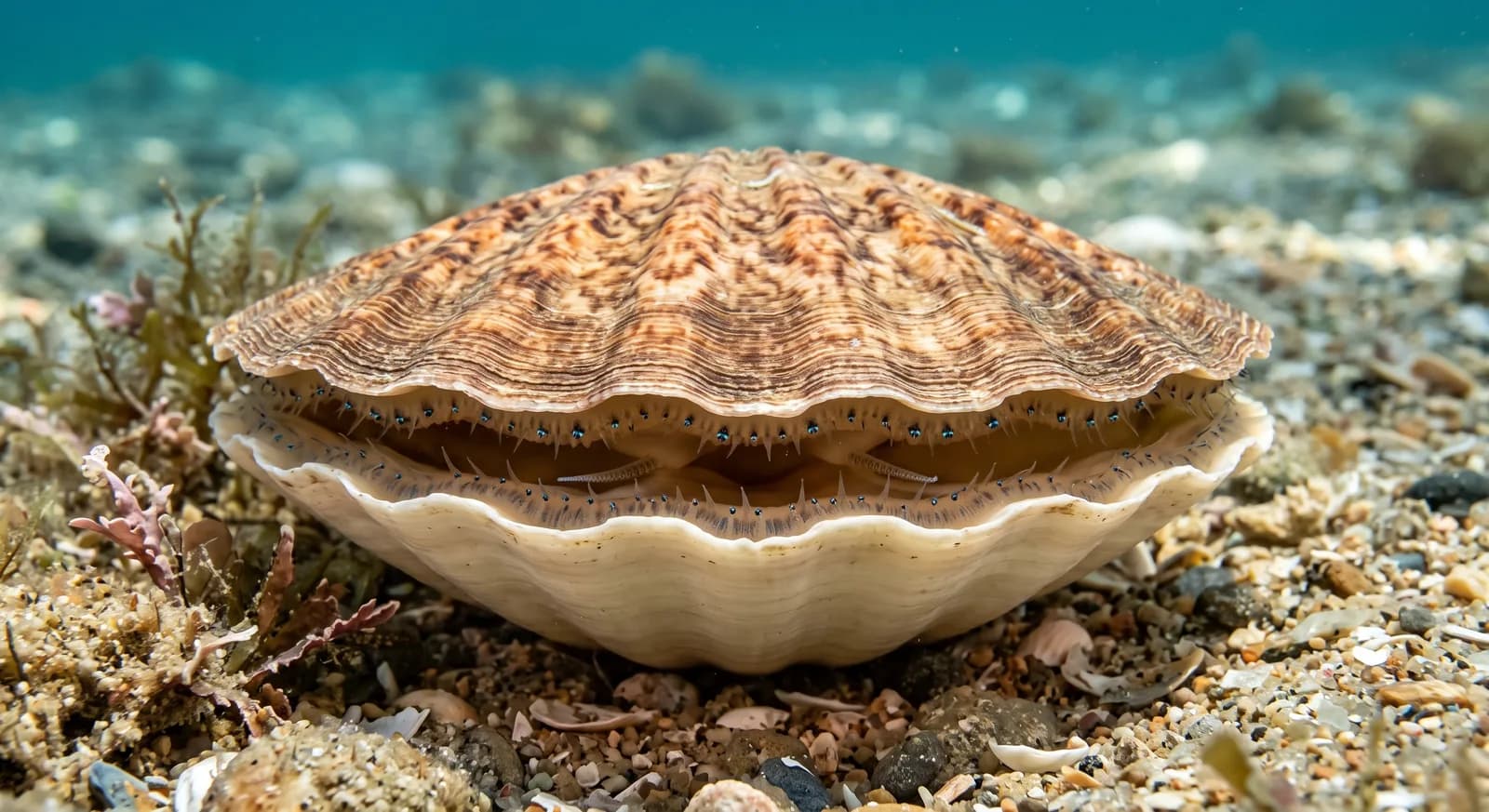 Not Evaluated
Great Scallop
Pecten maximus
Sand Gaper
Mya arenaria
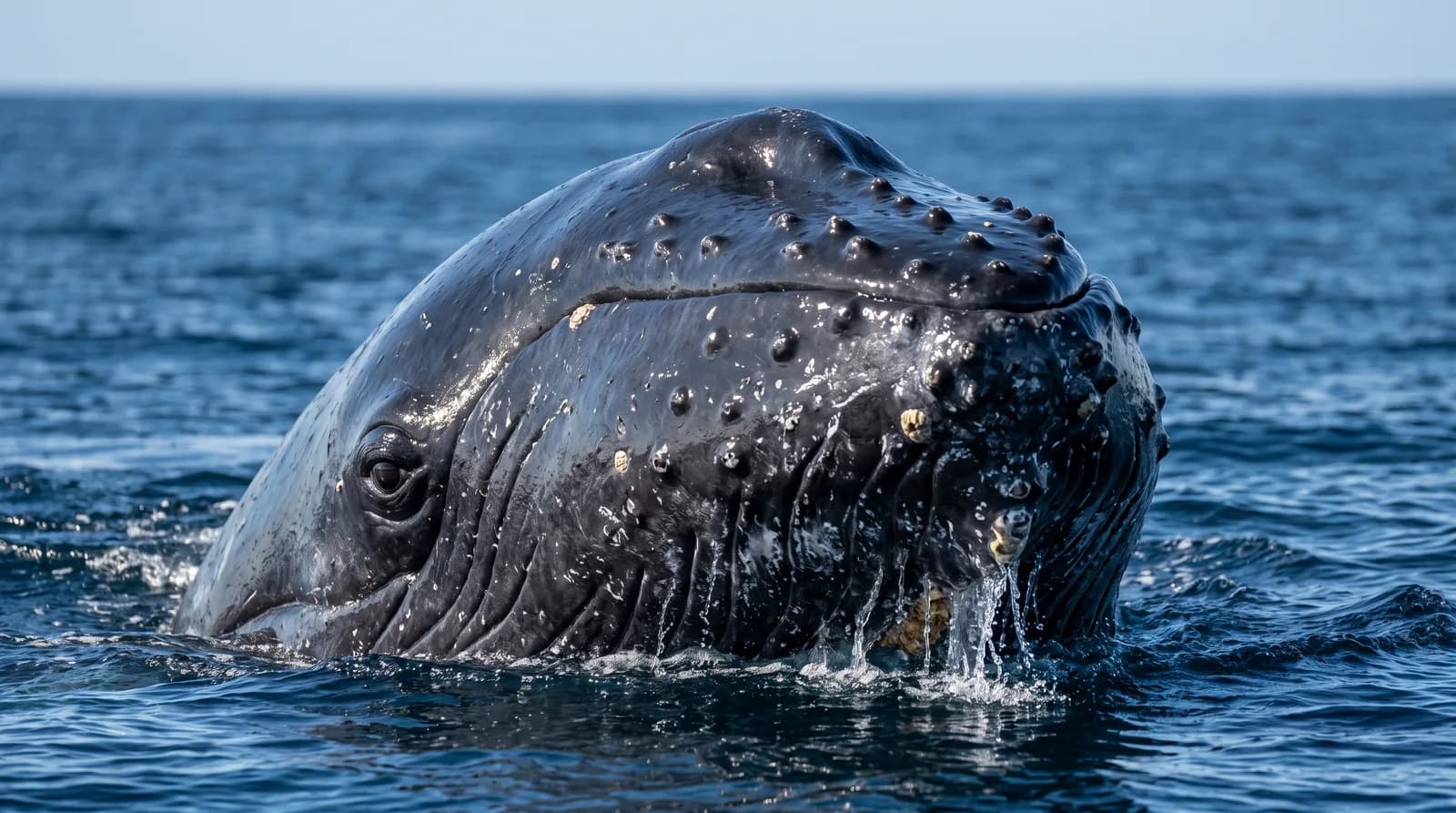 Least Concern
Humpback Whale
Megaptera novaeangliae
Bowhead Whale
Balaena mysticetus
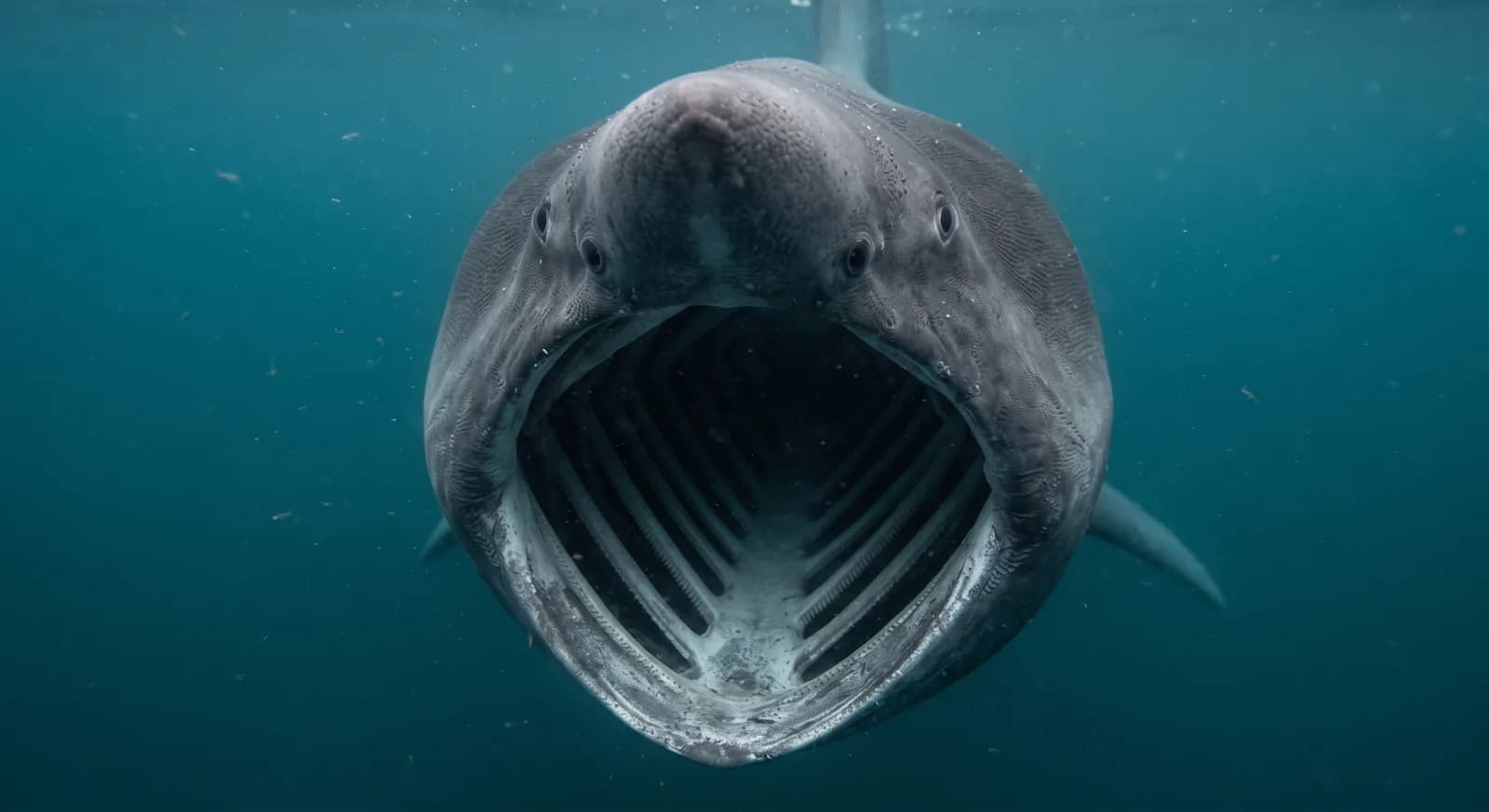 Endangered
Basking Shark
Cetorhinus maximus
Hermit Crab
Pagurus bernhardus
Keep exploring
Based on what we already know about northern nutclam.
Comments
Share an experience, a fun fact or a tip for seeing the northern nutclam.
Be the first to comment.