Bivalves · Pectinida · Pectinidae
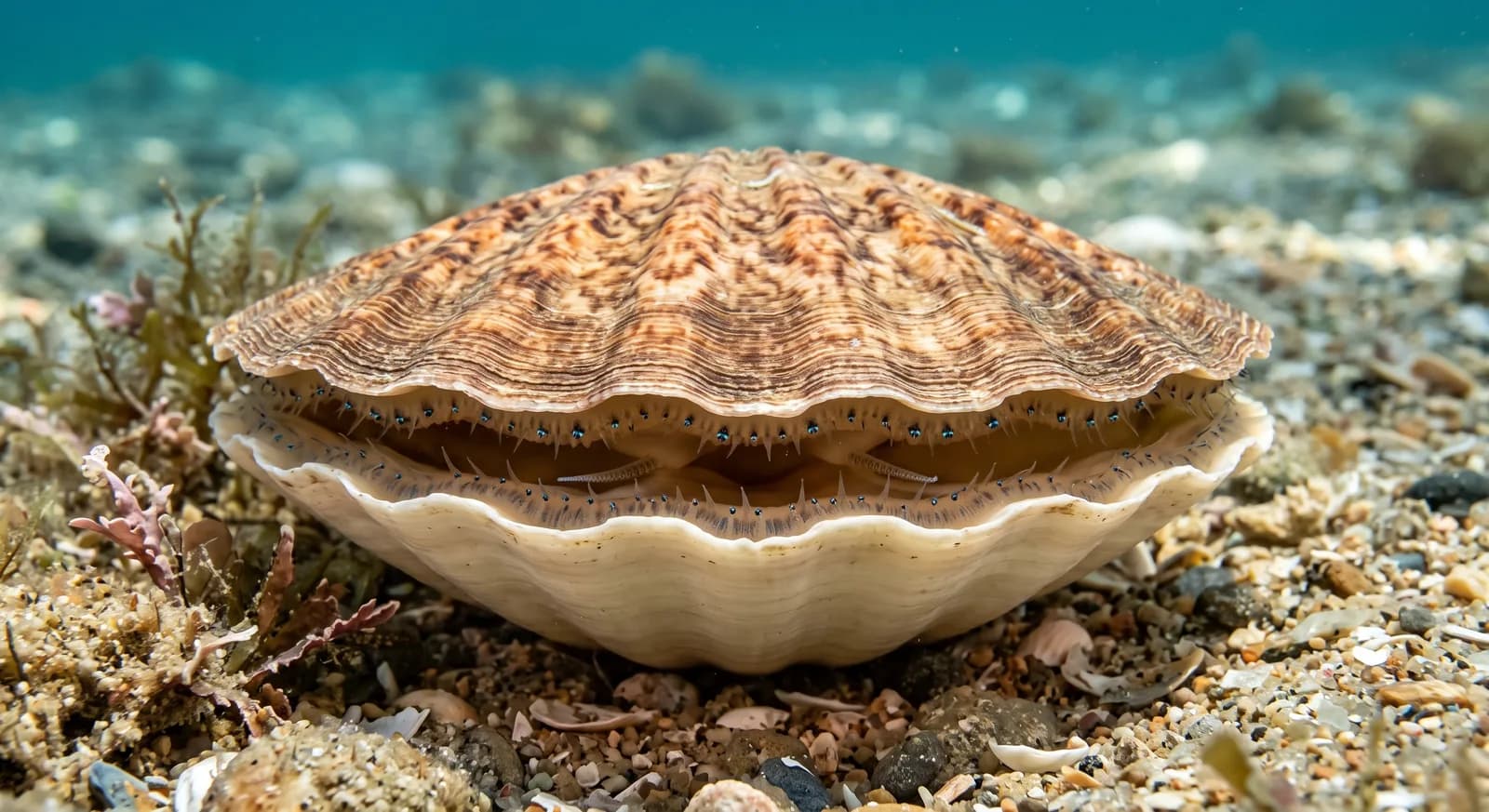
Great Scallop
Pecten maximus
It has not yet been assessed against the IUCN criteria. See full glossary
It is a simultaneous hermaphrodite: it has a single gonad with a male and a female portion of similar size. It can swim actively through the water by clapping its shells together.
Weight
up to 600 g
Size
up to 21 cm
Lifespan
15 years
Diet
Omnivore
Combines animal and plant food depending on availability.
Activity
Irregular activity
Active at irregular times, by day or night depending on circumstances.
Social structure
Solitary
Lives and hunts alone, joining others only to breed.
Sighting difficulty
Unknown
Fun facts
- It is a simultaneous hermaphrodite, with a single gonad that is part male and part female at once.
- It can 'jump' by clapping its shells together to expel water and escape a predator.
- A three-year-old female can release as many as 21 million eggs in a single spawning.
Life cycle & biology
- Skeleton type
- Invertebrate - external calcareous bivalve shell
- Habitat & environment
- Sandy and gravel bottoms of the north-eastern Atlantic and the Mediterranean, between 0 and 125 m deep
- Birth weight
- A microscopic egg; a trochophore larva after external fertilisation
- Size at birth
- A microscopic planktonic larva that turns into a veliger (a miniature clam) after several weeks
- Sexual maturity
- 2-3 years, on reaching 80-90 mm of shell length
- Gestation / incubation
- No gestation; over a month as a planktonic larva after external fertilisation
- Litter / clutch size
- Up to 15-21 million eggs released by a 3-year-old female at each spawning
Sources consulted: SeaLifeBase; MarLIN (biology and sensitivity review); ScienceDirect Topics; Animalia.bio; The Wildlife Trusts; Institute of Marine Research (Norway); Aquarium La Rochelle; Grokipedia (Pecten maximus)
Where to find it
See its range on the interactive mapBest time: All year round on sand and gravel bottoms of the north-eastern Atlantic, between 10 and 100 m deep; spawning is concentrated in spring and summer.
Where to watch it
Parques y spots de buceo donde se ha documentado esta especie — se muestran 20 de 59 documentados.
Related species
Other species in the catalogue with the most in common with Great Scallop — same habitat, park, country, tags or family.
Variegated Scallop
Mimachlamys varia
 Least Concern
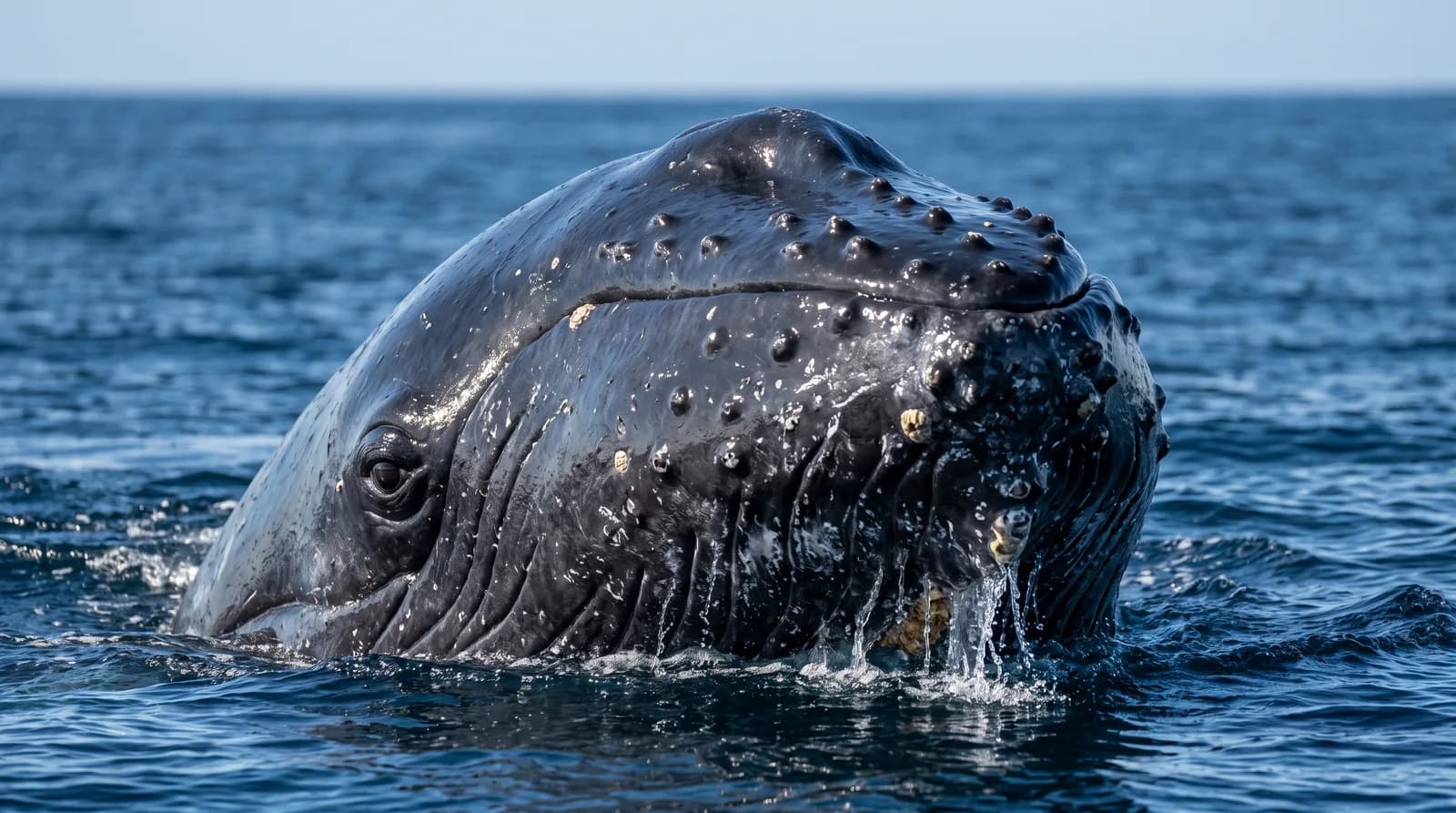
Humpback Whale
Megaptera novaeangliae
 Endangered
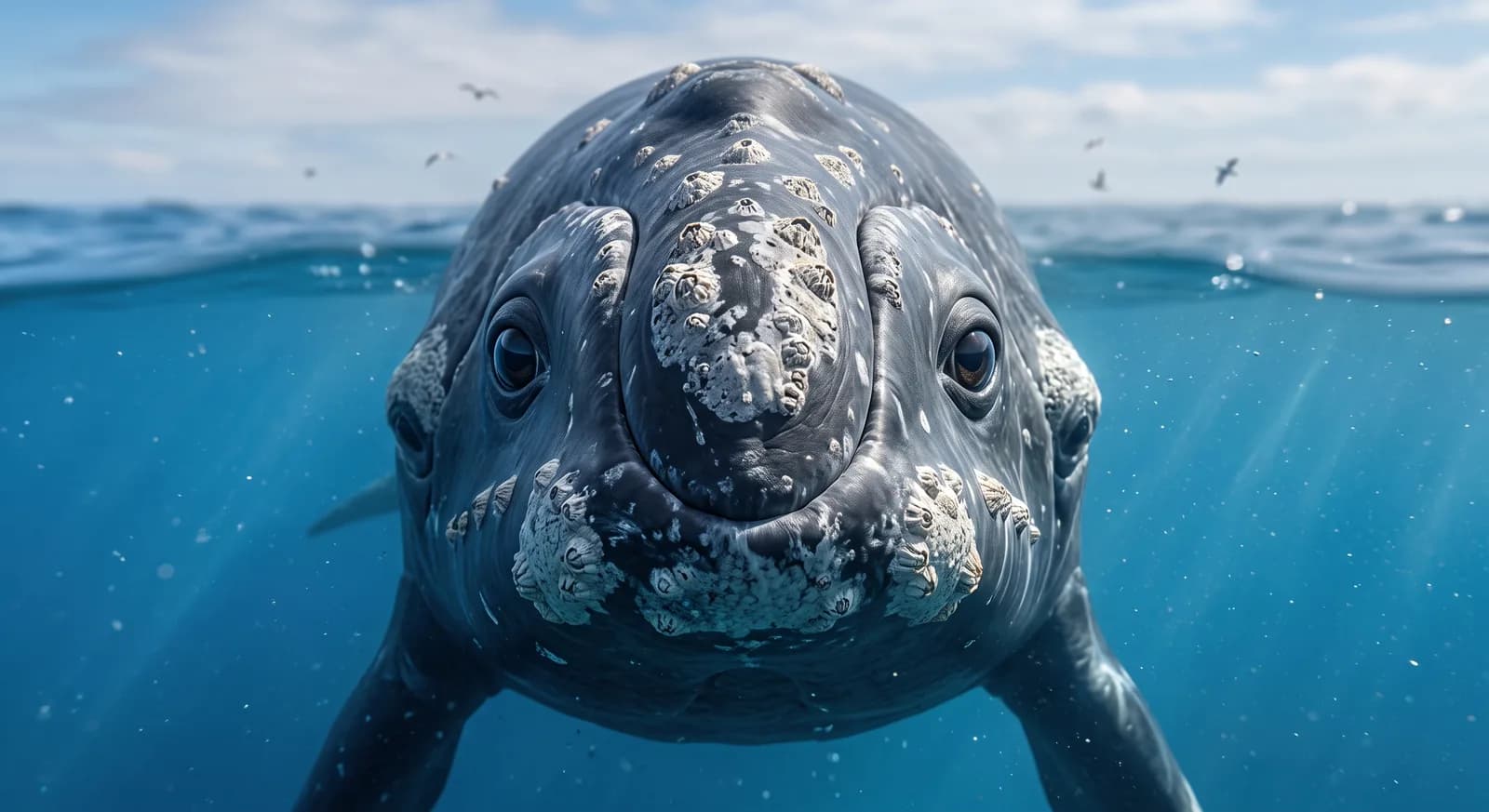
North Atlantic Right Whale
Eubalaena glacialis
 Endangered
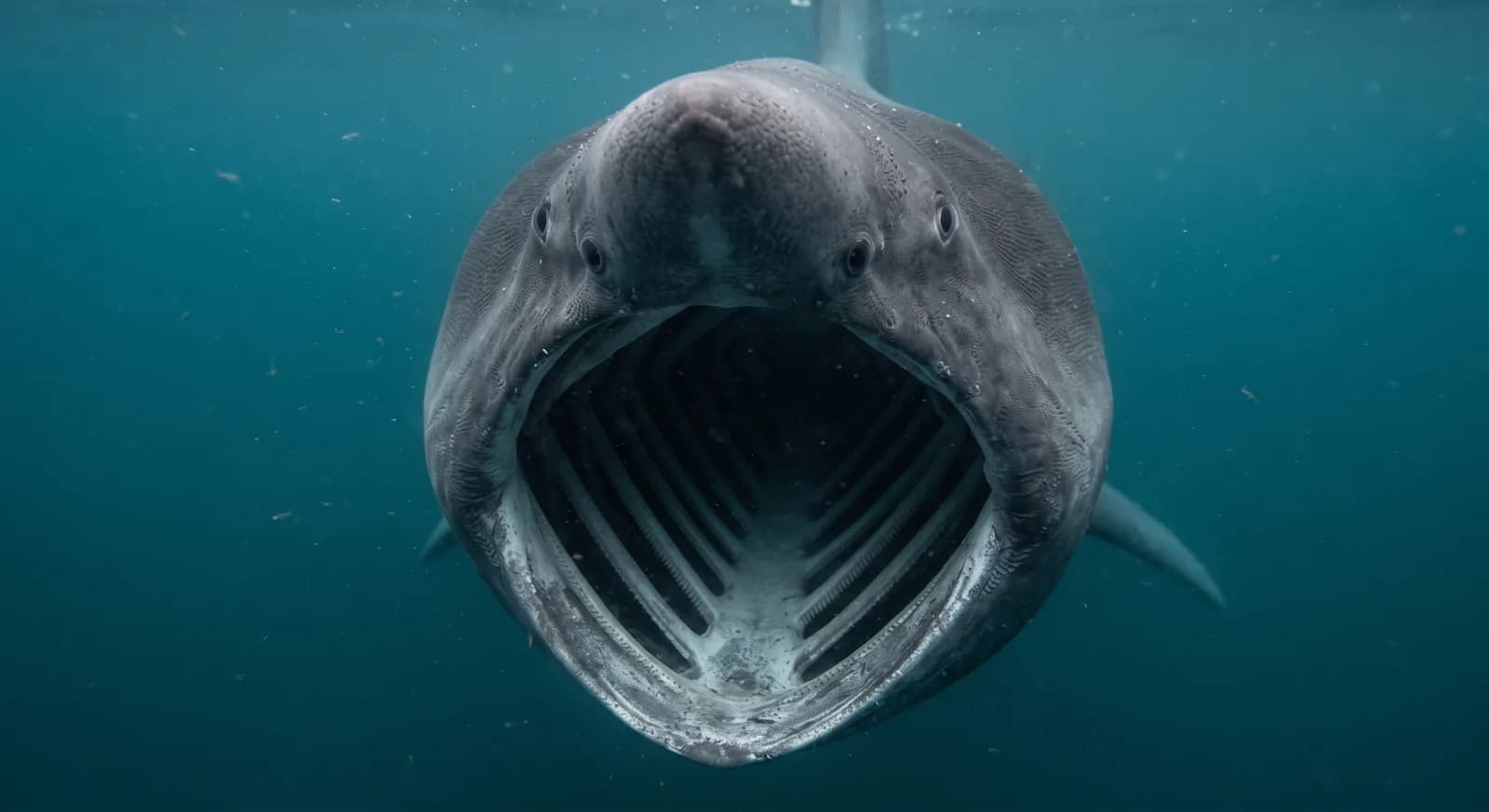
Basking Shark
Cetorhinus maximus
Sand Gaper
Mya arenaria
Greater Argonaut
Argonauta argo
Keep exploring
Based on what we already know about great scallop.
Comments
Share an experience, a fun fact or a tip for seeing the great scallop.
Be the first to comment.