The finest Atlantic riparian forest in Europe, in the canyon of the Eume river, with the Caaveiro monastery at its heart.
Area
91 km²
Declared in
1997
Region
Southern Europe
Climate
Árido / desértico, Templado, Mediterráneo, Montañoso
Best time
All year round
Highlight
Thermophilous Atlantic forest in the Eume canyon
Fragas do Eume Natural Park protects 9,126 hectares of slopes and hills flanking the river Eume on its final stretch, in the province of A Coruña, spread across the municipalities of Cabanas, A Capela, Monfero, Pontedeume and As Pontes. The river, which rises in the Serra do Xistral, has cut a deep canyon here that is almost permanently wrapped in mist, and it is that combination of constant humidity, shade and proximity to the sea that explains its value: it is regarded as the best-preserved example of thermophilous Atlantic riverine forest in Europe. It is the second largest natural park in Galicia, after Xurés.
The fraga is a woodland of many storeys and many species. Oak and chestnut form the deciduous canopy, accompanied by birch, alder, ash, yew and hazel, and by evergreens such as bay laurel, holly and strawberry tree; the cork oaks on the south-facing slopes mark their northern limit in Galicia. But the real treasure is below: on the damp, shaded banks survives an extraordinary collection of lichens, mosses and ferns, with 28 fern species relict from the Tertiary that persist here because the canyon has acted as a climate refuge for millions of years. Two rare species of narcissus also grow here.
Human occupation goes back at least 6,000 years, as attested by the mámoa burial mounds, petroglyphs and megalithic cemeteries scattered across the surrounding hills. The most visited landmark is the monastery of San Xoán de Caaveiro, established in the year 934 to house the hermits scattered through the fraga, raised to a collegiate church in the Middle Ages, closed and auctioned off in 1849, declared an asset of cultural interest in 1975 and restored by the Provincial Council of A Coruña from 2003 onwards. The park was declared by Decree 218/1997, after its Natural Resources Management Plan was approved in 1996. In March 2012 a fire burned some 750 hectares, of which around 350 were inside the park and some 100 were mature fraga, the most serious episode in its recent history.
Location
See on the interactive map1 dive site within 300 km is also shown.
284 species documented in Fragas do Eume
At conservation risk:Cangrejo de río autóctono,Capricornio del roble,Dentón,Murciélago de cueva (murciélago de alas largas),Náyade perlífera,Nóctulo grande,Perdiz roja,Quelvacho,Rana patilarga (rana ibérica),Sábalo europeo,Salamandra rabilarga
Abadejo
Pollachius pollachius
Abeja albañil
Osmia bicornis
Abeja carpintera violeta
Xylocopa violacea
Abeja del sudor europea
Lasioglossum malachurum
Abeja minera fulva
Andrena fulva
Abejorro común
Melolontha melolontha
Abejorro terrestre
Bombus terrestris
Acentor común
Prunella modularis
Águila calzada
Hieraaetus pennatus
Aguilucho cenizo
Circus pygargus
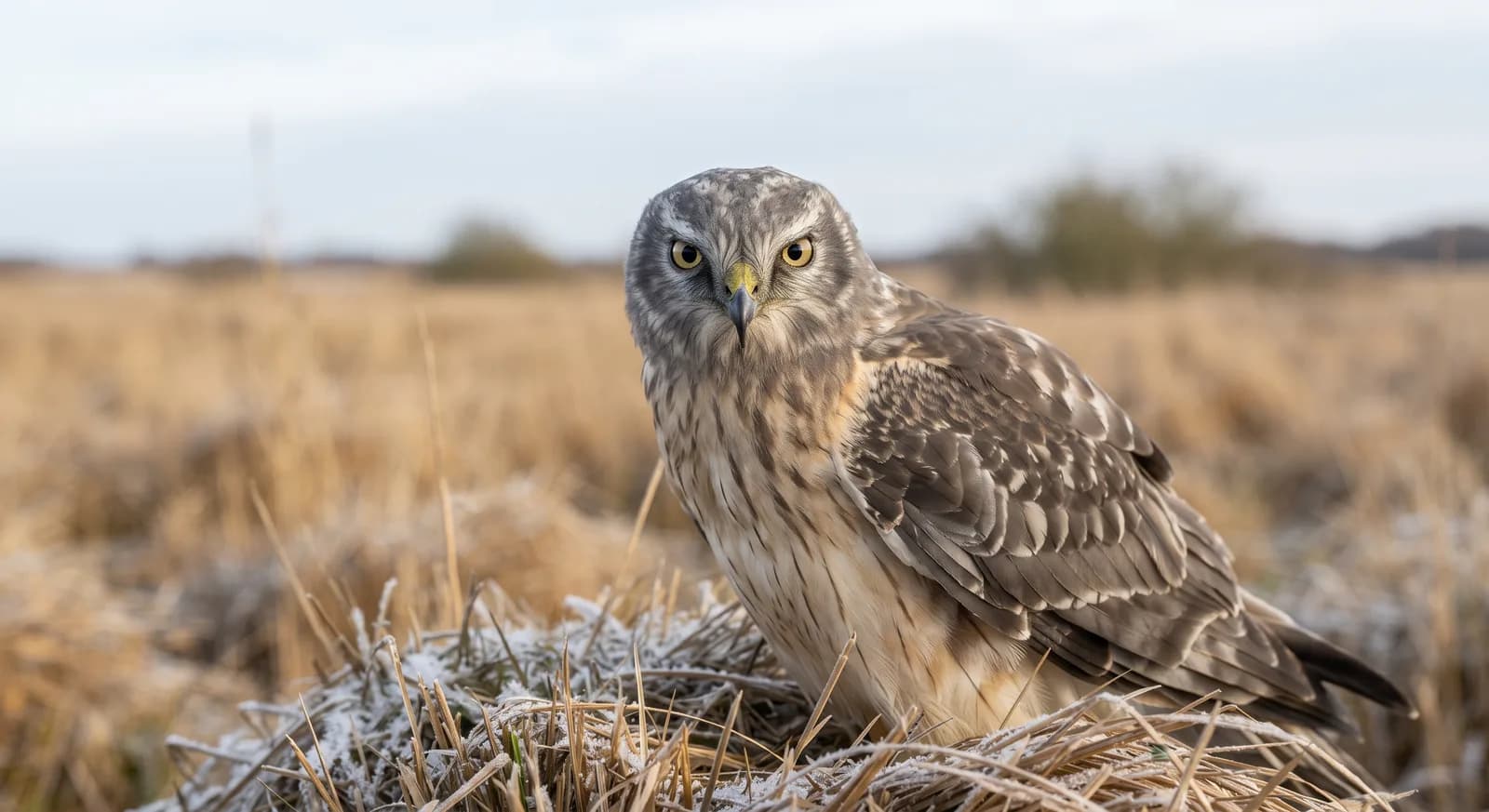 Least Concern
Aguilucho pálido
Circus cyaneus
Aguja de mar
Syngnathus acus
Flora and ecosystems
Ecosystems found in Spain, where Fragas do Eume lies.
Experiences in this park
Nearby dive sites
Where can I dive near here?
Cíes Islands
149 km away
Similar parks
Which other parks are like this one?
Keep exploring
Based on what we already know about Fragas do Eume.
Your rating
How many stars would you give Fragas do Eume?
Comments
Share your experience visiting Fragas do Eume, or a tip for other travellers.
Be the first to comment.