Cephalopods · Octopoda · Argonautidae
Greater Argonaut
Argonauta argo
The species is abundant and widely distributed; it faces no significant short-term risk. See full glossary
For all that it is nicknamed the paper nautilus, it is in fact a highly specialised relative of the octopus: the female secretes her own translucent case, used solely to float and to protect her eggs, not as a shelter for her body.
Size
1.5 cm – 47.5 cm
Lifespan
1 years
Diet
Carnivore
Feeds mainly on other animals.
Activity
Irregular activity
Active at irregular times, by day or night depending on circumstances.
Social structure
Solitary
Lives and hunts alone, joining others only to breed.
Sighting difficulty
Easy
Fun facts
- The female can be as much as 600 times heavier than the tiny male.
- Only the female secretes the translucent case the species is known for.
- It can release over 85,000 eggs in batches of 2,000-4,000.
- Only the female has a shell, and it is not a true shell: she secretes it with two modified, membrane-like arms, and uses it as a brood chamber for her eggs.
- And as a float. A study of live animals showed that the female rises to the surface, traps air in the shell, seals it with her arms and carries it down with her: that air exactly offsets her weight at the depth where she lives, leaving her neutrally buoyant.
- Sexual dimorphism here is among the most extreme in the animal kingdom: the female's body can measure more than 10 cm while the male's is barely 2, with no shell.
- The male has a modified arm, the hectocotylus, which detaches inside the female during mating and stays there. When it was discovered it was taken for a parasitic worm and given its own species name.
- The male mates only once and dies; the female can mate several times and store the sperm.
- The empty shell floats and washes up on beaches, where for centuries it was mistaken for that of the nautilus — hence the name paper nautilus.
Life cycle & biology
- Skeleton type
- Invertebrate - no internal skeleton, with an external egg case secreted by the female alone (cephalopod)
- Habitat & environment
- Open pelagic waters of tropical and subtropical oceans worldwide
- Birth weight
- A tiny egg laid in the paper casing the female secretes
- Size at birth
- Tiny larva at hatching
- Sexual maturity
- Male: 8 mm of mantle length | Female: roughly twice that, though she starts secreting the shell from 6.5-7 mm
- Gestation / incubation
- The egg develops inside the shell over a period the sources do not put a figure on
- Litter / clutch size
- A potential fecundity of at least 85,000 eggs, released in batches of 2,000-4,000
Sources consulted: Life in Water Wiki; ResearchGate (Andaman Sea paper nautilus study); Animalia.bio; PMC (argonaut genome study); WWF; OctoNation; The Cephalopod Page; National Geographic
Where to find it
See its range on the interactive mapWhere to watch it
Parques y spots de buceo donde se ha documentado esta especie — se muestran 20 de 133 documentados.
Related species
Other species in the catalogue with the most in common with Greater Argonaut — same habitat, park, country, tags or family.
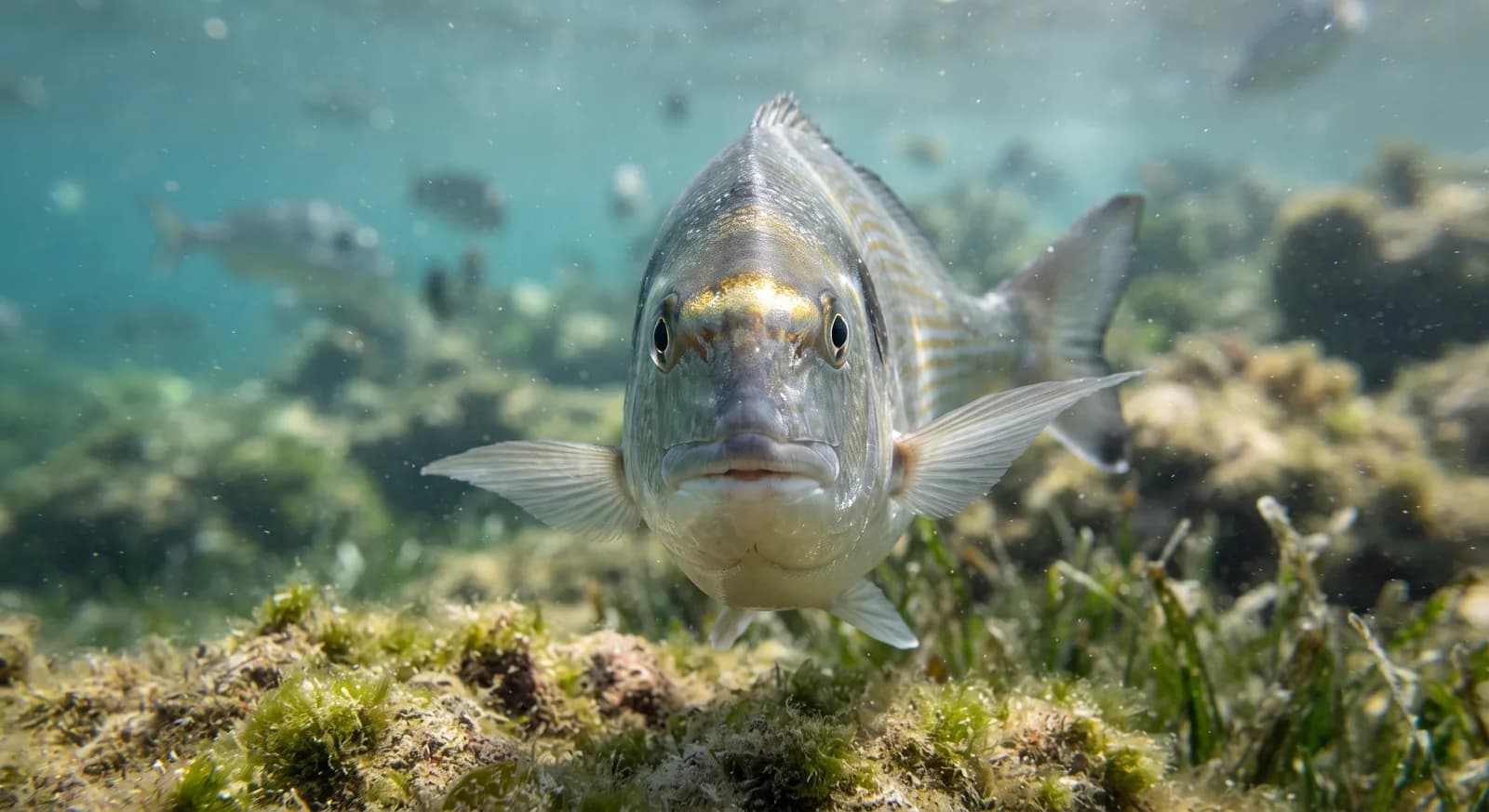 Least Concern
Gilthead
Sparus aurata
Cuvier's Beaked Whale
Ziphius cavirostris
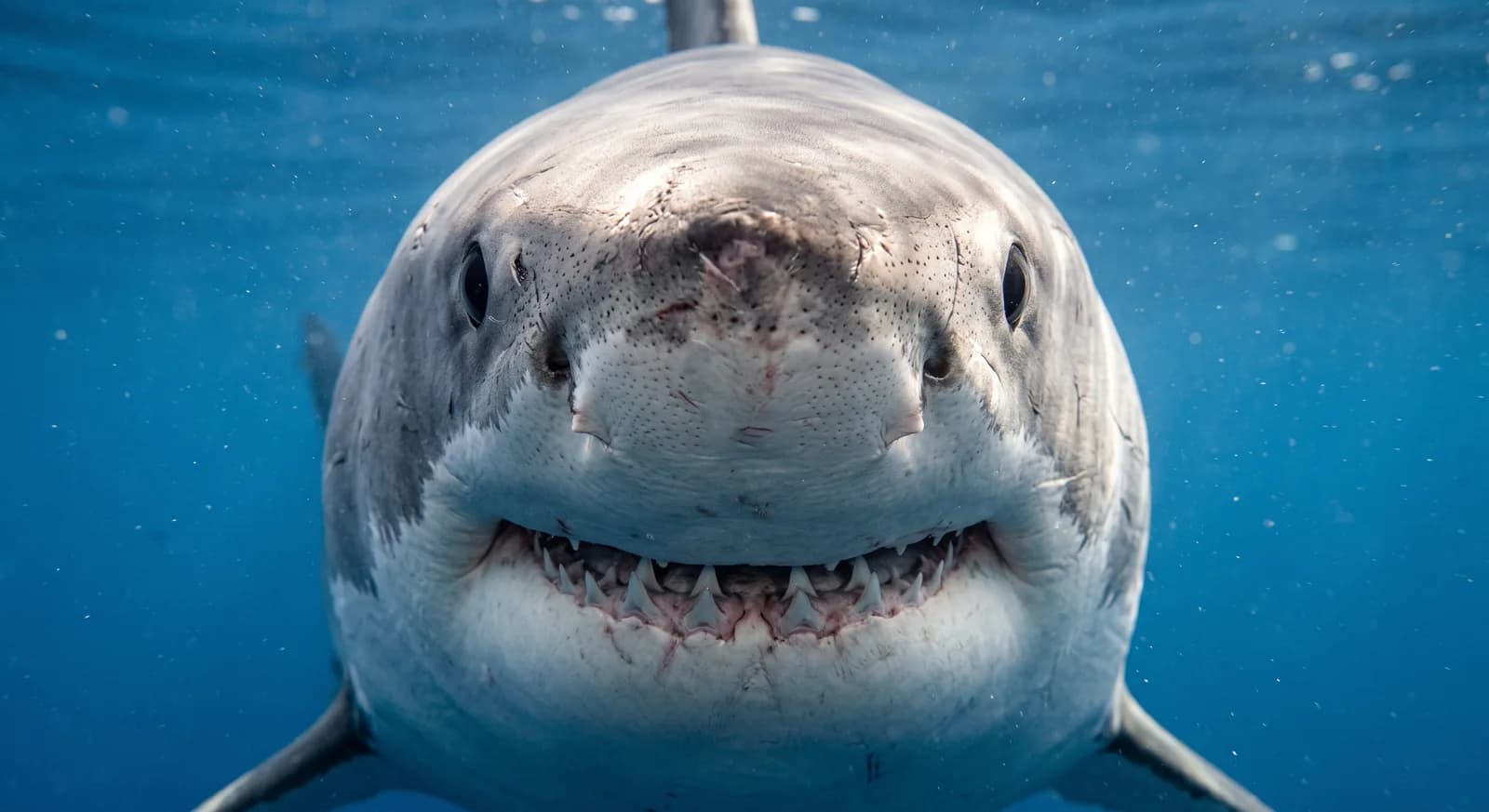 Vulnerable
Great White Shark
Carcharodon carcharias
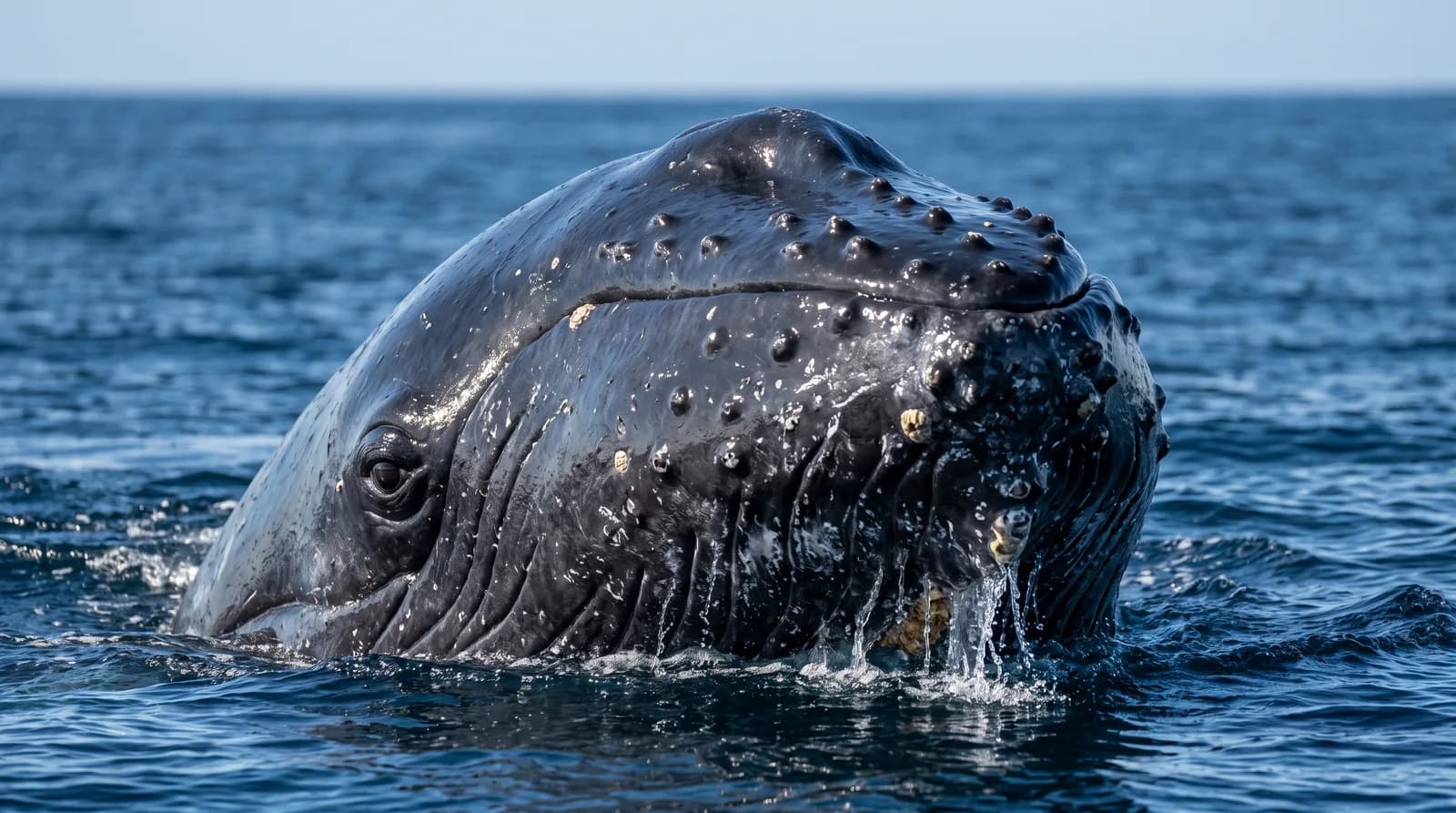 Least Concern
Humpback Whale
Megaptera novaeangliae
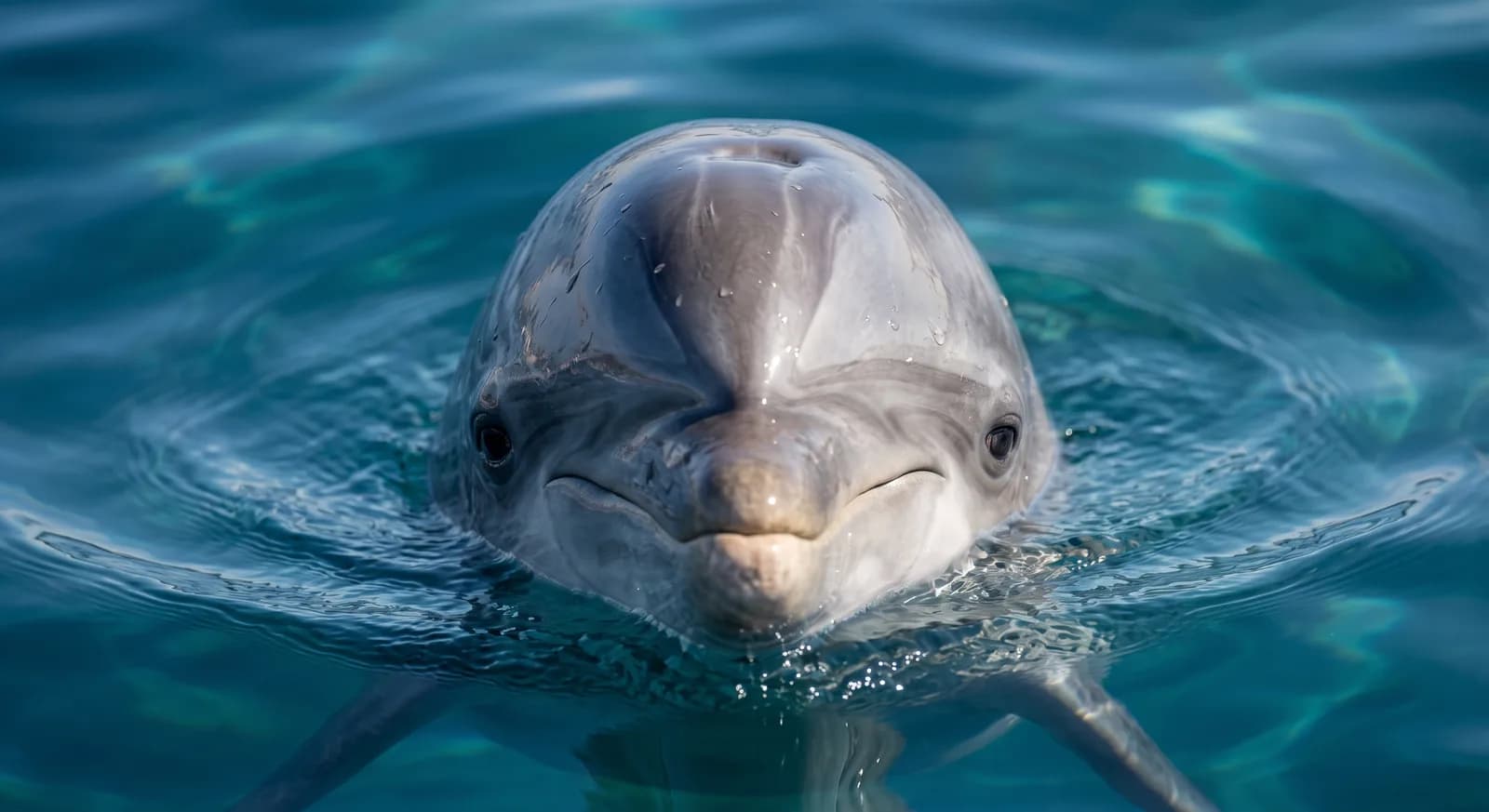 Least Concern
Bottlenose Dolphin
Tursiops truncatus
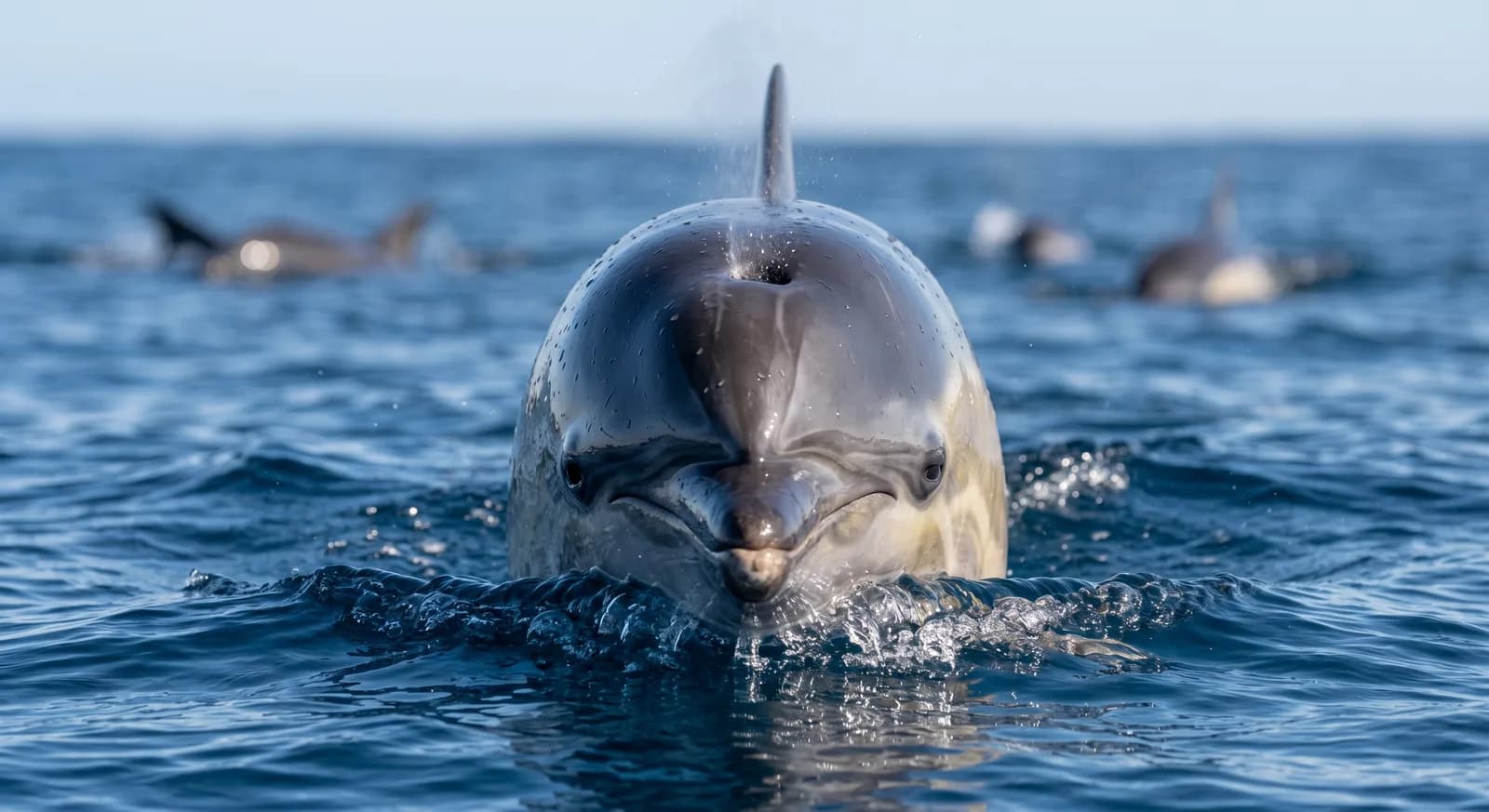 Least Concern
Short-beaked Common Dolphin
Delphinus delphis
Keep exploring
Based on what we already know about greater argonaut.
Comments
Share an experience, a fun fact or a tip for seeing the greater argonaut.
Be the first to comment.