Bivalves · Carditida · Carditidae
Old Cardita
Cardites antiquatus
It has not yet been assessed against the IUCN criteria. See full glossary
A bivalve of the Mediterranean and the nearby Atlantic, with a solid, thick shell marked by some 20 knobbed radial ribs. It lives half-buried or wedged among stones and algae on shallow bottoms, where it filters suspended particles. Its shells are very common on Mediterranean beaches.
Diet
Omnivore
Combines animal and plant food depending on availability.
Social structure
Solitary
Lives and hunts alone, joining others only to breed.
Sighting difficulty
Unknown
Fun facts
- Its tough, ribbed valves preserve well and turn up frequently at coastal archaeological sites around the Mediterranean.
- Its shell is solid, with strong, knobbly radial ribs, a very robust design that makes it common in Mediterranean fossil deposits.
- Carditids brood their eggs inside the mantle cavity instead of releasing them into the water, a form of parental care uncommon among bivalves.
- It is a slow-growing filter feeder of moderately deep bottoms.
Life cycle & biology
- Habitat & environment
- Sand, gravel and Posidonia meadow bottoms of the Mediterranean
Sources consulted: Linneo (1758); MolluscaBase; revisiones de biología de Carditidae
Where to find it
See its range on the interactive mapWhere to watch it
Parques y spots de buceo donde se ha documentado esta especie — se muestran 20 de 96 documentados.
Related species
Other species in the catalogue with the most in common with Old Cardita — same habitat, park, country, tags or family.
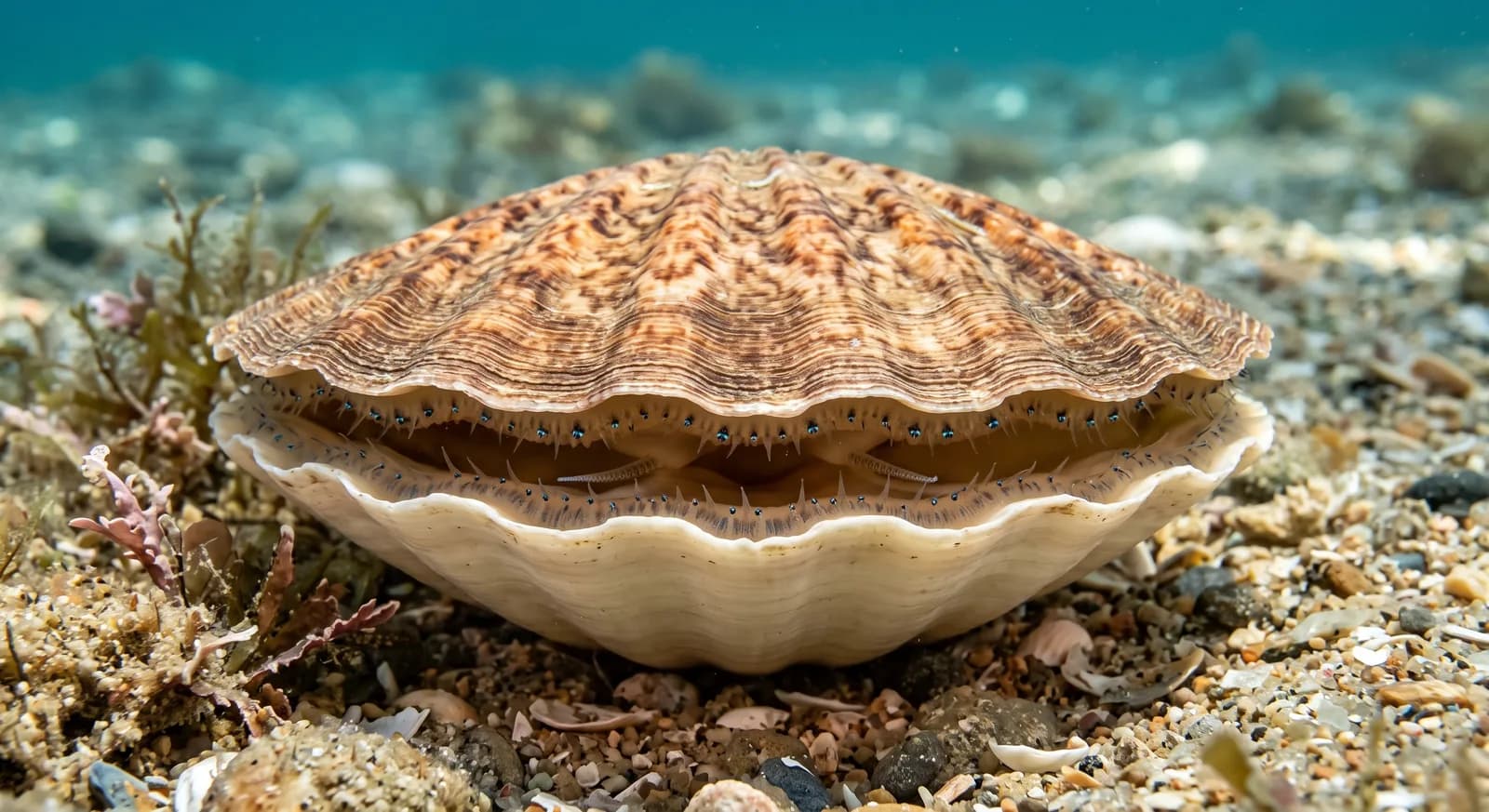 Not Evaluated
Great Scallop
Pecten maximus
Sand Gaper
Mya arenaria
Common Piddock
Pholas dactylus
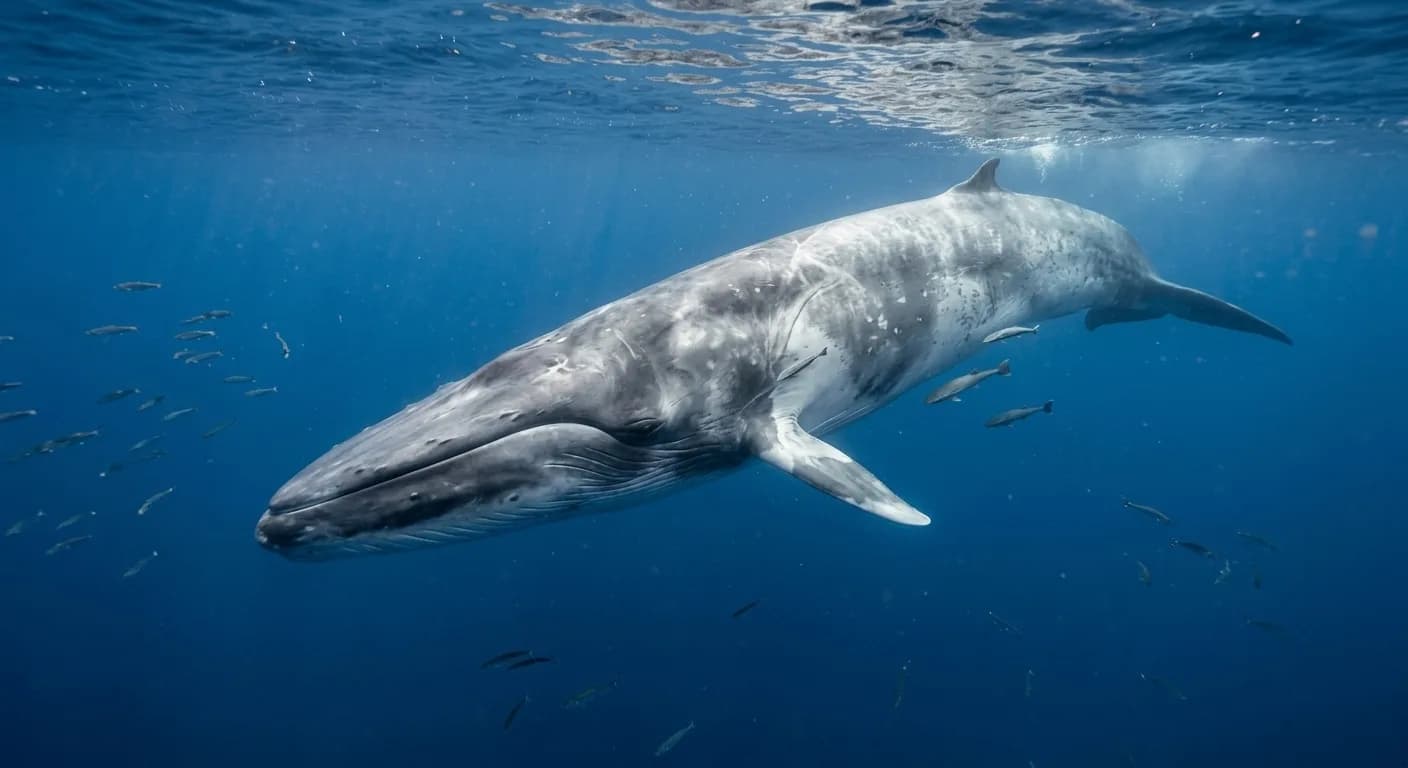 Endangered
Fin Whale
Balaenoptera physalus
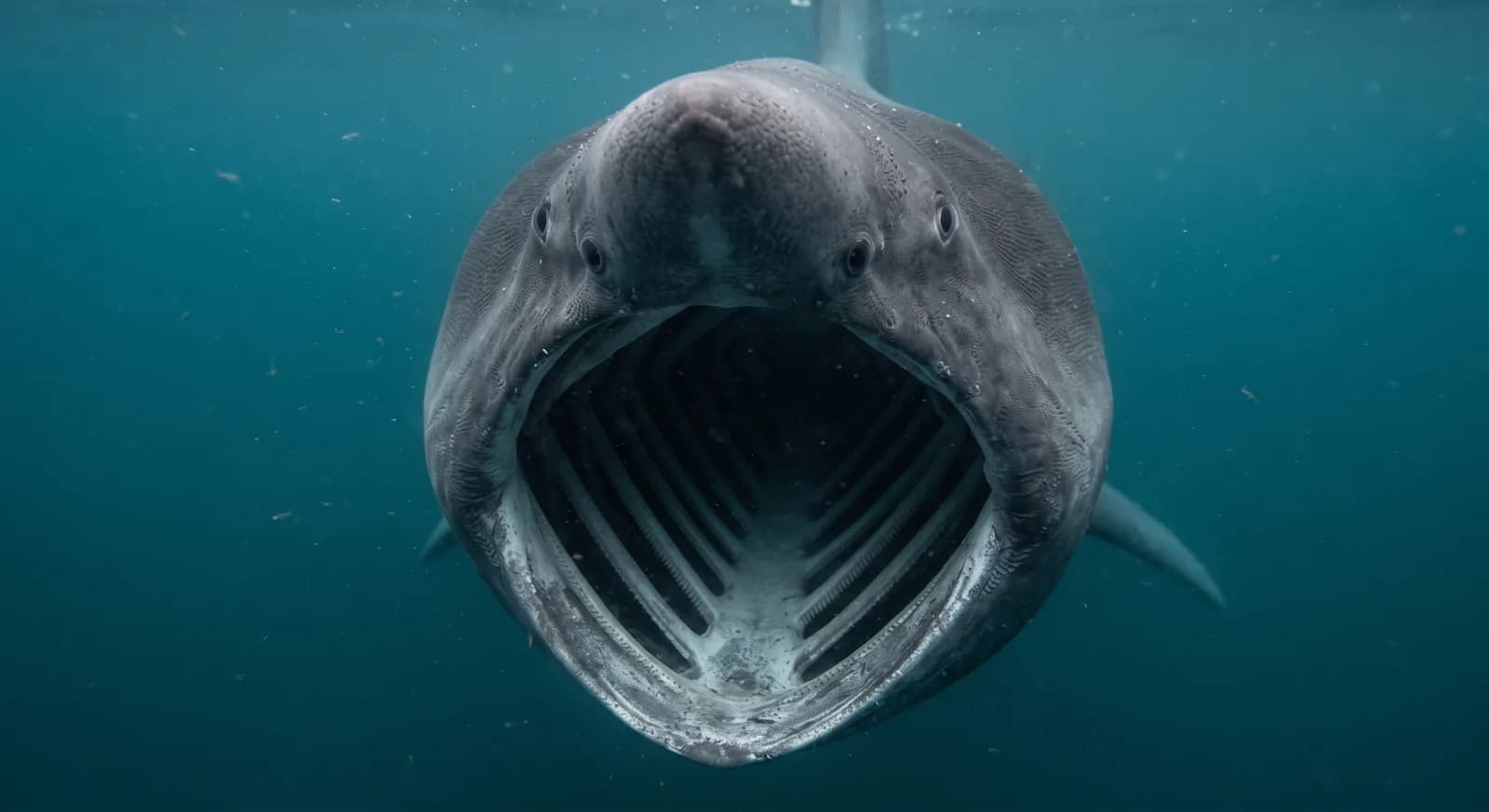 Endangered
Basking Shark
Cetorhinus maximus
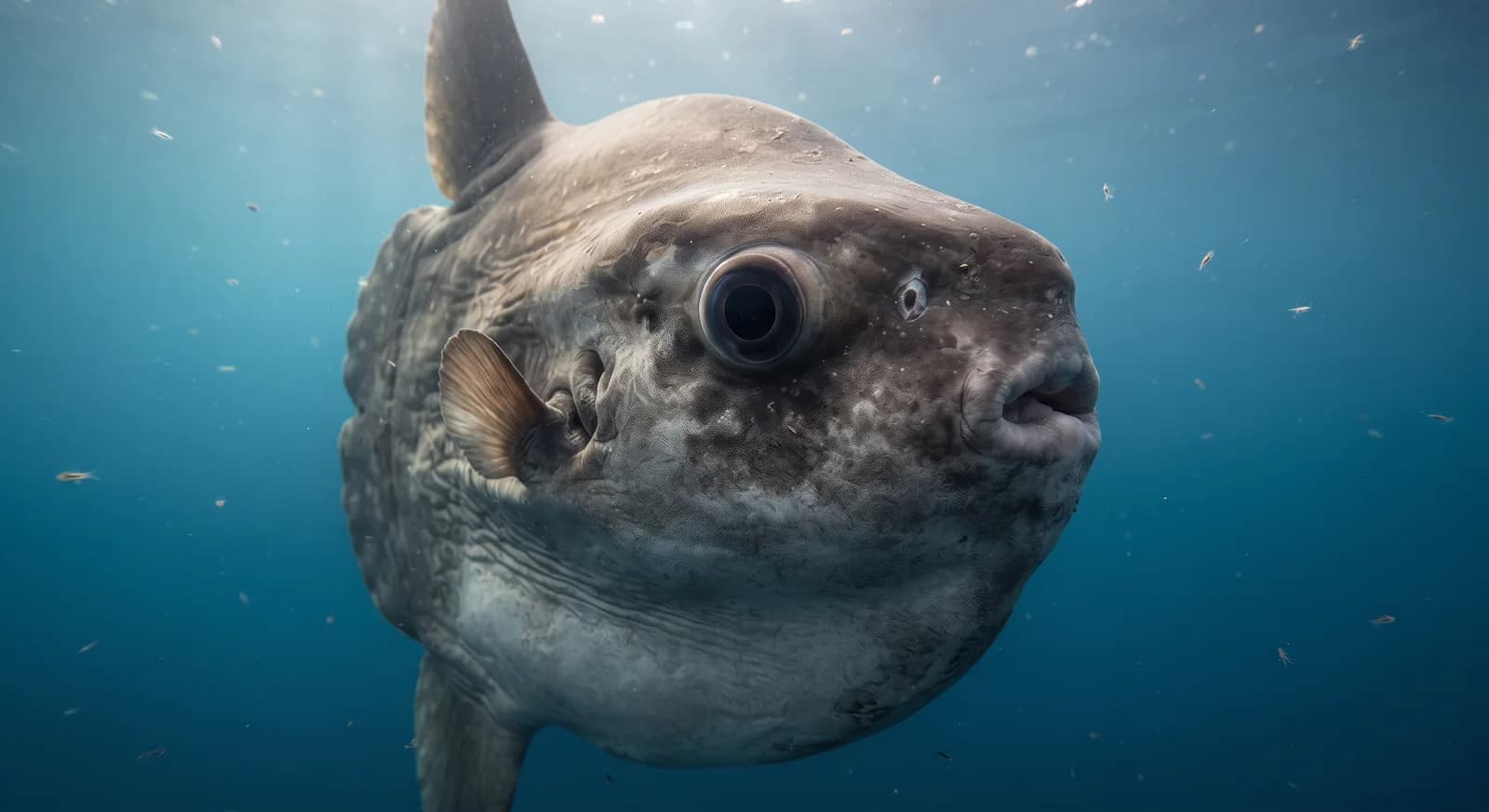 Vulnerable
Ocean Sunfish
Mola mola
Keep exploring
Based on what we already know about old cardita.
Comments
Share an experience, a fun fact or a tip for seeing the old cardita.
Be the first to comment.