Bivalves · Myida · Pholadidae
Common Piddock
Pholas dactylus
It has not yet been assessed against the IUCN criteria. See full glossary
Pholas dactylus is a luminescent clam, as are the other species of the genus Pholas, distributed along the Pacific coast of South America. It bores into rock. It was a highly prestigious food in Europe.
Size
6 cm – 15 cm
Diet
Omnivore
Combines animal and plant food depending on availability.
Social structure
Solitary
Lives and hunts alone, joining others only to breed.
Sighting difficulty
Unknown
Fun facts
- It gives off a blue-green light from several parts of its body; Pliny the Elder already described how it glowed in the mouth of anyone who ate it.
- The physiologist Raphaël Dubois coined the terms luciferin and luciferase in 1887 while studying the bioluminescence of this very species.
- It bores into rock by mechanical abrasion, turning its shell, not with acid.
- It is bioluminescent: when disturbed it shoots a glowing blue secretion out of its siphon.
- Its light has a historic place in science. Pliny the Elder described it in the first century, and in the late nineteenth century the French pharmacist Raphaël Dubois used it to describe for the first time the oxygen-dependent luciferin-luciferase reaction, which turned out to be universal in bioluminescence.
- The protein responsible is called pholasin, and today it is produced recombinantly and used in the laboratory as a sensitive indicator of reactive oxygen species.
- It bores into rock mechanically, rasping with the teeth on the front of its shell while rotating on its own axis.
- It was a highly prized delicacy in Europe, and already was in imperial Rome.
Life cycle & biology
- Habitat & environment
- Soft rock, clay and peat in the intertidal of the Mediterranean and the Atlantic
Sources consulted: https://es.wikipedia.org/wiki/Pholas_dactylus
Where to find it
See its range on the interactive mapWhere to watch it
Parques y spots de buceo donde se ha documentado esta especie — se muestran 20 de 96 documentados.
Related species
Other species in the catalogue with the most in common with Common Piddock — same habitat, park, country, tags or family.
Old Cardita
Cardites antiquatus
 Endangered
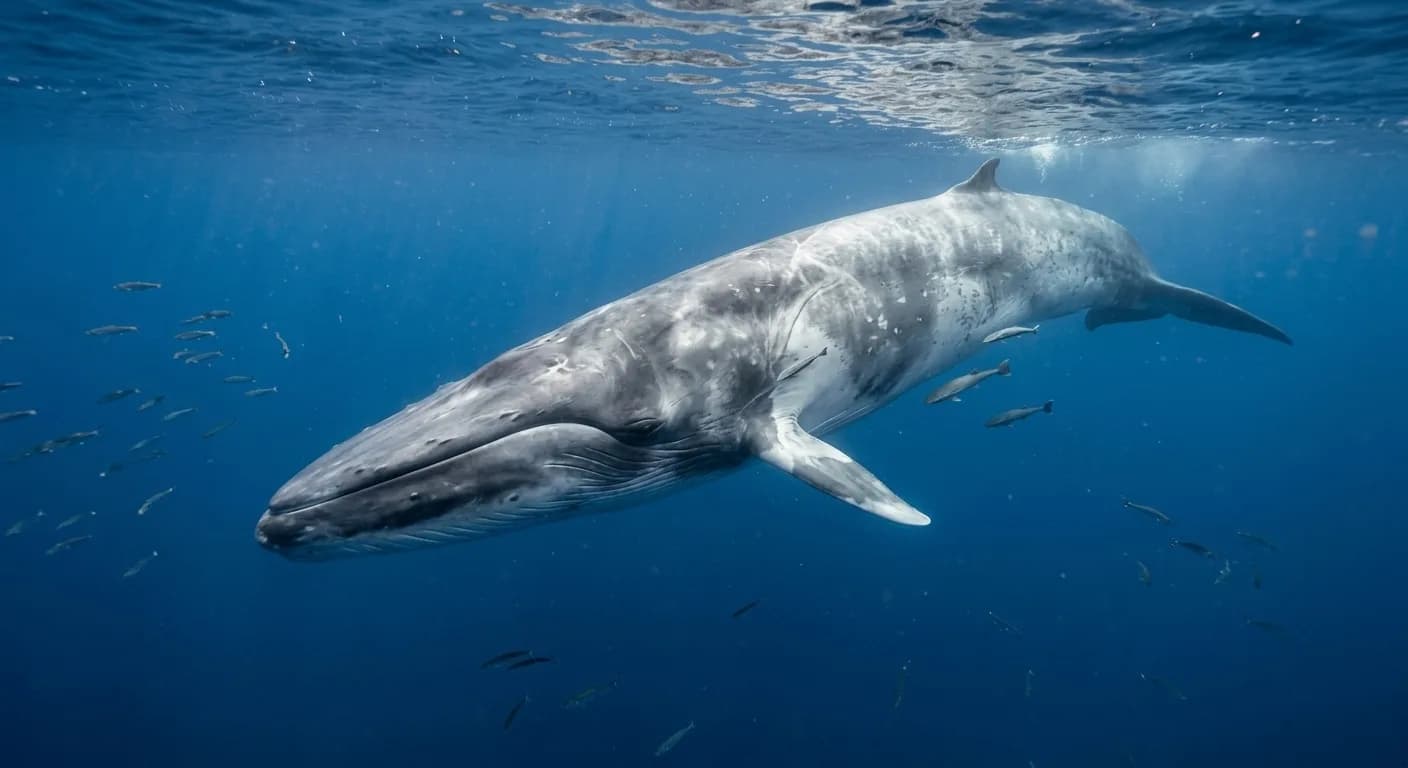
Fin Whale
Balaenoptera physalus
 Endangered
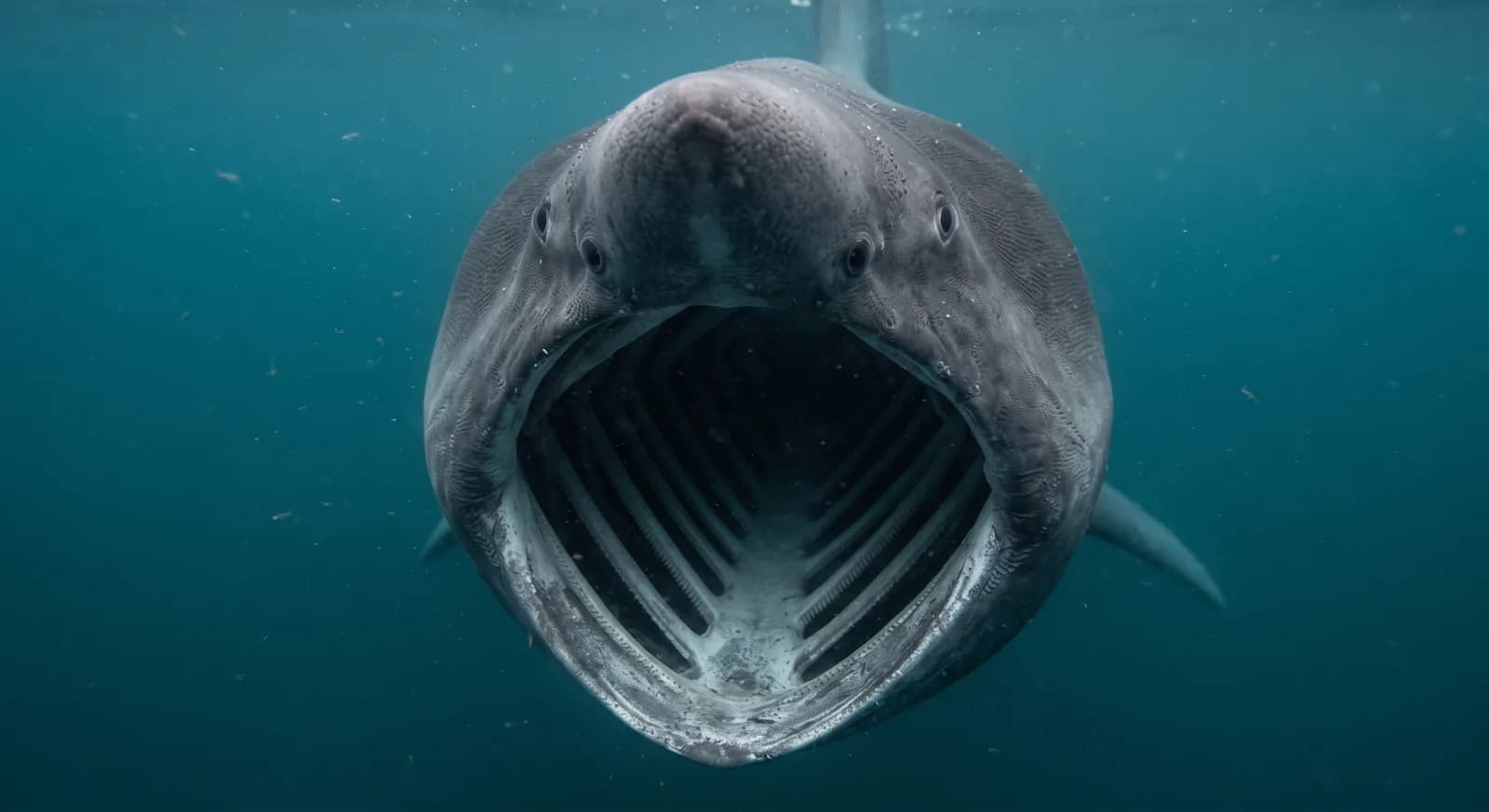
Basking Shark
Cetorhinus maximus
 Vulnerable
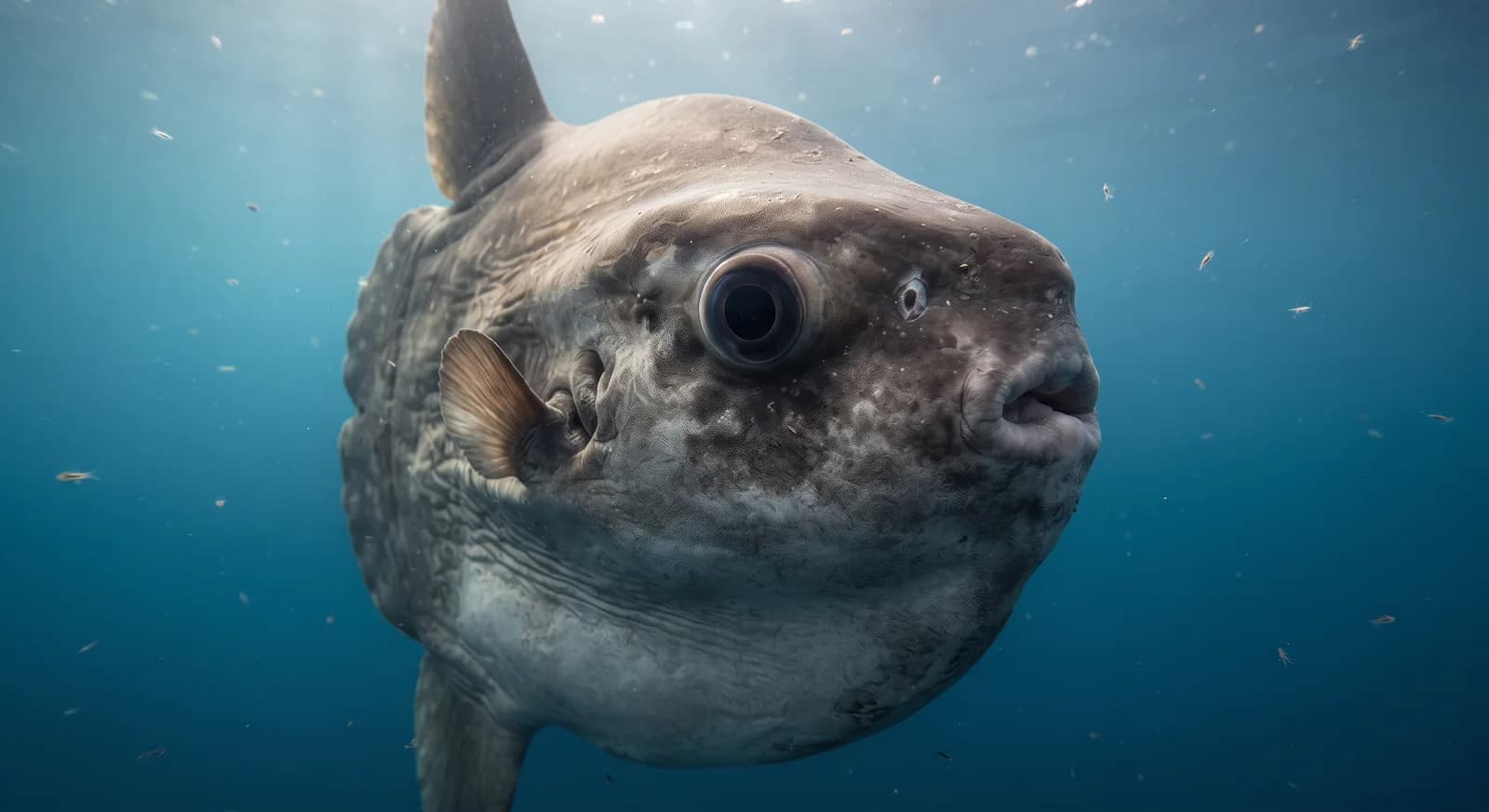
Ocean Sunfish
Mola mola
Blue Crab
Callinectes sapidus
Common Spiny Lobster
Palinurus elephas
Keep exploring
Based on what we already know about common piddock.
Comments
Share an experience, a fun fact or a tip for seeing the common piddock.
Be the first to comment.