Horseshoe crabs · Xiphosura · Limulidae
American Horseshoe Crab
Limulus polyphemus
It faces a high risk of extinction in the wild over the medium term. See full glossary
The Atlantic horseshoe crab is a species of xiphosuran chelicerate of the family Limulidae. It reaches 60 cm long and 30 cm wide. Despite its name, this species is more closely related to the spiders and scorpions (arachnids) than to the crabs (crustaceans), with which it has no relationship at all. It lives in coastal areas and river estuaries.
Size
up to 60 cm
Lifespan
20 years
Diet
Omnivore
Combines animal and plant food depending on availability.
Social structure
Colony
Lives in large concentrations, often for breeding reasons.
Sighting difficulty
Moderate
Fun facts
- fisiologíaIts blood is blue and contains a compound (amoebocyte lysate) the pharmaceutical industry uses to detect bacterial contamination in vaccines.
- It is not a crab: it is a chelicerate, more closely related to spiders and scorpions than to crustaceans, and its lineage has gone some 450 million years almost unchanged.
- Its blood is blue because it carries oxygen with haemocyanin, which is copper-based, instead of haemoglobin.
- That blood underpins pharmaceutical safety worldwide. In the 1950s it was found to clot on contact with bacterial endotoxins, and from that came the LAL test, used since the 1970s to check that vaccines, injectable medicines and medical equipment are free of contamination.
- Some 500,000 individuals are caught and bled every year on the east coast of the United States alone. Although they are returned to the sea, there is mortality, and that pressure is one of the causes of its decline.
- A synthetic alternative already exists, recombinant factor C, which avoids using animals.
- Its eggs are a key resource in wader migration: the red knot depends on them to rebuild fat halfway through its journey to the Arctic.
Life cycle & biology
- Habitat & environment
- Soft bottoms and shallow bays of the North American Atlantic and the Gulf of Mexico; in spring it comes ashore en masse on sandy beaches to spawn on the spring tides
- Sexual maturity
- Matures at around 9 or 10 years old
Sources consulted: https://es.wikipedia.org/wiki/Limulus_polyphemus
Where to watch it
Parks and dive sites where this species has been documented.
Related species
Other species in the catalogue with the most in common with American Horseshoe Crab — same habitat, park, country, tags or family.
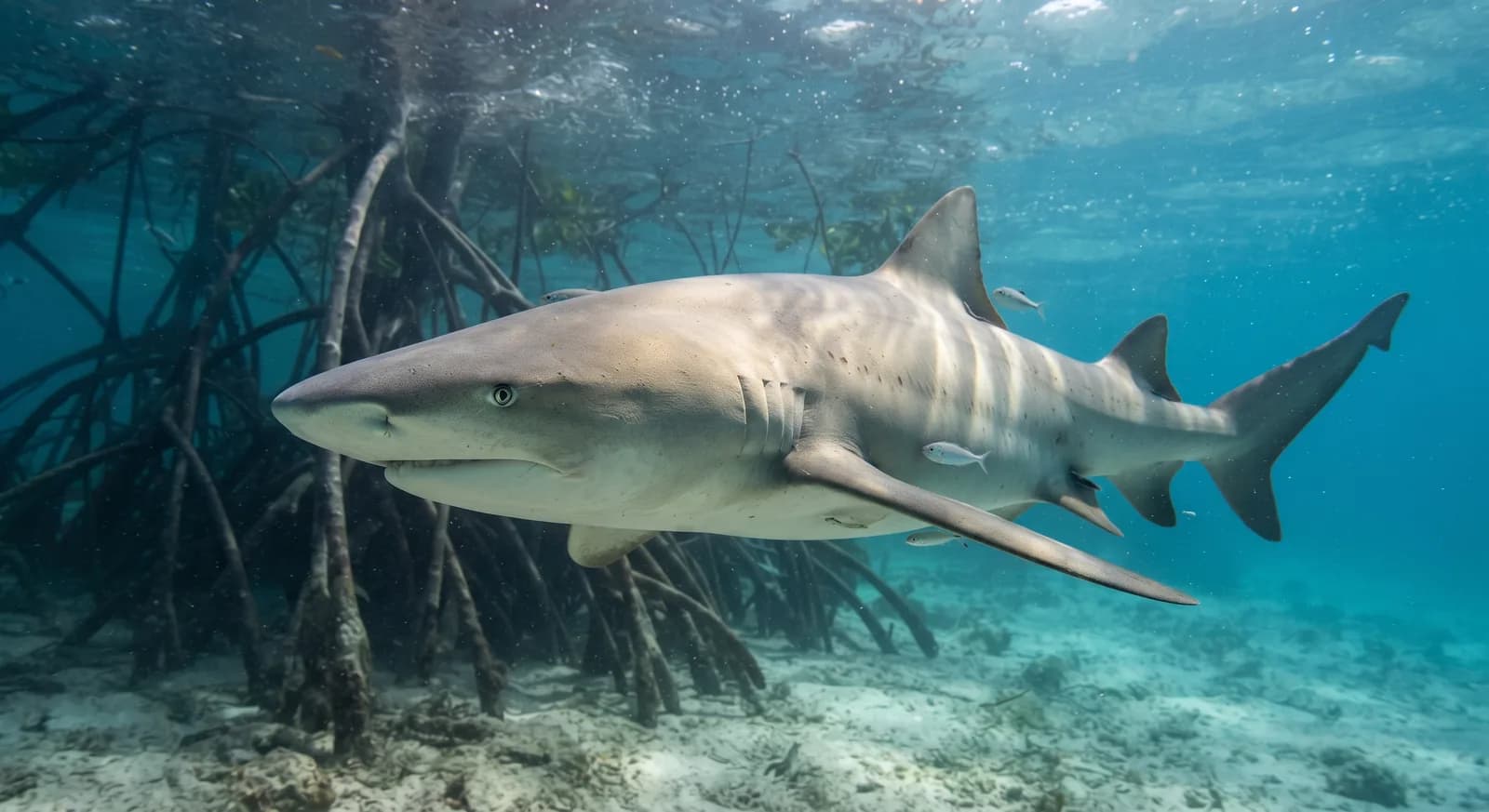 Vulnerable
Lemon Shark
Negaprion brevirostris
Diamondback Terrapin
Malaclemys terrapin
Porbeagle
Lamna nasus
Spurdog
Squalus acanthias
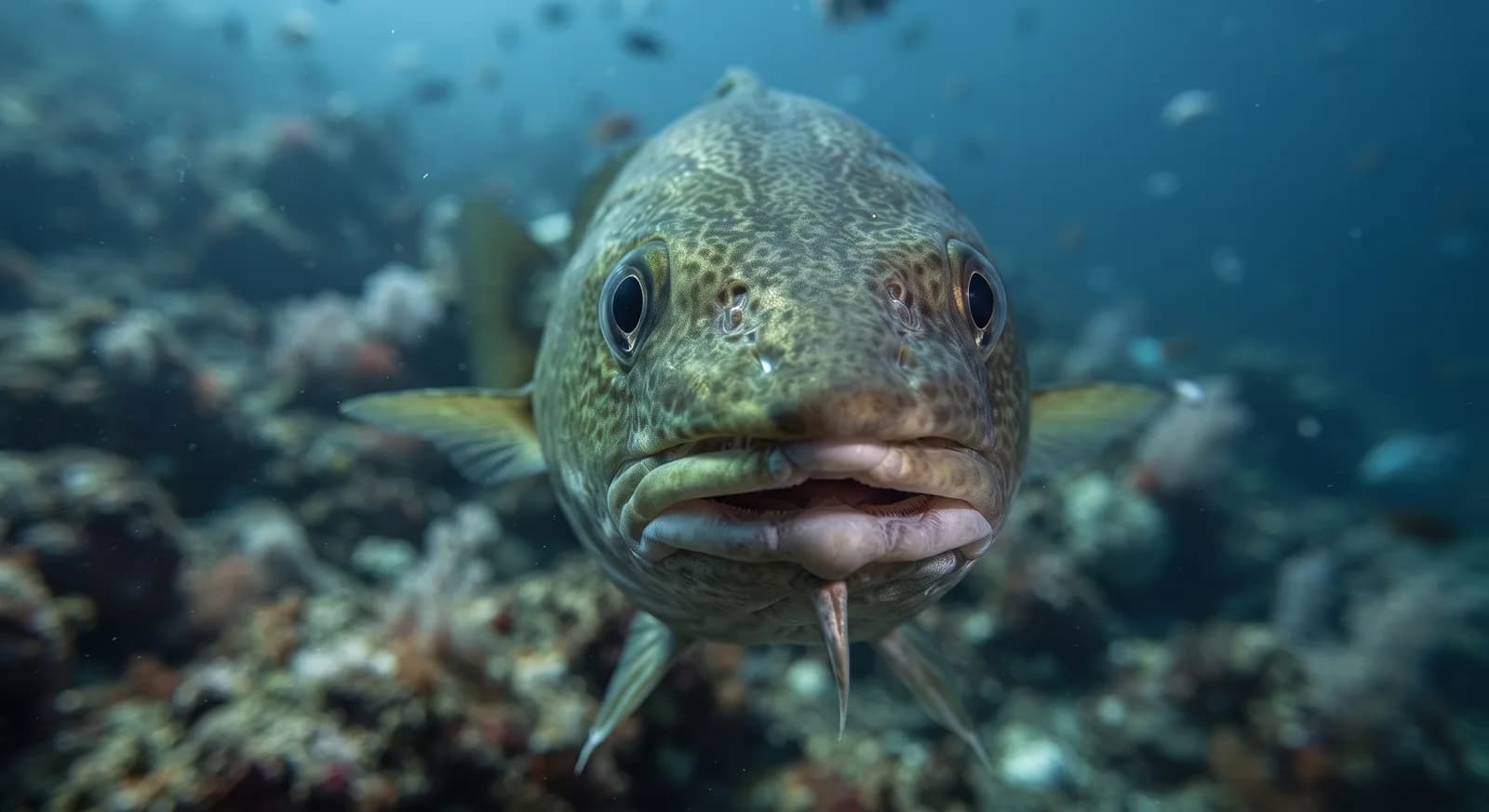 Vulnerable
Cod
Gadus morhua
Haddock
Melanogrammus aeglefinus
How to help
The american horseshoe crab is classified as vulnerable. Organizations such as UICN, WWF y Wildlife Conservation Society work specifically on its conservation and that of its habitat; looking into their programs is a good starting point if you want to get involved.
It's documented in 5 real protected areas — part of why protecting these places matters for its conservation.
Keep exploring
Based on what we already know about american horseshoe crab.
Comments
Share an experience, a fun fact or a tip for seeing the american horseshoe crab.
Be the first to comment.