One of the 2 snappers on WAnimals
Bony fish · Perciformes · Lutjanidae
Grey Snapper
Lutjanus griseus
The species is abundant and widely distributed; it faces no significant short-term risk. See full glossary
The grey snapper is brownish-grey with reddish glints and two prominent canines in the upper jaw. Juveniles grow among mangrove roots and in seagrass beds, and the adults move out to the reefs. By day it hangs in almost motionless groups under overhangs, and at night it goes out to hunt fish and crustaceans.
Size
30 cm – 89 cm
Lifespan
28 years
Diet
Carnivore
Feeds mainly on other animals.
Activity
Nocturnal
Active mainly at night.
Social structure
Colony
Lives in large concentrations, often for breeding reasons.
Sighting difficulty
Easy
Fun facts
- It gathers to spawn at particular points on the reef following the lunar cycle, which makes those aggregations easy to find and highly vulnerable to overfishing.
- It is one of the fish that best demonstrates the value of mangroves: reefs with mangrove nearby hold far larger snapper populations.
- It tolerates fresh water and can move tens of kilometres up rivers.
- Its life cycle depends on the mangrove. The juveniles grow up among the submerged roots, and isotope studies have shown that reefs neighbouring well-preserved mangroves hold much larger snapper populations.
- It is cautious and distrustful, which has given it a reputation among anglers for being hard to fool: it refuses baits and rigs that other snappers accept.
- It forms spawning aggregations at specific points in the lunar cycle, a behaviour that makes it very vulnerable if those aggregations are fished.
- It can live close to thirty years, a long time for a medium-sized snapper.
- Its colour varies from grey to reddish brown depending on the bottom and the state of the animal, and juveniles bear a dark band crossing the eye.
Life cycle & biology
- Skeleton type
- Vertebrate - internal bony skeleton (fish)
- Habitat & environment
- Mangroves, seagrass beds and reefs of the western Atlantic; juveniles in estuaries
Sources consulted: https://es.wikipedia.org/wiki/Lutjanus_griseus
Where to find it
See its range on the interactive mapWhere to watch it
Parques y spots de buceo donde se ha documentado esta especie — se muestran 20 de 123 documentados.
Related species
Other species in the catalogue with the most in common with Grey Snapper — same habitat, park, country, tags or family.
Red Snapper
Lutjanus campechanus
 Least Concern
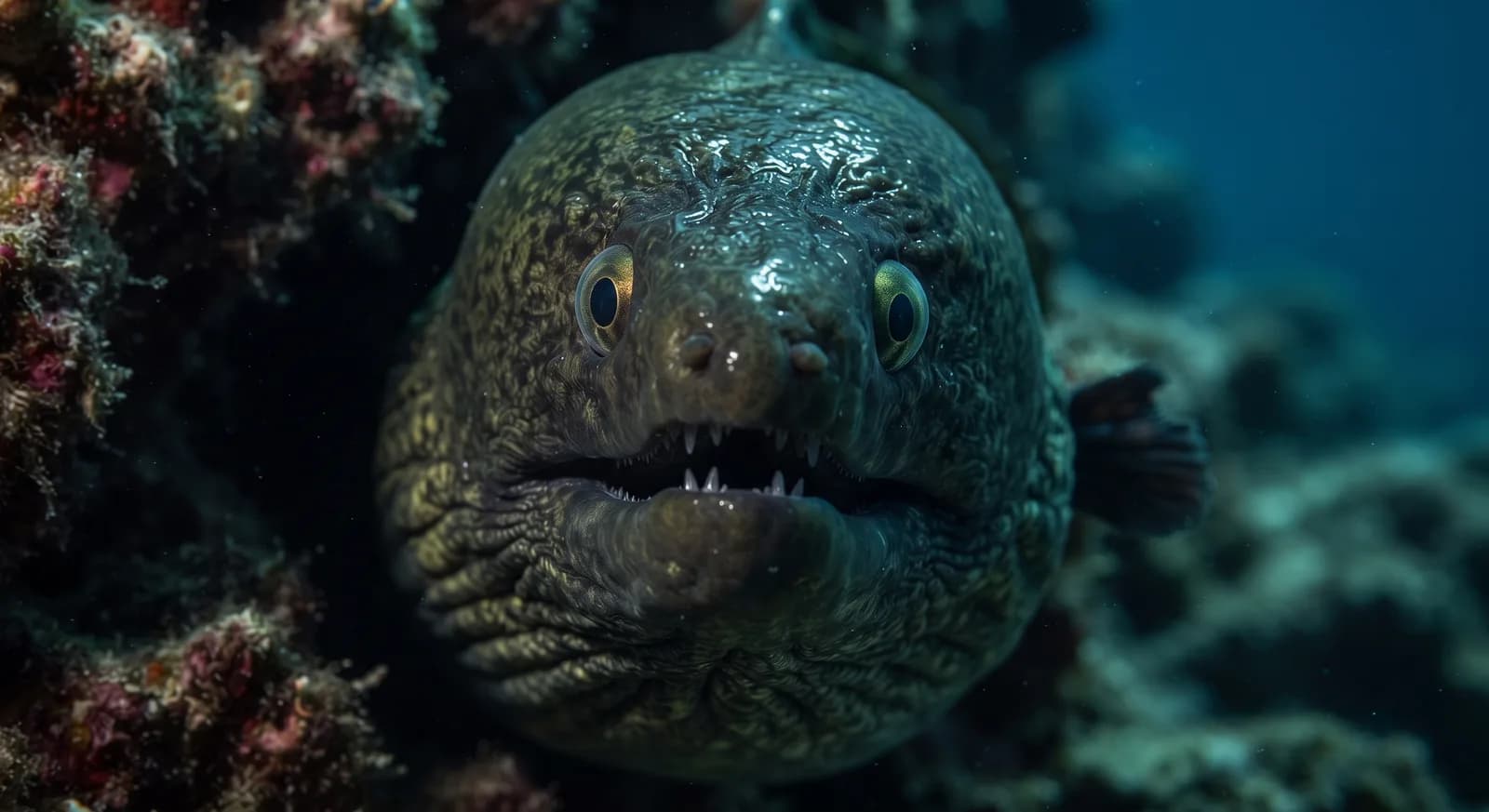
Green Moray
Gymnothorax funebris
Red Lionfish
Pterois volitans
Spot-fin Porcupinefish
Diodon hystrix
 Least Concern
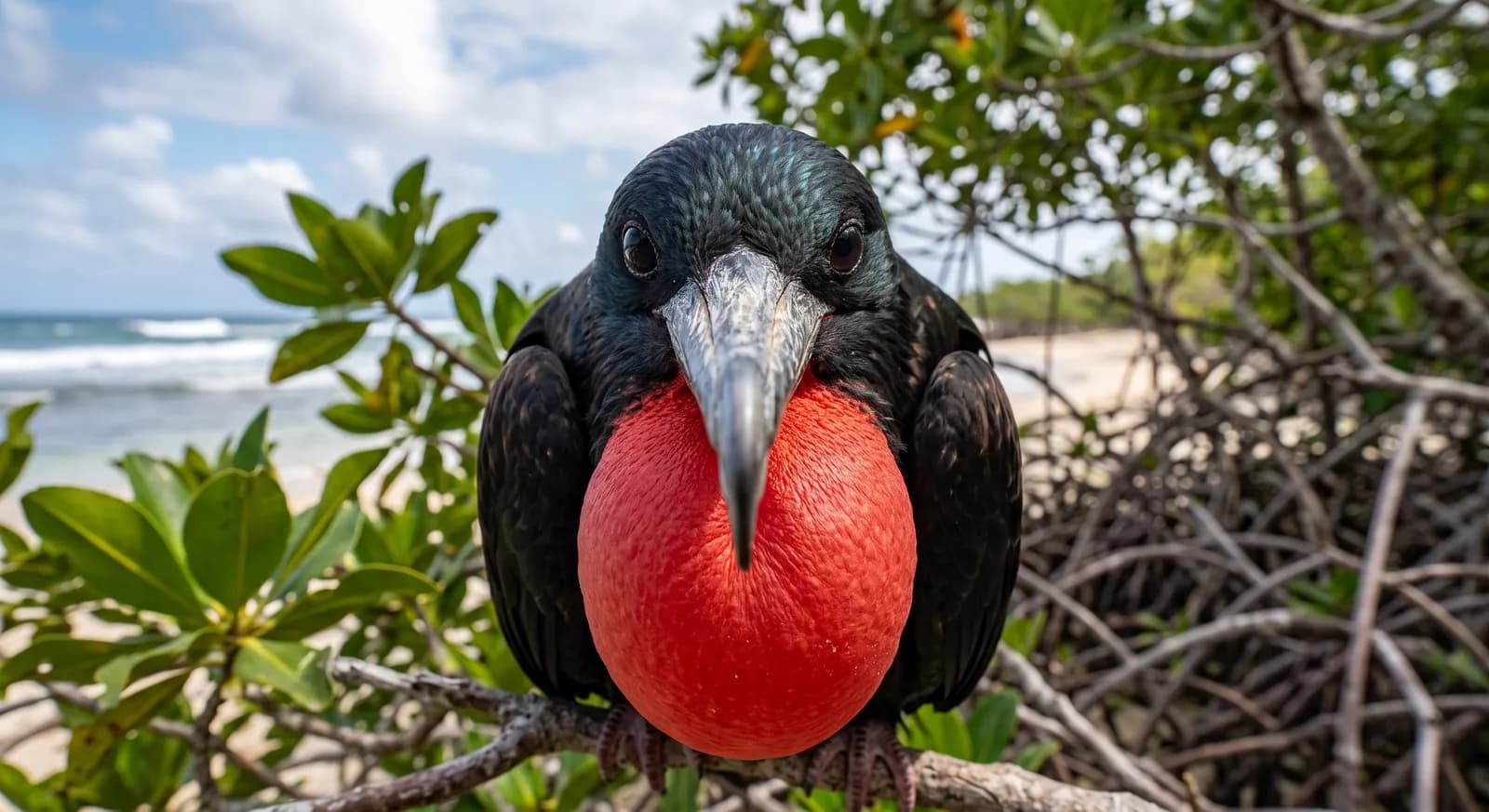
Magnificent Frigatebird
Fregata magnificens
Southern Stingray
Hypanus americanus
Keep exploring
Based on what we already know about grey snapper.
Comments
Share an experience, a fun fact or a tip for seeing the grey snapper.
Be the first to comment.