Papua New Guinea
Oceanía
Papua New Guinea keeps the third largest block of tropical rainforest in the world, after Amazonia and the Congo basin, and one of the greatest concentrations of species found nowhere else on the planet. Its central range exceeds four thousand metres and strings together lowland rainforest, cloud forest, alpine grassland and even small residual glaciers, while the lowlands of the Sepik and the Fly form immense wetlands. Sitting on the edge of the Coral Triangle, its reefs are among the richest in the world. The fauna is of Australian origin, with marsupials that climbed into the trees and became tree kangaroos, long-beaked echidnas and cassowaries, alongside the most spectacular bird family on the planet.
The nature of Papua New Guinea
National animal: The Raggiana bird-of-paradise, the national bird, present on the country's flag
Did you know?
Queen Alexandra's birdwing is the largest butterfly in the world, with females exceeding twenty-five centimetres in wingspan. When it was discovered in 1906, the naturalist who found it could not net it because it flew too high in the canopy, so he brought it down with a shotgun. It still lives only in a few forests of Oro province.
Biodiversity profile
Climate
- •Tropical de selva lluviosa (Af) en tierras bajas
- •Tropical monzonico en costas
- •Clima de montaña/subalpino en tierras altas centrales
Main biomes
- •Selva tropical humeda (cubre mas del 70% del territorio, tercera masa forestal continua mas grande del mundo tras Amazonia y Cuenca del Congo)
- •Bosque montano y musgoso de altura
- •Manglares
- •Sabanas y pastizales en zonas puntuales
- •Selva tropical de tierras bajas
- •Bosque de niebla de montaña
- •Pradera alpina tropical
- •Humedal fluvial del Sepik
- •Arrecife del Triángulo de Coral
- •Manglar costero
- •Bosque pantanoso de sagú
Marine and coastal ecosystems
- •Parte del Triangulo de Coral
- •Arrecifes de coral con alta diversidad
- •Manglares costeros extensos
Flagship wildlife
- •Ave del paraiso (mas de 30 especies)
- •Canguro arboricola
- •Casuario
- •Mariposa alas de pajaro de la Reina Alejandra (la mas grande del mundo)
- •Equidna de hocico largo
- •Ave del paraíso de Raggi
- •Casuario austral
- •Equidna de pico largo
- •Dugongo
- •Tortuga laúd
- •Cuscús moteado
- •Cocodrilo de Nueva Guinea
- •Pitohuí encapuchado
Notable endemic species
- •10 de las 12 especies mundiales de canguro arboricola
- •Aprox. 64% de las plantas del pais son endemicas
- •Alto endemismo de aves (50% de especies) y mamiferos (80%)
- •Mariposa alas de pájaro de la reina Alejandra
- •Equidna de pico largo
- •Pitohuí encapuchado
- •Canguro arborícola de Goodfellow
Notable threatened species
- •Mariposa alas de pajaro de la Reina Alejandra (En Peligro)
- •Varias especies de canguro arboricola (En Peligro/Vulnerable)
- •Casuario meridional (Vulnerable)
Notable protected areas
- •Area de Conservacion de Wanang
- •YUS Conservation Area (habitat del canguro arboricola de Matschie)
- •Kokoda Track
- •Área de Gestión de Fauna de Tonda
- •Área de Conservación de YUS
- •Parque Nacional de Varirata
- •Cuenca del río Sepik
- •Bahía de Kimbe
- •Monte Wilhelm
Main conservation threats
- •Deforestacion por tala y expansion agricola
- •Mineria
- •Cambio de uso del suelo
- •97% de la tierra es de propiedad comunitaria/consuetudinaria, lo que condiciona la gestion de la conservacion
Notable natural phenomena
- •Uno de los 17 paises megadiversos del mundo
- •Punto caliente de biodiversidad de las Islas Melanesias Orientales
Conservation
The hooded pitohui was the first poisonous bird described for science, in 1990: it accumulates in its skin and feathers the same toxin as the American poison dart frogs, obtained from the beetles it eats. Industrial logging and mining are the greatest threats to its forests.
Where and when to watch wildlife
The highlands between June and September for birds-of-paradise at their leks. Kimbe Bay year-round for reefs. Varirata at dawn for forest birds.
Cifras de especies conocidas varian entre fuentes (1.571 a 1.786 especies de vertebrados terrestres segun el estudio); dato de % protegido no confirmado con precision.
Sources: Rainforest Foundation Norway | UN-REDD Programme | worldrainforests.com | PNG NRM Hub - Ecosystems of PNG report
Parks and reserves
Kokoda Track
The setting of one of the hardest Second World War campaigns in the Pacific, today a trekking route of historical pilgrimage
View parkWildlife Management AreaTonda
The wetland adjoining Indonesia's Wasur, managed by its customary owners in southern Papua New Guinea.
View parkNational ParkVarirata
Papua New Guinea's first national park, on a plateau above Port Moresby, with birds-of-paradise.
View parkDiving and snorkelling
Kimbe Bay
A volcanic bay with one of the greatest concentrations of coral species on the planet.
View dive siteReef/War wreckMadang
A coastal town with a notable concentration of Japanese aircraft wrecks sunk in the Second World War.
View dive siteMuck divingMilne Bay
The birthplace of muck diving alongside Lembeh, with comparable macro biodiversity but far fewer visitors.
View dive siteFjord/ReefTufi Fjords
The region's only tropical fjords, with coral walls in water sheltered from the ocean currents.
View dive sitePaíses similares
¿A dónde más podría interesarme viajar?
Misma región: Oceanía
Misma región: Oceanía
Misma región: Oceanía
Misma región: Oceanía
Especies documentadas en Papua New Guinea
216 species found
 Critically Endangered
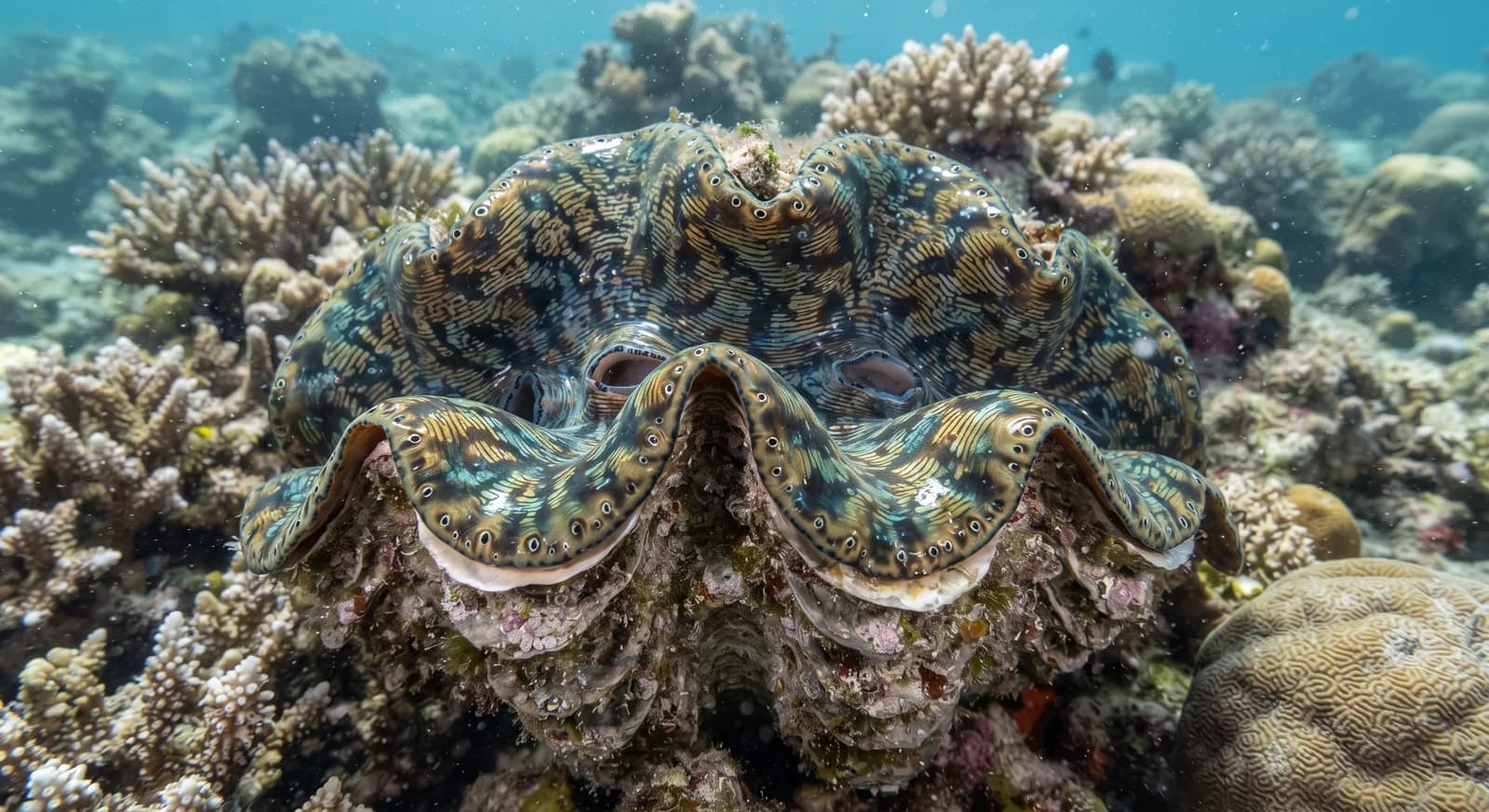
Giant Clam
Tridacna gigas
 Critically Endangered
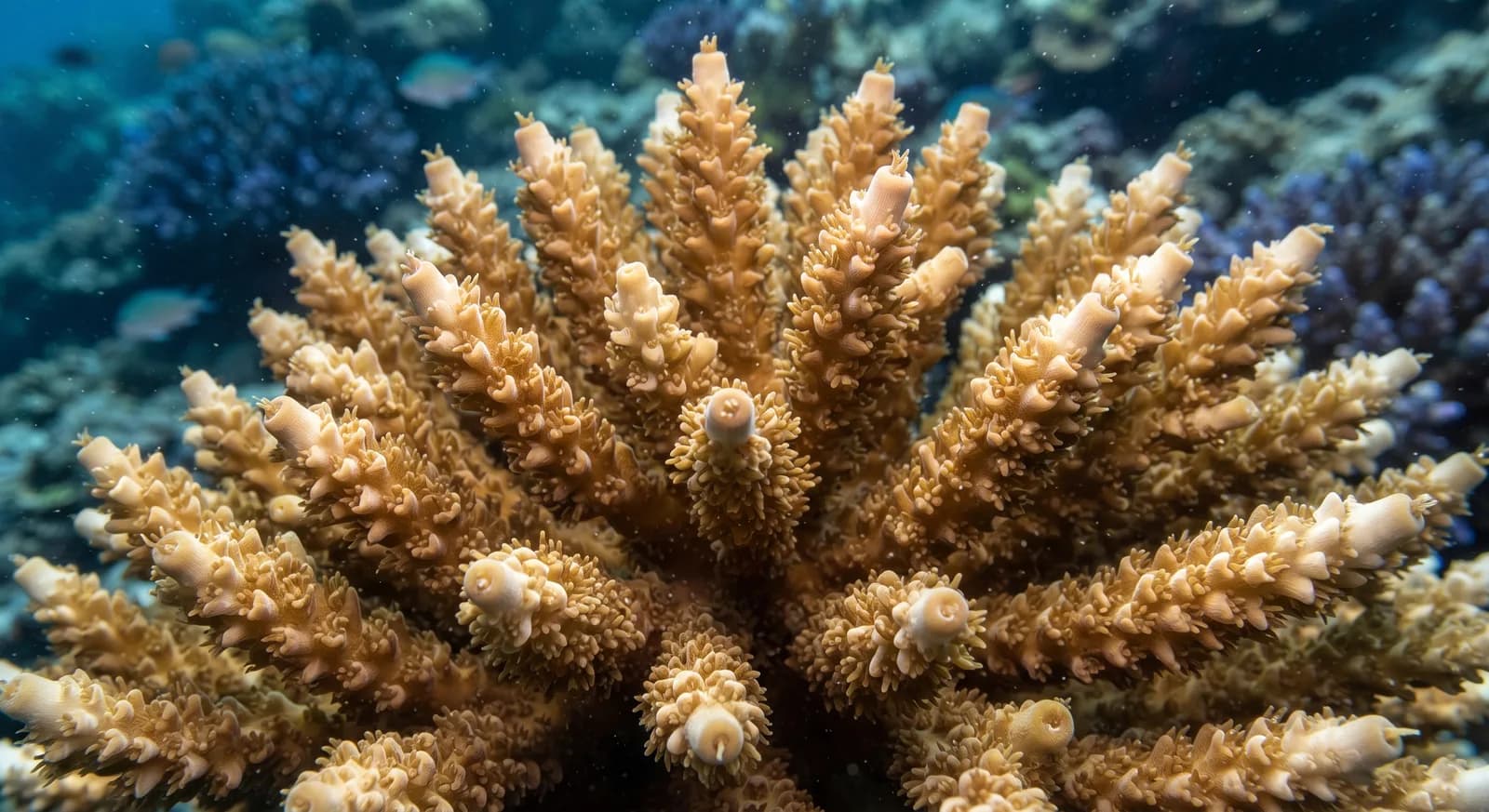
Staghorn Coral
Acropora cervicornis
 Critically Endangered
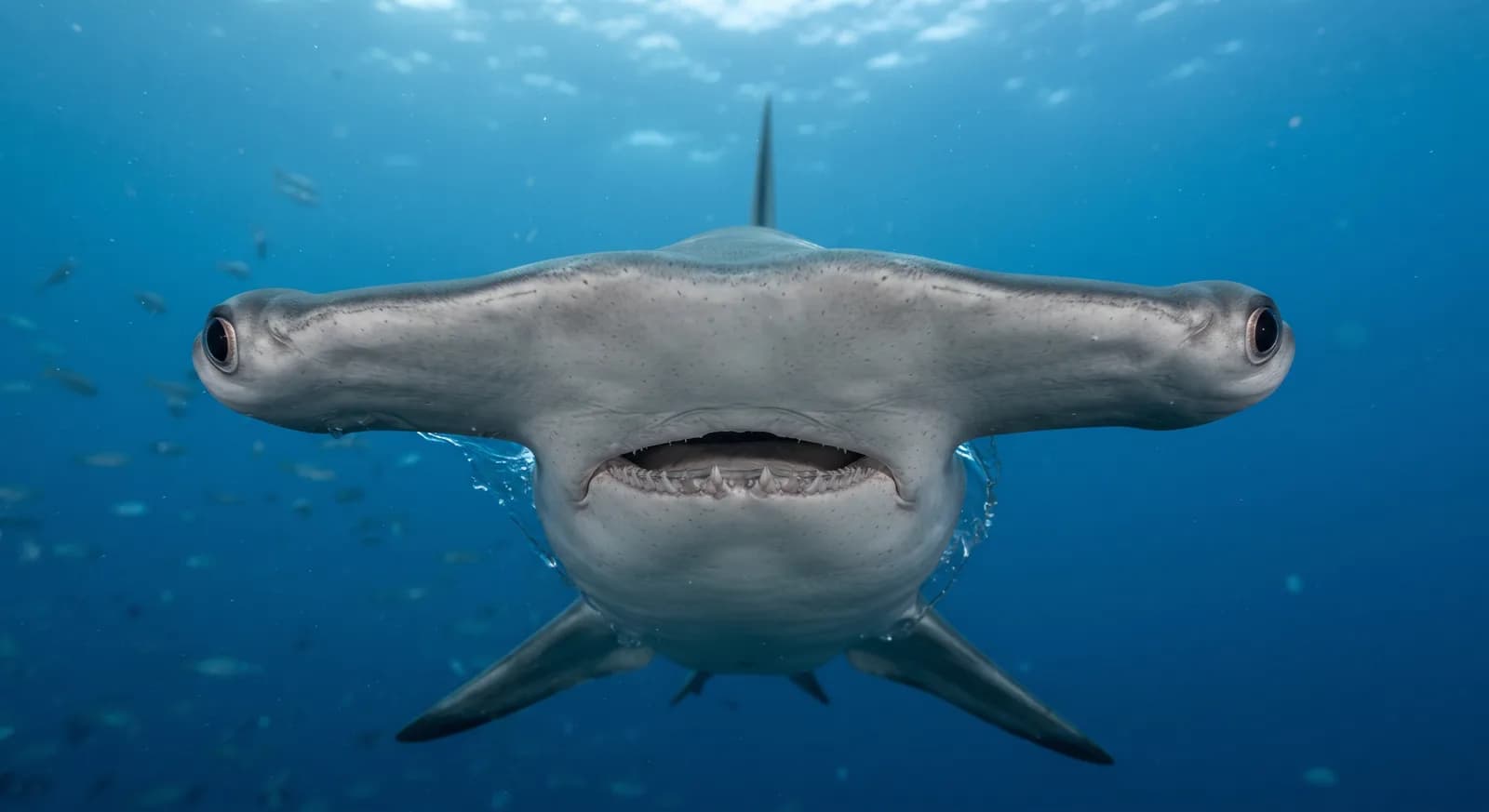
Great Hammerhead
Sphyrna mokarran
 Critically Endangered
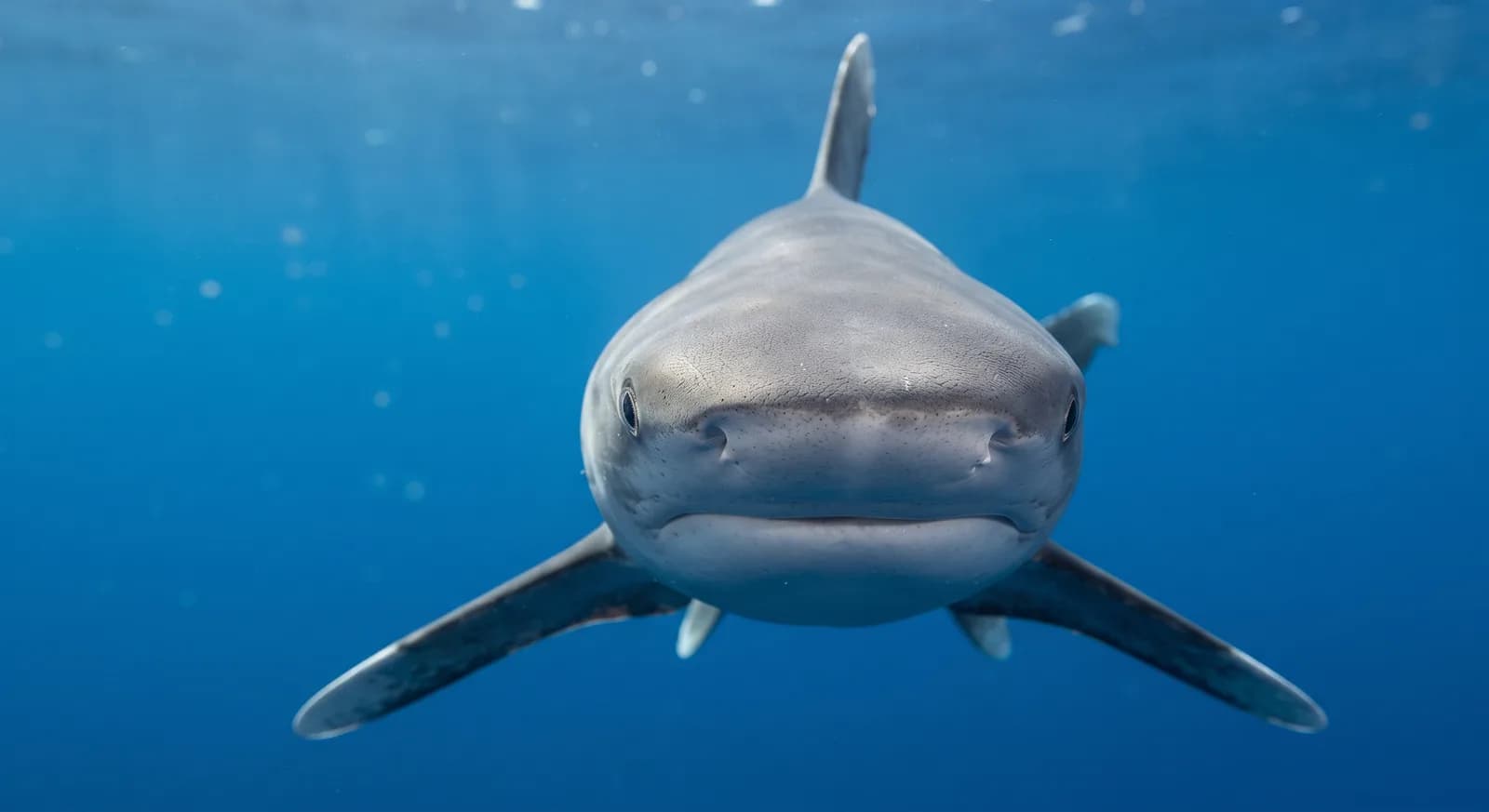
Oceanic Whitetip Shark
Carcharhinus longimanus
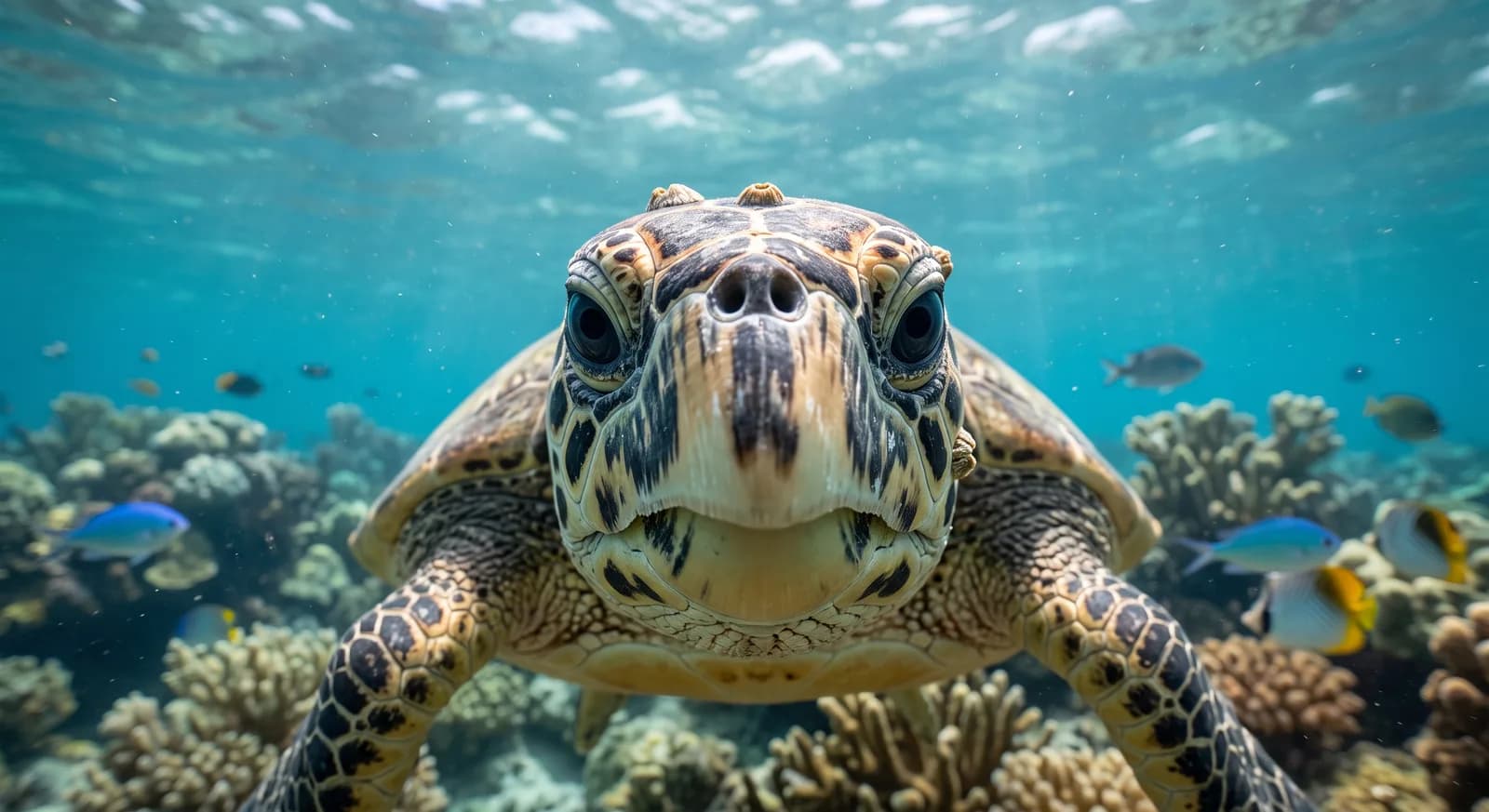 Critically Endangered
Hawksbill Turtle
Eretmochelys imbricata
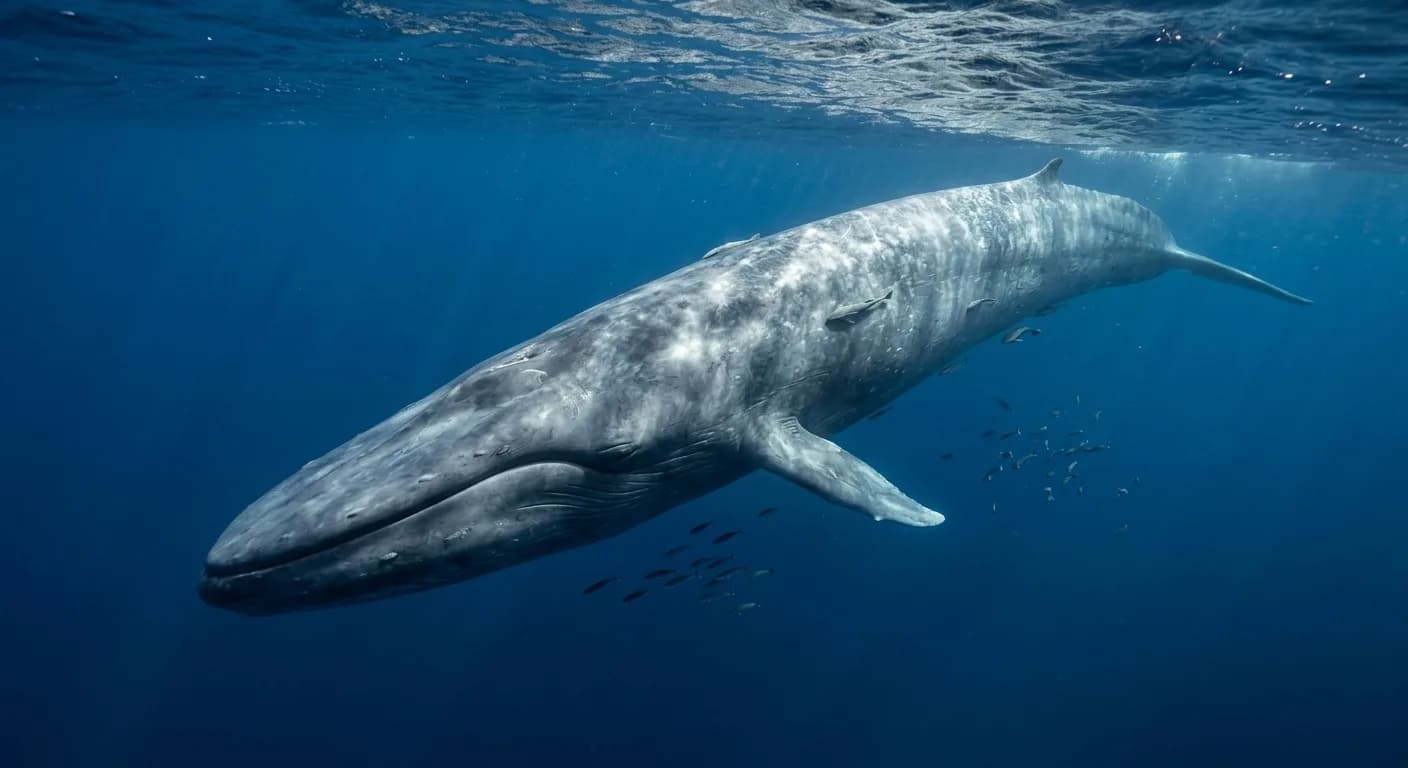 Endangered
Blue Whale
Balaenoptera musculus
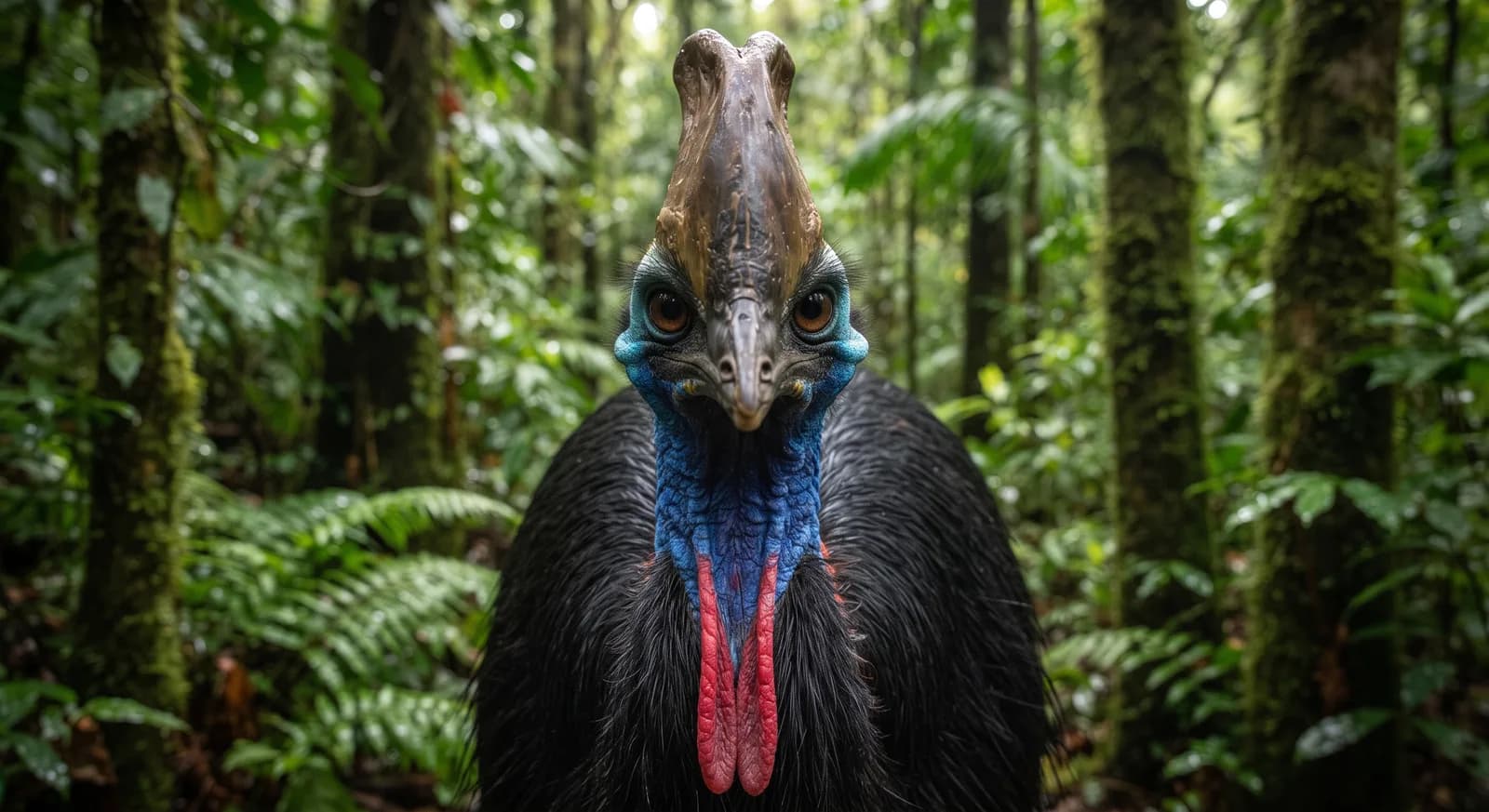 Endangered
Southern Cassowary
Casuarius casuarius
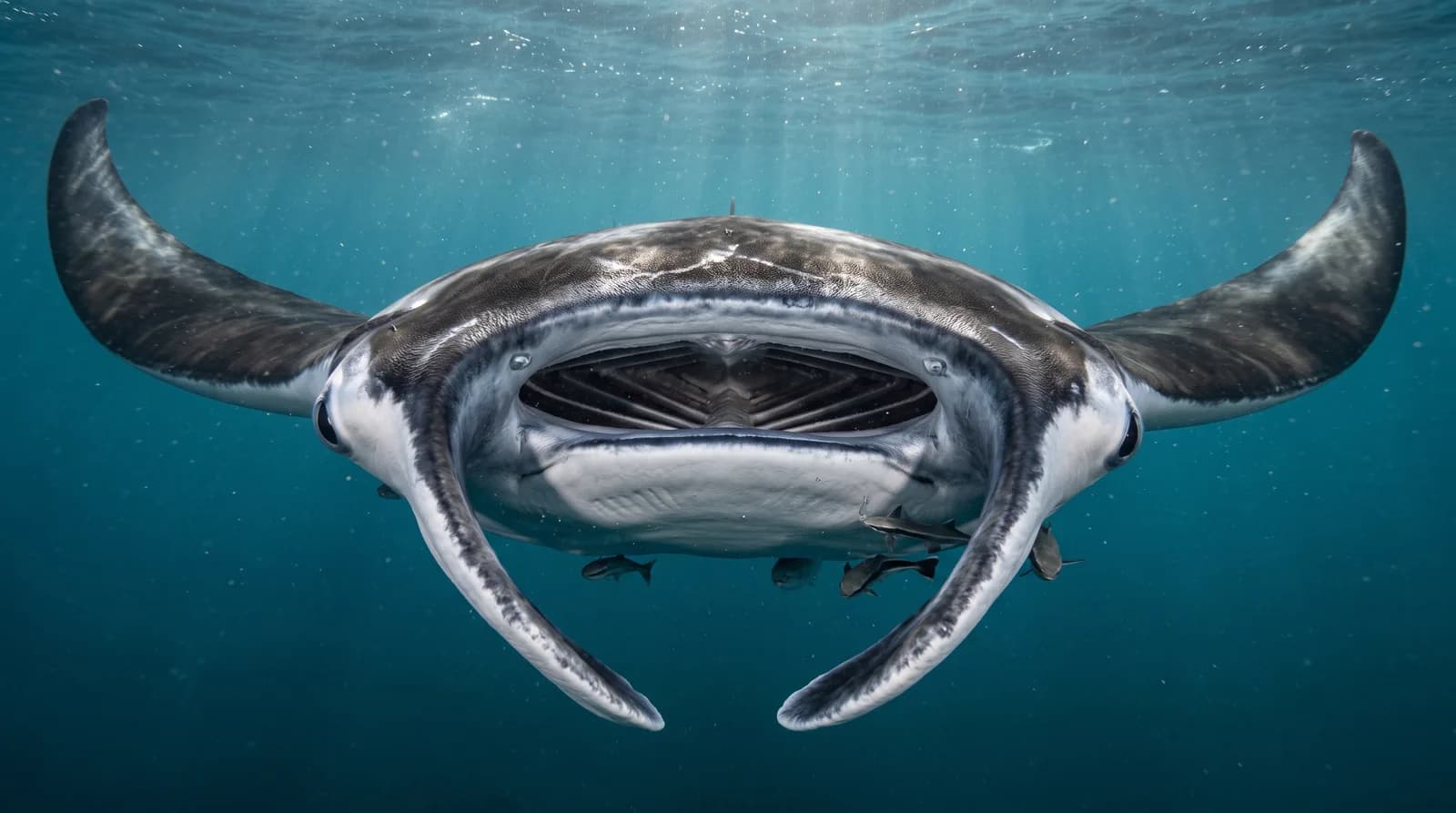 Endangered
Giant Manta
Mobula birostris
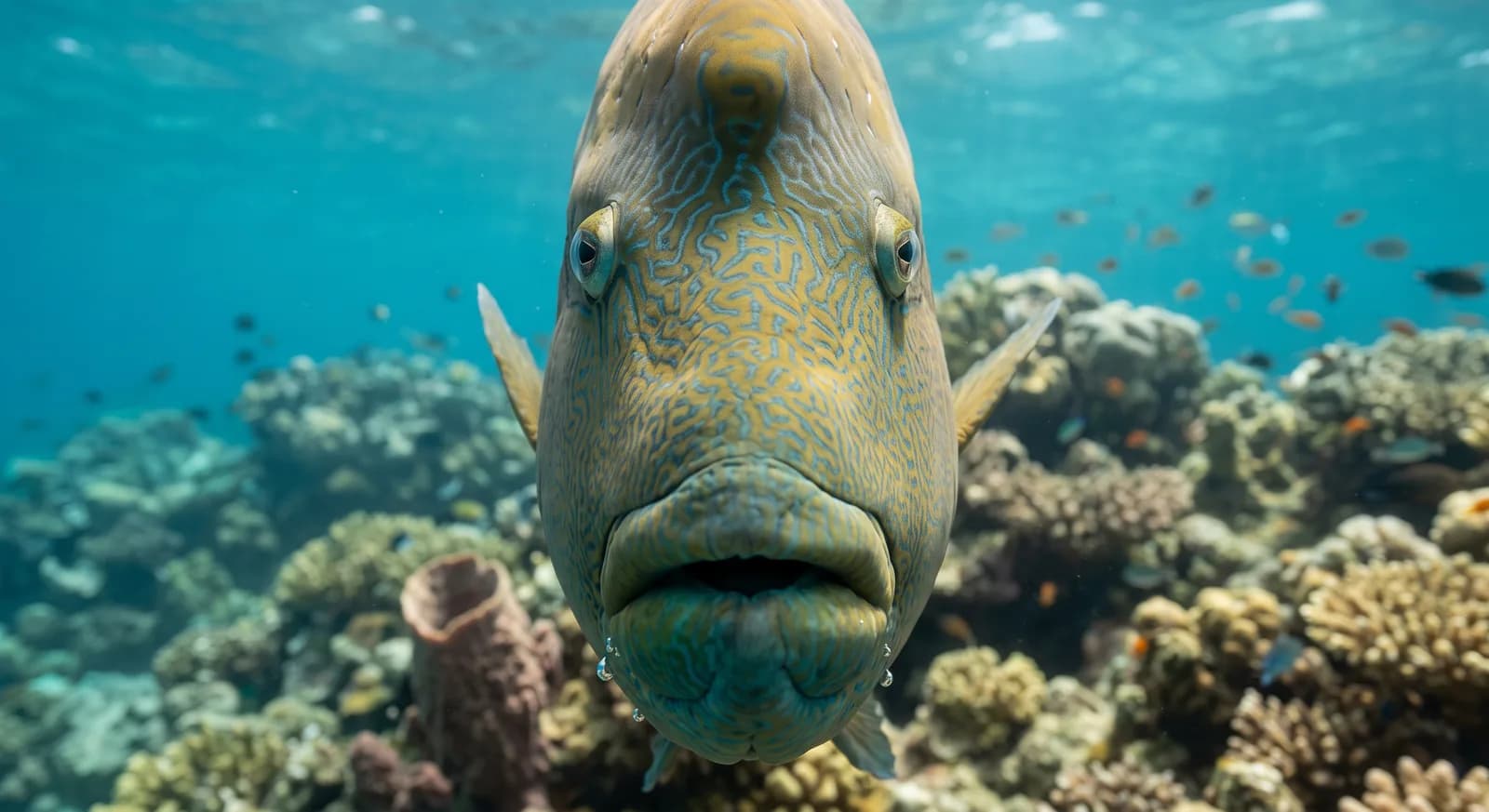 Endangered
Humphead Wrasse
Cheilinus undulatus
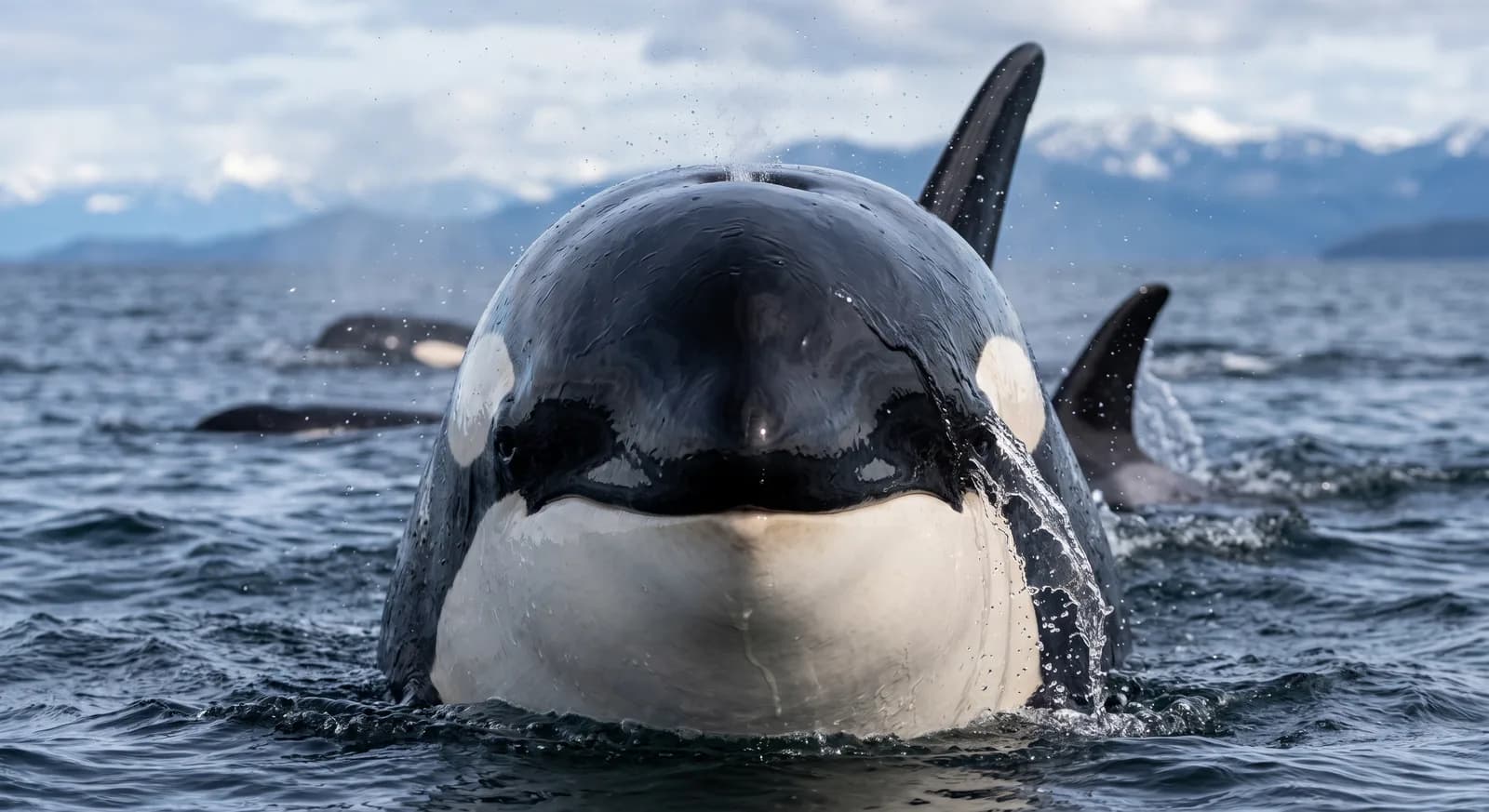 Endangered
Killer Whale
Orcinus orca
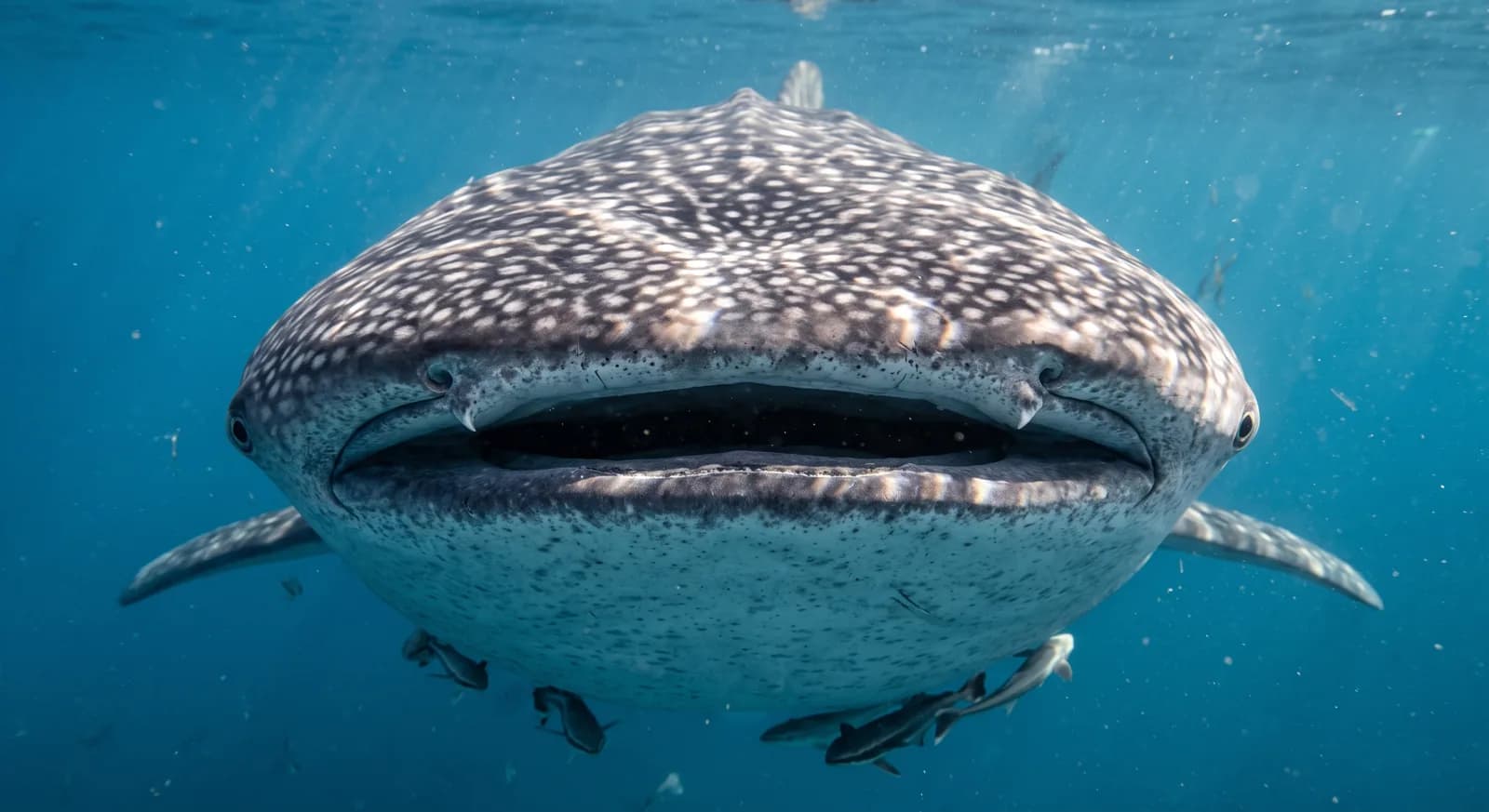 Endangered
Whale Shark
Rhincodon typus
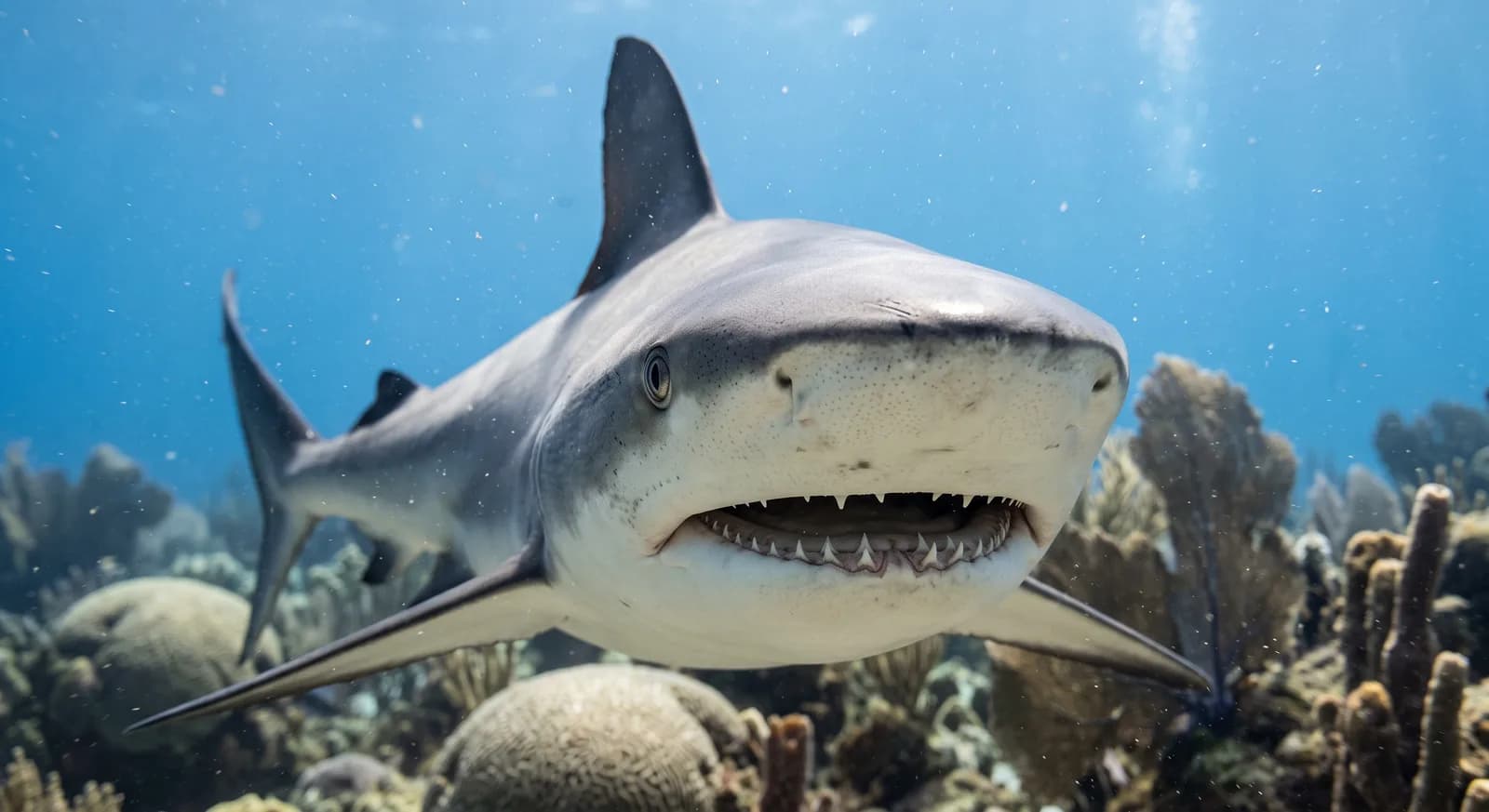 Endangered
Grey Reef Shark
Carcharhinus amblyrhynchos
Keep exploring
Based on what we already know about Papua New Guinea.