One of the 6 pangolins on WAnimals
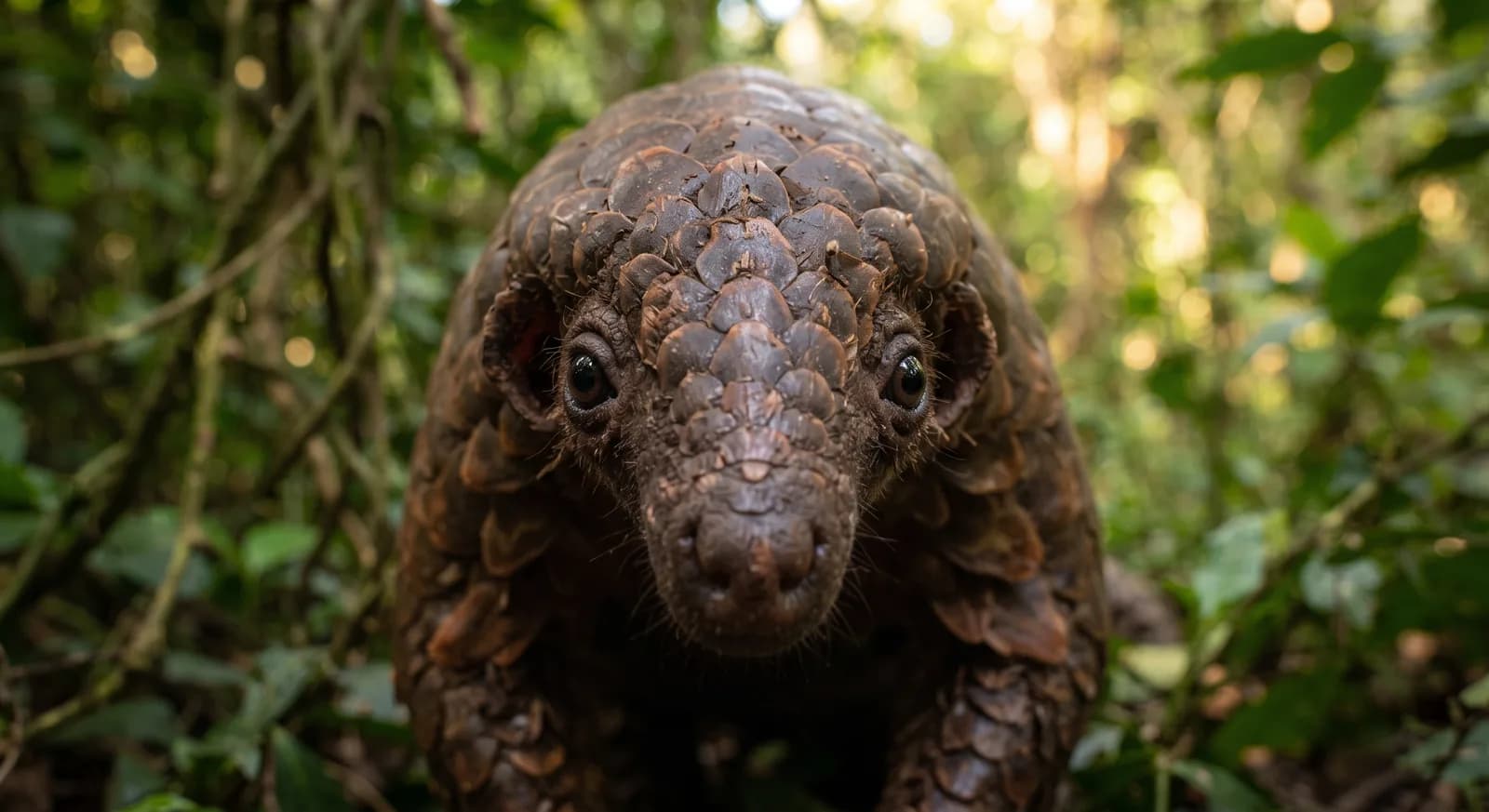
Mammals · Pholidota · Manidae
Giant Pangolin
Smutsia gigantea
It faces a very high risk of extinction in the wild in the near future. See full glossary
The giant pangolin is a pholidote of the family Manidae. It is distributed across Africa in a band along the equator extending from West Africa to Uganda. The giant pangolin is the largest pangolin species, hence its name. It feeds mainly on ants and termites, which it catches with its long tongue. The species was first described by Johann Karl Wilhelm Illiger in 1815 and no subspecies are known.
Weight
30 kg – 40 kg
Size
80 cm – 1 m
Diet
Insectivore
Feeds mainly on insects and other invertebrates.
Activity
Nocturnal
Active mainly at night.
Social structure
Solitary
Lives and hunts alone, joining others only to breed.
Sighting difficulty
Hard
Fun facts
- anatomíaIt is the largest pangolin in the world and can dig burrows several metres deep with its powerful front claws.
- It walks on its hind legs, body upright and tail as a counterweight, keeping its front claws off the ground so as not to wear them down.
- It has no teeth at all: it grinds the insects in a muscular stomach containing small stones and grit swallowed on purpose.
Life cycle & biology
- Skeleton type
- Vertebrate - internal bony skeleton (mammal)
- Habitat & environment
- Rainforest, gallery forest and wooded savannah of equatorial Africa, near water
- Gestation / incubation
- 5 months
- Litter / clutch size
- 1
Sources consulted: https://es.wikipedia.org/wiki/Smutsia_gigantea
Where to find it
See its range on the interactive mapWhere to watch it
Parques y spots de buceo donde se ha documentado esta especie — se muestran 10 de 14 documentados.
Related species
Other species in the catalogue with the most in common with Giant Pangolin — same habitat, park, country, tags or family.
Tree Pangolin
Phataginus tricuspis
 Endangered
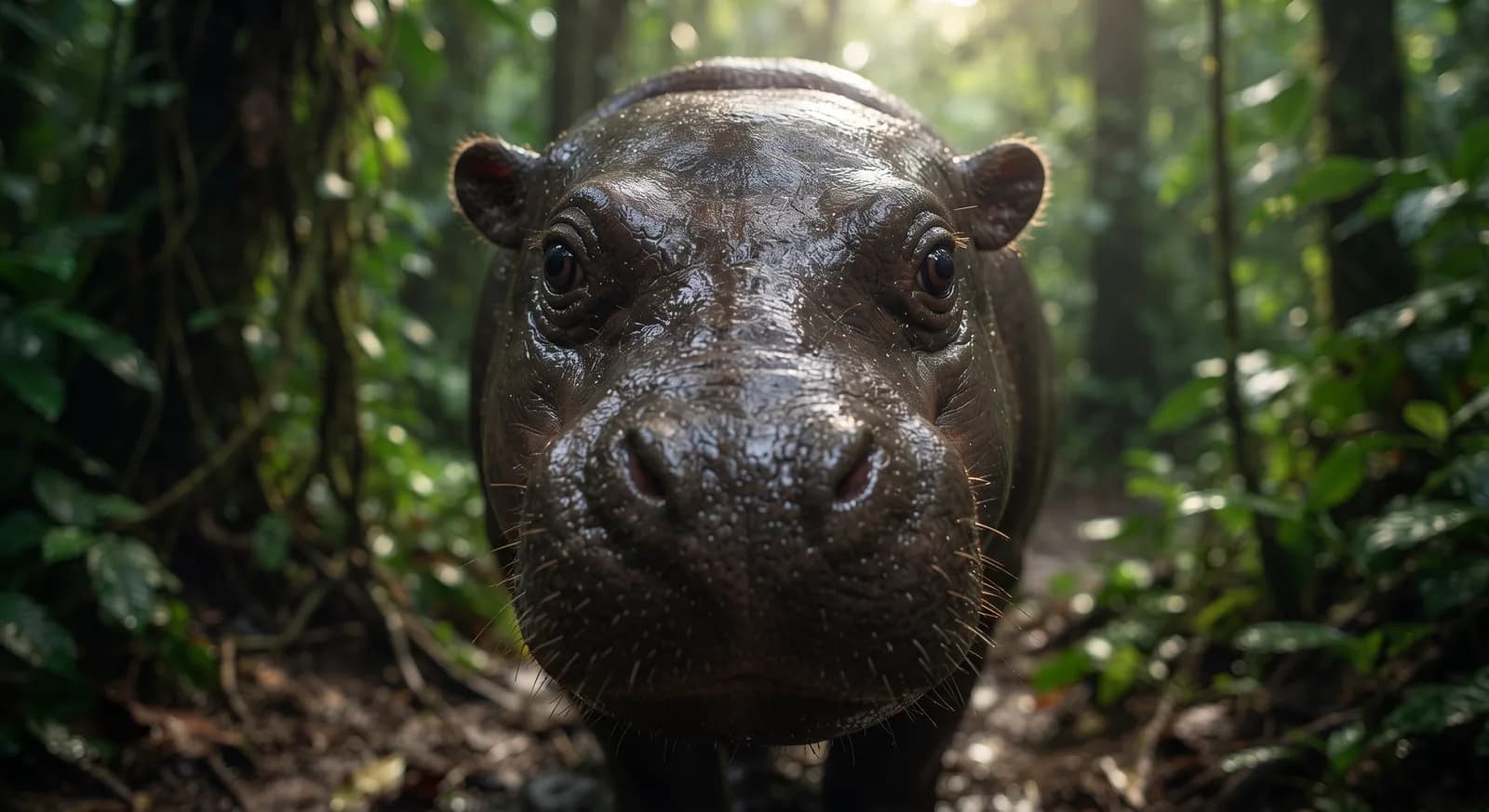
Pygmy Hippopotamus
Choeropsis liberiensis
Giant Slippery Frog
Conraua goliath
Egyptian Rousette
Rousettus aegyptiacus
 Endangered
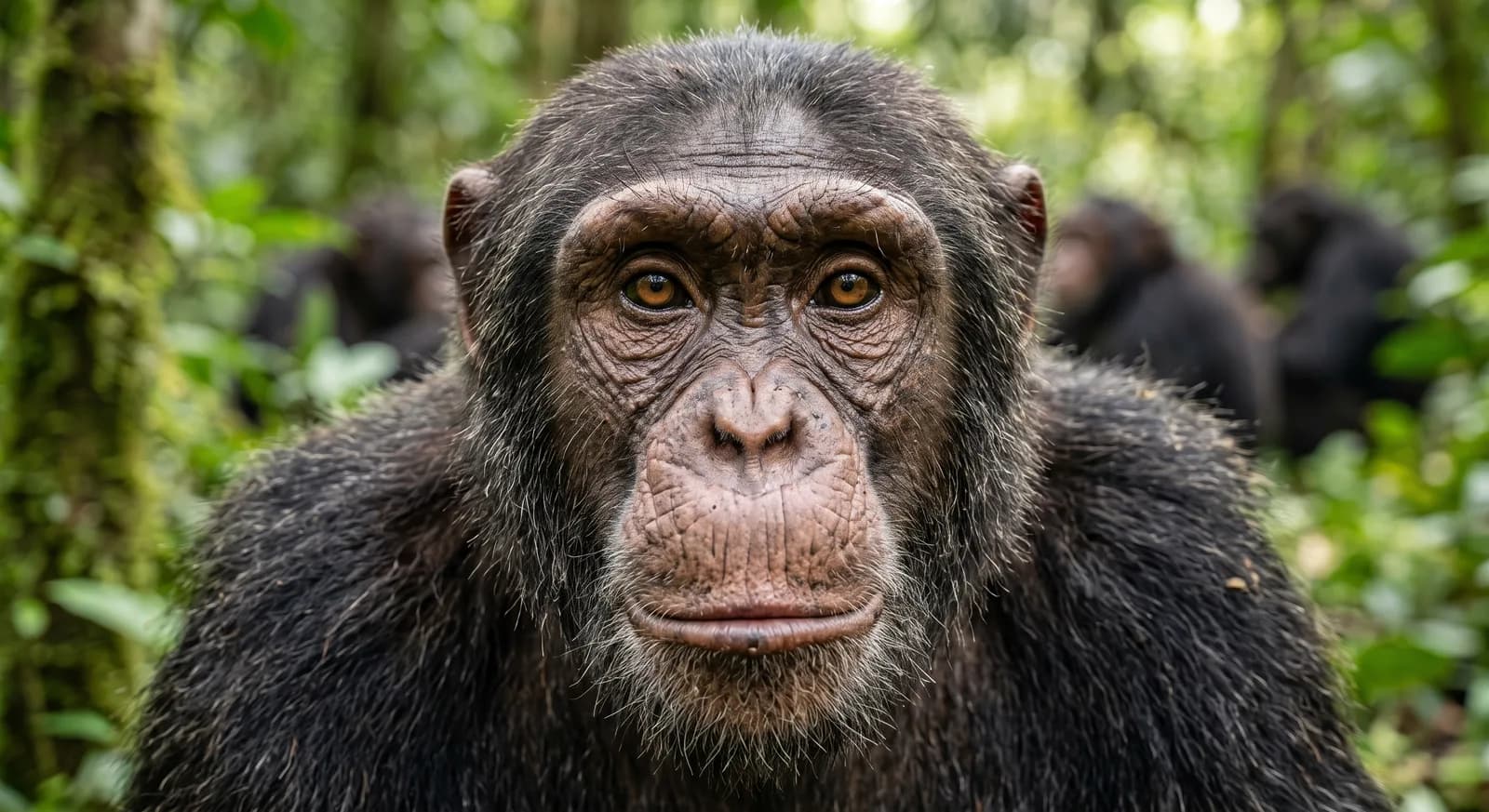
Chimpanzee
Pan troglodytes
How to help
The giant pangolin is classified as endangered. Organizations such as UICN, WWF y Wildlife Conservation Society work specifically on its conservation and that of its habitat; looking into their programs is a good starting point if you want to get involved.
It's documented in 7 real protected areas — part of why protecting these places matters for its conservation.
Keep exploring
Based on what we already know about giant pangolin.
Comments
Share an experience, a fun fact or a tip for seeing the giant pangolin.
Be the first to comment.