Mammals · Artiodactyla · Giraffidae
Okapi
Okapia johnstoni
It faces a very high risk of extinction in the wild in the near future. See full glossary
For all that the stripes on its legs recall a zebra, it is genetically far closer to the giraffe, which is its nearest living relative.
Weight
200 kg – 350 kg
Size
up to 2.5 m
Diet
Herbivore
Feeds mainly on plants.
Activity
Irregular activity
Active at irregular times, by day or night depending on circumstances.
Social structure
Solitary
Lives and hunts alone, joining others only to breed.
Sighting difficulty
Hard
Fun facts
- Genetically it is far closer to the giraffe than to the zebra, for all the resemblance of the stripes.
- Newborns do not defecate for their first month or two, so as to leave as little scent as possible.
- It eats more than 100 plant species, gathered with its long prehensile tongue.
- taxonomíaIt was first described scientifically in 1901 and, despite the zebra-like legs, is the giraffe's closest living relative.
- adaptaciónDespite its zebra-like leg stripes, their main function appears to be camouflage in dense forest rather than social recognition.
Life cycle & biology
- Skeleton type
- Vertebrate - internal bony skeleton (mammal)
- Habitat & environment
- Dense tropical rainforest of the Congo Basin, in the north-east of the Democratic Republic of the Congo
- Birth weight
- 14 - 30 kg
- Size at birth
- Able to stand 30 minutes after birth, though it stays hidden 80% of the time for its first 2 months
- Sexual maturity
- 1-3 years (some sources put full maturity at around 3)
- Gestation / incubation
- 440-450 days (~14-15 months)
- Litter / clutch size
- 1 young per birth (a single documented case of twins)
- Lifespan in captivity
- Documented record of up to 20-30 years in captivity
Sources consulted: WWF; Denver Zoo Conservation Alliance; BioDB; Animal Diversity Web; AnimalHub; AnAge (genomics.senescence.info); SDZWA Library Fact Sheet
Where to watch it
Parks and dive sites where this species has been documented.
Related species
Other species in the catalogue with the most in common with Okapi — same habitat, park, country, tags or family.
Tree Pangolin
Phataginus tricuspis
 Endangered
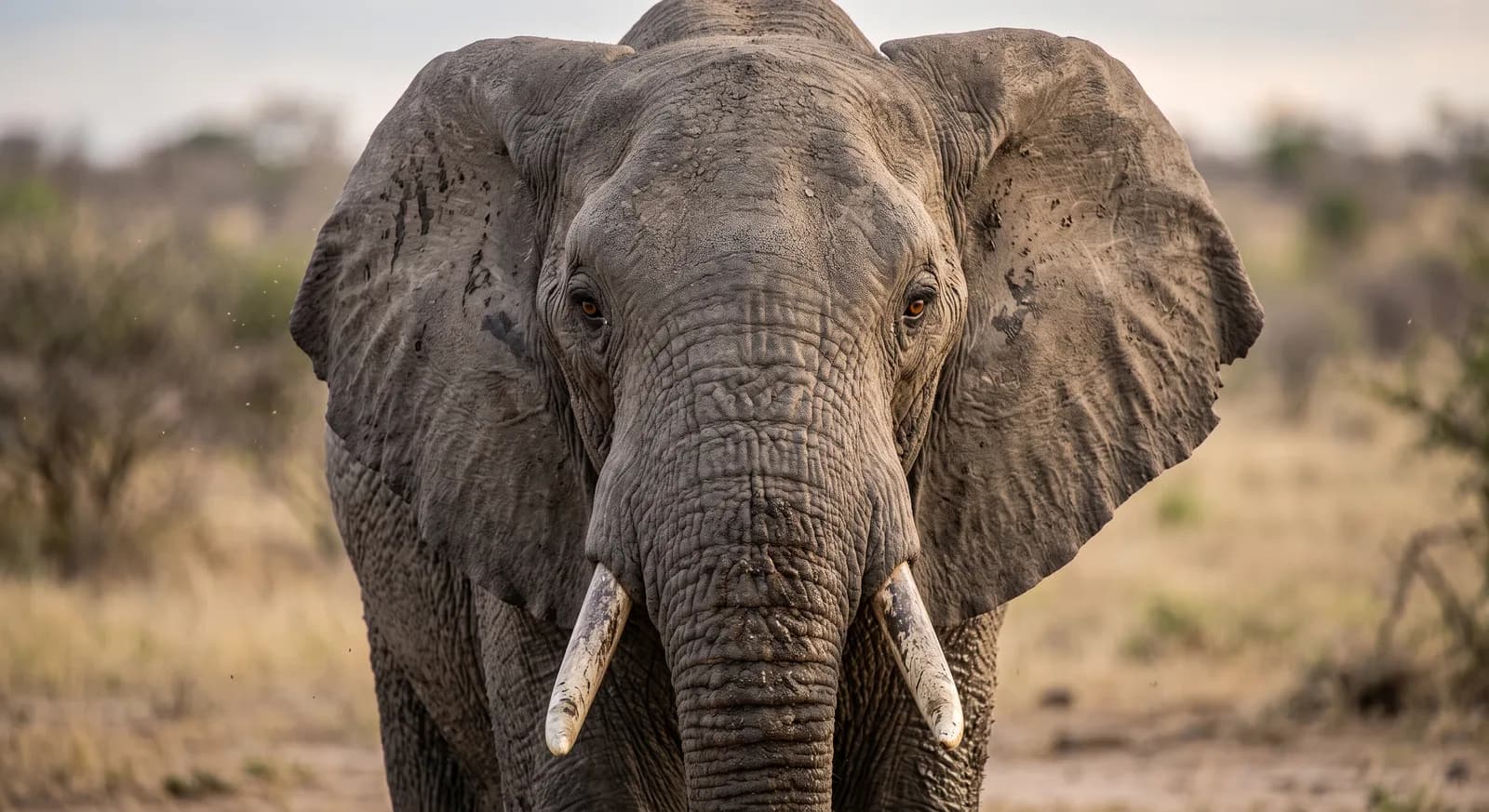
African Savanna Elephant
Loxodonta africana
 Endangered
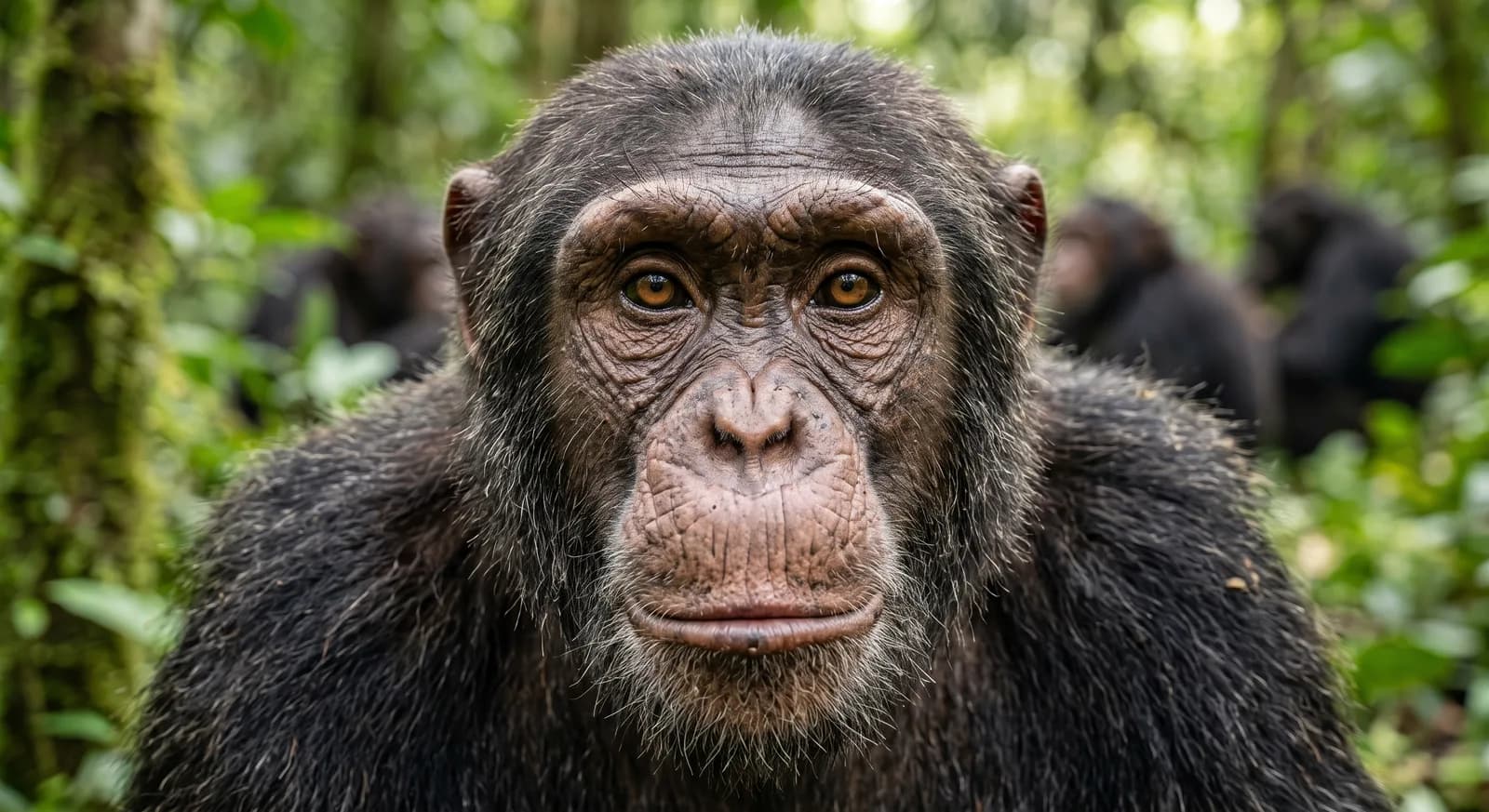
Chimpanzee
Pan troglodytes
Water Chevrotain
Hyemoschus aquaticus
 Critically Endangered
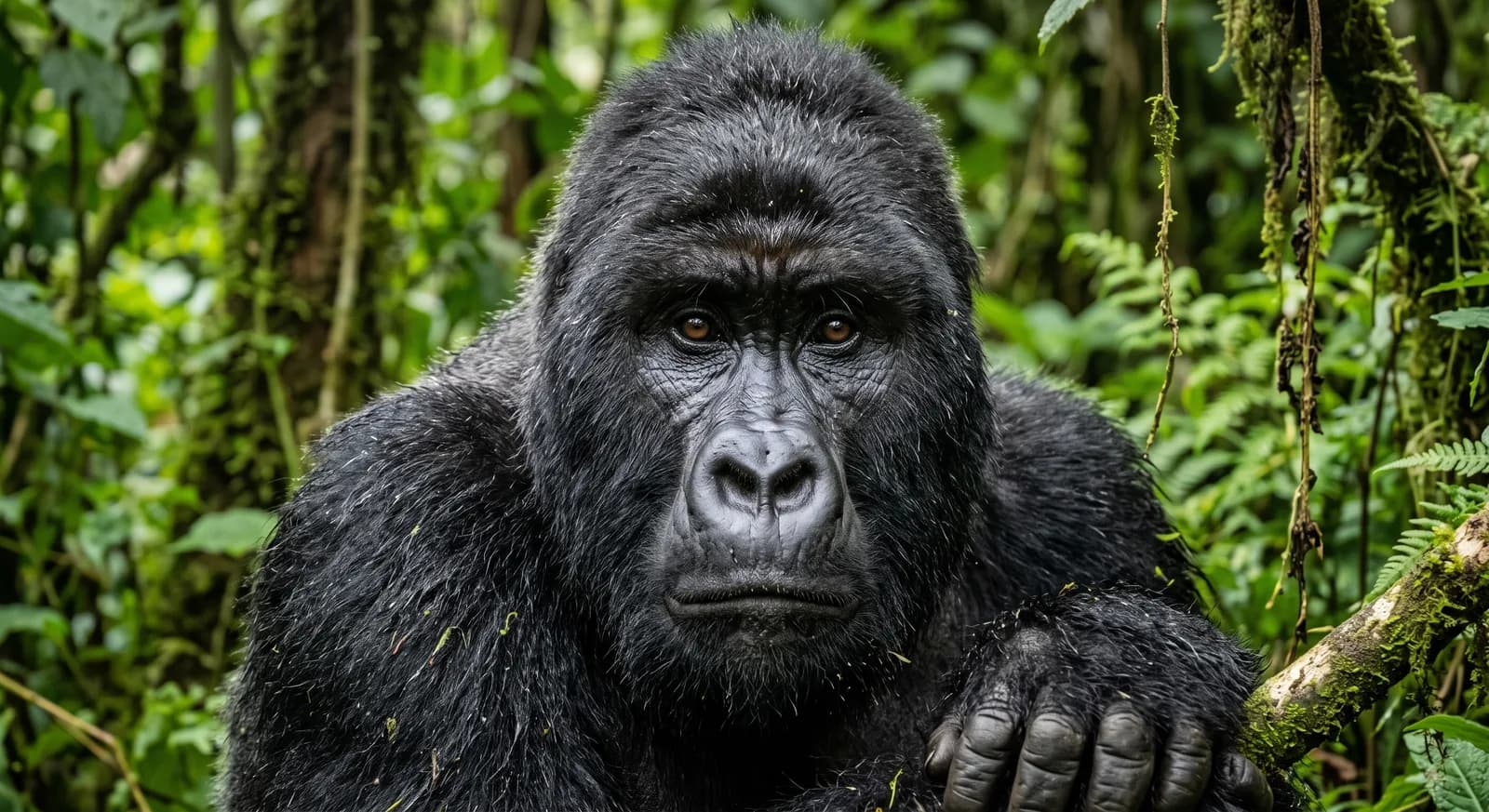
Eastern Gorilla
Gorilla beringei
 Least Concern
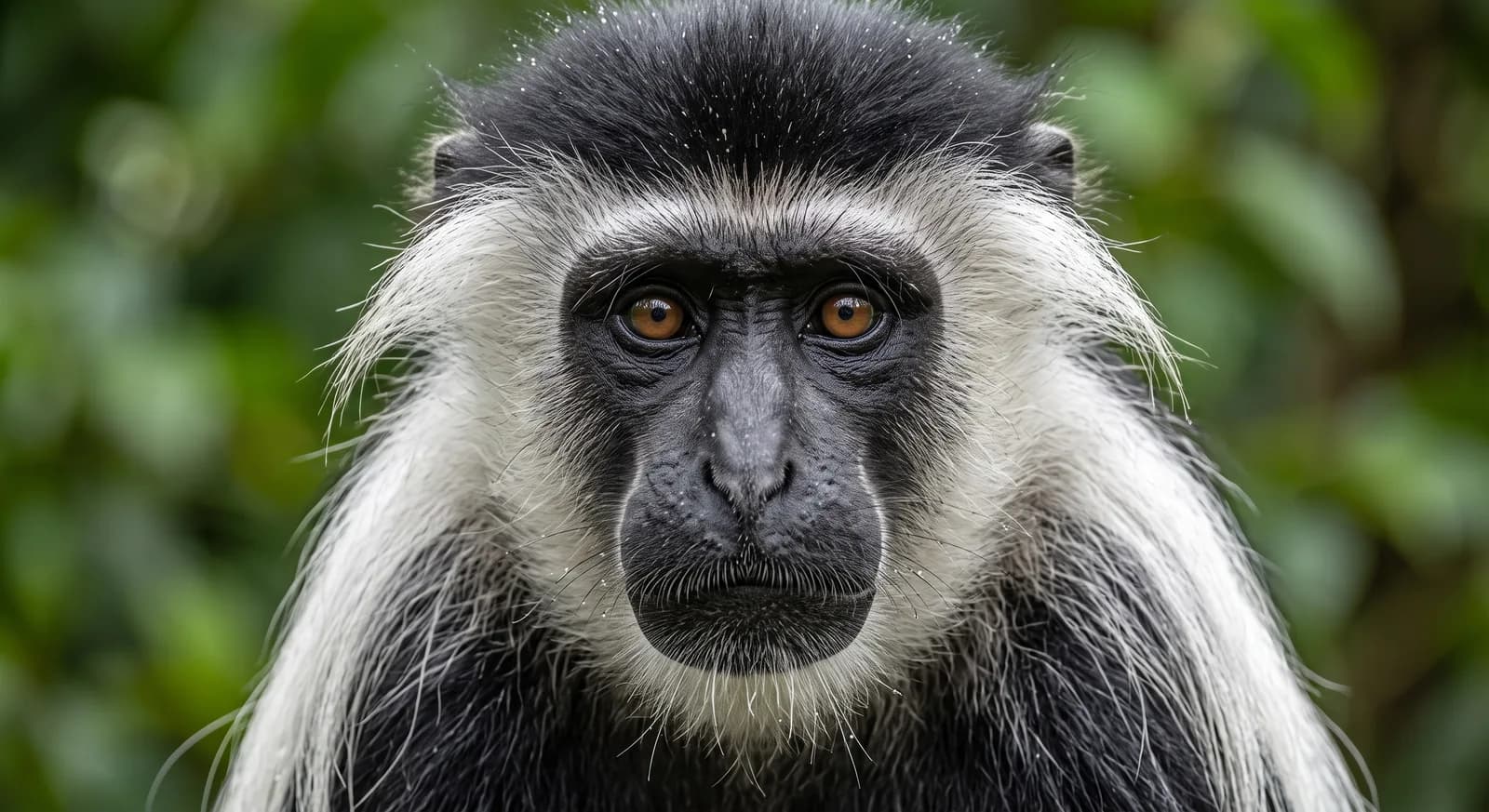
Guereza
Colobus guereza
How to help
The okapi is classified as endangered. Organizations such as UICN, WWF y Wildlife Conservation Society work specifically on its conservation and that of its habitat; looking into their programs is a good starting point if you want to get involved.
It's documented in 2 real protected areas — part of why protecting these places matters for its conservation.
Keep exploring
Based on what we already know about okapi.
Comments
Share an experience, a fun fact or a tip for seeing the okapi.
Be the first to comment.