One of the 5 albatrosses on WAnimals
Birds · Procellariiformes · Diomedeidae
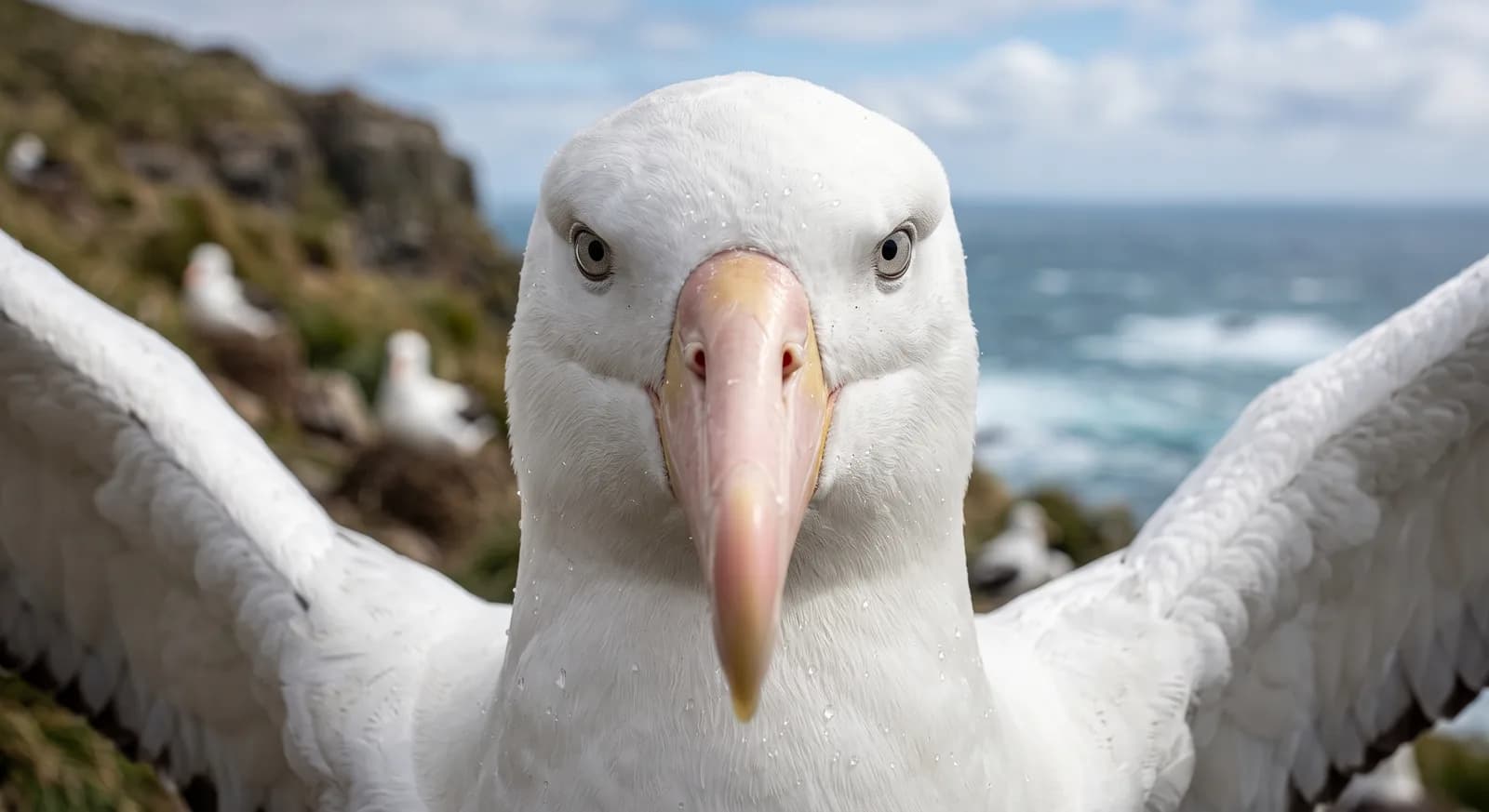
Southern Royal Albatross
Diomedea epomophora
It faces a high risk of extinction in the wild over the medium term. See full glossary
The southern royal albatross is one of the two birds with the greatest wingspan in the world, alongside the wandering albatross: it exceeds three metres from wingtip to wingtip. It breeds every two years on the New Zealand subantarctic islands, and one exceptional colony has established itself on the mainland, at Taiaroa Head near Dunedin. It glides for weeks over the Southern Ocean with barely a wingbeat, using the wind gradient above the waves.
Weight
7.7 kg – 10.3 kg
Size
1.1 m – 1.2 m
Lifespan
60 years
Diet
Carnivore
Feeds mainly on other animals.
Activity
Diurnal
Active mainly during the day.
Social structure
In pairs
Usually lives in pairs, sometimes for life.
Sighting difficulty
Moderate
Fun facts
- It can glide thousands of kilometres with barely a wingbeat thanks to dynamic soaring: it exploits the difference in wind speed between the water's surface and fifteen metres up, and a tendon locks the outstretched wing without any muscular effort.
- The colony at Taiaroa Head in New Zealand is the only great albatross colony in the world on the mainland and open to the public, and it has been monitored continuously since 1938.
Life cycle & biology
- Skeleton type
- Vertebrate - internal bony skeleton (bird)
- Habitat & environment
- The Southern Ocean; it breeds on the New Zealand subantarctic islands and on the Otago Peninsula
- Sexual maturity
- 10 years
- Gestation / incubation
- 79 days of incubation
- Litter / clutch size
- 1 egg
Sources consulted: https://es.wikipedia.org/wiki/Diomedea_epomophora
Where to find it
See its range on the interactive mapWhere to watch it
Parks and dive sites where this species has been documented.
Related species
Other species in the catalogue with the most in common with Southern Royal Albatross — same habitat, park, country, tags or family.
Wandering Albatross
Diomedea exulans
Porbeagle
Lamna nasus
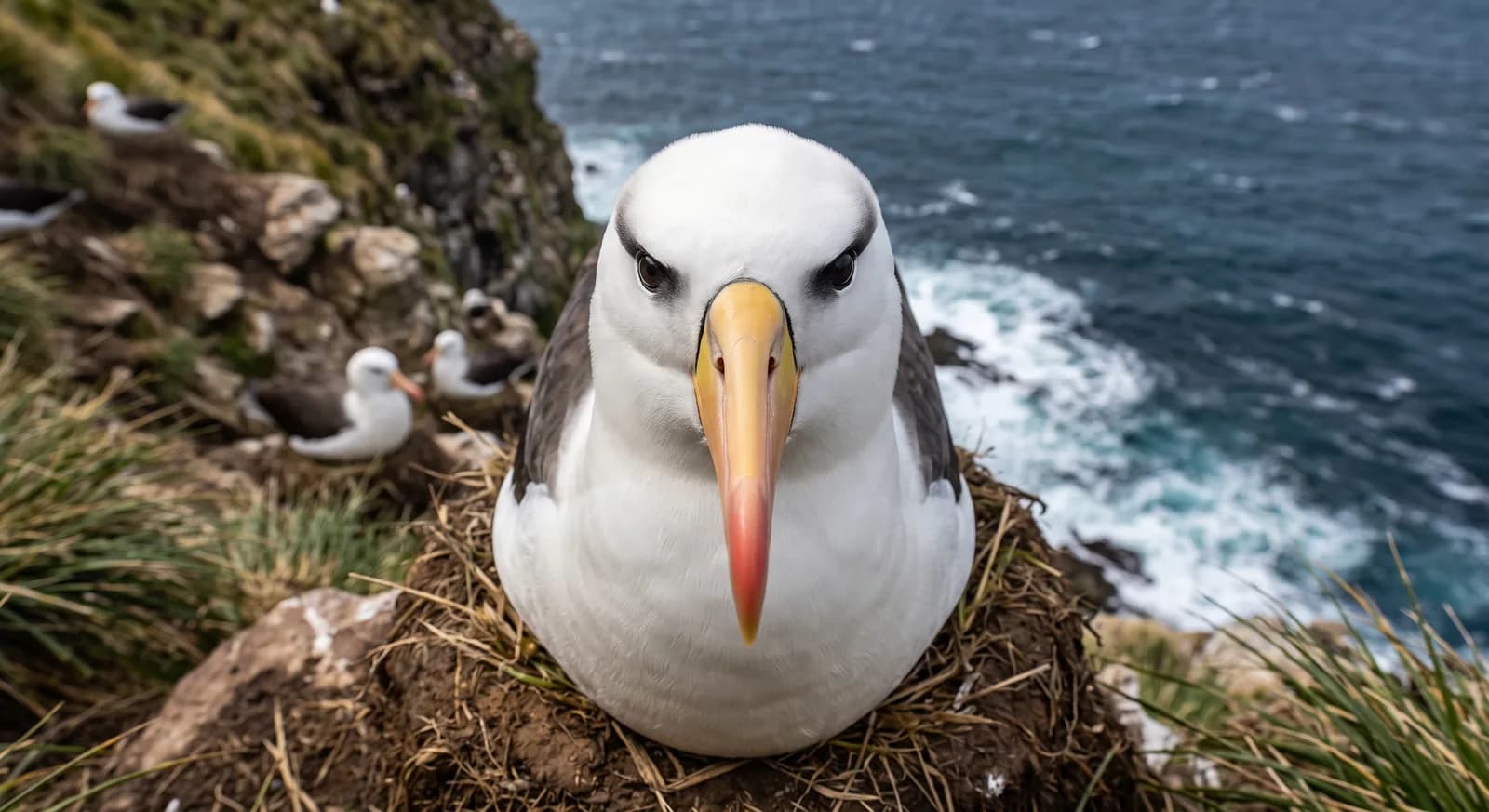
Grey-Headed Albatross
Thalassarche chrysostoma
 Least Concern
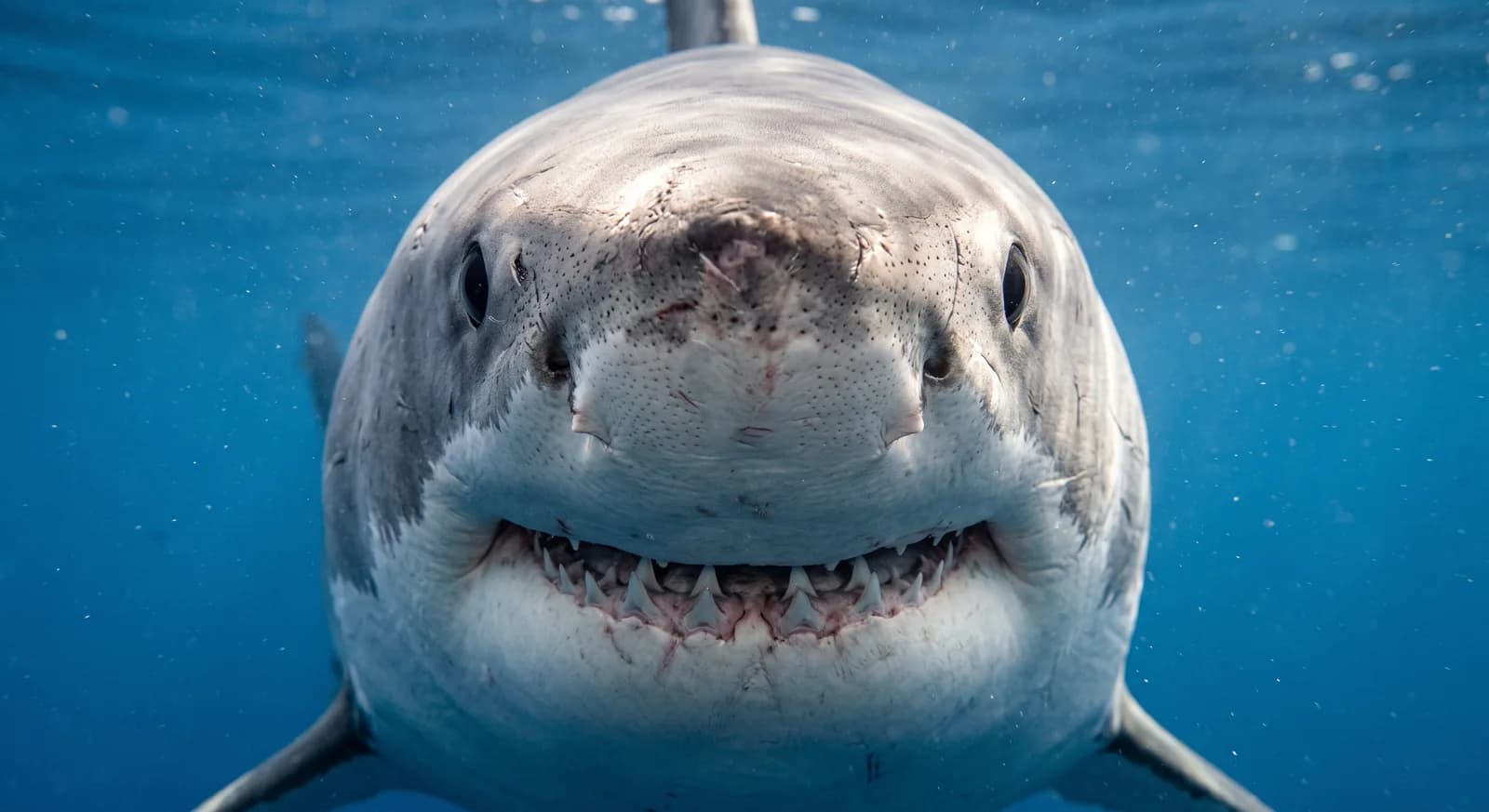
Black-browed Albatross
Thalassarche melanophris
 Vulnerable
Great White Shark
Carcharodon carcharias
Hector's Dolphin
Cephalorhynchus hectori
How to help
The southern royal albatross is classified as vulnerable. Organizations such as UICN, WWF y Wildlife Conservation Society work specifically on its conservation and that of its habitat; looking into their programs is a good starting point if you want to get involved.
It's documented in 4 real protected areas — part of why protecting these places matters for its conservation.
Keep exploring
Based on what we already know about southern royal albatross.
Comments
Share an experience, a fun fact or a tip for seeing the southern royal albatross.
Be the first to comment.