One of the 4 sea cucumbers on WAnimals
Sea cucumbers · Holothuriida · Holothuriidae
Golden Sandfish
Holothuria scabra
It faces a very high risk of extinction in the wild in the near future. See full glossary
It is one of the most commercially important sea cucumbers in Asia, and overfishing has driven aquaculture and restocking programmes in several Pacific and Indian Ocean countries.
Weight
300 g – 1.5 kg
Size
up to 40 cm
Lifespan
10 years
Diet
Omnivore
Combines animal and plant food depending on availability.
Activity
Nocturnal
Active mainly at night.
Social structure
Solitary
Lives and hunts alone, joining others only to breed.
Sighting difficulty
Hard
Fun facts
- A single spawning in captivity can produce several million eggs, though only a tiny fraction survive to the juvenile stage.
- It eats decaying organic matter and micro-organisms sifted from the sediment.
- It lives on sandy bottoms and shallow seagrass beds of the tropical Indo-Pacific.
Life cycle & biology
- Skeleton type
- Invertebrate - internal skeleton of microscopic calcareous ossicles
- Habitat & environment
- Sandy bottoms and shallow seagrass beds of the tropical Indo-Pacific
- Birth weight
- A microscopic larva after external fertilisation
- Size at birth
- Microscopic larva after fertilisation
- Sexual maturity
- Varies by study: from 42 g gutted weight upwards; the species matures early
- Gestation / incubation
- External spawning: the planktonic larva settles on the bottom after 2-3 weeks
- Litter / clutch size
- Millions of eggs per clutch in mass spawnings (over 1.3 million recorded in a single spawning in captivity)
Sources consulted: IOPscience (early maturity study); ResearchGate (reproduction larval rearing study); Springer (Solomon Islands reproduction study); SeaLifeBase; Animalia.bio; ScienceDirect (Holothuria fuscogilva growth study)
Where to find it
See its range on the interactive mapBest time: All year round on sandy bottoms and seagrass beds of the Indo-Pacific, at night; by day it stays buried in the sand.
Where to watch it
Parques y spots de buceo donde se ha documentado esta especie — se muestran 20 de 269 documentados.
Related species
Other species in the catalogue with the most in common with Golden Sandfish — same habitat, park, country, tags or family.
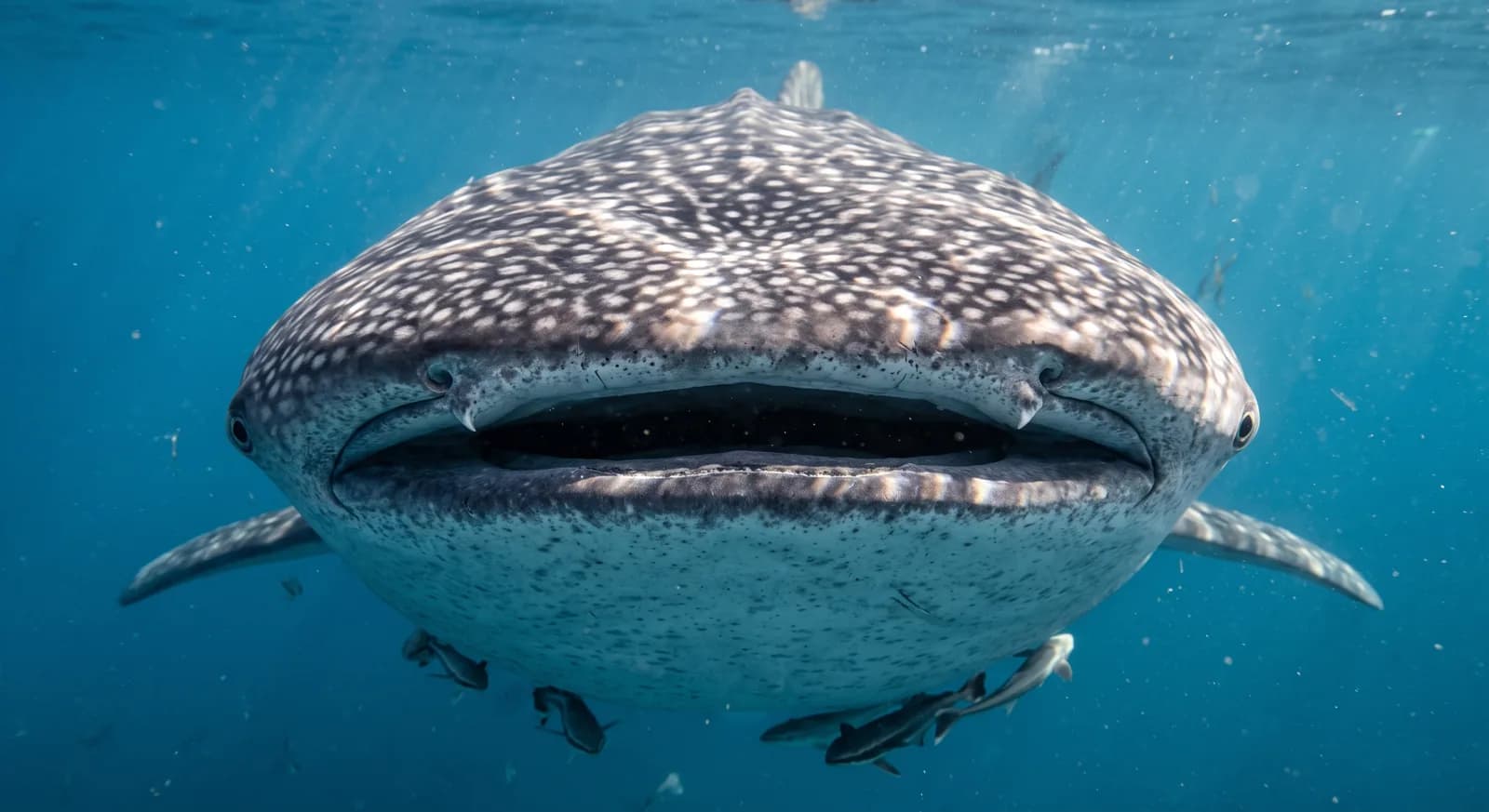 Endangered
Whale Shark
Rhincodon typus
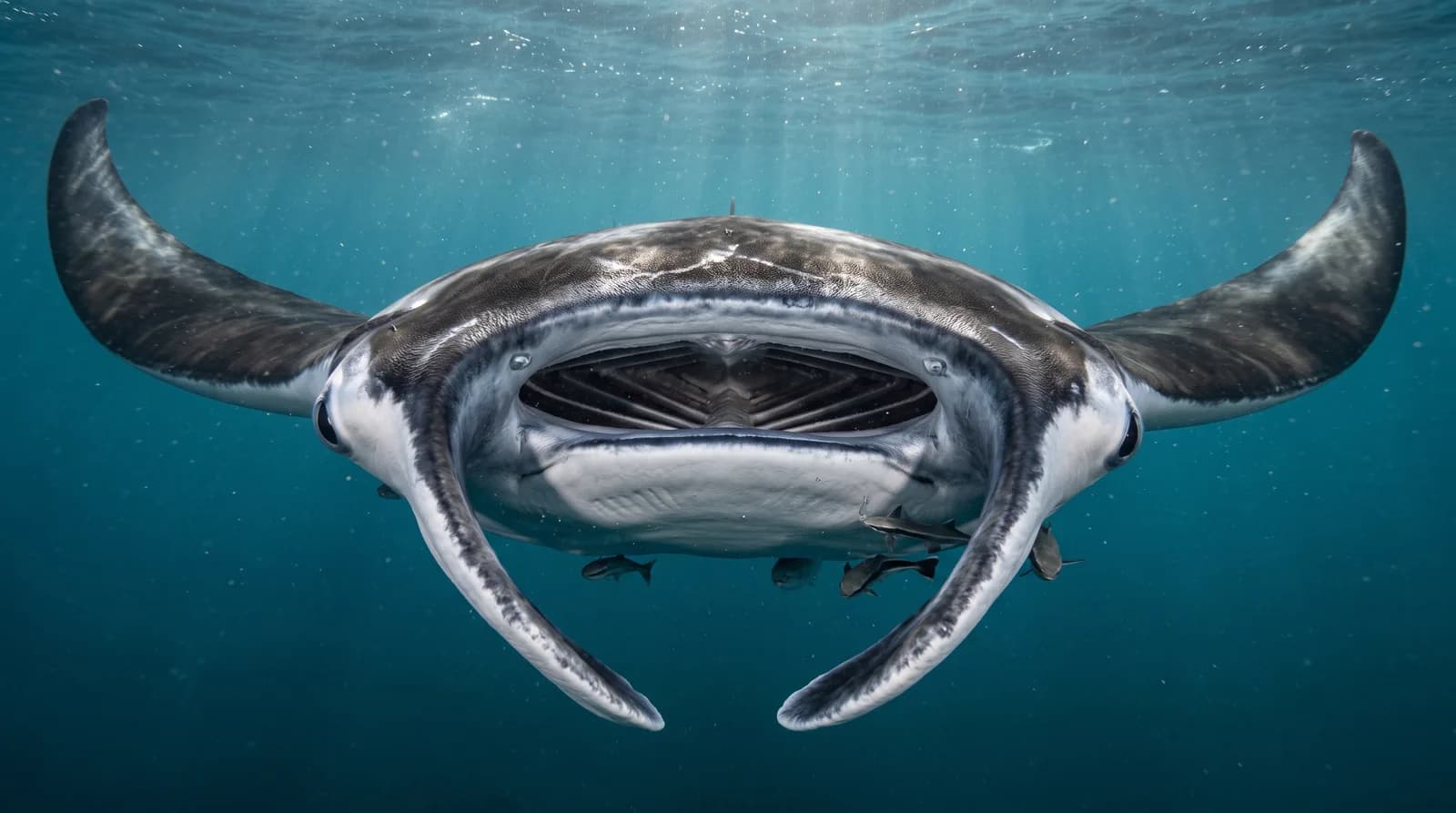 Endangered
Giant Manta
Mobula birostris
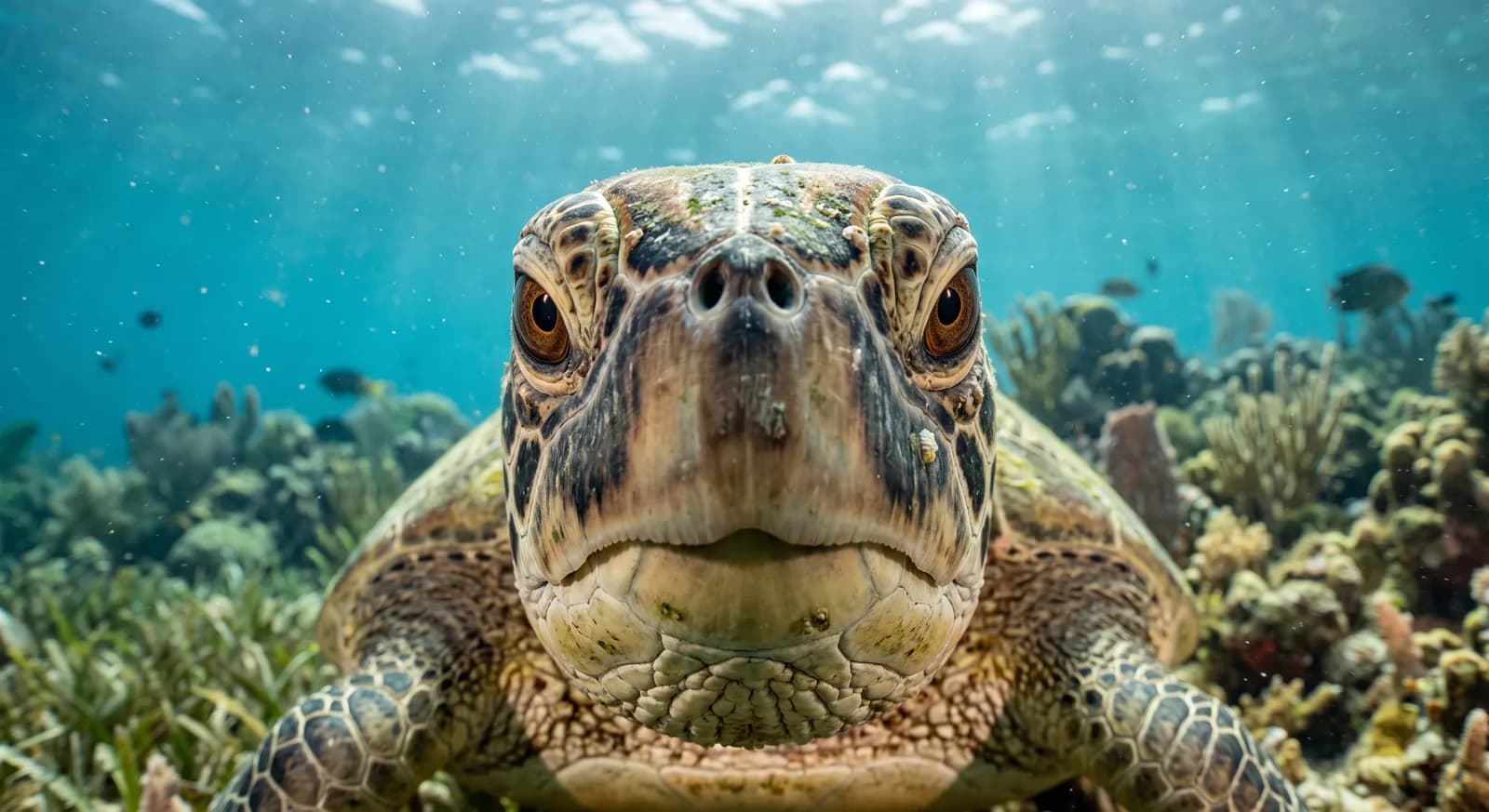 Endangered
Green Turtle
Chelonia mydas
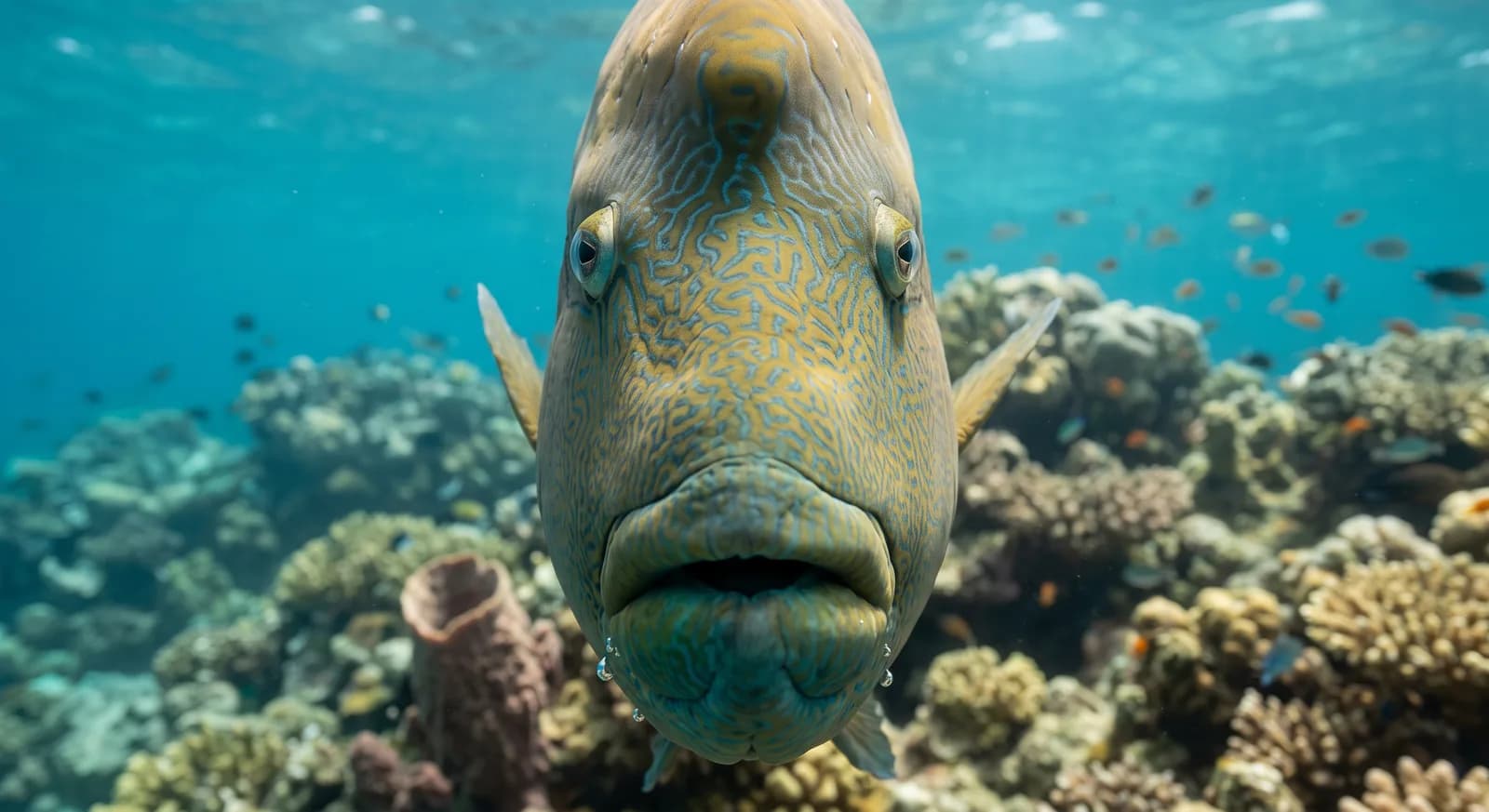 Endangered
Humphead Wrasse
Cheilinus undulatus
Asian Tiger Shrimp
Penaeus monodon
Crown-of-thorns
Acanthaster planci
How to help
The golden sandfish is classified as endangered. Organizations such as UICN, WWF y Wildlife Conservation Society work specifically on its conservation and that of its habitat; looking into their programs is a good starting point if you want to get involved.
It's documented in 13 real protected areas — part of why protecting these places matters for its conservation.
Keep exploring
Based on what we already know about golden sandfish.
Comments
Share an experience, a fun fact or a tip for seeing the golden sandfish.
Be the first to comment.