One of the 7 starfish on WAnimals
Starfish · Valvatida · Acanthasteridae
Crown-of-thorns
Acanthaster planci
It has not yet been assessed against the IUCN criteria. See full glossary
The crown-of-thorns starfish — known in Spanish as corona de espinas or acantáster púrpura — is a starfish of the family Acanthasteridae, order Valvatida.
Size
25 cm – 80 cm
Lifespan
17 years
Diet
Carnivore
Feeds mainly on other animals.
Activity
Nocturnal
Active mainly at night.
Social structure
Solitary
Lives and hunts alone, joining others only to breed.
Sighting difficulty
Unknown
Fun facts
- ecologíaIt feeds on coral polyps and, without natural predators, its numbers can explode and badly damage entire reefs.
- anatomíaIt can carry dozens of arms, far more than the five most starfish have, and its spines hold a toxin that irritates human skin.
- A single adult can consume several square metres of living coral a year, and in population outbreaks there are tens of thousands on one reef.
- Its outbreaks are one of the main causes of coral loss on Australia's Great Barrier Reef, alongside bleaching and cyclones, and they are linked to the excess nutrients washing off the land.
- A female releases tens of millions of eggs a season, and one of its few known predators, the giant triton, has been decimated by collecting for its shell.
- It eats live coral. It everts its stomach over the colony and digests it externally, leaving the skeleton white. A single individual can consume several square metres of coral a year.
- Its outbreaks are responsible for 42 % of the loss of coral cover on the Great Barrier Reef between 1985 and 2012, almost as much as cyclones and bleaching combined.
- The cause of those outbreaks is still debated. The main hypotheses are excess nutrients from agricultural run-off, which improves larval survival, and the fishing out of its predators; the models suggest both act together.
- A female can lay up to 60 million eggs in a season, and the larva spends about two weeks in the plankton.
- It is covered in venomous spines up to 5 cm long that cause intense pain, swelling and nausea.
- It is controlled by divers injecting individuals with bile salts or vinegar, one by one.
Life cycle & biology
- Habitat & environment
- Indo-Pacific coral reefs, from 0 to 30 m
- Litter / clutch size
- Up to 60 million eggs per female per season
Sources consulted: https://es.wikipedia.org/wiki/Acanthaster_planci
Where to find it
See its range on the interactive mapWhere to watch it
Parques y spots de buceo donde se ha documentado esta especie — se muestran 20 de 273 documentados.
Related species
Other species in the catalogue with the most in common with Crown-of-thorns — same habitat, park, country, tags or family.
Flatback
Natator depressus
 Least Concern
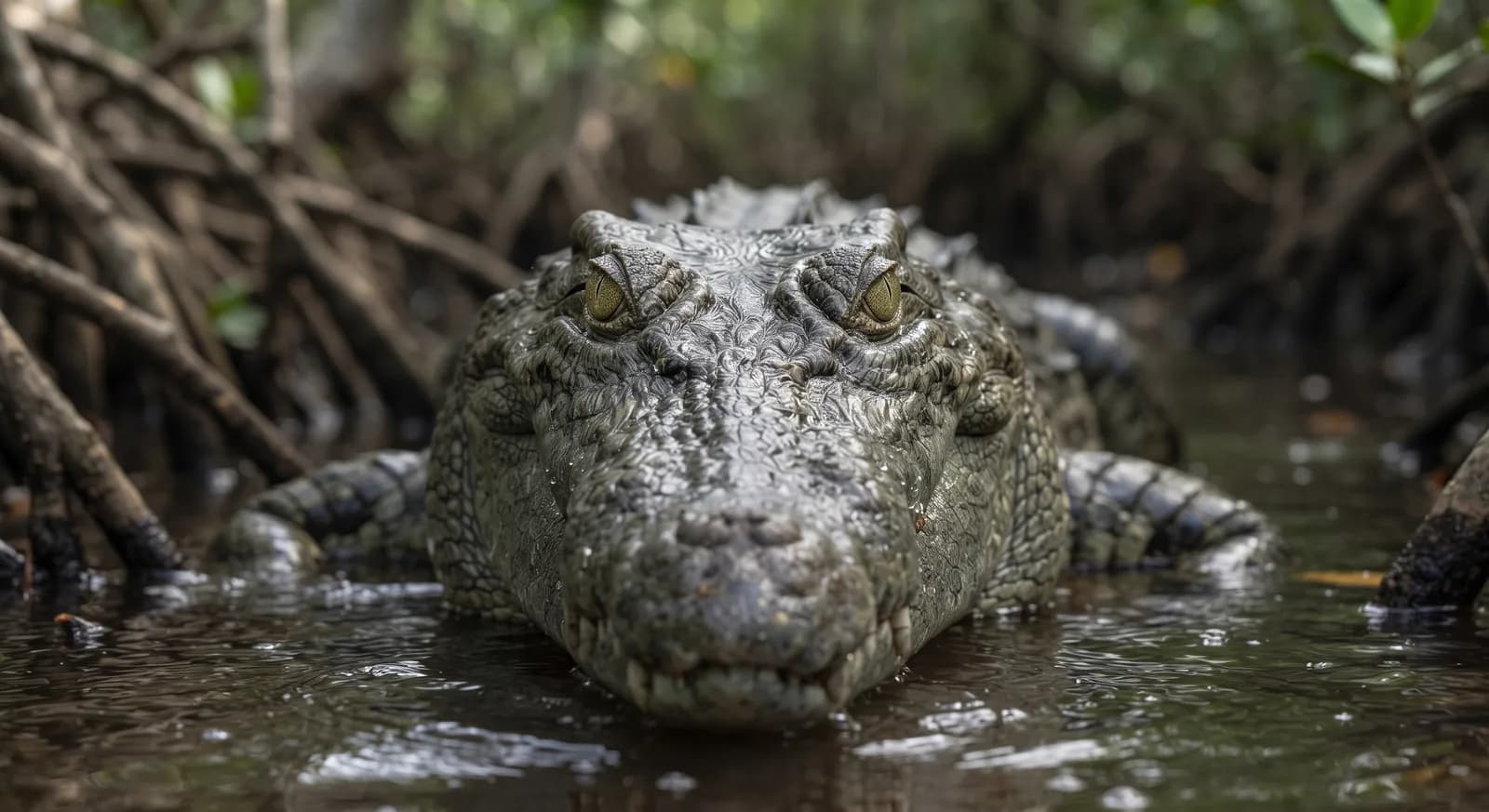
Saltwater Crocodile
Crocodylus porosus
Yellow-bellied Sea Snake
Hydrophis platurus
Red Lionfish
Pterois volitans
Spot-fin Porcupinefish
Diodon hystrix
 Critically Endangered
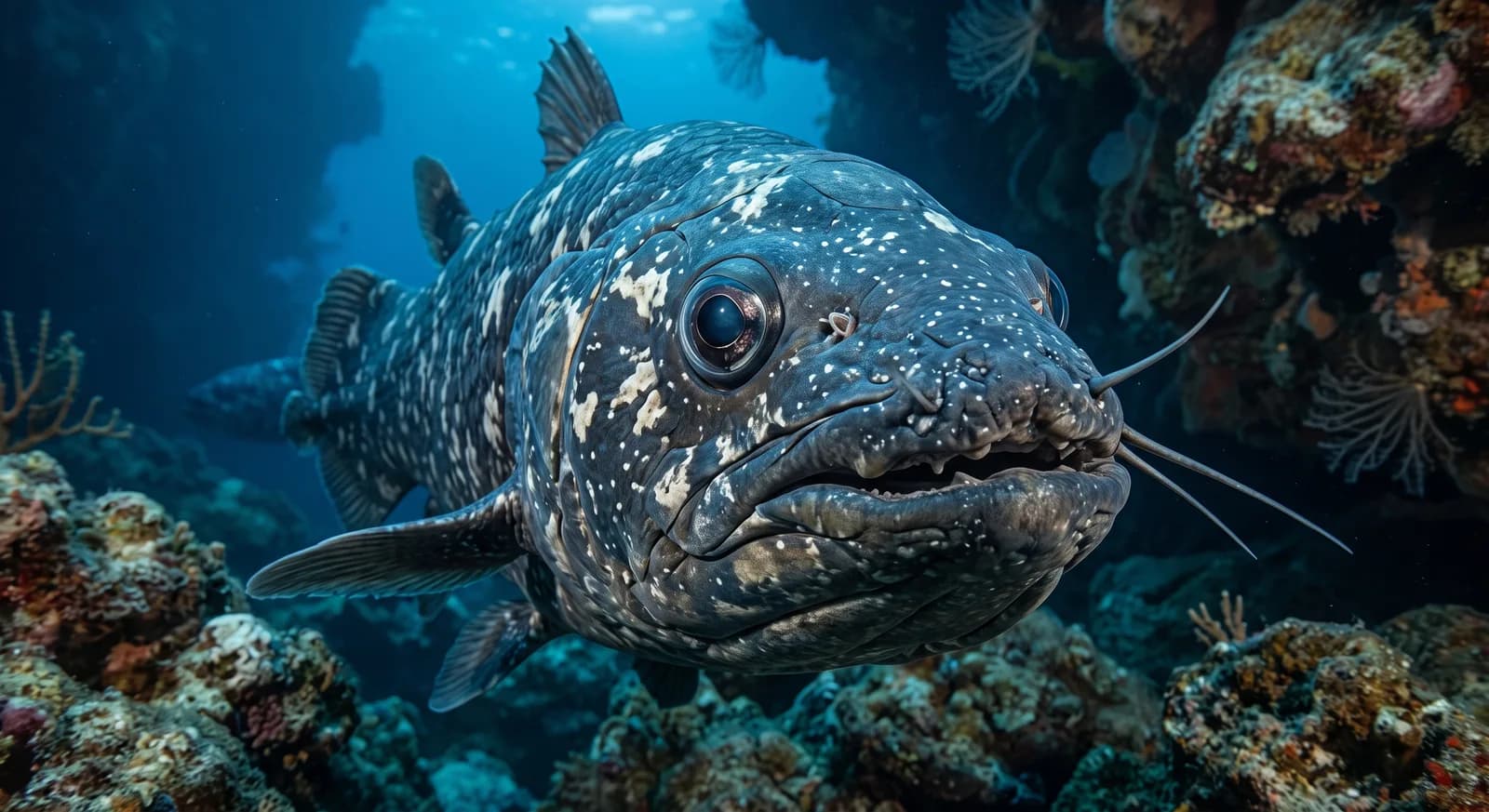
Coelacanth
Latimeria chalumnae
Keep exploring
Based on what we already know about crown-of-thorns.
Comments
Share an experience, a fun fact or a tip for seeing the crown-of-thorns.
Be the first to comment.