Mammals · Dasyuromorphia · Myrmecobiidae
Numbat
Myrmecobius fasciatus
It faces a very high risk of extinction in the wild in the near future. See full glossary
It is the only wholly diurnal marsupial in Australia, active by day precisely because that is when the termites it lives almost entirely on come to the surface.
Weight
300 g – 700 g
Size
20 cm – 29 cm
Lifespan
4 years
Diet
Insectivore
Feeds mainly on insects and other invertebrates.
Activity
Diurnal
Active mainly during the day.
Social structure
Solitary
Lives and hunts alone, joining others only to breed.
Sighting difficulty
Hard
Estimated population
Fewer than 1,000 mature individuals in the wild, spread across a handful of populations in south-western Australia.
Fun facts
- alimentaciónIt is a day-active insect-eating marsupial specialised almost entirely on termites, unlike most Australian marsupials, which are nocturnal.
Life cycle & biology
- Skeleton type
- Vertebrate - internal bony skeleton (marsupial mammal)
- Habitat & environment
- Eucalypt woodland of south-western Western Australia, with recent reintroductions in South Australia
- Birth weight
- Extremely undeveloped at birth, barely 20 mm long
- Size at birth
- 20 mm long at birth, crawling to the fur of its mother's belly (she has no true pouch)
- Sexual maturity
- Female: 12 months | Male: 24 months
- Gestation / incubation
- 14 days
- Litter / clutch size
- 4 young per litter, set by its 4 working teats
- Lifespan in captivity
- Documented record of up to 8-11 years in captivity
Sources consulted: AnAge (genomics.senescence.info); Dimensions.com; AussieAnimals.com; Animalia.bio; Animal Diversity Web; A-Z Animals; The Animal Facts; DBCA fauna profile
Where to find it
See its range on the interactive mapBest time: All year at Dryandra and Perup, in Western Australia, and by day: it is the only strictly diurnal marsupial.
Related species
Other species in the catalogue with the most in common with Numbat — same habitat, park, country, tags or family.
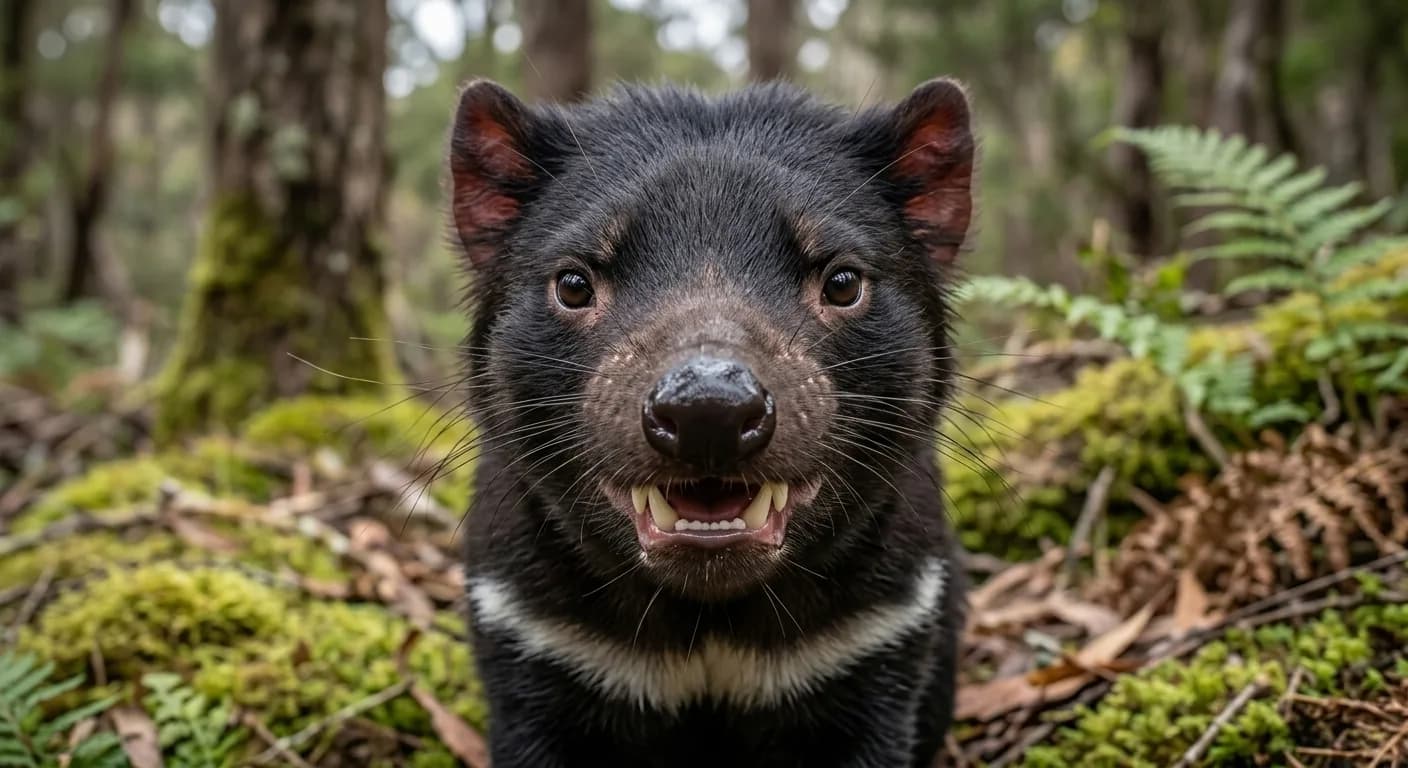 Endangered
Tasmanian Devil
Sarcophilus harrisii
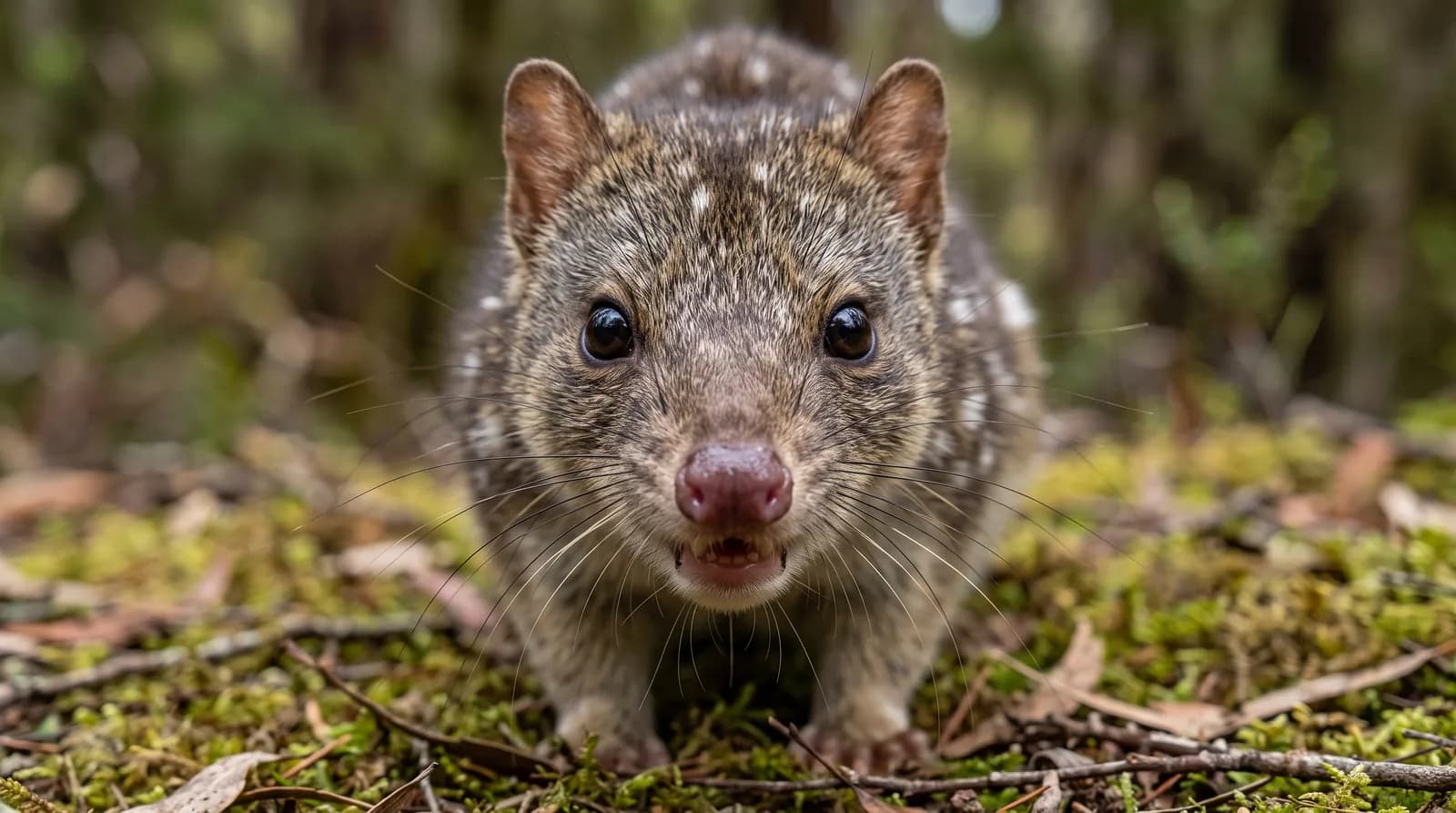 Endangered
Eastern Quoll
Dasyurus viverrinus
Greater Glider
Petauroides volans
Short-beaked Echidna
Tachyglossus aculeatus
Brown Antechinus
Antechinus stuartii
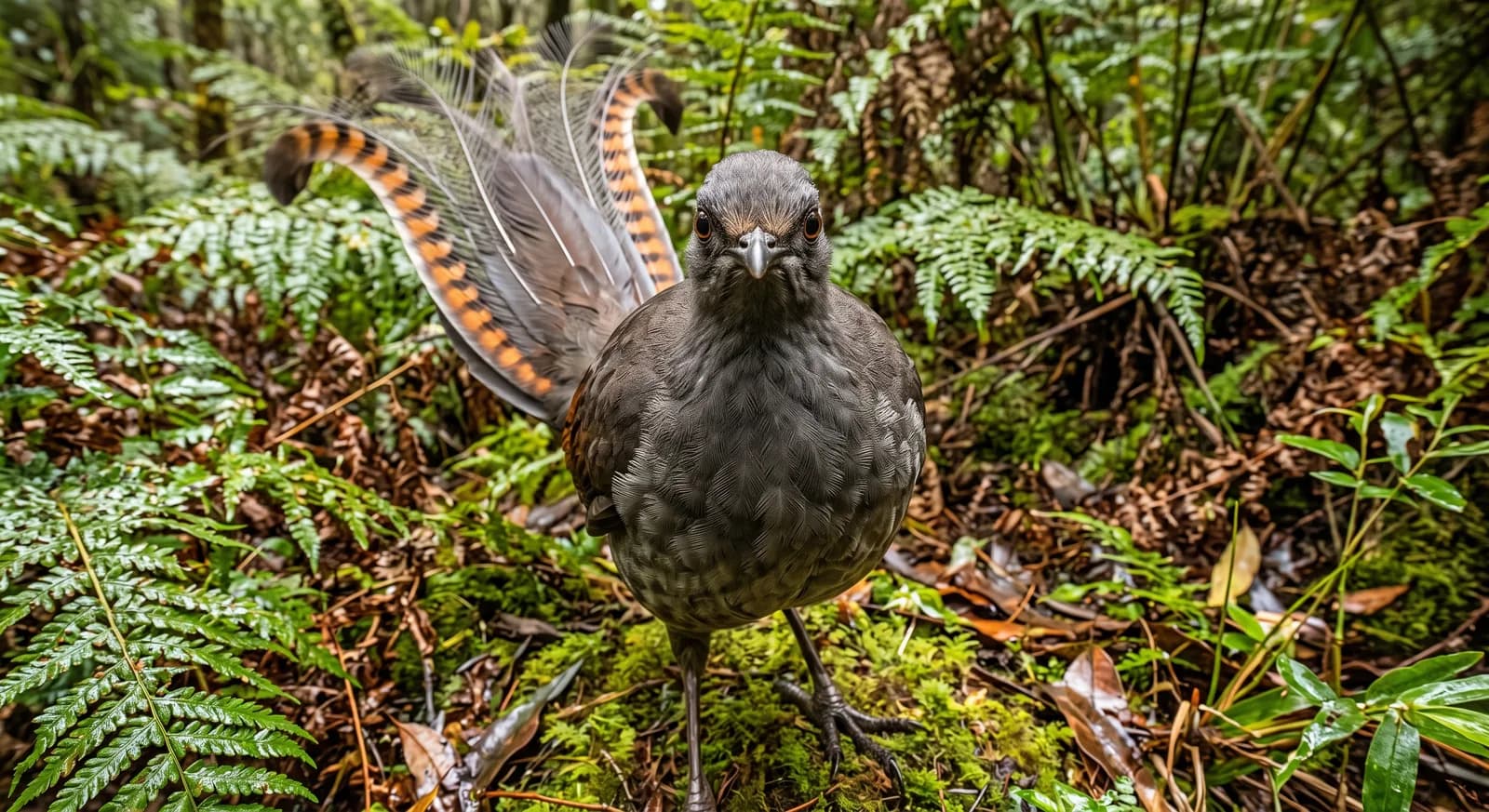 Least Concern
Superb Lyrebird
Menura novaehollandiae
How to help
The numbat is classified as endangered. Organizations such as UICN, WWF y Wildlife Conservation Society work specifically on its conservation and that of its habitat; looking into their programs is a good starting point if you want to get involved.
Keep exploring
Based on what we already know about numbat.
Comments
Share an experience, a fun fact or a tip for seeing the numbat.
Be the first to comment.