One of the 2 gliders on WAnimals
Mammals · Diprotodontia · Pseudocheiridae
Greater Glider
Petauroides volans
It faces a very high risk of extinction in the wild in the near future. See full glossary
The greater glider is the largest gliding marsupial in the world and one of the most specialised: it eats almost exclusively eucalypt leaves, and those of only a few particular species. Its gliding membrane runs from elbow to ankle, not from the wrist as in the petaurid gliders, and lets it cover up to a hundred metres between trees. It depends on mature forest with hollows to nest in. The great fires of 2019 and 2020 destroyed a large part of its habitat and accelerated its decline.
Weight
900 g – 1.7 kg
Size
35 cm – 45 cm
Lifespan
15 years
Diet
Herbivore
Feeds mainly on plants.
Activity
Nocturnal
Active mainly at night.
Social structure
Solitary
Lives and hunts alone, joining others only to breed.
Sighting difficulty
Hard
Fun facts
- GeneralIt glides as far as 100 m between trees and eats almost nothing but eucalypt leaves.
- Its gliding membrane runs from elbow to ankle rather than from wrist to ankle as in the other Australian gliders: it folds its arms under its chin as it glides, which gives it an unmistakable arrow-like silhouette.
- It eats almost nothing but eucalypt leaves from a few particular species, and that extreme dependence means a fire that changes the composition of the forest wipes it out even if the trees grow back.
Life cycle & biology
- Skeleton type
- Vertebrate - internal bony skeleton (mammal)
- Habitat & environment
- Mature eucalypt forest with old, hollow-bearing trees, in eastern Australia
- Sexual maturity
- 21 months
- Gestation / incubation
- 4 months
- Litter / clutch size
- 1
Sources consulted: https://es.wikipedia.org/wiki/Petauroides_volans
Where to watch it
Parques y spots de buceo donde se ha documentado esta especie — se muestran 10 de 17 documentados.
Related species
Other species in the catalogue with the most in common with Greater Glider — same habitat, park, country, tags or family.
Common Ringtail Possum
Pseudocheirus peregrinus
 Vulnerable
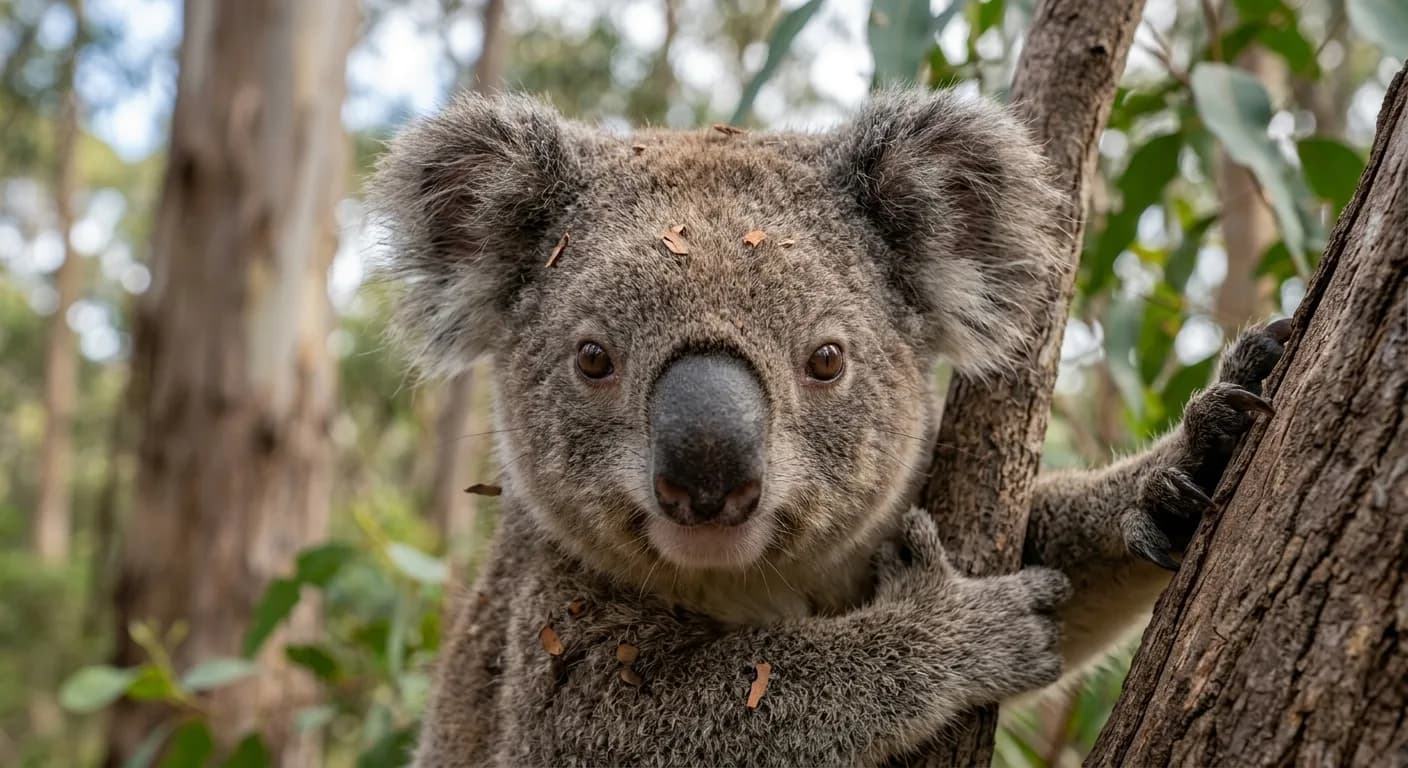
Koala
Phascolarctos cinereus
 Near Threatened
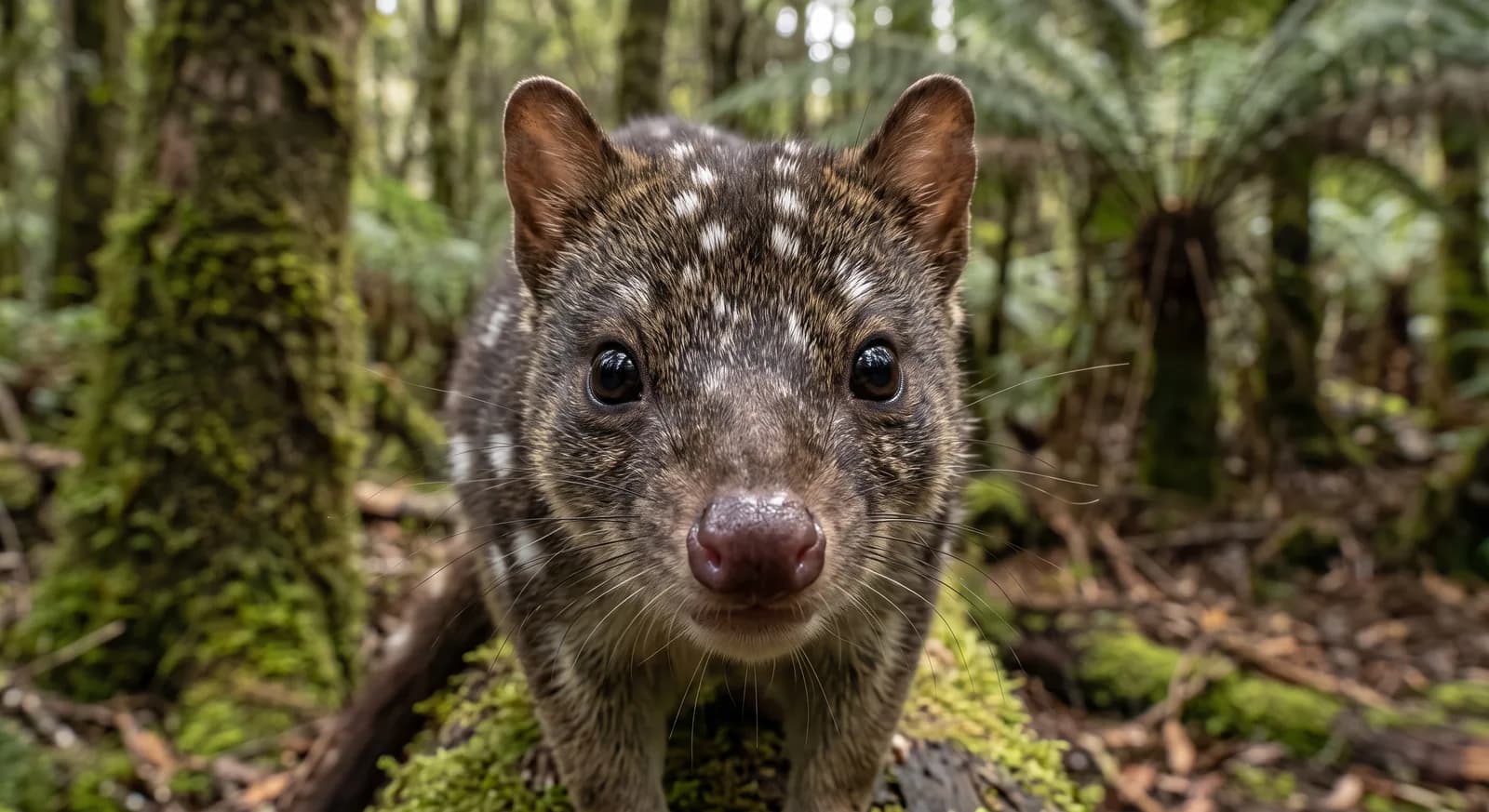
Spotted-tailed Quoll
Dasyurus maculatus
Brown Antechinus
Antechinus stuartii
Long-nosed Bandicoot
Perameles nasuta
Southern Brown Bandicoot
Isoodon obesulus
How to help
The greater glider is classified as endangered. Organizations such as UICN, WWF y Wildlife Conservation Society work specifically on its conservation and that of its habitat; looking into their programs is a good starting point if you want to get involved.
It's documented in 10 real protected areas — part of why protecting these places matters for its conservation.
Keep exploring
Based on what we already know about greater glider.
Comments
Share an experience, a fun fact or a tip for seeing the greater glider.
Be the first to comment.