One of the 2 bandicoots on WAnimals
Mammals · Peramelemorphia · Peramelidae
Long-nosed Bandicoot
Perameles nasuta
The species is abundant and widely distributed; it faces no significant short-term risk. See full glossary
It has one of the shortest gestations of any placental mammal, barely 12-12.5 days, and reaches sexual maturity extraordinarily fast too, in only 3-6 months.
Weight
700 g – 1.5 kg
Size
31 cm – 43 cm
Lifespan
2 years
Diet
Omnivore
Combines animal and plant food depending on availability.
Activity
Nocturnal
Active mainly at night.
Social structure
Solitary
Lives and hunts alone, joining others only to breed.
Sighting difficulty
Easy
Fun facts
- This ultra-fast breeding strategy offsets the heavy losses to introduced predators such as cats and foxes.
- It eats invertebrates, fungi and roots, dug out of the ground with its long snout.
- It lives in woodland, scrub and towns of eastern Australia.
Life cycle & biology
- Skeleton type
- Vertebrate - internal bony skeleton (marsupial mammal)
- Habitat & environment
- Woodland, scrub and towns of eastern Australia, from Queensland to Victoria
- Birth weight
- ~0.245 grams, one of the lowest birth weights of any mammal
- Size at birth
- Extremely undeveloped at birth, staying attached to the umbilical cord after delivery
- Sexual maturity
- 3-6 months, among the earliest sexual maturity of any mammal
- Gestation / incubation
- 12-12.5 days, among the shortest gestations known in any mammal
- Litter / clutch size
- 1 to 5 young (most commonly 2-3), with up to 4 litters per year
- Lifespan in captivity
- Documented record of up to 5.6 years in captivity
Sources consulted: Animal Diversity Web; AnAge (genomics.senescence.info); Dimensions.com; EBSCO Research Starters; Zoopedia Wiki; Encyclopedia of Life; Animalia.bio; AnimalHub; Wikipedia (Long-nosed bandicoot)
Where to find it
See its range on the interactive mapBest time: All year round in eastern Australia, at night; it leaves very distinctive conical pits in lawns and gardens as it roots for invertebrates.
Where to watch it
Parques y spots de buceo donde se ha documentado esta especie — se muestran 10 de 15 documentados.
Related species
Other species in the catalogue with the most in common with Long-nosed Bandicoot — same habitat, park, country, tags or family.
Southern Brown Bandicoot
Isoodon obesulus
Brown Antechinus
Antechinus stuartii
Common Brush-tailed Possum
Trichosurus vulpecula
 Least Concern
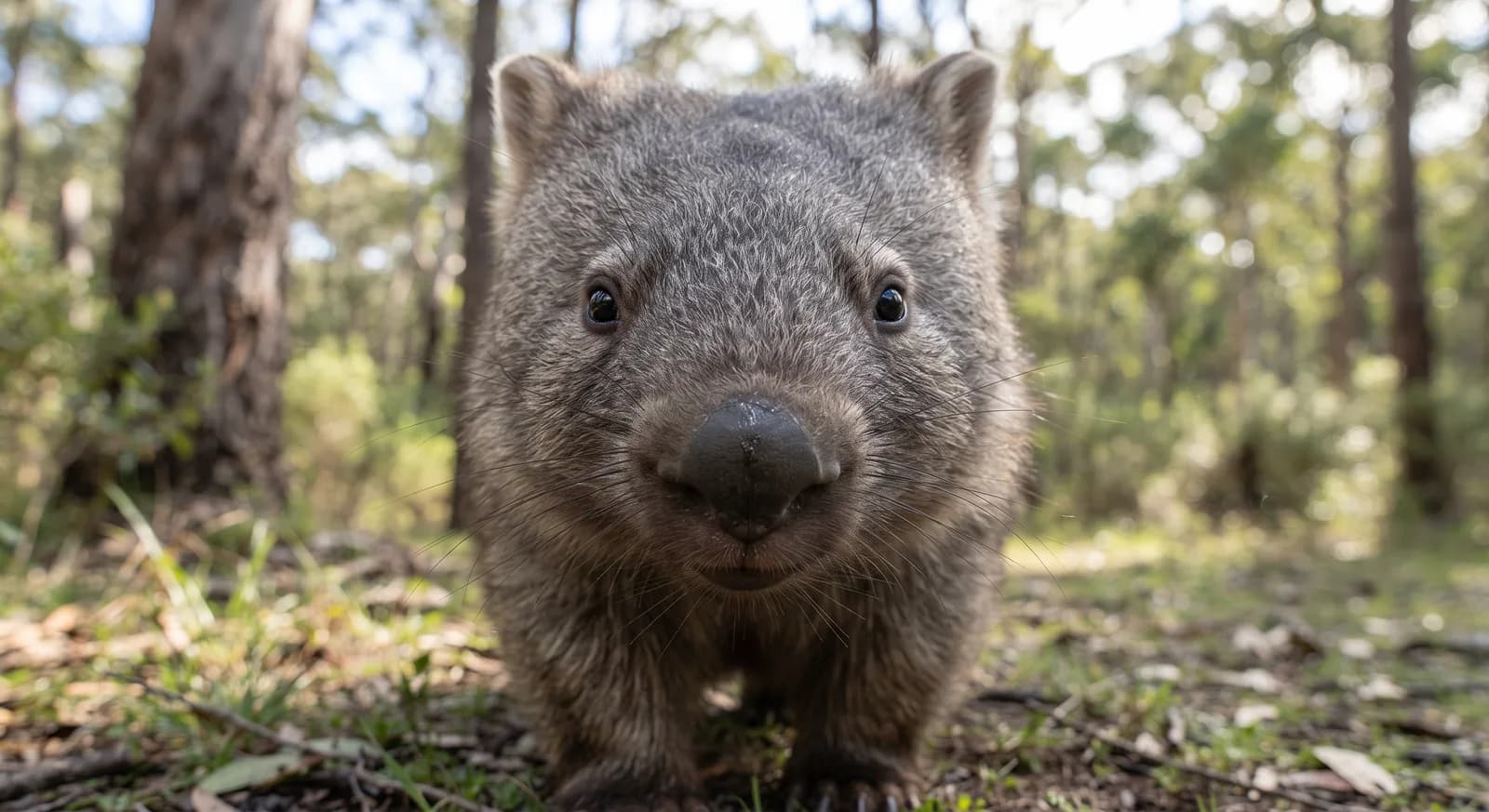
Bare-nosed Wombat
Vombatus ursinus
 Least Concern
Sugar Glider
Petaurus breviceps
Feathertail Glider
Acrobates pygmaeus
Keep exploring
Based on what we already know about long-nosed bandicoot.
Comments
Share an experience, a fun fact or a tip for seeing the long-nosed bandicoot.
Be the first to comment.