One of the 4 possums on WAnimals
Mammals · Diprotodontia · Phalangeridae
Common Brush-tailed Possum
Trichosurus vulpecula
The species is abundant and widely distributed; it faces no significant short-term risk. See full glossary
It is the Australian marsupial most often seen by town dwellers, having taken exceptionally well to living in roofs and attics.
Weight
1.5 kg – 4.5 kg
Size
50 cm – 60 cm
Lifespan
7 years
Diet
Omnivore
Combines animal and plant food depending on availability.
Activity
Nocturnal
Active mainly at night.
Social structure
Solitary
Lives and hunts alone, joining others only to breed.
Sighting difficulty
Easy
Fun facts
- Introduced to New Zealand in 1840 for the fur trade, it has become an invasive pest there, devastating to native plants and wildlife.
- It eats eucalypt leaves, flowers, fruit, insects and occasionally carrion.
- It lives in woodland, semi-arid country and towns across much of Australia and Tasmania.
- ecologíaIntroduced to New Zealand in the 19th century for the fur trade, it has become one of the country's most damaging invasive species, having no natural predators there.
Life cycle & biology
- Skeleton type
- Vertebrate - internal bony skeleton (marsupial mammal)
- Habitat & environment
- Woodland, semi-arid country and towns across much of Australia and Tasmania; introduced to New Zealand
- Birth weight
- ~0.2 grams
- Size at birth
- Hairless and the size of a bean at birth
- Sexual maturity
- Female: ~1 year | Male: ~2 years
- Gestation / incubation
- 17-18 days
- Litter / clutch size
- 1 young per birth (rarely 2)
- Lifespan in captivity
- Documented record of up to 14-17 years in captivity
Sources consulted: Animal Diversity Web; Possum Man; Caversham Wildlife; EBSCO Research Starters; Australian Geographic; AnAge (genomics.senescence.info); Animalia.bio; Queensland Government; PMC (paternity and predation studies)
Where to find it
See its range on the interactive mapBest time: All year round, at night; it is common even in urban parks and on the rooftops of Australian cities.
Where to watch it
Parques y spots de buceo donde se ha documentado esta especie — se muestran 10 de 59 documentados.
Related species
Other species in the catalogue with the most in common with Common Brush-tailed Possum — same habitat, park, country, tags or family.
Brown Antechinus
Antechinus stuartii
Long-nosed Bandicoot
Perameles nasuta
Southern Brown Bandicoot
Isoodon obesulus
 Least Concern
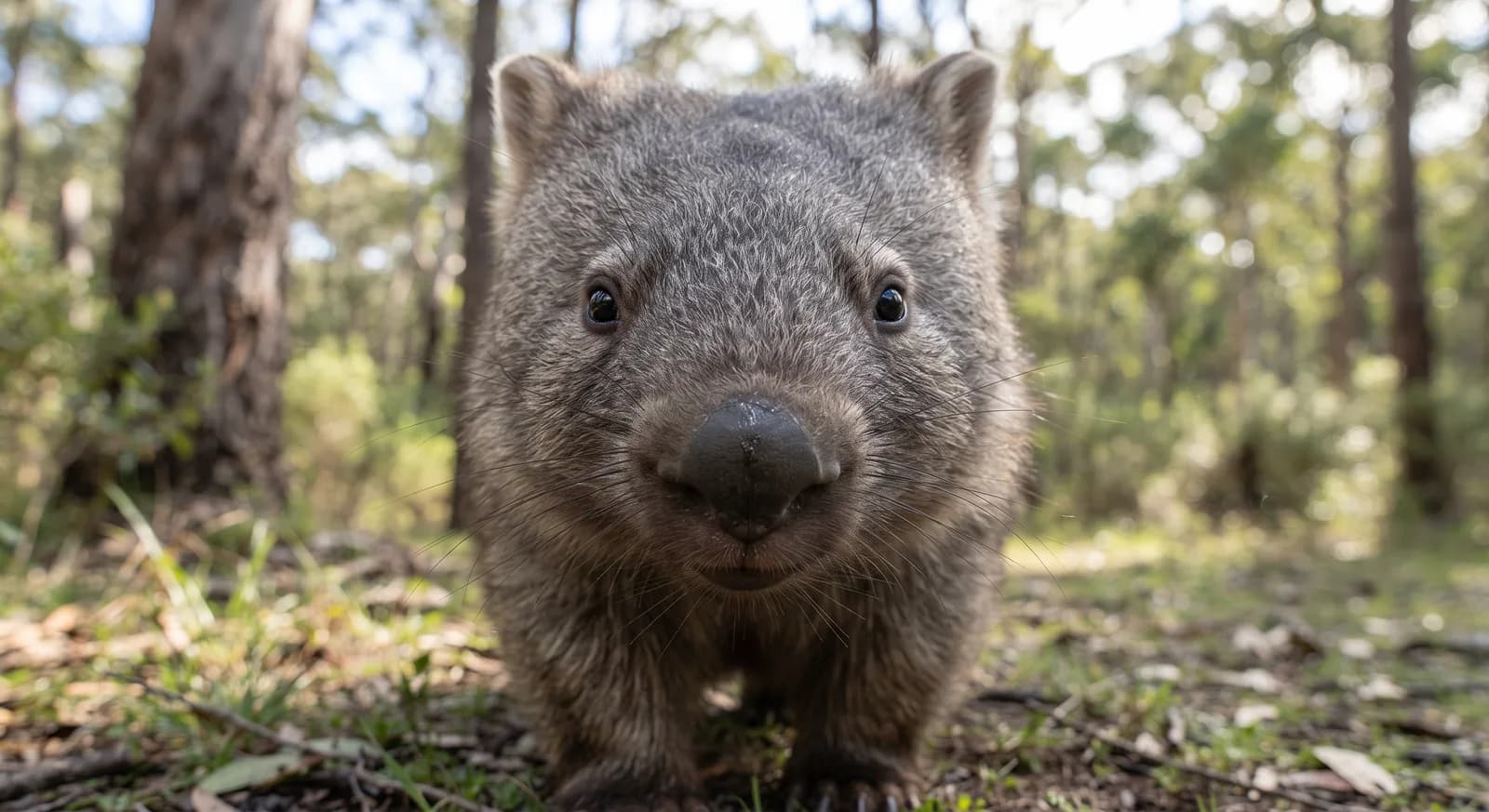
Bare-nosed Wombat
Vombatus ursinus
 Least Concern
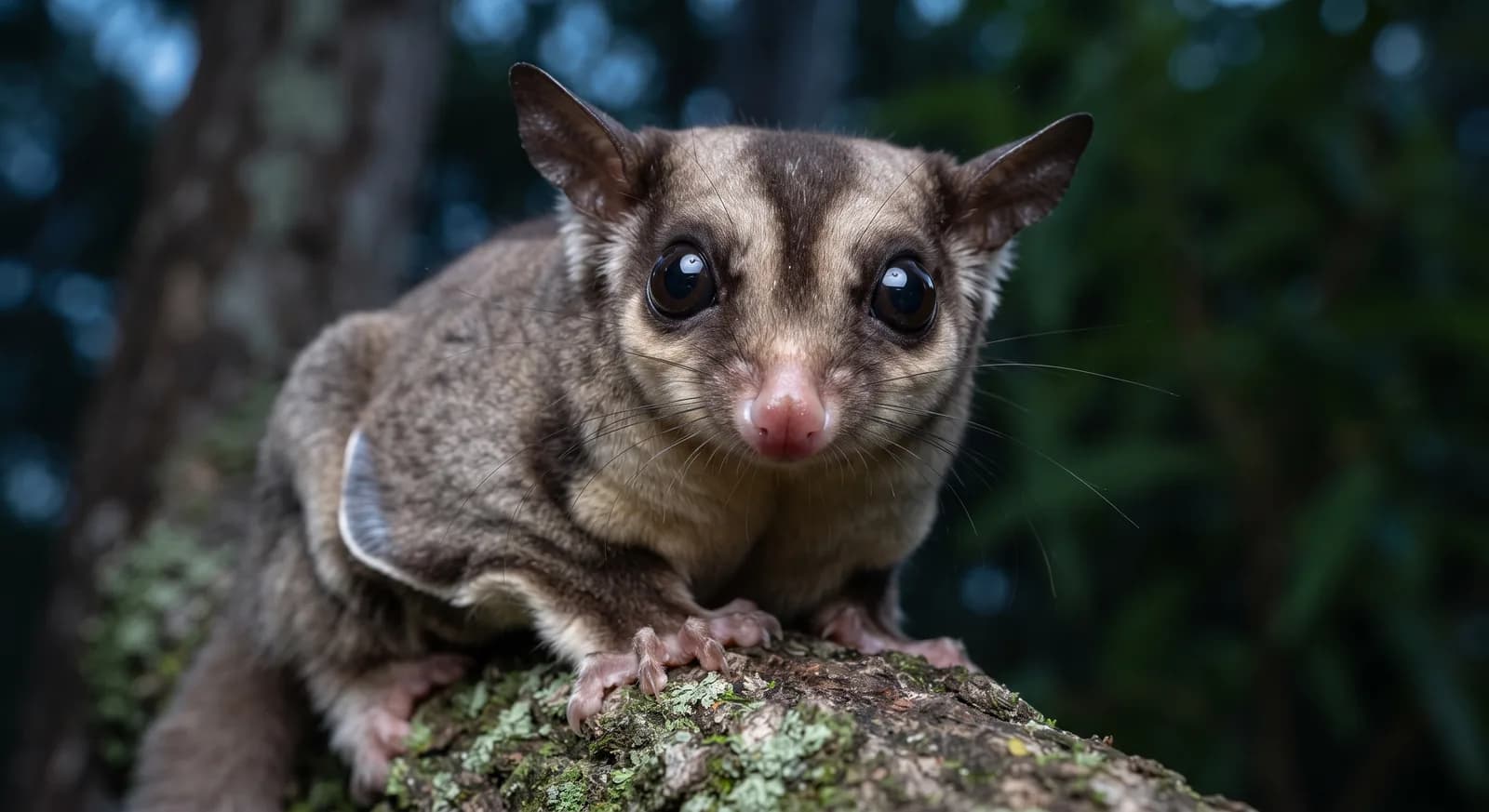
Sugar Glider
Petaurus breviceps
Feathertail Glider
Acrobates pygmaeus
Keep exploring
Based on what we already know about common brush-tailed possum.
Comments
Share an experience, a fun fact or a tip for seeing the common brush-tailed possum.
Be the first to comment.