Mammals · Dasyuromorphia · Dasyuridae
Brown Antechinus
Antechinus stuartii
The species is abundant and widely distributed; it faces no significant short-term risk. See full glossary
The brown antechinus is a small carnivorous marsupial of eastern Australia, the size of a mouse but with the dentition of a predator. It hunts invertebrates and the occasional small vertebrate on the ground and among fallen logs. It is famous for its extreme reproductive strategy: the entire male population dies a few weeks after a single mating season, a phenomenon of such precise synchrony that the species is a model in the biology of ageing.
Weight
17 g – 71 g
Size
9 cm – 13 cm
Lifespan
5 years
Diet
Insectivore
Feeds mainly on insects and other invertebrates.
Activity
Nocturnal
Active mainly at night.
Social structure
Solitary
Lives and hunts alone, joining others only to breed.
Sighting difficulty
Easy
Fun facts
- Every male in the population dies after a single mating season: for two or three weeks they mate almost without stopping, up to twelve hours at a time, and the surge of cortisol collapses their immune system. Not one reaches a year old.
- The synchrony is astonishing: the rut is triggered on the same dates every year, tuned to day length, and within days an entire population is left without males.
Life cycle & biology
- Skeleton type
- Vertebrate - internal bony skeleton (mammal)
- Habitat & environment
- Wet sclerophyll forest and temperate rainforest with fallen logs, in eastern Australia
- Sexual maturity
- 9.4 months
- Gestation / incubation
- 30 days
- Litter / clutch size
- 7
Sources consulted: https://es.wikipedia.org/wiki/Antechinus_stuartii
Where to watch it
Parques y spots de buceo donde se ha documentado esta especie — se muestran 10 de 16 documentados.
Related species
Other species in the catalogue with the most in common with Brown Antechinus — same habitat, park, country, tags or family.
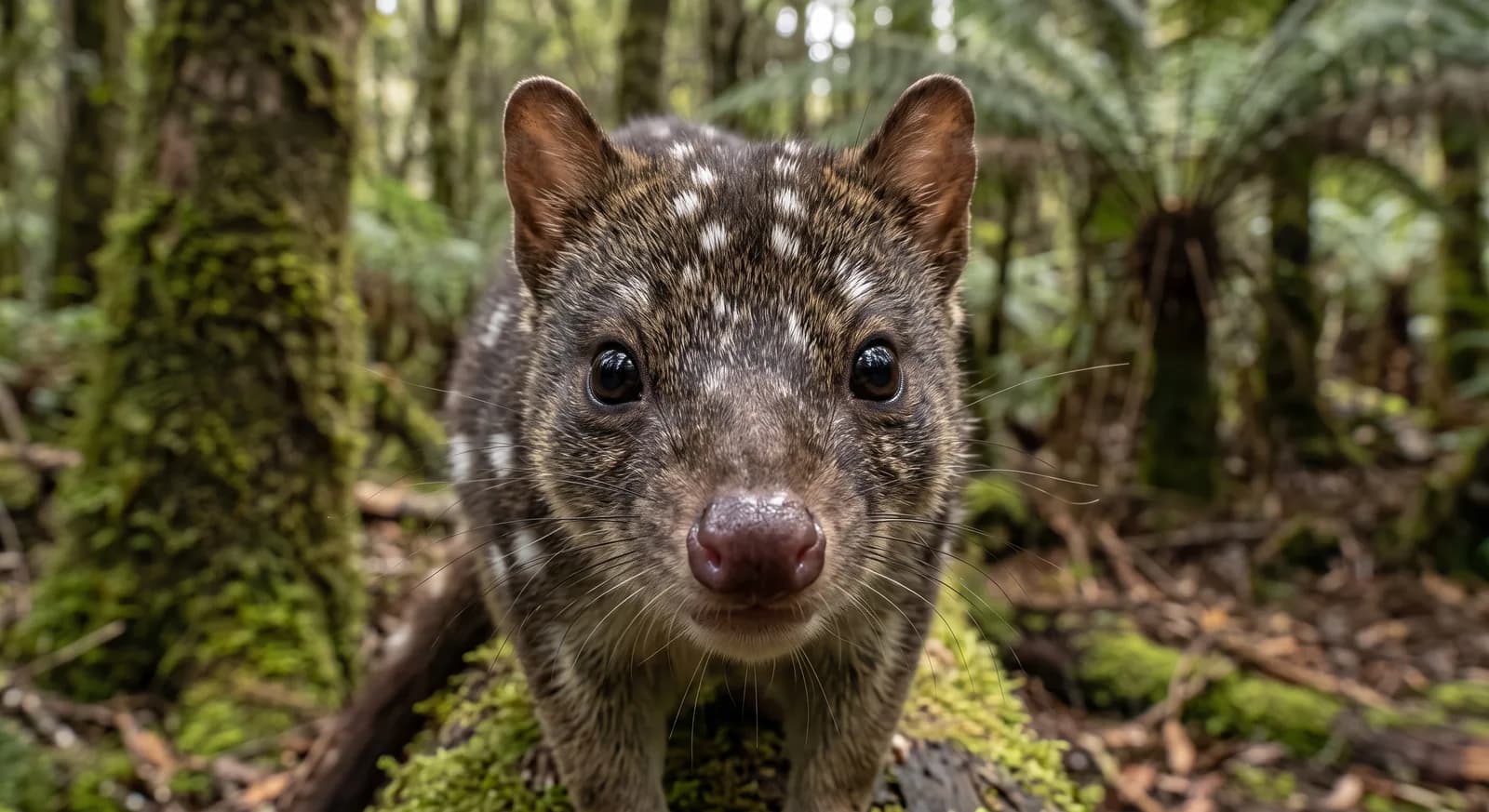 Near Threatened
Spotted-tailed Quoll
Dasyurus maculatus
Short-beaked Echidna
Tachyglossus aculeatus
Long-nosed Bandicoot
Perameles nasuta
Southern Brown Bandicoot
Isoodon obesulus
Common Brush-tailed Possum
Trichosurus vulpecula
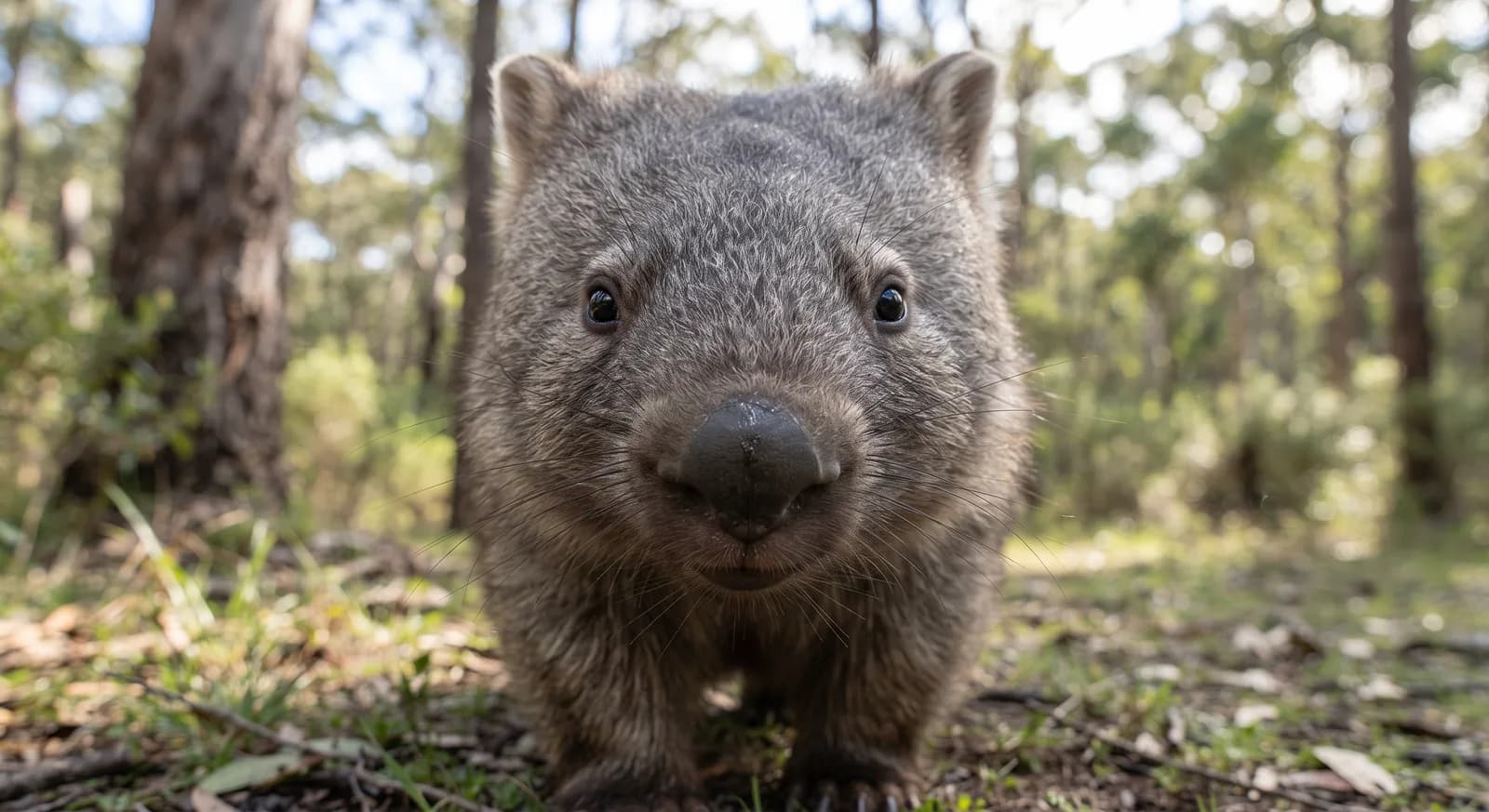 Least Concern
Bare-nosed Wombat
Vombatus ursinus
Keep exploring
Based on what we already know about brown antechinus.
Comments
Share an experience, a fun fact or a tip for seeing the brown antechinus.
Be the first to comment.