One of the 4 gibbons on WAnimals
Mammals · Primates · Hylobatidae
Northern White-cheeked Gibbon
Nomascus leucogenys
It faces an extremely high risk of imminent extinction in the wild. See full glossary
The northern white-cheeked gibbon is one of the most threatened primates in Asia. The males are black with two striking white cheek patches, and the females a tawny gold with a dark cap. All the young are born the colour of their mother, turn black at around a year old, and the females return to gold at puberty. It has disappeared from China and survives in a few forests of northern Vietnam and Laos.
Weight
5.6 kg – 8 kg
Size
45 cm – 63 cm
Lifespan
28 years
Diet
Herbivore
Feeds mainly on plants.
Activity
Diurnal
Active mainly during the day.
Social structure
In pairs
Usually lives in pairs, sometimes for life.
Sighting difficulty
Very hard
Fun facts
- GeneralThe pairs sing coordinated duets that mark out their territory.
- It changes colour twice in its life: the young are born gold like their mother, within a few months they turn black like the father, and at puberty the females return to gold while the males stay black.
- It is considered extinct in China: what was its northernmost population disappeared in recent decades and today the species survives only in fragments of Vietnam and Laos.
Life cycle & biology
- Skeleton type
- Vertebrate - internal bony skeleton (mammal)
- Habitat & environment
- Canopy of evergreen montane rainforest of northern Vietnam and Laos
- Sexual maturity
- 8.4 years
- Gestation / incubation
- 6.8 months
- Litter / clutch size
- 1
Sources consulted: https://en.wikipedia.org/wiki/Northern_white-cheeked_gibbon
Where to watch it
Parks and dive sites where this species has been documented.
Related species
Other species in the catalogue with the most in common with Northern White-cheeked Gibbon — same habitat, park, country, tags or family.
Pileated Gibbon
Hylobates pileatus
Agile Gibbon
Hylobates agilis
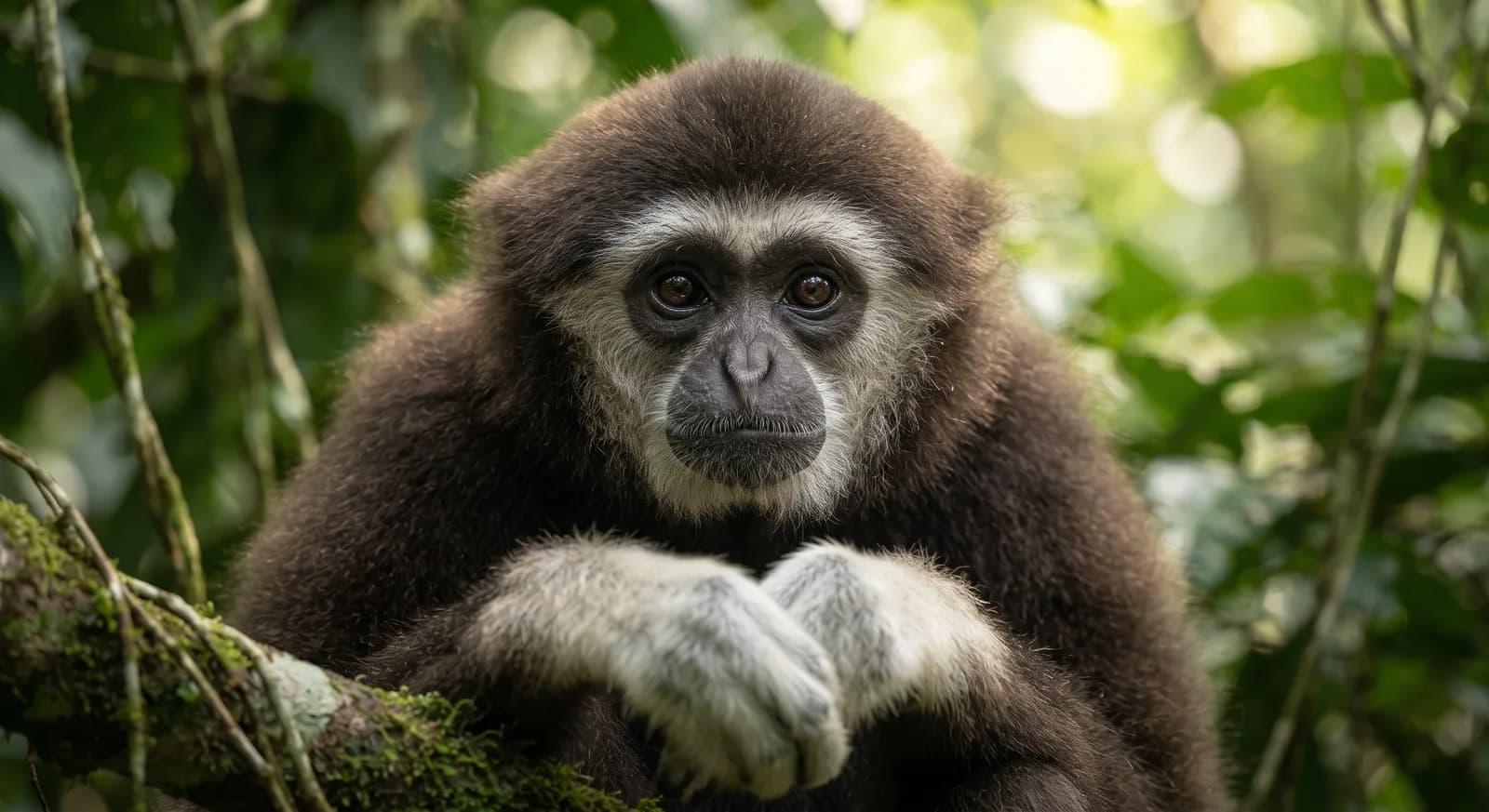 Endangered
Lar Gibbon
Hylobates lar
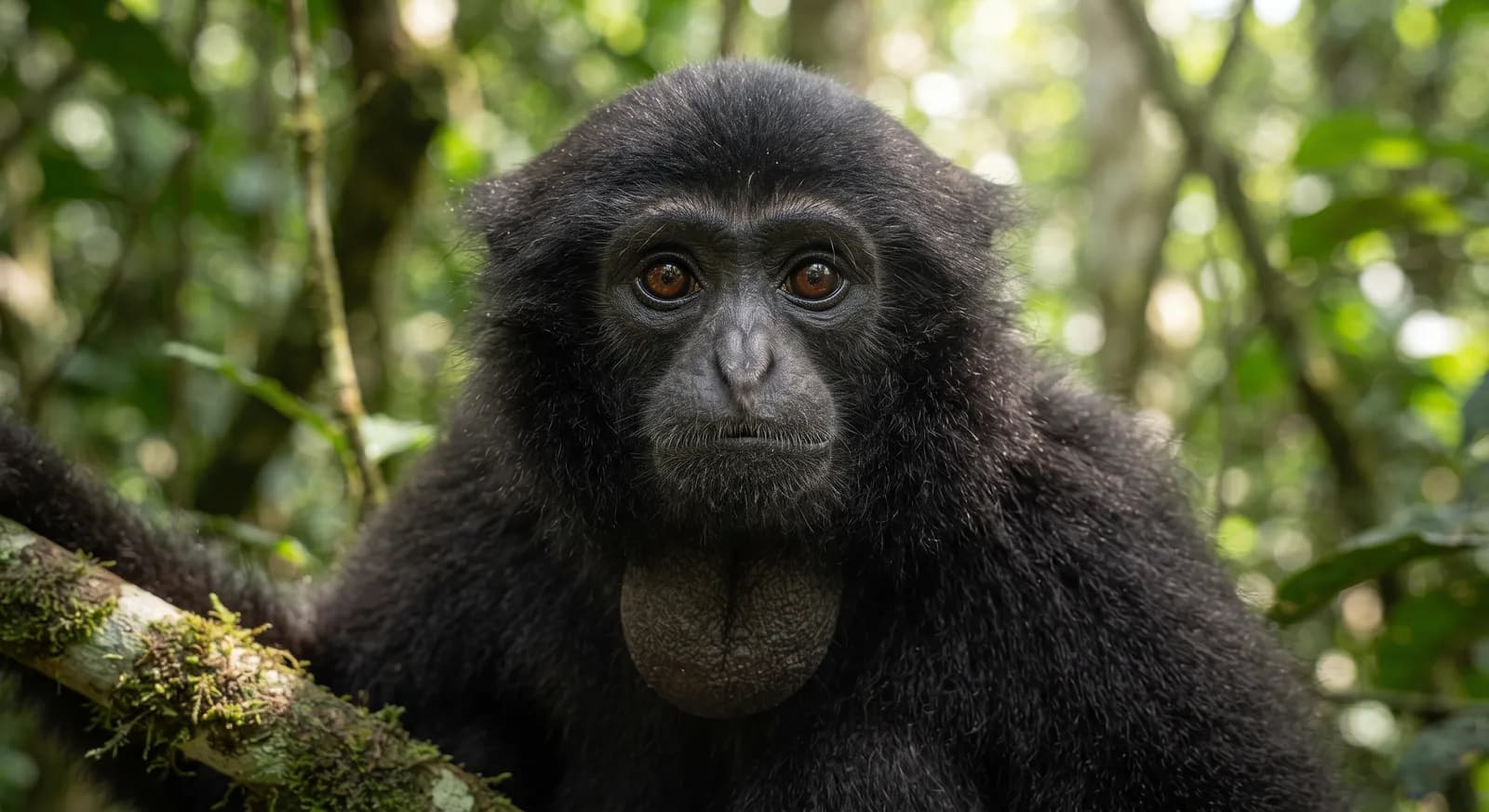 Endangered
Siamang
Symphalangus syndactylus
Sunda Pangolin
Manis javanica
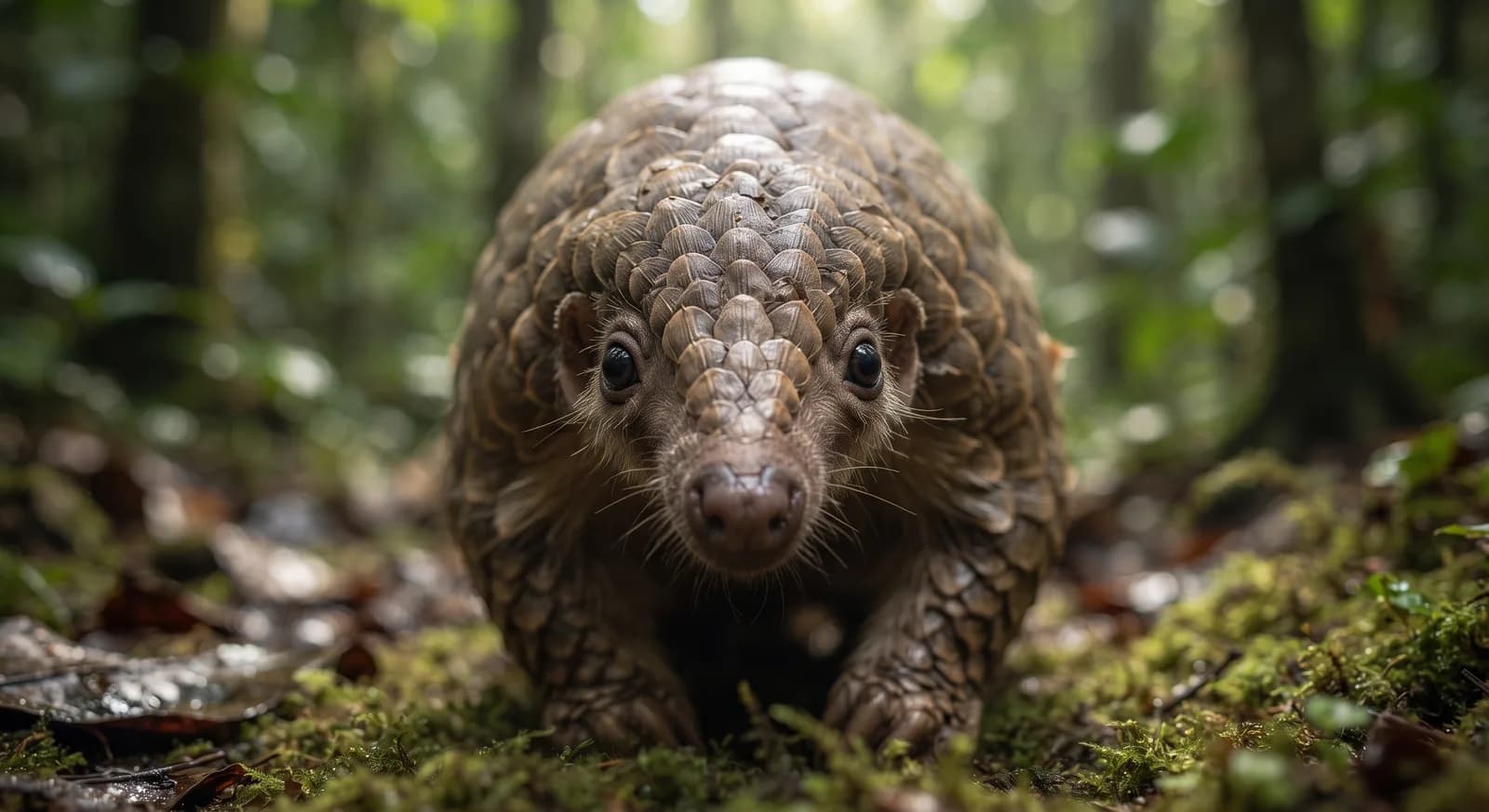 Critically Endangered
Chinese Pangolin
Manis pentadactyla
How to help
The northern white-cheeked gibbon is classified as critically endangered. Organizations such as UICN, WWF y Wildlife Conservation Society work specifically on its conservation and that of its habitat; looking into their programs is a good starting point if you want to get involved.
Keep exploring
Based on what we already know about northern white-cheeked gibbon.
Comments
Share an experience, a fun fact or a tip for seeing the northern white-cheeked gibbon.
Be the first to comment.