One of the 4 gibbons on WAnimals
Mammals · Primates · Hylobatidae
Agile Gibbon
Hylobates agilis
It faces a very high risk of extinction in the wild in the near future. See full glossary
The agile gibbon is a small ape of South-East Asia that lives almost entirely in the forest canopy. It moves by brachiation, swinging from branch to branch by its arms, and its anatomy is so specialised for that movement that on the ground it walks upright with its arms raised for balance. It forms stable pairs that occupy and defend a territory, accompanied by their young. It is a fruit eater, with a preference for ripe figs, and plays an important part as a seed disperser.
Weight
4 kg – 6.5 kg
Size
44 cm – 64 cm
Lifespan
35 years
Diet
Herbivore
Feeds mainly on plants.
Activity
Diurnal
Active mainly during the day.
Social structure
In pairs
Usually lives in pairs, sometimes for life.
Sighting difficulty
Hard
Fun facts
- Every morning the pair sings a duet: the female begins a very powerful rising sequence and the male answers with his own phrase, a ritual that advertises the territory and reinforces the bond.
- In a single swing it can cover three metres between branches, and its shoulders have a ball-and-socket joint that lets it rotate the arm almost fully.
Life cycle & biology
- Skeleton type
- Vertebrate - internal bony skeleton (mammal)
- Habitat & environment
- The canopy of primary lowland and montane tropical forest in Sumatra and the Malay Peninsula
- Sexual maturity
- 7.8 years
- Gestation / incubation
- 7.1 months
- Litter / clutch size
- 1
Sources consulted: https://es.wikipedia.org/wiki/Hylobates_agilis
Where to find it
See its range on the interactive mapWhere to watch it
Parks and dive sites where this species has been documented.
Related species
Other species in the catalogue with the most in common with Agile Gibbon — same habitat, park, country, tags or family.
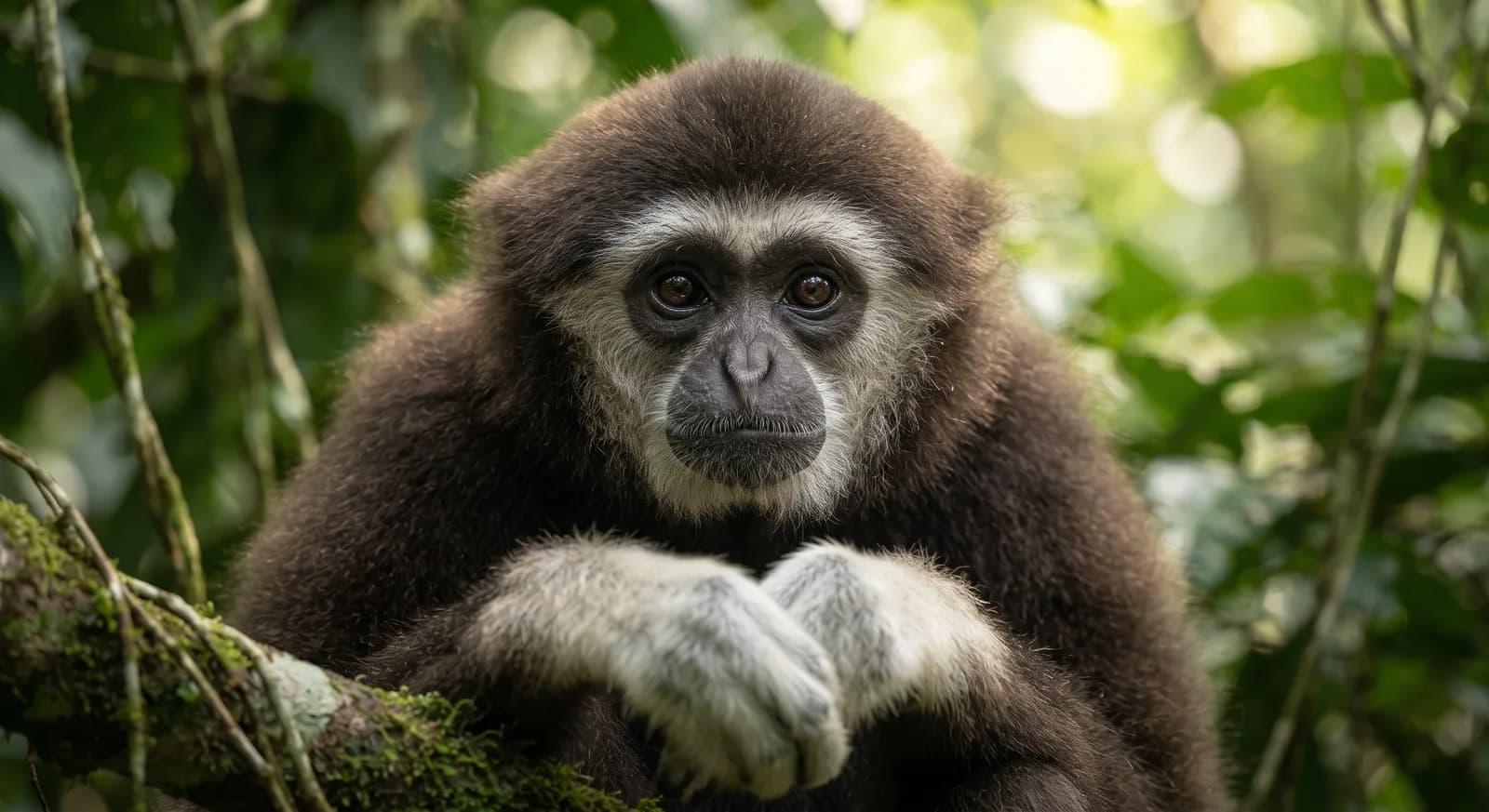 Endangered
Lar Gibbon
Hylobates lar
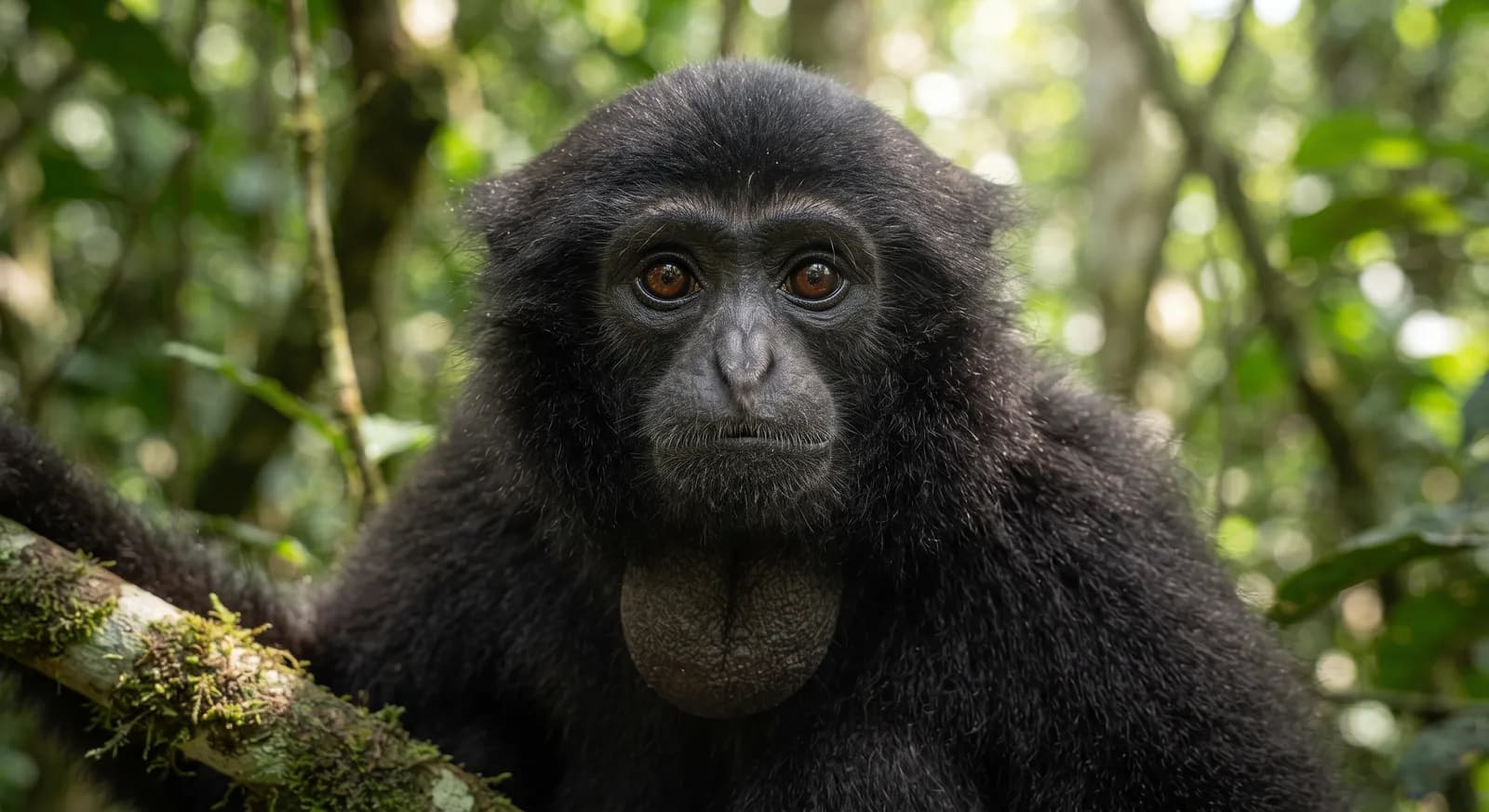 Endangered
Siamang
Symphalangus syndactylus
Pileated Gibbon
Hylobates pileatus
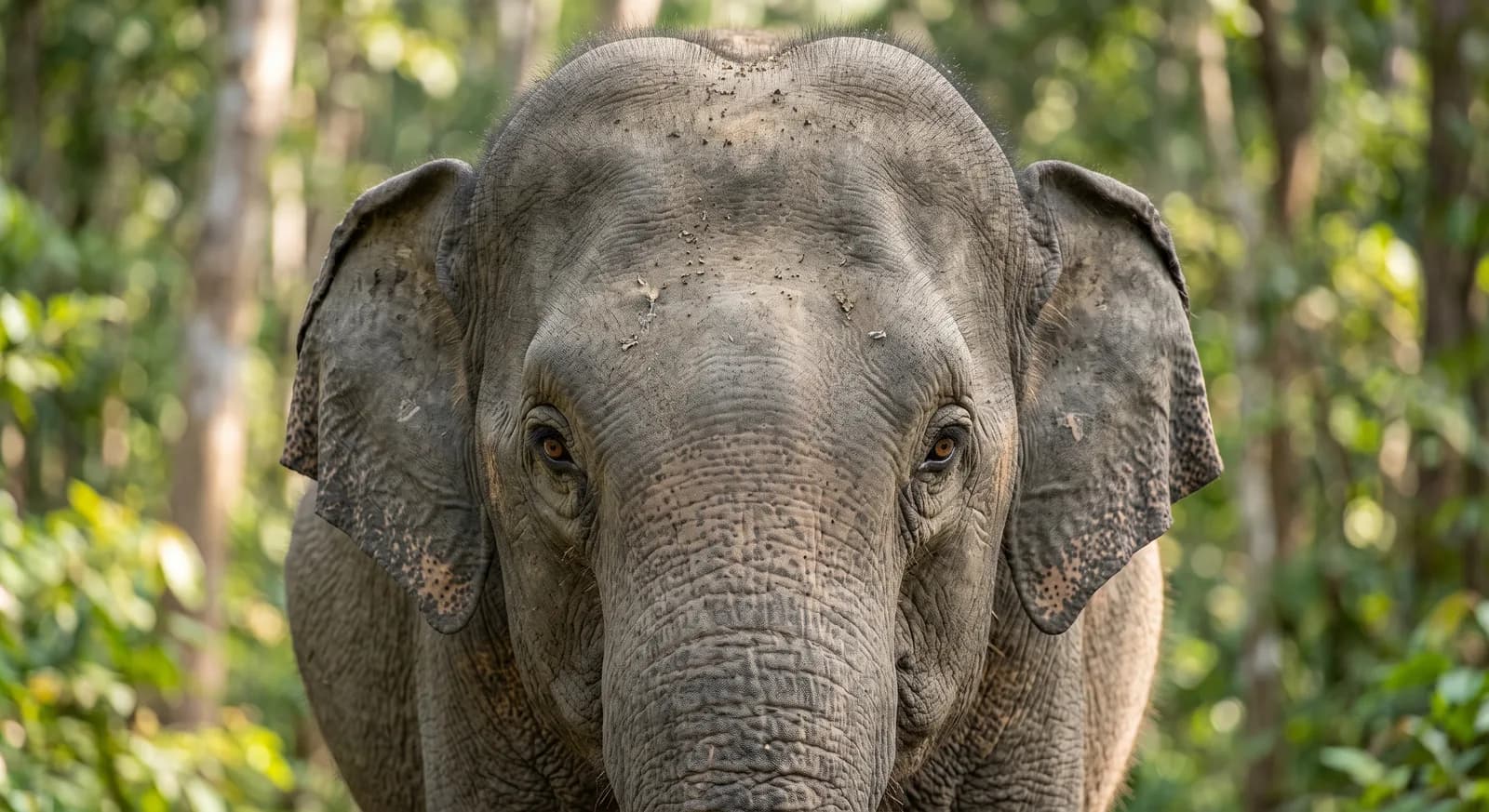 Endangered
Asian Elephant
Elephas maximus
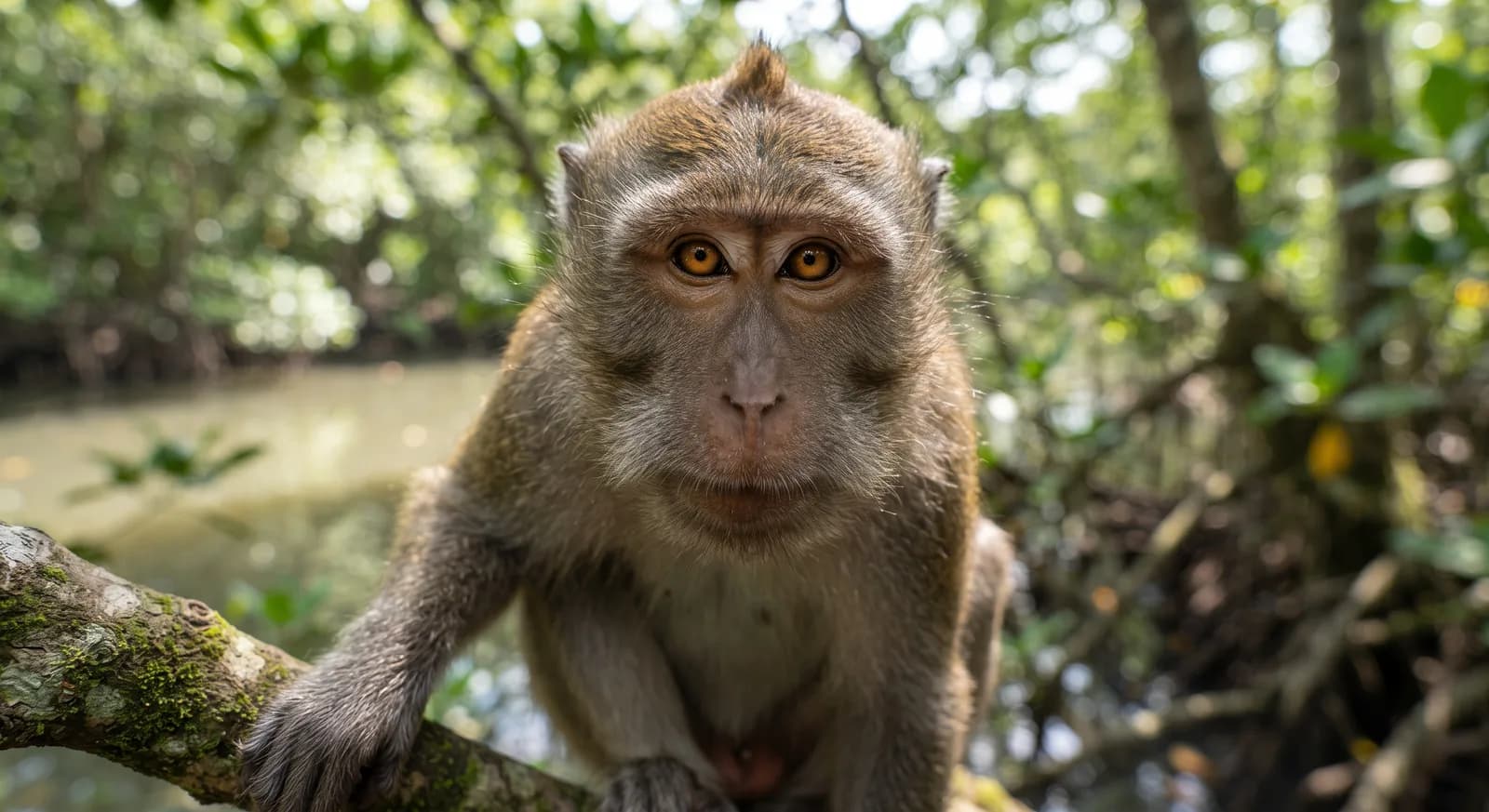 Endangered
Long-tailed Macaque
Macaca fascicularis
 Endangered
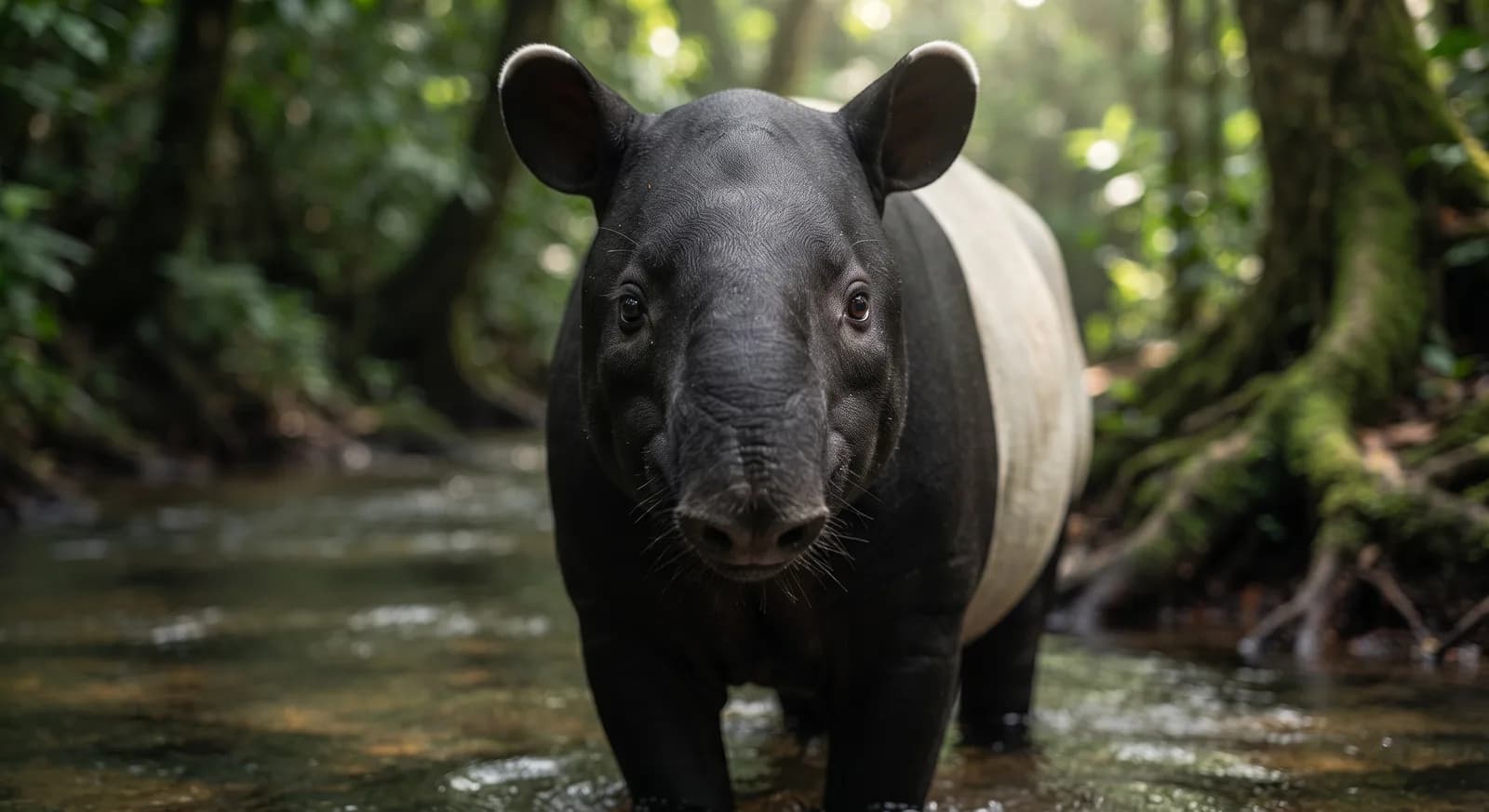
Malayan Tapir
Tapirus indicus
How to help
The agile gibbon is classified as endangered. Organizations such as UICN, WWF y Wildlife Conservation Society work specifically on its conservation and that of its habitat; looking into their programs is a good starting point if you want to get involved.
It's documented in 7 real protected areas — part of why protecting these places matters for its conservation.
Keep exploring
Based on what we already know about agile gibbon.
Comments
Share an experience, a fun fact or a tip for seeing the agile gibbon.
Be the first to comment.