Birds · Galliformes · Phasianidae
Great Argus
Argusianus argus
It faces a high risk of extinction in the wild over the medium term. See full glossary
The great argus is a pheasant of South-East Asia whose male has the longest secondary wing feathers of any bird, covered in a series of ocelli that produce a three-dimensional optical illusion. To display, it clears a patch on the forest floor, keeps it clear for years and calls females with an extremely powerful cry. When one comes, it spreads its wings into an enormous fan facing her.
Weight
1.6 kg – 2.7 kg
Size
75 cm – 2 m
Lifespan
15 years
Diet
Omnivore
Combines animal and plant food depending on availability.
Activity
Diurnal
Active mainly during the day.
Social structure
Solitary
Lives and hunts alone, joining others only to breed.
Sighting difficulty
Moderate
Fun facts
- The ocelli on its wings produce an illusion of three-dimensional spheres thanks to the shading of the pattern, a detail that fascinated Darwin and that he used as an argument about the power of sexual selection in The Descent of Man.
- The male keeps a patch of forest floor clear for years, removing every leaf and every twig, and from there he calls with a cry that carries more than a kilometre through the vegetation.
Life cycle & biology
- Skeleton type
- Vertebrate - internal bony skeleton (bird)
- Habitat & environment
- Primary lowland rainforest and hill forest of the Malay Peninsula, Sumatra and Borneo
- Sexual maturity
- 3 years
- Gestation / incubation
- 25 days of incubation
- Litter / clutch size
- 2 eggs
Sources consulted: https://es.wikipedia.org/wiki/Argusianus_argus
Where to find it
See its range on the interactive mapWhere to watch it
Parques y spots de buceo donde se ha documentado esta especie — se muestran 10 de 18 documentados.
Related species
Other species in the catalogue with the most in common with Great Argus — same habitat, park, country, tags or family.
Green Peafowl
Pavo muticus
 Vulnerable
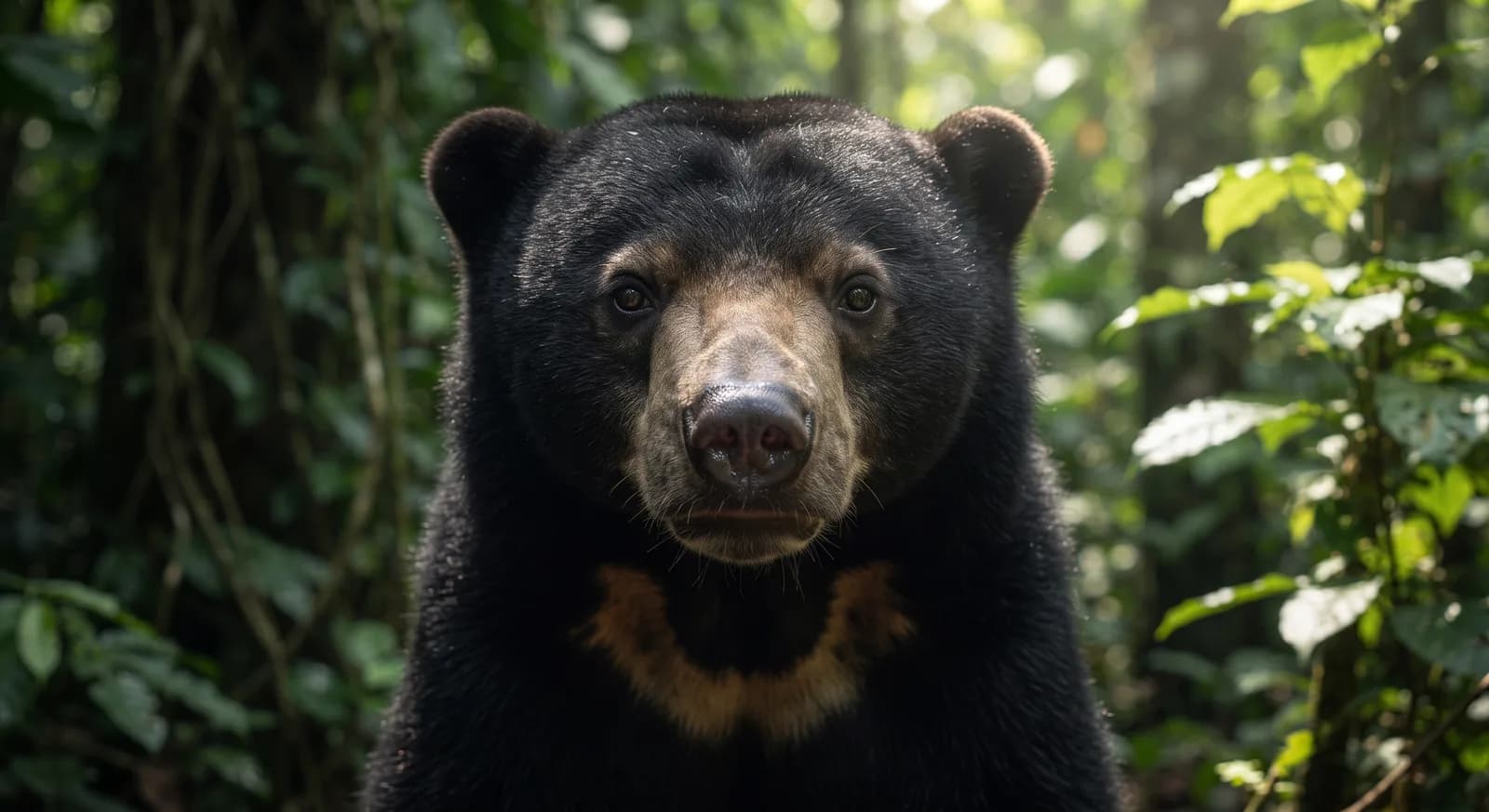
Sun Bear
Helarctos malayanus
 Vulnerable
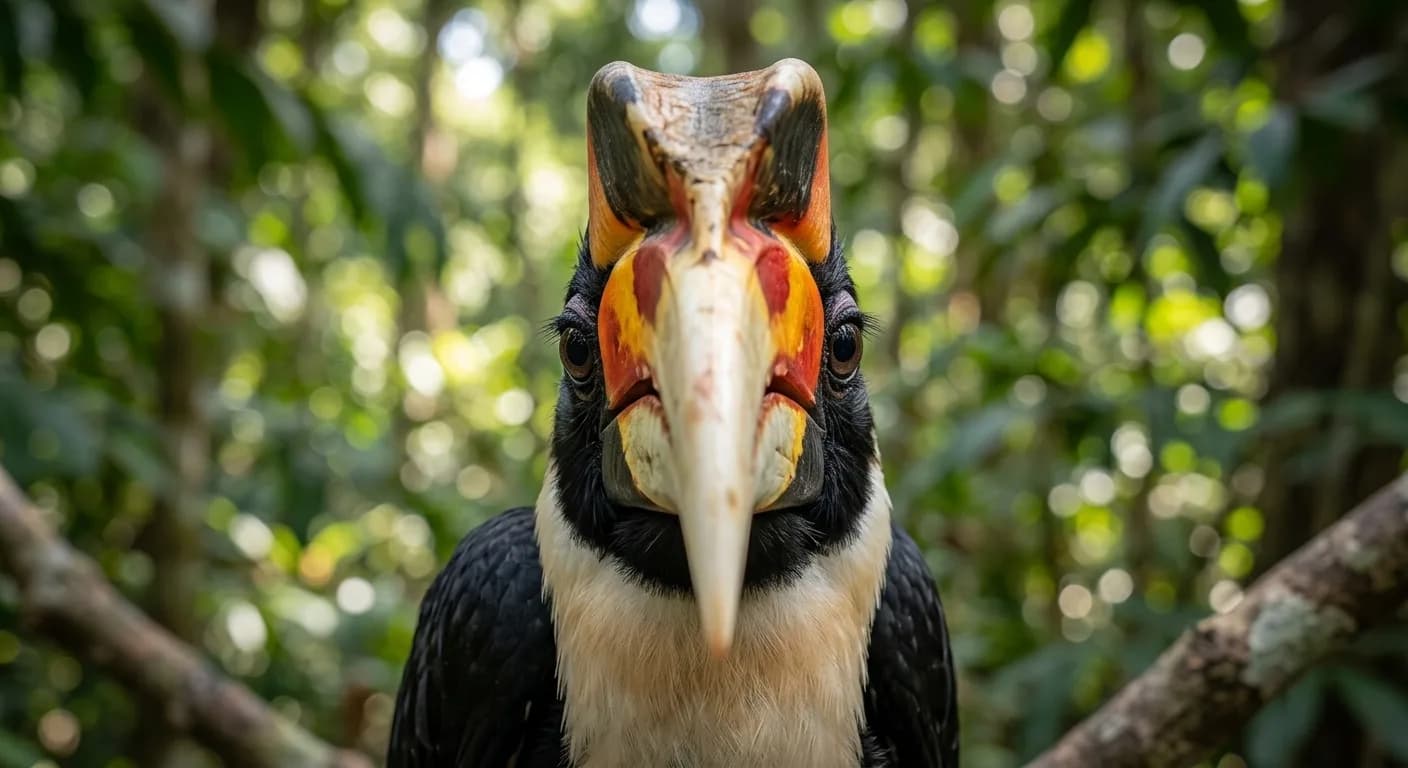
Rhinoceros Hornbill
Buceros rhinoceros
King Cobra
Ophiophagus hannah
 Vulnerable
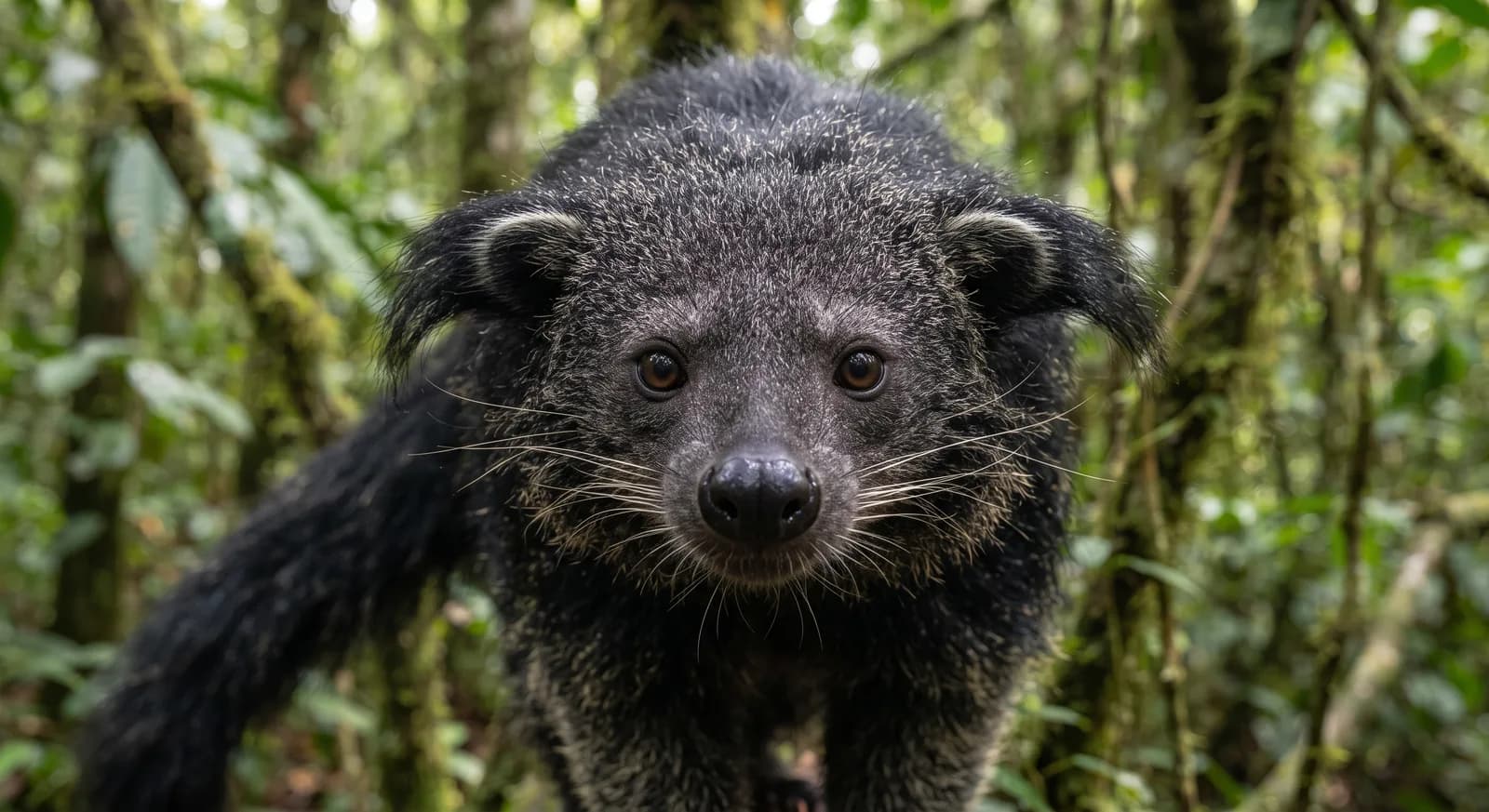
Binturong
Arctictis binturong
Chinese Water Dragon
Physignathus cocincinus
How to help
The great argus is classified as vulnerable. Organizations such as UICN, WWF y Wildlife Conservation Society work specifically on its conservation and that of its habitat; looking into their programs is a good starting point if you want to get involved.
It's documented in 9 real protected areas — part of why protecting these places matters for its conservation.
Keep exploring
Based on what we already know about great argus.
Comments
Share an experience, a fun fact or a tip for seeing the great argus.
Be the first to comment.