One of the 8 hornbills on WAnimals
Birds · Bucerotiformes · Bucerotidae
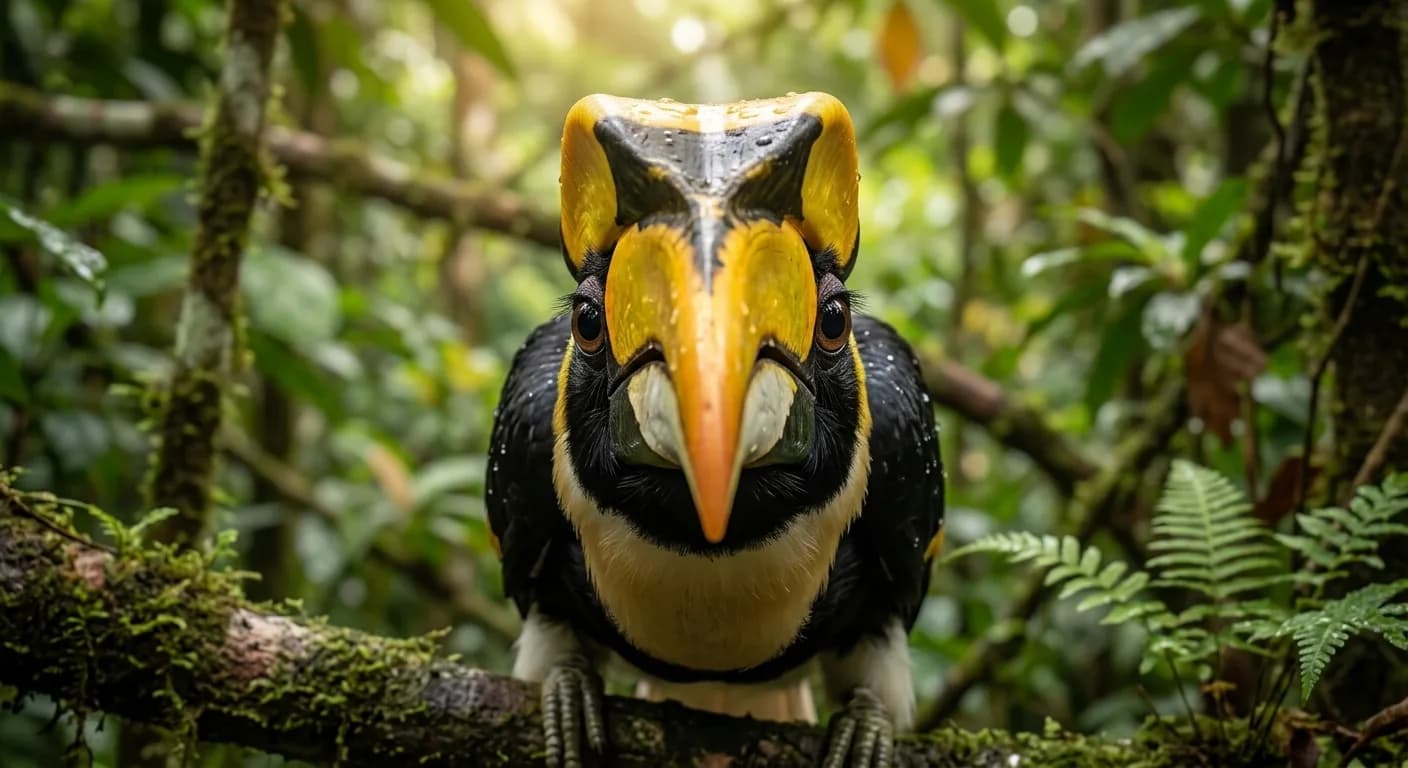
Great Hornbill
Buceros bicornis
It faces a high risk of extinction in the wild over the medium term. See full glossary
The great hornbill is a bucerotiform bird of the family Bucerotidae, unmistakable in appearance, that lives in the forests between north-eastern India, Indochina and the Malay Peninsula, and on the island of Sumatra. No subspecies are recognised.
Weight
2.8 kg on average
Size
95 cm – 1.3 m
Lifespan
35 years
Diet
Herbivore
Feeds mainly on plants.
Activity
Diurnal
Active mainly during the day.
Social structure
In pairs
Usually lives in pairs, sometimes for life.
Sighting difficulty
Moderate
Estimated population
Between 13,000 and 27,000 mature individuals (20,000-49,999 animals in total), declining
Fun facts
- GeneralThe male walls the female into a tree hollow with mud and feeds her for months.
- The female shuts herself inside a tree hollow and walls up the entrance with her own droppings, leaving only a slit through which the male feeds her throughout the incubation.
Life cycle & biology
- Skeleton type
- Vertebrate - internal bony skeleton (bird)
- Habitat & environment
- Primary lowland rainforest
- Gestation / incubation
- 38-40 days of incubation, with the female sealed inside the nest
- Litter / clutch size
- 1-2 eggs, two on average
- Lifespan in captivity
- Up to about 50 years in captivity
Sources consulted: https://es.wikipedia.org/wiki/Buceros_bicornis
Where to find it
See its range on the interactive mapBest time: From February to May, during the breeding season, when the male makes constant trips to the nest tree
Where to watch it
Parques y spots de buceo donde se ha documentado esta especie — se muestran 10 de 14 documentados.
Related species
Other species in the catalogue with the most in common with Great Hornbill — same habitat, park, country, tags or family.
 Vulnerable
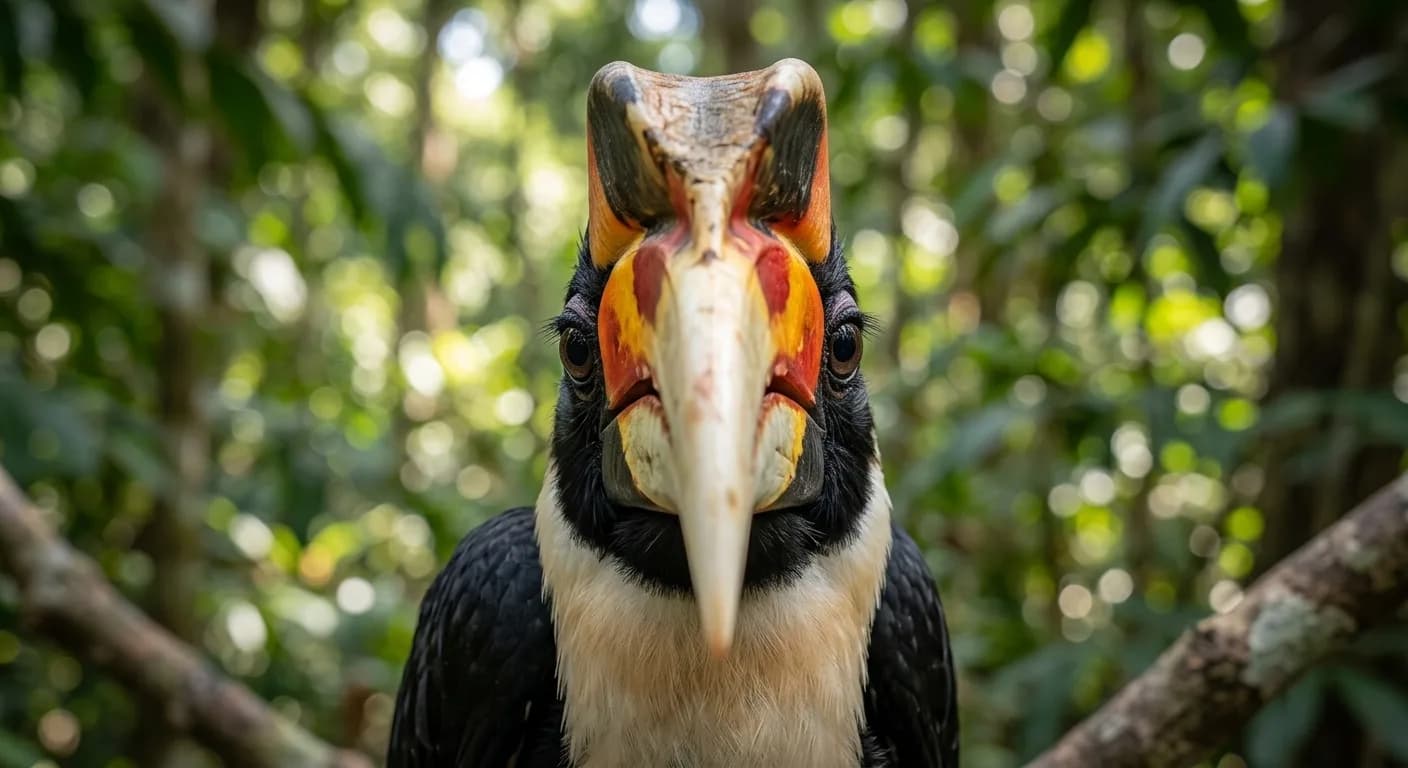
Rhinoceros Hornbill
Buceros rhinoceros
 Critically Endangered
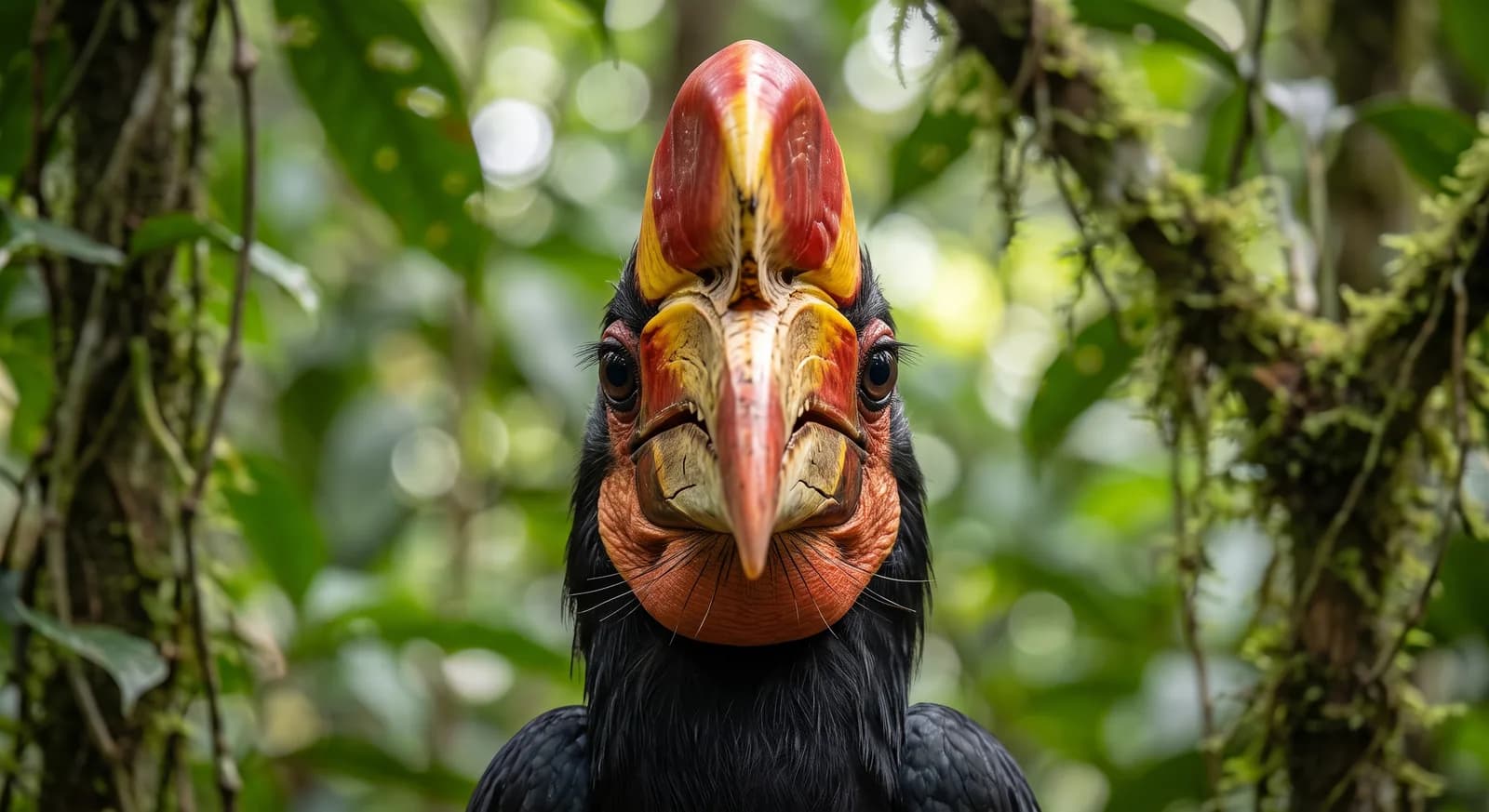
Helmeted Hornbill
Rhinoplax vigil
Great Argus
Argusianus argus
 Vulnerable
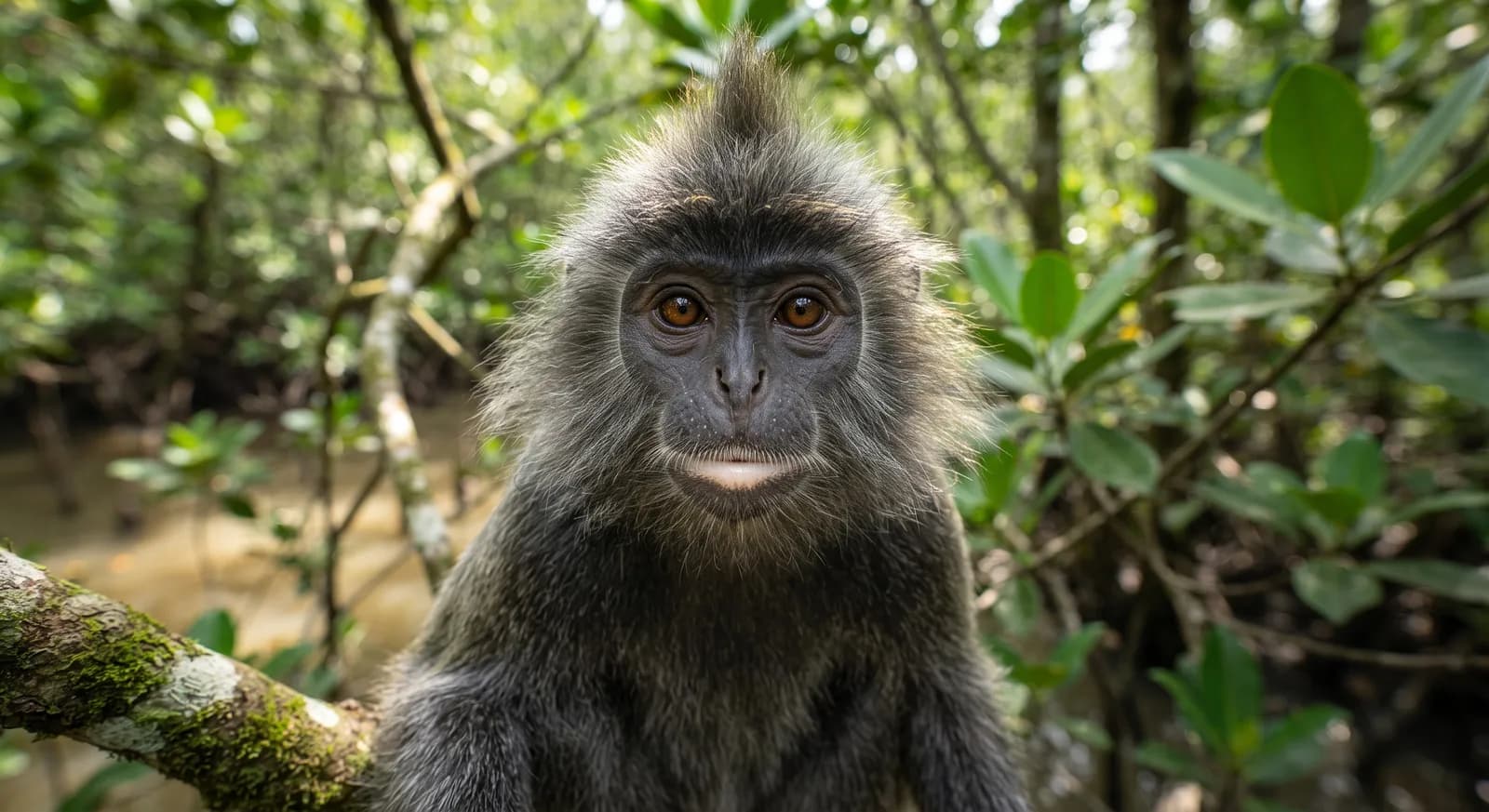
Silvery Lutung
Trachypithecus cristatus
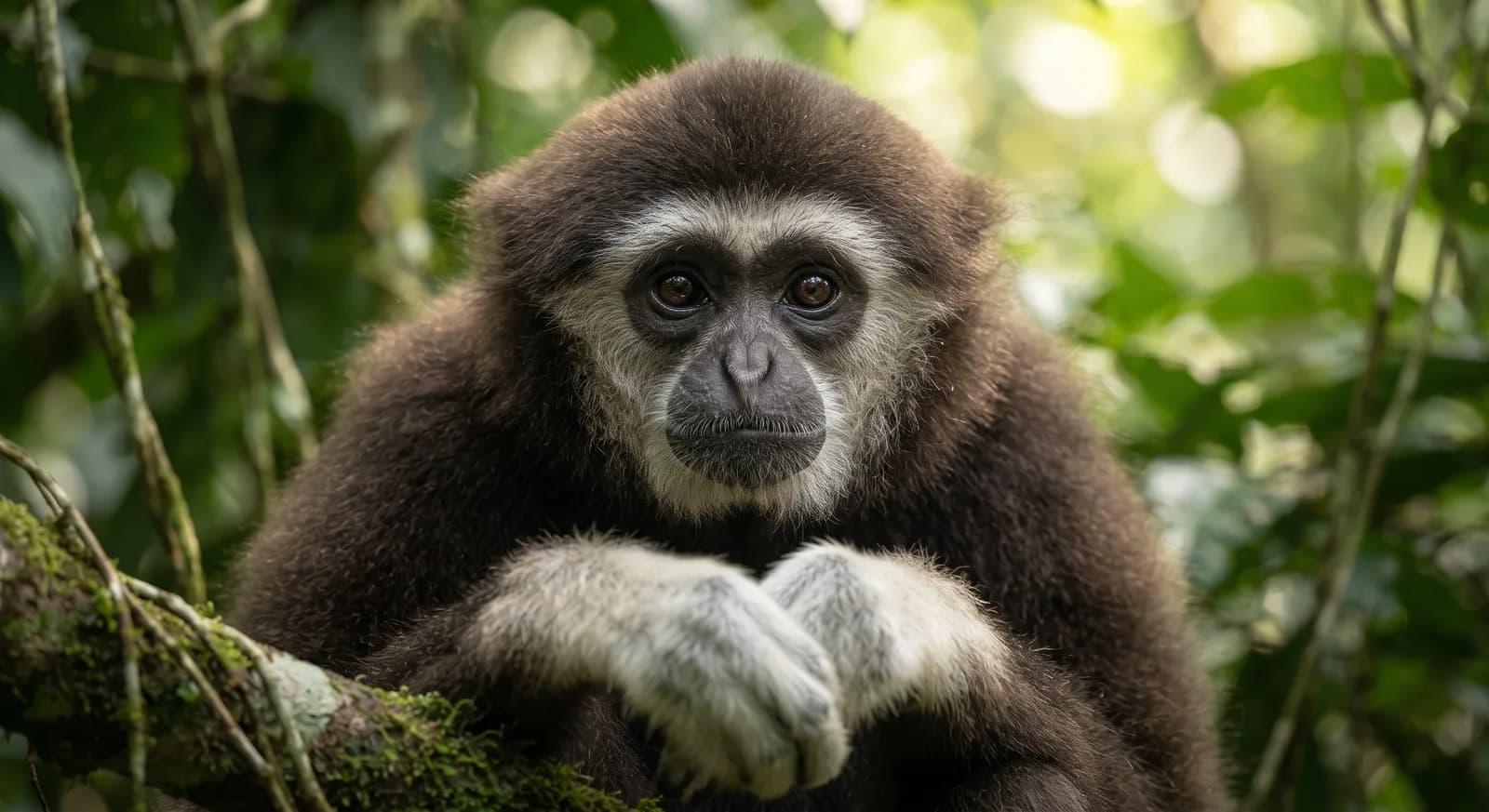 Endangered
Lar Gibbon
Hylobates lar
Chinese Hwamei
Garrulax canorus
How to help
The great hornbill is classified as vulnerable. Organizations such as UICN, WWF y Wildlife Conservation Society work specifically on its conservation and that of its habitat; looking into their programs is a good starting point if you want to get involved.
It's documented in 8 real protected areas — part of why protecting these places matters for its conservation.
Keep exploring
Based on what we already know about great hornbill.
Comments
Share an experience, a fun fact or a tip for seeing the great hornbill.
Be the first to comment.