Tambopata
One of the largest macaw clay licks in the world, with hundreds of birds gathering every day
Area
2,747 km²
Protection category
UICN VI
Área protegida con uso sostenible de recursos — what the IUCN categories mean
Declared in
1990
Region
Amazonia (Madre de Dios)
Climate
Tropical, Árido / desértico, Polar / frío, Montañoso
Best time
May to October
Length of its routes
3–5 days
Difficulty of its routes
Media
Plan your visit
- Best time
- May to October
- Length of its routes
- 3–5 days
- Difficulty of its routes
- Media
- Area
- 2,747 km²
Highlight
One of the largest macaw clay licks in the world, with hundreds of birds gathering every day
Declared in 1990, it protects a stretch of southern Peruvian Amazon celebrated for its colpas, exposed clay banks along the rivers where hundreds of macaws and parrots gather at dawn each day to eat minerals that neutralise the toxins in the wild seeds they feed on — a vivid natural spectacle that draws birdwatchers from around the world. The reserve forms part of a transboundary conservation corridor alongside neighbouring Bahuaja-Sonene National Park and protected areas in Bolivia, supporting one of the greatest concentrations of biodiversity per unit area documented on the planet.
Location
See on the interactive map92 species documented in Tambopata
At conservation risk:Delfín rosado del Amazonas,Mono araña negro (mono araña de Guyana),Nutria gigante,Oso hormiguero gigante,Pecarí labiado,Tapir amazónico,Águila poma,Guacamayo militar,Mono araña negro de Perú,Tití pigmeo,Tortuga arrau,Vencejo de chimeneaand 1 more
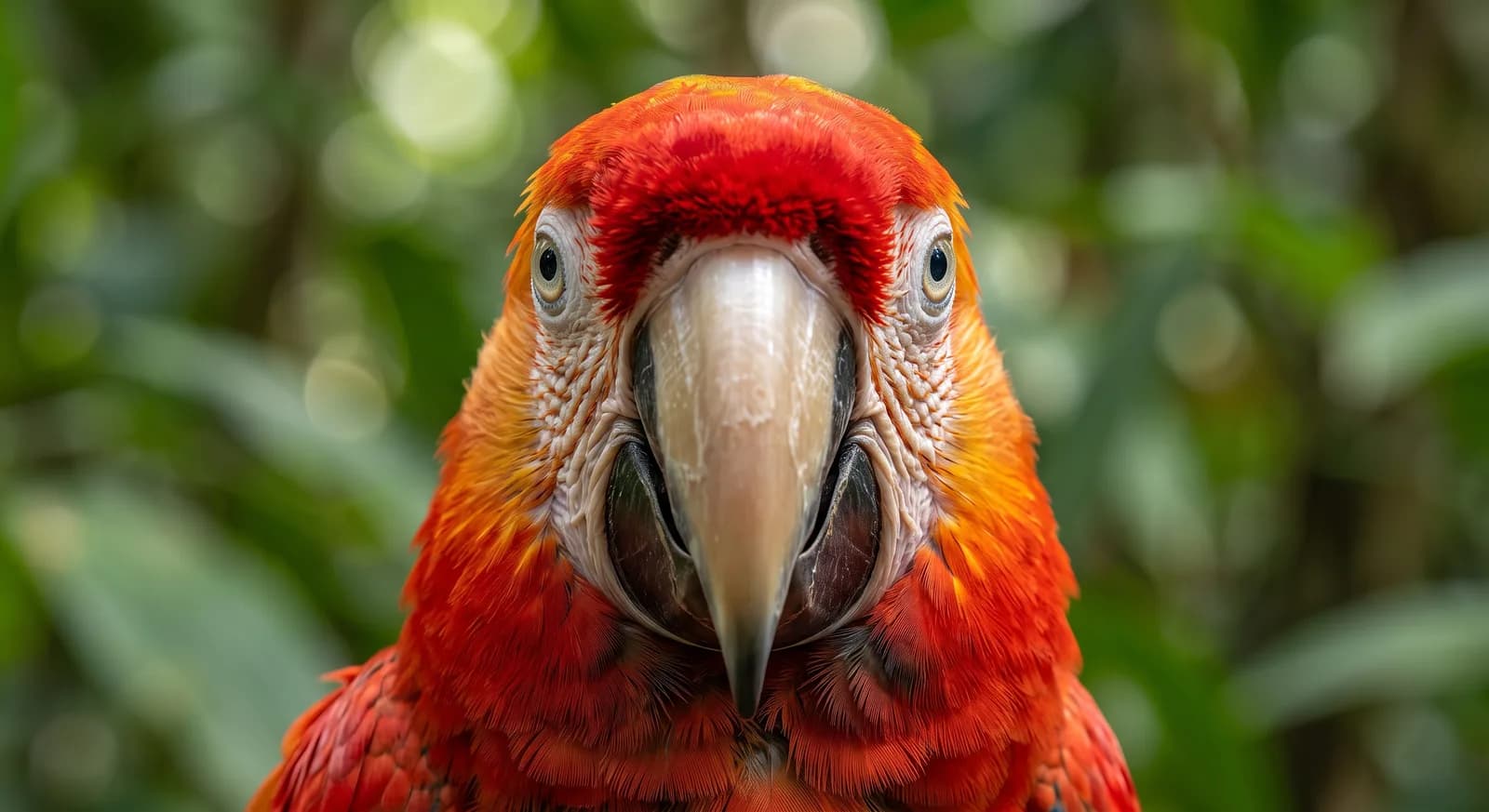 Least Concern
Guacamayo rojo
Ara macao
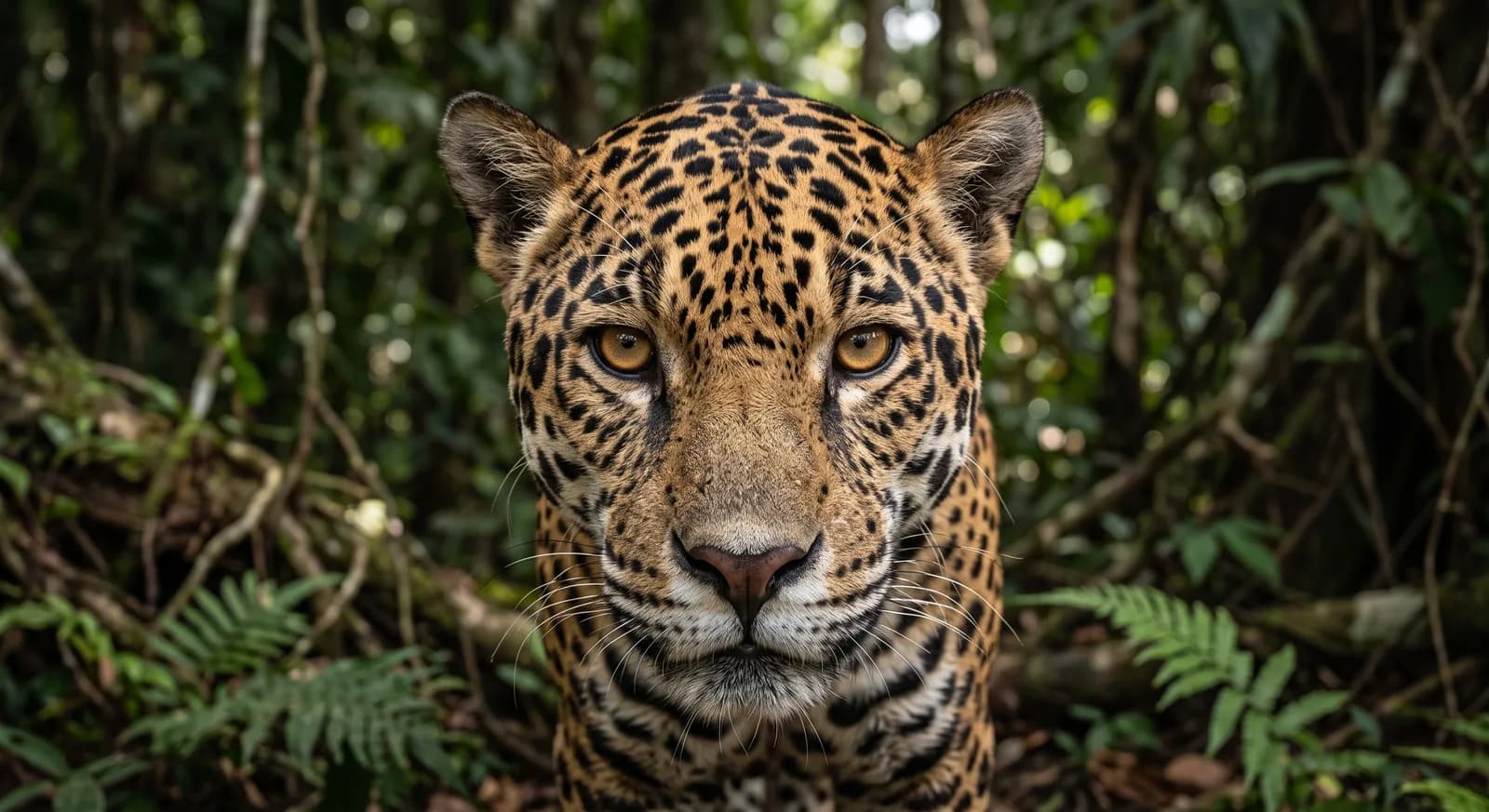 Near Threatened
Jaguar
Panthera onca
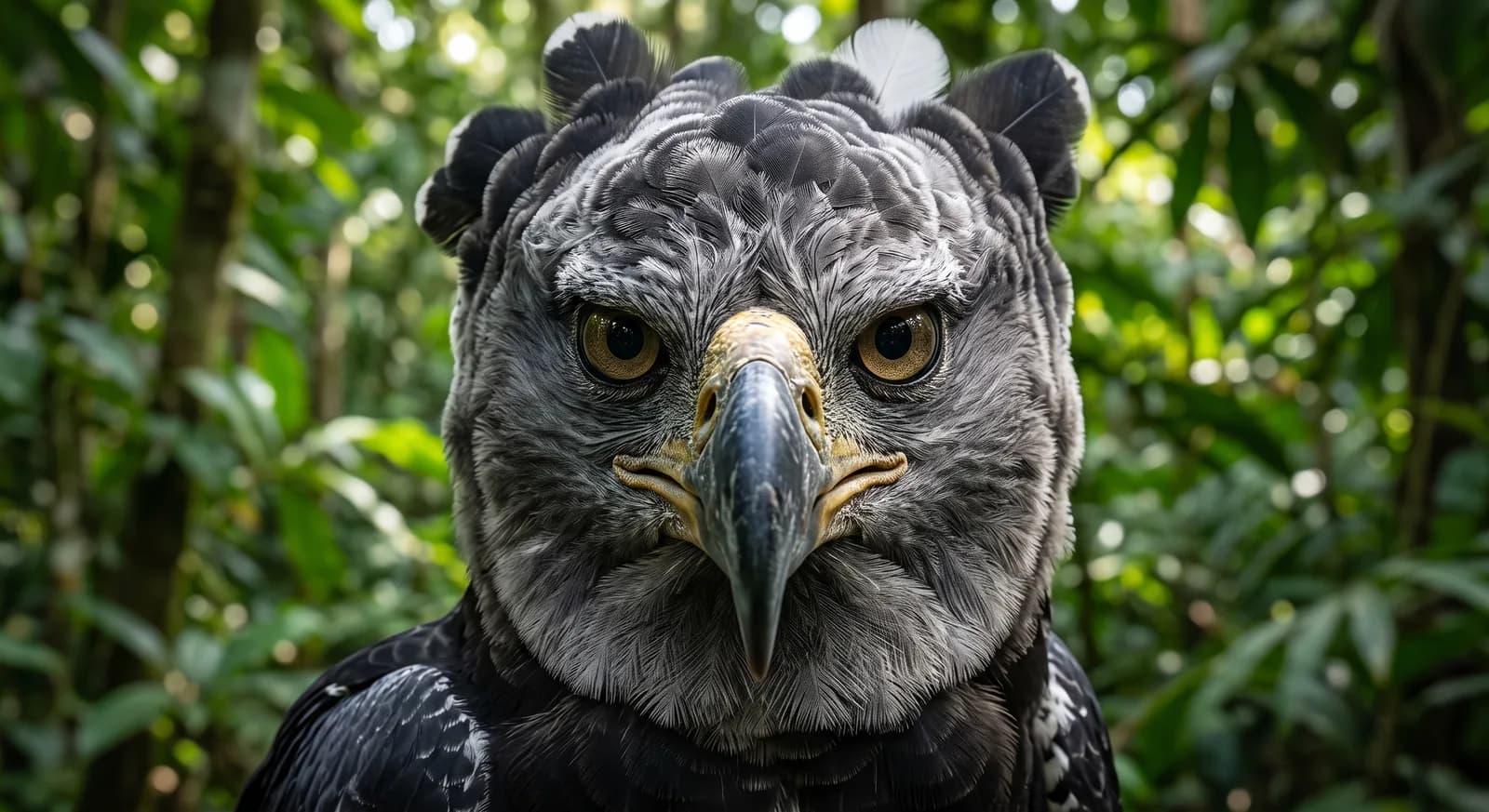 Near Threatened
Águila harpía
Harpia harpyja
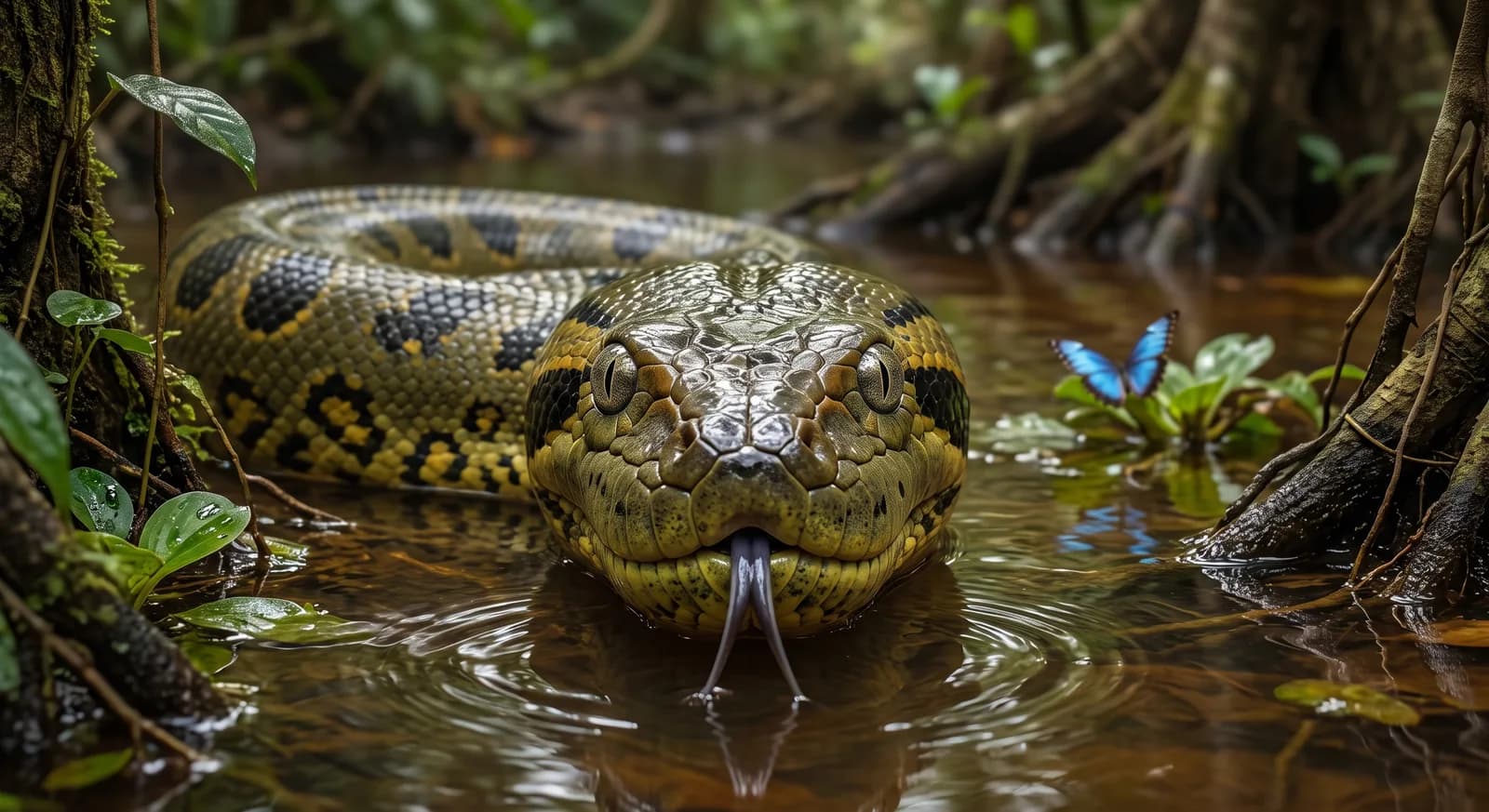 Least Concern
Anaconda verde
Eunectes murinus
 Least Concern
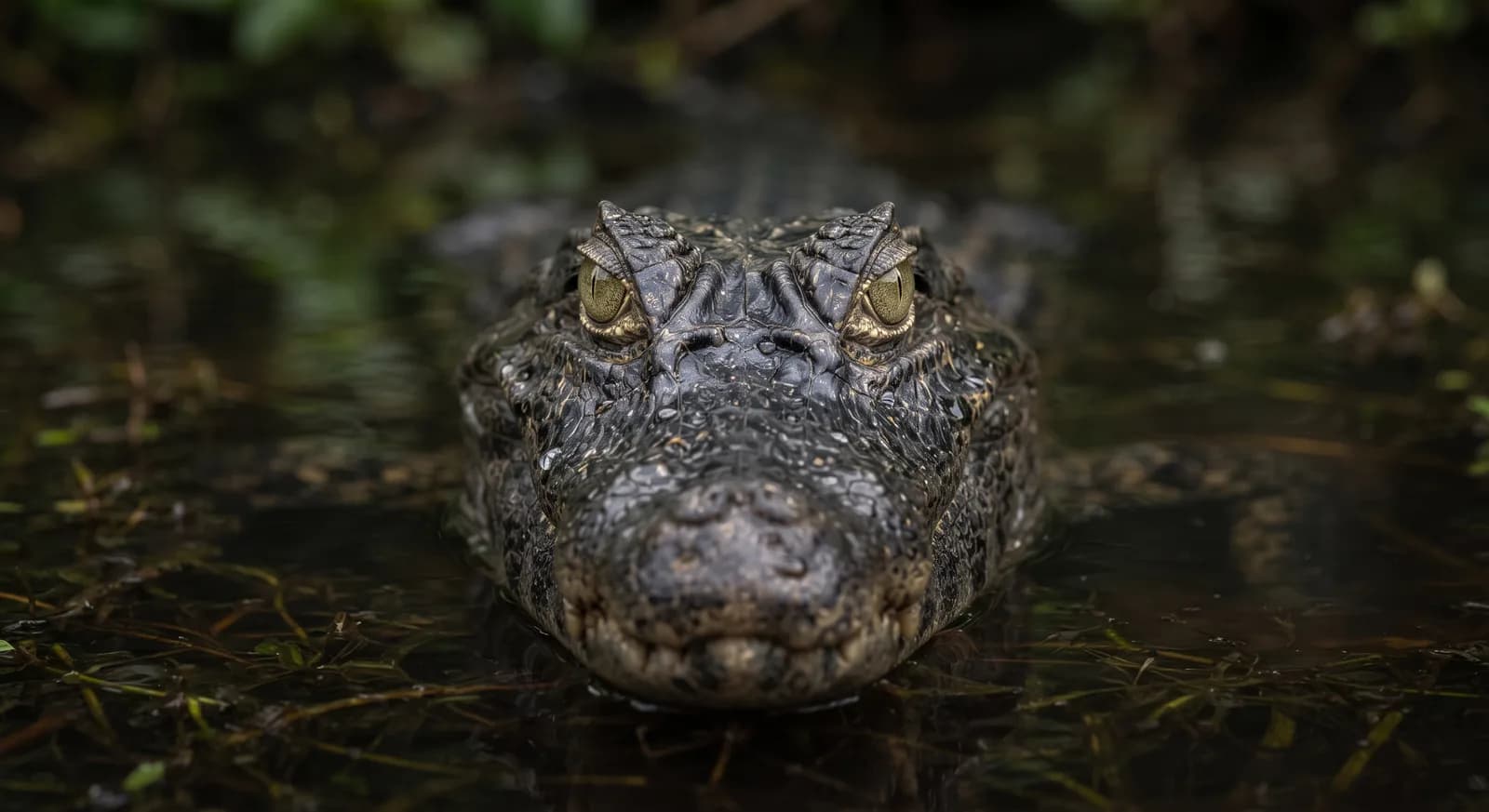
Caimán negro
Melanosuchus niger
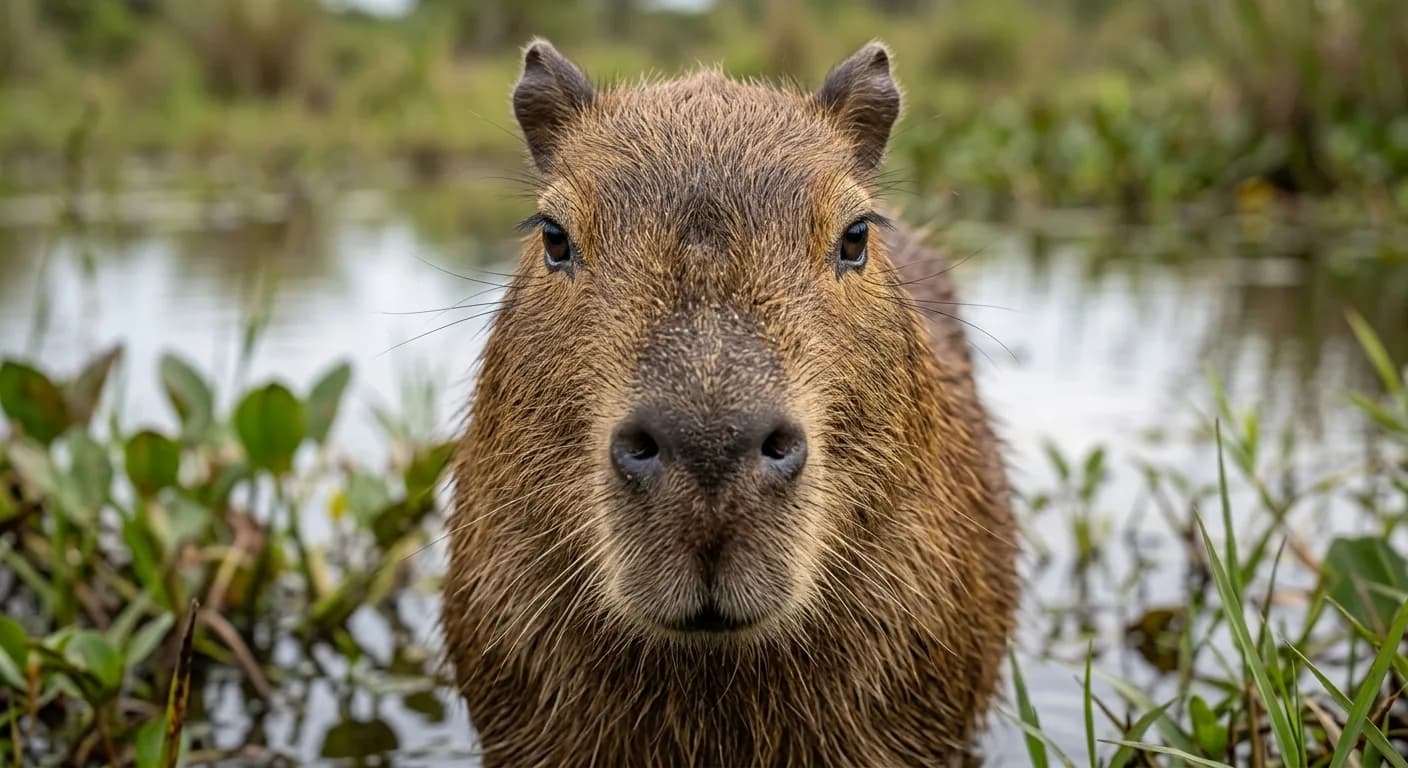 Least Concern
Capibara
Hydrochoerus hydrochaeris
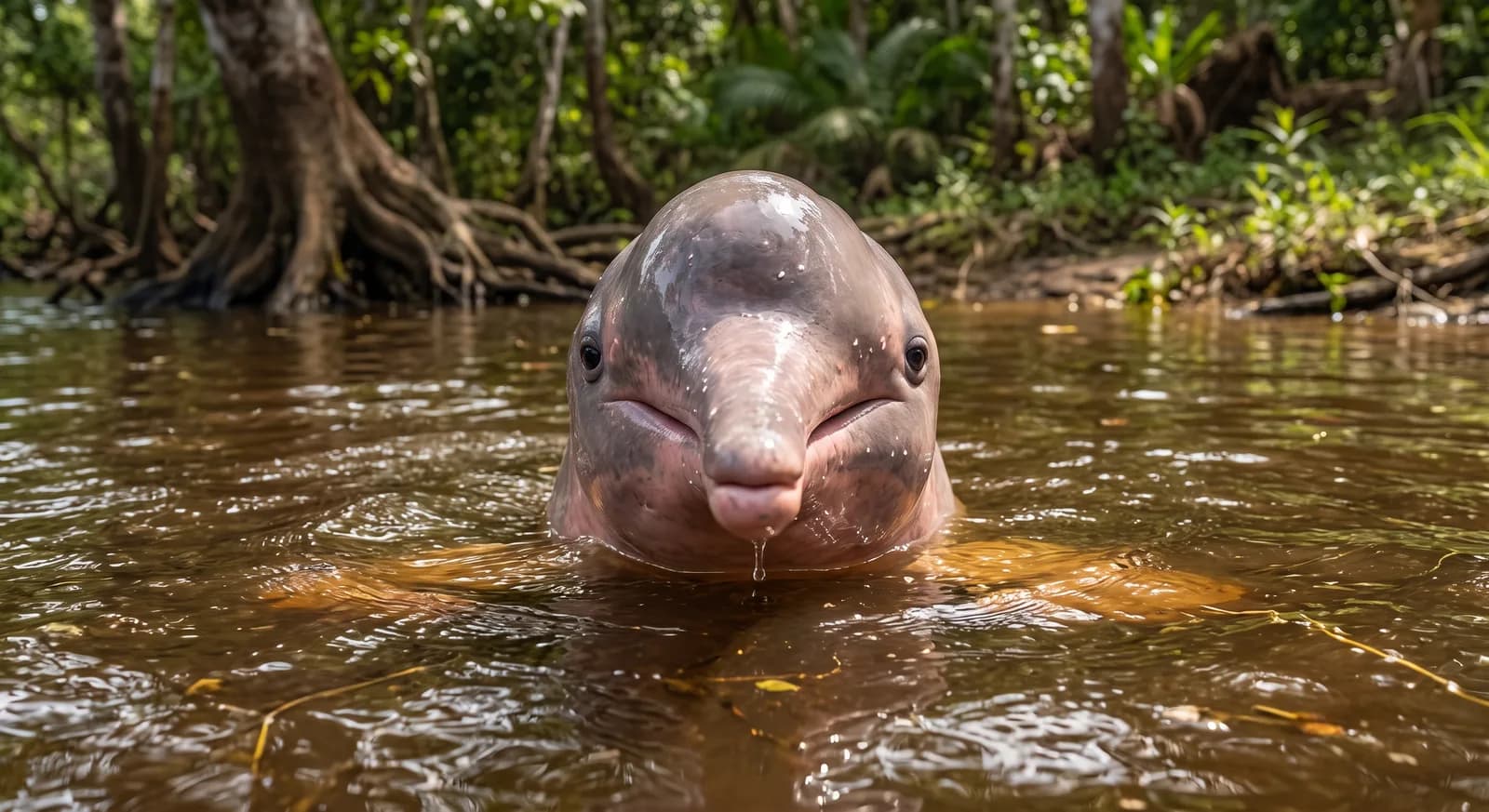 Endangered
Delfín rosado del Amazonas
Inia geoffrensis
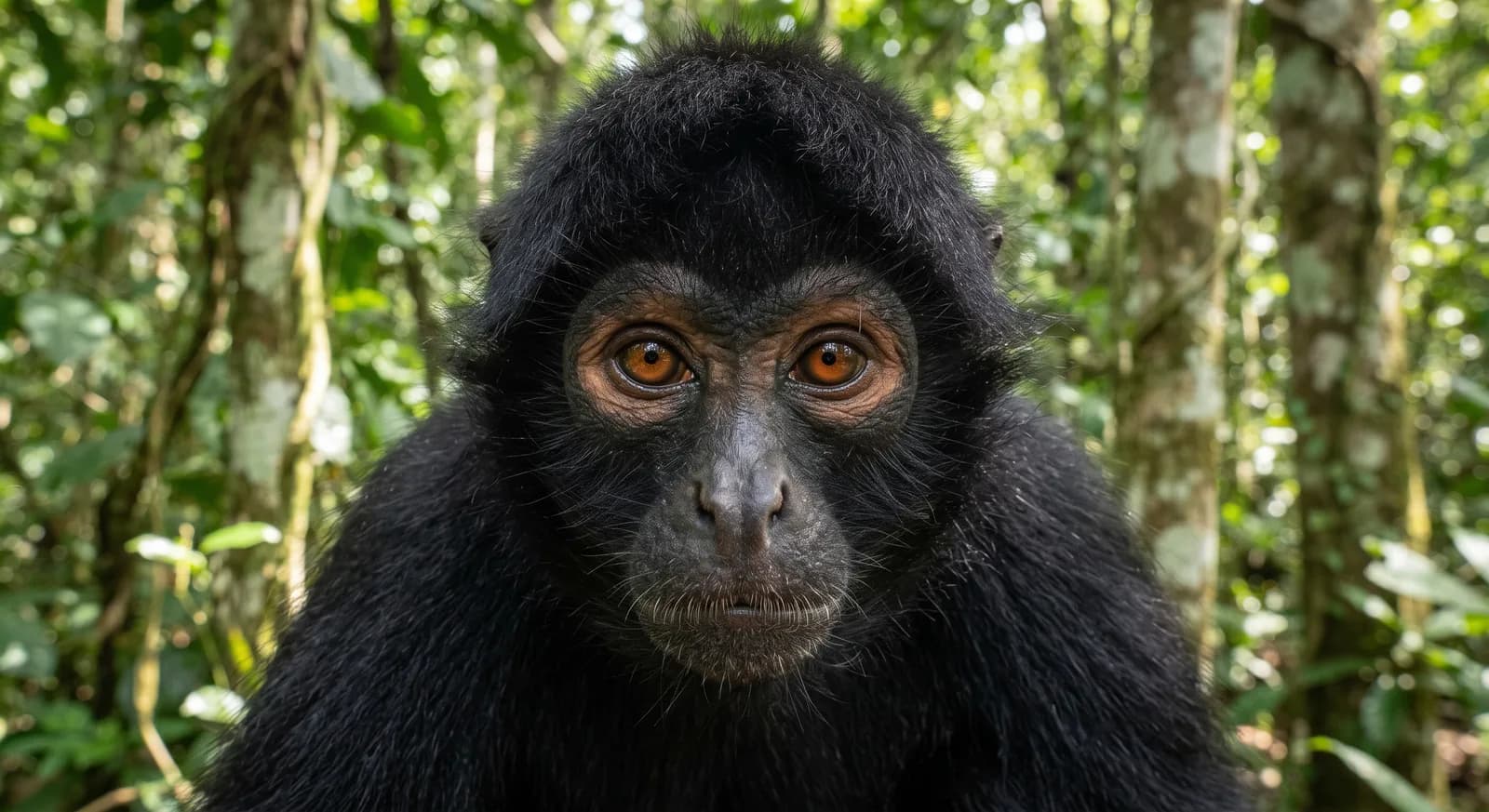 Vulnerable
Mono araña negro (mono araña de Guyana)
Ateles paniscus
 Least Concern
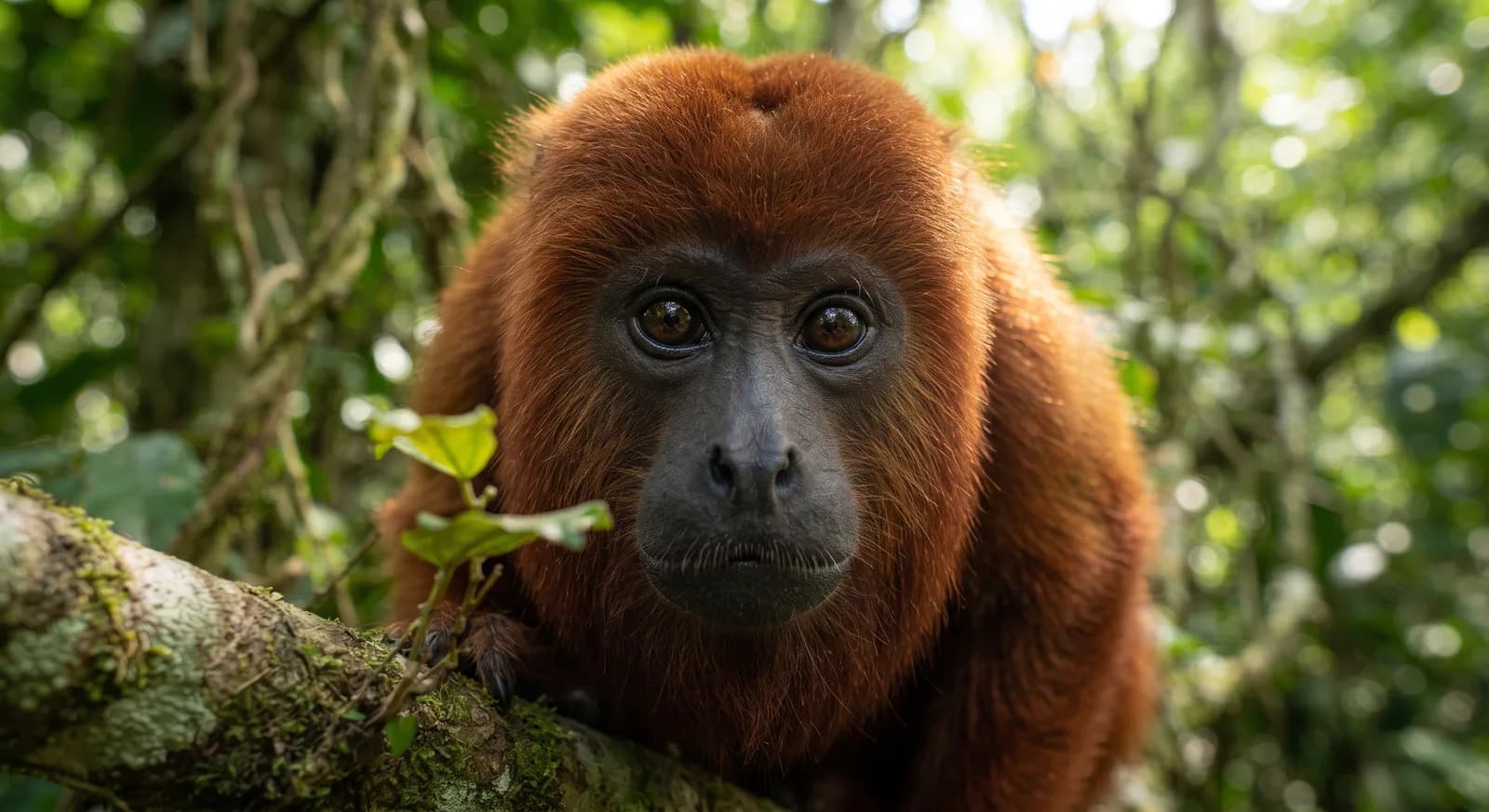
Mono aullador rojo
Alouatta seniculus
 Endangered
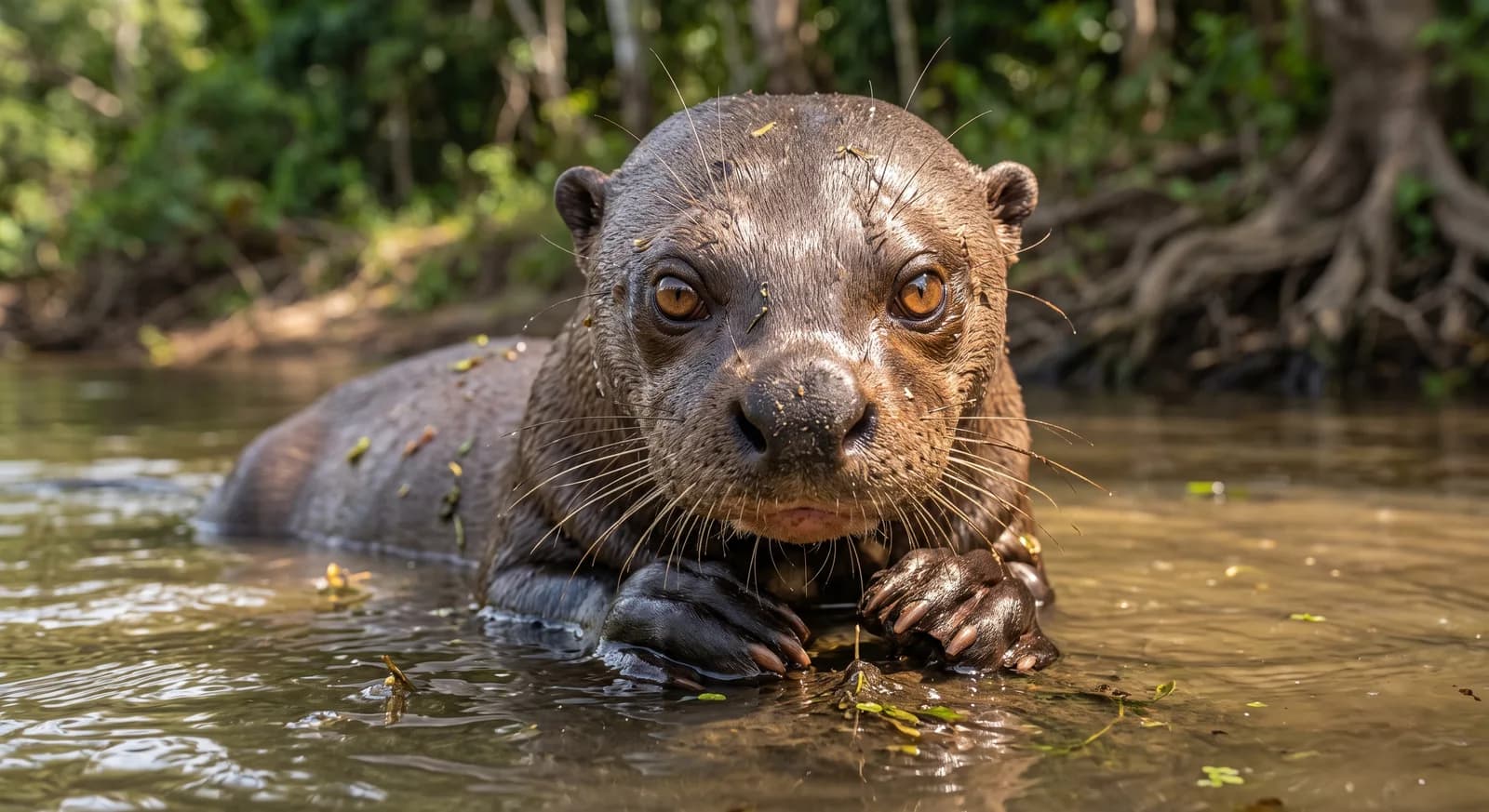
Nutria gigante
Pteronura brasiliensis
 Vulnerable
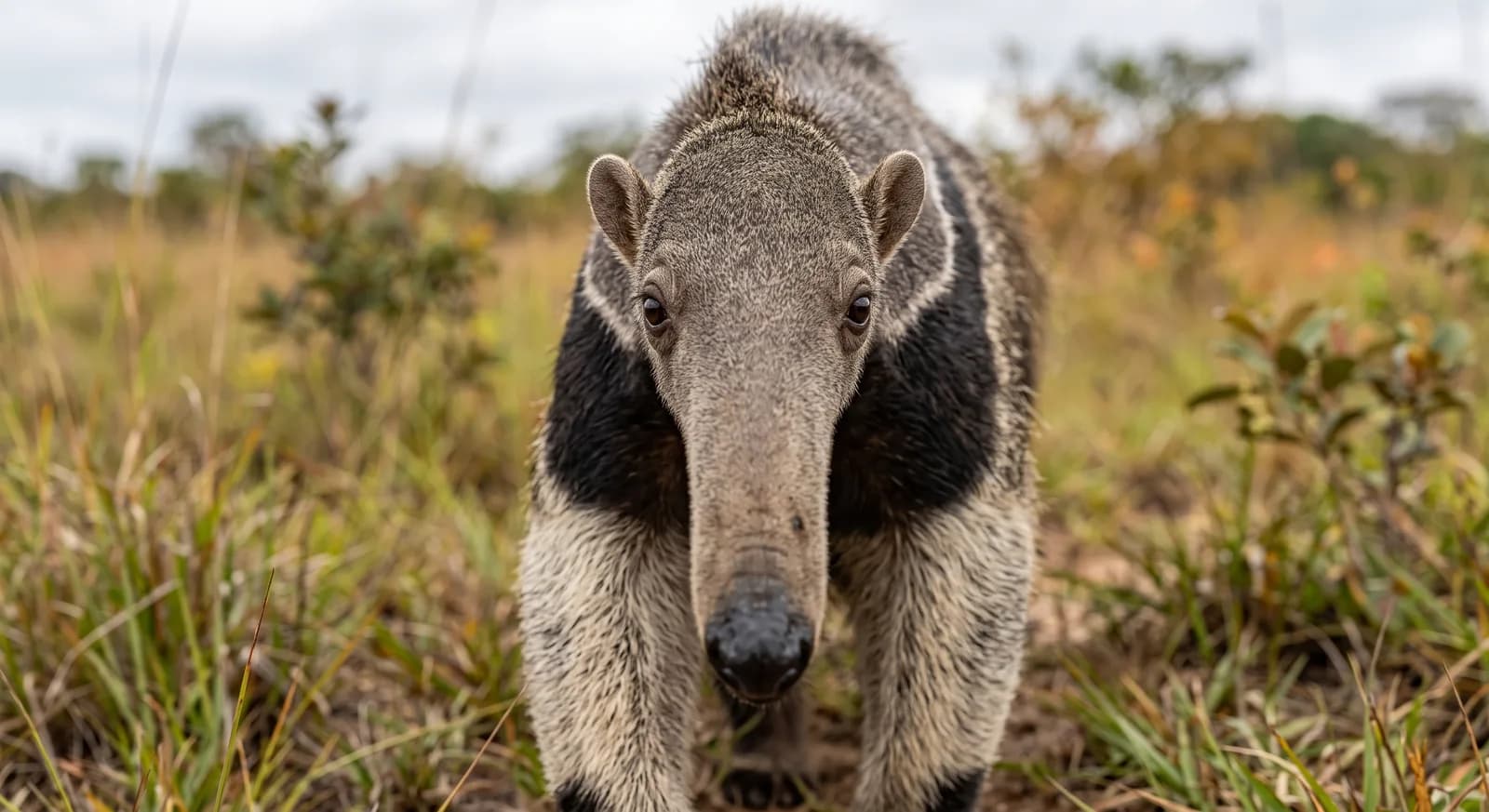
Oso hormiguero gigante
Myrmecophaga tridactyla
 Vulnerable
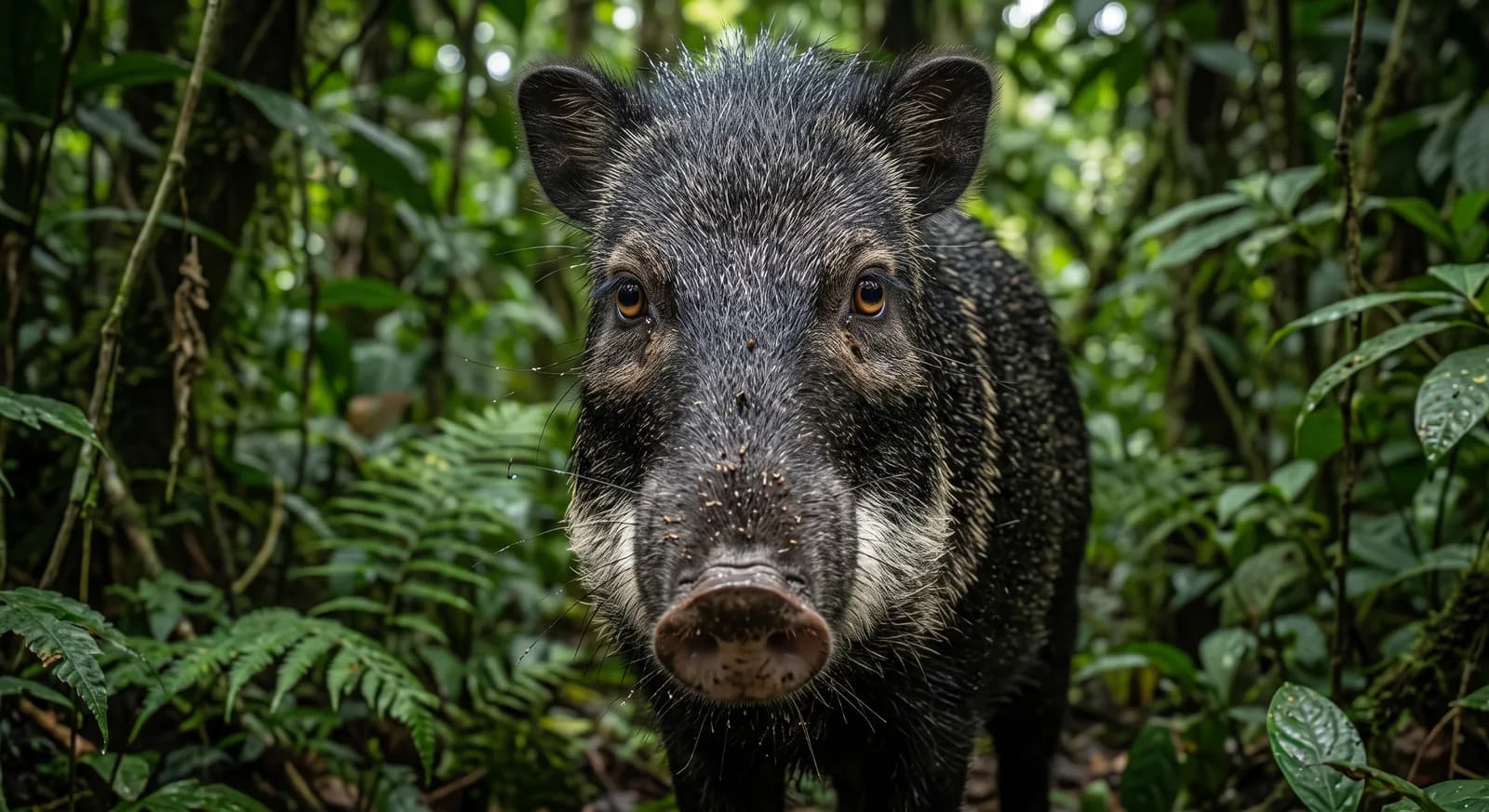
Pecarí labiado
Tayassu pecari
Flora and ecosystems
Ecosystems found in Peru, where Tambopata lies.
Experiences in this park
Wildlife you can see now
What is worth watching this month in Peru?
EndangeredAmazon River Dolphin
Inia geoffrensis
Ahora es buena época: Mejor época para avistar delfines rosados del Amazonas (Junio a noviembre (estación de aguas bajas))
Similar parks
Which other parks are like this one?
Paracas
Peru
Humboldt penguin · South American sea lion
Mayo a octubre
View parkMismo país: Peru
Pacaya-Samiria National Reserve
Peru
Amazon River Dolphin · Amazonian Manatee
Mayo a octubre
View parkMismo país: Peru
Keep exploring
Based on what we already know about Tambopata.
Your rating
How many stars would you give Tambopata?
Comments
Share your experience visiting Tambopata, or a tip for other travellers.
Be the first to comment.